Caring for a Lacquered Surface in a Tropical Climate
Singapore’s humidity, warm nights, salt-laden air and frequent indoor air-conditioning create demanding conditions for lacquered bedroom furniture. A high-gloss or satin lacquer can remain beautiful for years, but heat, moisture, dust and cleaning chemicals may cause clouding, stickiness, fine scratches or pale patches. This guide explains how to care for lacquered surfaces in HDB flats and private condos across Tampines, Bedok, Punggol and the central districts, with practical measurements and routines for households that want a light-luxury bedroom design without replacing furniture every few years.
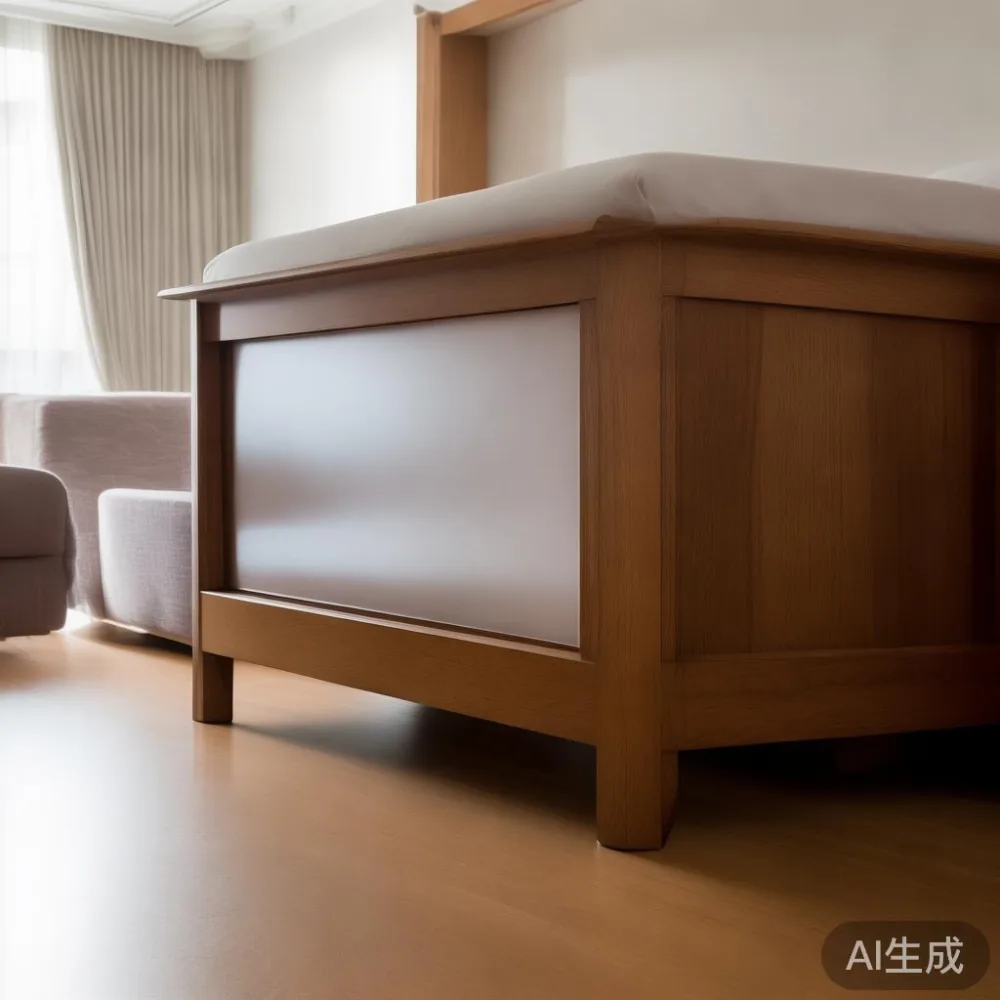
At MIDHILL, we make lacquered solid wood pieces for bedrooms, including bed frames, wardrobes and nightstands. Our care advice is intended for furniture used daily in Singapore, not only showrooms. Before applying any treatment, test it on an inconspicuous area and allow 48 hours for the surface to return to its normal appearance.
How does tropical humidity affect lacquered bedroom furniture?
Lacquer is a cured finish applied in thin layers. Although the final film is durable, wood still responds to changes in relative humidity, while lacquer can soften slightly under heat and pick up dust or oily residue more readily than a matte finish. In a typical Singapore bedroom, aim for 45–60% relative humidity and 20–27°C. In a corridor near an open window, where humidity may rise above 70%, use a hygrometer to check conditions rather than relying on visual cues.
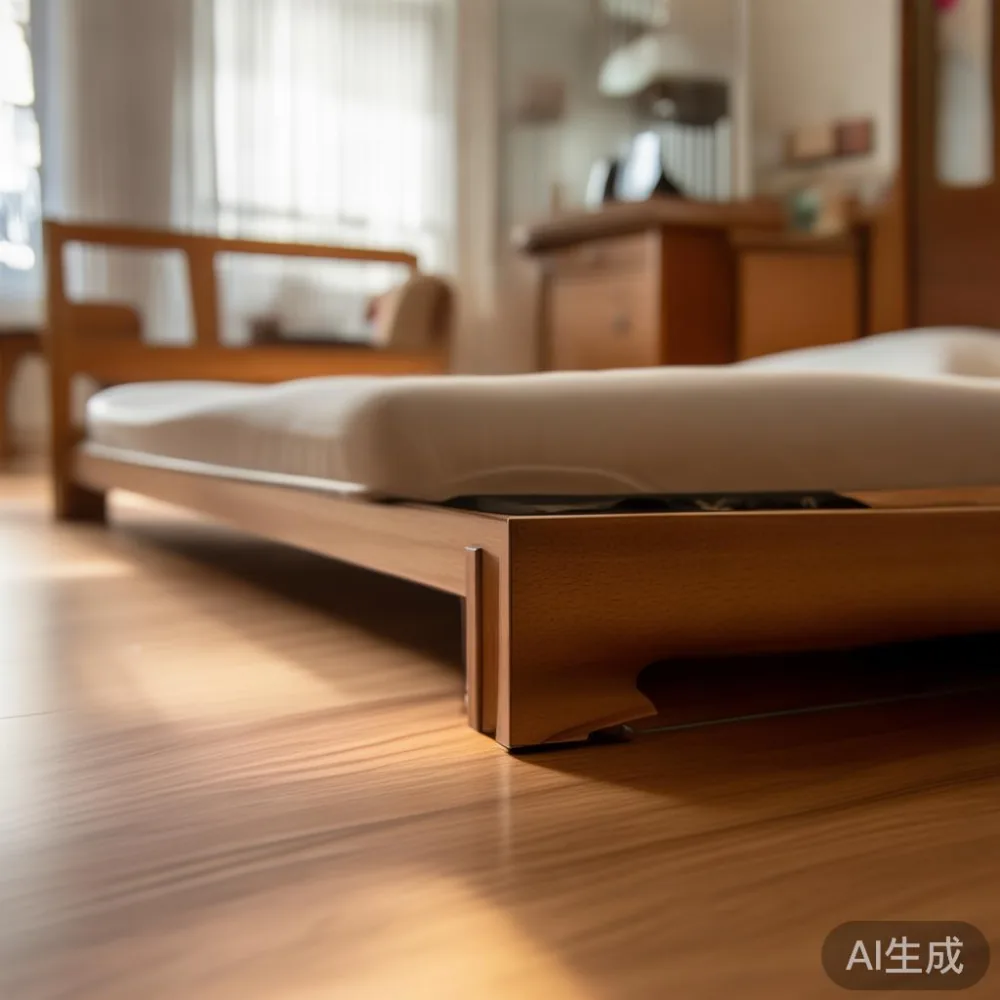
Position lacquered furniture away from direct sunlight and air-conditioning vents. A south-facing Tampines HDB flat can gain several degrees near a window between 12 p.m. and 4 p.m., while a west-facing Bedok unit may become warmer in the late afternoon. Maintain at least 30 cm between a lacquered wardrobe and a window, and 60 cm from a direct air-conditioning outlet. If a bed frame sits under a wall-mounted unit, add a narrow deflector and keep the air outlet angled toward the room rather than the headboard.
Condensation is a common problem in Punggol and eastern Singapore during heavy rain, especially when warm outdoor air meets cooler interiors. Wipe condensation from glass and lacquer within 30 minutes. Do not place laundry-drying racks, humidifiers or hot-water bottles directly against a wardrobe or nightstand. A small tray of activated charcoal may absorb odours, but it should not be used as a substitute for ventilation.
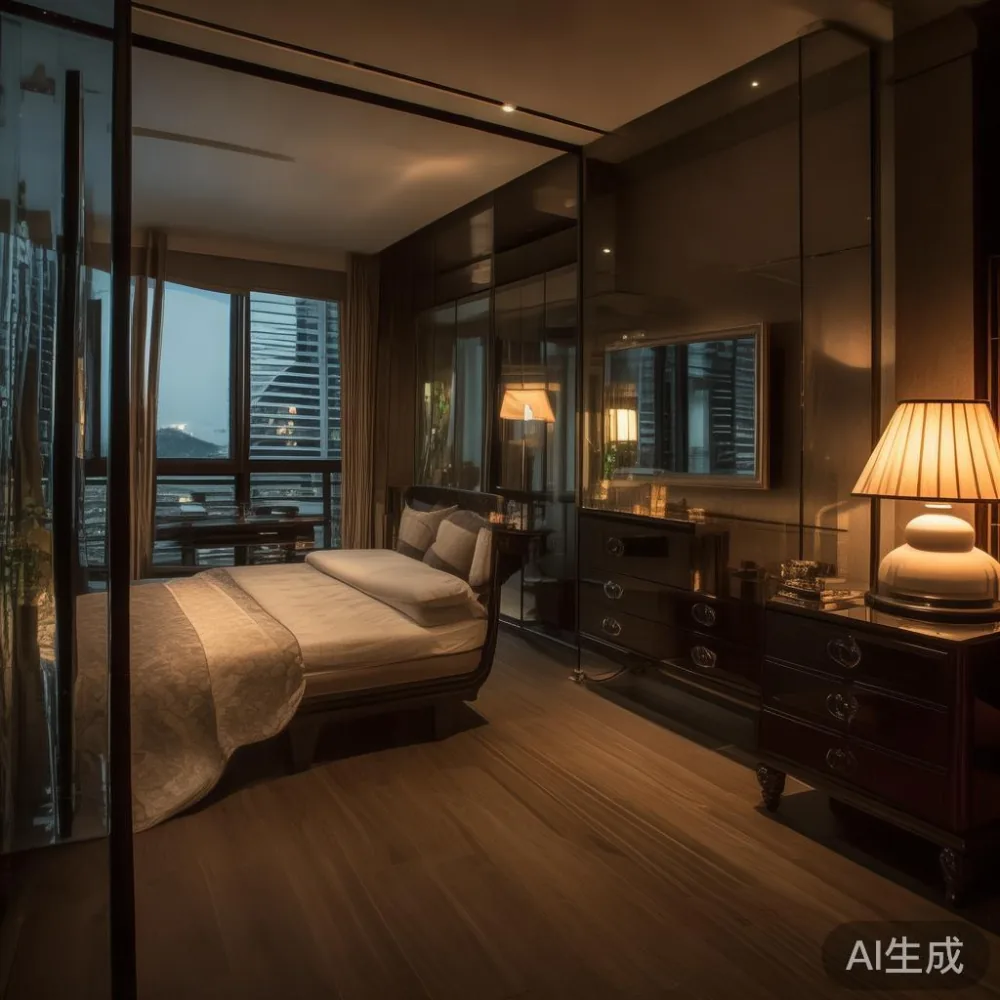
What is the safest daily cleaning method for lacquer?
Use a clean, soft microfibre cloth and plain lukewarm water. A 500 ml spray bottle is sufficient for routine care; fill it with 450 ml water and add 1 teaspoon of mild, pH-neutral dish detergent. Shake gently, spray onto the cloth rather than the furniture, and wipe until no residue remains. The cloth should be damp, not dripping.
Clean one small area first, wait 10 minutes, and inspect it under daylight. Follow with a separate dry cloth. Avoid silicone polishes, ammonia, bleach, alcohol, acetone, furniture creams, abrasive pads and “spray-and-wipe” products containing solvents. Even a residue-free cleaner can leave a hazy film if too much solution collects at joints or around lacquered handles.
For fingerprints around a wardrobe handle, use a barely damp cloth and follow immediately with a dry one. For a mark on a lacquered nightstand, press a clean white cloth over the spot for 30 seconds; do not rub vigorously. If the mark remains, contact the manufacturer before trying a stronger product. In my own test last month, I applied three drops of mild detergent to a lacquered sample panel, waited 5 minutes and wiped with a second cloth. The panel stayed clear, while an untreated ring from standing water appeared under angled lighting. That difference confirmed why excess water should not be left to dry on lacquer.
Schedule a more thorough clean every 2–4 weeks, depending on dust, cooking fumes and household traffic. Move small items such as a watch, keys or a 500 ml water bottle. Never slide unlined objects across a lacquered top; fit felt pads beneath décor and coasters beneath drinks. A coaster should measure at least 2 cm wider than the object’s base.
Can scratches be removed from lacquer without damaging the finish?
Fine surface scratches can sometimes be reduced, but sanding can quickly cut through the lacquer and expose the solid wood beneath. Do not use sandpaper, steel wool or scouring powder on lacquered bedroom furniture. Start by placing a soft, clean cloth over the scratch and applying gentle pressure for 10 seconds; warmth and friction can slightly disguise a hairline mark without changing the coating.
For a slightly deeper scratch, use a lacquer-safe polishing product only after checking the furniture maker’s instructions. Apply less than the size of a grain of rice—about 0.5 ml—to a microfibre pad, work in a small circle for no more than 20 seconds, and inspect from several angles. Test 48 hours beforehand on a hidden section. If the mark extends through the finish, or if the wood or primer is visible, arrange a professional refinishing assessment instead.
Prevent new scratches by lifting a marble table accessory rather than dragging it across a lacquered surface. Use protective felt beneath table lamps, picture frames and the tray on a nightstand. For a bed frame, vacuum the rails and headboard with a brush attachment kept about 2 cm above the lacquer, then wipe with a barely damp cloth.
Furniture delivered into HDB flats can acquire marks during unloading. Measure the lift door, landing and corridor before delivery, and compare them with the packed dimensions of each piece. A 180 cm wardrobe may be easier to move upright if the lift door is at least 190 cm high and the internal depth is at least 55 cm. Clear the route, pad corners with 5 mm foam and keep at least 70 cm of turning space where possible.
How should a lacquered bed frame be protected from heat and moisture?
Keep a lacquered bed frame at least 60 cm from a window that receives direct sun, and use blinds or curtains during the hottest hours. Singapore’s midday ultraviolet exposure can be intense, particularly on upper floors and in west-facing units. UV-filtering curtains should have a visible light-blocking rating of at least 80%, while still allowing ventilation.
Check beneath the bed every month. Lift the mattress with another person or use a low-profile inspection mirror, then look for condensation, insects or damp carpet. Vacuum at least 60 cm beneath the frame where clearance permits. If the bed frame is solid wood and has lacquered details, avoid placing it directly against a damp external wall; leave a 3–5 cm ventilated gap where the layout allows.
When thinking about how to style light luxury bed in room layouts for HDB bedrooms, work around practical clearances first. A queen bed measures approximately 150 × 200 cm, while a king measures 180 × 200 cm in Singapore. Maintain 60 cm beside one side of a queen bed where possible, or 75 cm on both sides in a larger condo. These dimensions make bedding changes easier and reduce rubbing against a lacquered headboard.
Light textiles also reduce stress on the finish. Use a washable cotton or linen cover with a fitted sheet, and avoid leaving damp towels on the frame. The popular comparison between an American sofa vs Italian light luxury sofa concerns seating construction, not lacquer care, but the same principle applies: quality materials and controlled indoor conditions protect a refined finish. When comparing a solid wood sofa, bed frame, dining table, wardrobe or nightstand, confirm which surfaces are lacquered and which are natural wood.
What should I do about stickiness, haze or colour change?
Sticky lacquer often appears near vents, windows or surfaces touched by oily hands. Stop using commercial cleaners for 7 days and allow the area to ventilate. Wipe once with a soft cloth barely dampened with plain water, then dry immediately. Do not stack towels against the surface because trapped heat and fabric softeners can create a sticky film.
Clouding may result from mineral deposits, moisture trapped beneath the finish, or residue from an unsuitable cleaner. For suspected mineral deposits, use a white, non-abrasive cloth with a small amount of distilled water and check for a mark every 30 seconds. White vinegar should not be used on lacquer unless the furniture maker specifically approves it. A faint patch that remains after cleaning should be photographed under neutral light and referred to the maker.
Yellowing can also be caused by age, nicotine residue, smoke or prolonged exposure to ultraviolet light and heat. Maintain at least 1 metre between furniture and an open balcony door during smoky periods, and clean nearby vents regularly. If a lacquered wardrobe in a Punggol condo sits near a sea-facing window, consider a UV-filtering blind and check the coating every 6 months.
How can I keep lacquered storage furniture in good condition?
For a wardrobe, inspect the lacquered fronts, edges and handles every 3 months. Wipe the vertical surfaces from top to bottom so dust does not settle on lower panels. Use a small ladder with rubber feet, and keep the ladder’s feet about 25 cm from the lacquer. Check that hinges and rollers do not drag a door across another lacquered panel; adjust a rubbing hinge before the finish wears.
Inside the wardrobe, maintain relative humidity below 60% where possible. Cedar blocks or charcoal pouches can help moderate odour, although they do not control humidity. Leave folded clothes and bedding in the open for 24 hours before closing a wardrobe after washing, and avoid storing damp towels in a closed compartment.
For useful bedroom design ideas centred on European light luxury with storage, pair restrained lacquer fronts with solid wood shelving and discreet internal drawers. A 120 cm nightstand with 2 drawers can provide storage without crowding a compact queen bed, but check that the top drawer clears the mattress by at least 5 cm. European light luxury for bedroom schemes often works through proportion, pale timber and fine metal details rather than a crowded display of objects.
When comparing room layouts, consider European light luxury for bedroom proportions and practical storage zones. Leave 90 cm in front of a wardrobe opening where circulation is tight, and position a chair so it does not touch a lacquered nightstand. A small upholstered bench at the foot of the bed should stand 10 cm away from the frame if the bed moves.
How often should lacquered furniture be inspected and maintained?
Create a simple care calendar rather than cleaning aggressively every few days. Check humidity with a hygrometer weekly. Wipe high-touch surfaces weekly, perform a damp clean every 2–4 weeks, inspect scratches monthly, and examine storage furniture every 3 months. Once each year, check exterior walls, balcony doors and air-conditioning vents for leaks or condensation.
Use felt pads rated for indoor wood floors, replacing them every 6–12 months. Lift the furniture when moving it and distribute the load across at least 3 points. For a heavy lacquered wardrobe, professional movers should use padded straps rated above the piece’s weight; a 120 kg unit should not be dragged on its base.
MIDHILL offers a 10-year structural warranty and lifetime refinishing on qualifying products. Coverage terms can differ by item and finish, so obtain the written care instructions and warranty conditions before installation. A lacquered finish normally requires gentler maintenance than some hardwax oils, but it still needs protection from standing water, heat, solvents and abrasion.
Budget for professional assessment if a mark exposes the substrate, if a large area has clouded, or if a door no longer closes evenly. For broader room planning, MIDHILL dining table wholesale enquiries may involve coordinated bedroom pieces, while under 2000 Mid-century modern furniture is a separate style consideration rather than a lacquer-maintenance solution. Confirm dimensions, access routes and finish specifications before ordering.
Can Singapore delivery and installation affect lacquer care?
Delivery is often the first time a lacquered surface encounters dust, rain or accidental knocks. Schedule a dry delivery window, especially during the monsoon season from November to January. In Singapore, a suitable booked delivery window may be 2–7 days after stock confirmation, depending on the item and route. Ask the supplier to provide the packed size and weight so the delivery team can select the correct vehicle.
For a condo, confirm the loading bay, parking height limit and lift dimensions. For an HDB flat, provide the block and floor accurately and reserve the lift for the agreed time. A 200 cm wardrobe may require tilting, but it should not be forced through a lift doorway narrower than its diagonal packaging dimensions. If the route cannot accommodate the package, agree on a safe unpacking or staircase method before delivery.
Protect the lacquer during installation. Remove plastic film only after the furniture reaches its final position, and inspect for pressure marks or scratches before accepting delivery. Keep packaging for 30 days in case a return or service assessment is required. MIDHILL provides delivery over US$350 for qualifying orders, 14-day returns under the stated policy, and practical support for customers across 15+ export markets.
What is the practical care routine for a lacquered Singapore bedroom?
Keep the room stable, clean gently and act early when a mark appears. Place a hygrometer near the bed or wardrobe, record the reading at 8 a.m. and 8 p.m. for 1 week, and adjust ventilation if readings regularly exceed 60%. Use UV-filtering blinds, keep lacquered pieces away from vents and never leave a wet cloth overnight on the surface.
When a bedroom design combines lacquered storage with natural timber, treat each material according to its finish. A lacquered wardrobe may need only mild soap and water, while an oiled solid wood bed frame or nightstand may require a different maintenance interval. If you are comparing American or French light luxury furniture, focus on verified lacquer composition, edge construction and the maker’s care guidance rather than style labels alone.
For any polished room scheme that includes a solid wood sofa, dining table or marble table, use separate care procedures and keep water, heat and chemicals away from every surface. Post-modern light luxury can suit a compact HDB bedroom when clean geometry is balanced with warm timber, but the finish will remain at risk if coasters, ventilation and cleaning routines are neglected.
Finally, photograph the lacquered surface every 6 months under the same lighting. A 1 cm ruler in the photograph provides scale for comparing fine marks, and a dated record helps a maker distinguish gradual wear from a recent impact. Consistent care cannot prevent every scratch, but it can reduce avoidable haze, sticky residue and finish damage while preserving the refined character of the bedroom.