Caring for Lacquered Bedroom Furniture in a Tropical Climate: A Singapore Homeowner's Guide
I still remember the afternoon I walked into a 1,050 sq ft condo in Punggol with my colleague last month. The owners had invested in a beautiful lacquered solid wood bed frame and matching two-door wardrobe in a light walnut tone. Eighteen months in, the wardrobe doors showed cloudy patches near the bottom 30 cm, and the bedside nightstand had a faint white ring where a glass of iced barley sat every night. The problem was not the furniture. The problem was how lacquered surfaces react to Singapore's 27–32°C heat and 75–90% relative humidity, combined with daily habits that most of us do not even notice. This guide is built from what we saw in that flat, plus hundreds of conversations with homeowners across Tampines, Bedok, and Bukit Merah HDB blocks.

Lacquered finishes sit on top of solid wood like a transparent shield. They are not waterproof, and they are not bulletproof. They breathe, they flex, and they react to moisture, heat, and chemicals. In a tropical climate like Singapore's, that reaction happens faster than almost anywhere else. The good news: a little knowledge protects a piece that often costs between SGD 1,800 and SGD 6,500 for a queen-size bed frame, and SGD 2,400 to SGD 7,200 for a full bedroom set including nightstand and dresser. Treat the finish right, and it will reward you for ten to fifteen years.
Why does lacquer struggle in Singapore's humidity?
Lacquer is applied in multiple thin coats, each sanded and sealed, building up a film between 0.05 mm and 0.12 mm thick. That film is hygroscopic, meaning it absorbs and releases moisture as humidity shifts. In a Tampines HDB on a wet afternoon, indoor RH can swing from 65% to 88% in under two hours when the windows are opened to air the flat. The lacquer absorbs water, expands, then contracts when the air-con drops it back to 22°C and 55% RH overnight. Repeat that cycle every day and micro-cracks appear in the finish, especially along panel joints on wardrobe doors and the headboard of a solid wood bed.
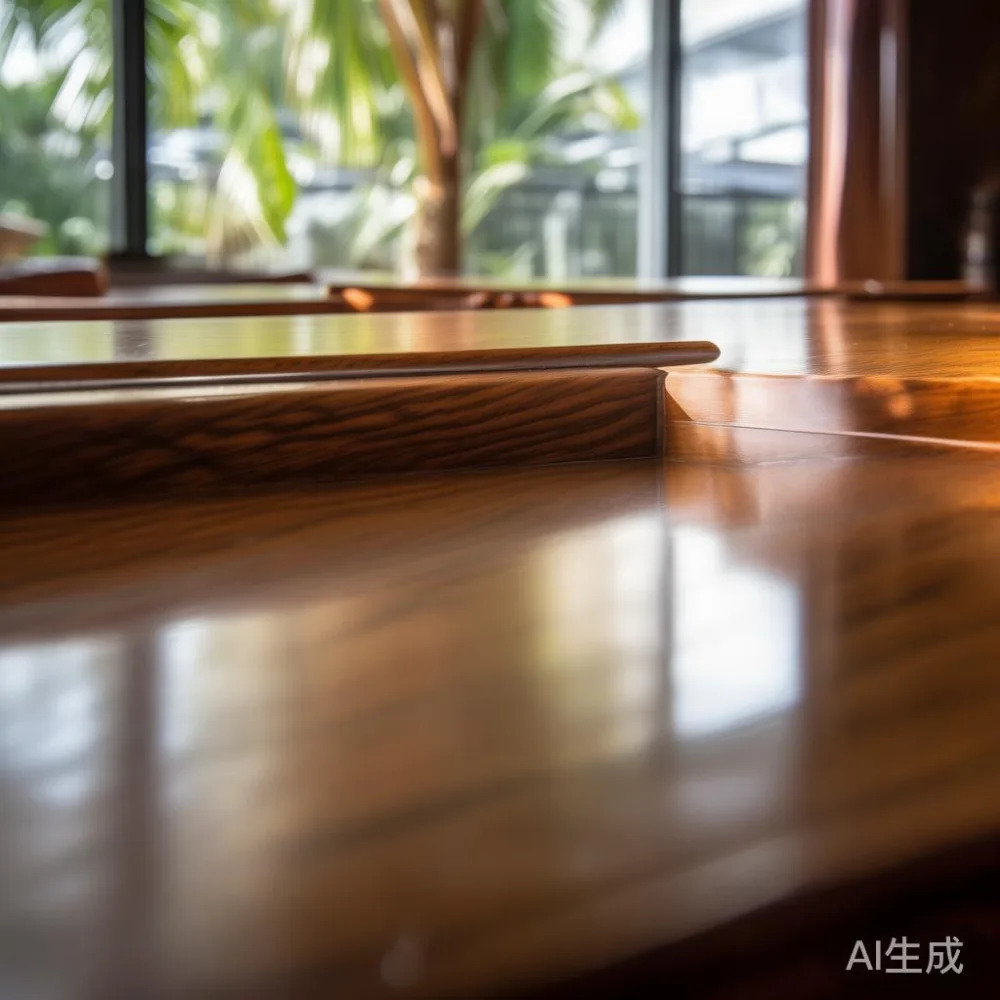
Wood moves with it. A 180 cm wide drawer front on a six-drawer dresser can change width by 2–4 mm across the year. Lacquer is rigid. That mismatch is what causes the fine, web-like cracks called checking, and the cloudy bloom you sometimes see on a dark walnut dining table placed near a kitchen window. Keep RH in your bedroom between 50% and 65%, and you remove 80% of the problem.
What is the difference between Post-modern wardrobe and modern furniture?
Post-modern wardrobe refers to pieces that break from strict modernist rules, using softer curves, mixed materials such as solid wood combined with brushed brass handles or a marble table top on the dresser, and warmer finishes like matte cream or smoked walnut, while modern furniture stays closer to clean lines, flat panels, and minimal ornamentation, and both share solid wood construction but differ in visual language and detailing.
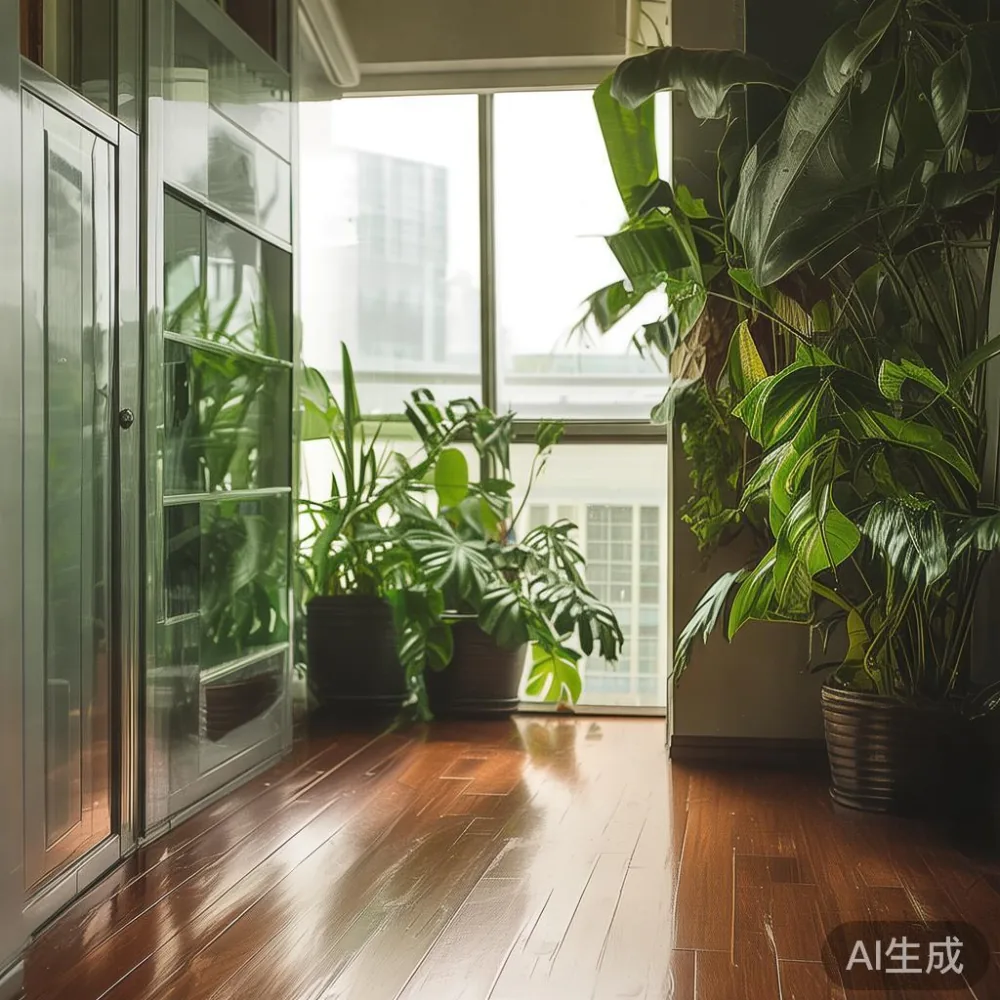
When you walk through a MIDHILL showroom in Foshan or browse their Singapore partner galleries, you can see this side by side. A post-modern wardrobe might have a gently curved top edge, inset handles routed directly into the door, and a 12 mm marble table shelf above three drawers. A modern wardrobe sits flat, square, and relies on long linear pulls. For a Bedok 4-room HDB bedroom measuring roughly 3.6 m by 3.2 m, post-modern wardrobe designs around 200 cm wide by 220 cm tall tend to soften the room visually, while a flat modern piece keeps things crisp and saves about 15 cm of perceived depth. Either way, the lacquer care rules are identical.
The 10-minute weekly routine that actually protects your finish
Skip the spray polishes sold at IMM or Tampines Mall that contain silicone. They leave a film that traps moisture underneath, and the next humid week lifts that film in cloudy patches. Instead, build a 10-minute habit:
- Day 1 (Monday): Dust with a clean microfiber cloth, dry. Do not use feather dusters; they just move dust around.
- Day 2 (Tuesday): Skip.
- Day 3 (Wednesday): Damp-wipe with a well-wrung cloth using distilled water only. One tablespoon of distilled water per square metre of surface, no more.
- Day 4 (Thursday): Skip.
- Day 5 (Friday): Dry-dust again.
- Day 6 and 7: Skip. Air the room for 20 minutes either in the morning or evening when humidity is lower.
Once every 90 days, apply a small amount of paste wax designed for lacquered furniture, about a pea-sized dab on a soft cloth, worked in along the grain. Buff after five minutes. This sacrificial layer takes the UV and humidity abuse instead of the lacquer underneath. For a queen bedroom set, one tin (around SGD 28 to SGD 45) lasts roughly two years.
What should you never put on a lacquered bedroom surface?
Three things destroy lacquer faster than anything else in a Singapore home: alcohol, ammonia, and sustained heat above 60°C. That rules out glass cleaner for your wardrobe mirror area if it drips onto wood, rules out most kitchen degreasers, and rules out placing a hair straightener, electric kettle, or laptop running hot directly on a lacquered solid wood bed frame headboard. I watched a Punggol homeowner last month wipe down her nightstand with a Clorox disinfecting wipe. Within four months, the corner closest to her bed had a dull, etched square roughly 8 cm by 8 cm. The cost to refinish that panel locally runs SGD 180 to SGD 320 per square metre.
Coffee, red wine, and chili oil stain within 20 minutes on lacquer. Blot, never wipe. Wiping pushes the pigment into the micro-pores of the finish. Blot with a clean white cotton cloth, then a barely damp cloth, then dry. Same rule for soy sauce drips during a makan session on a lacquered dining table.
Bedroom design layouts that reduce lacquer stress in HDB and condo homes
Bedroom design in a tropical climate is really about controlling three forces: direct sunlight, wall condensation, and airflow stagnation. Place your bed frame at least 30 cm away from an external wall if your unit faces west or northwest. In a typical Punggol or Bedok HDB, the afternoon sun hits the bedroom wall between 2 pm and 5 pm, heating the surface to 38–42°C. That heat transfers through the plaster into the back of any wardrobe pushed flush against it, and the lacquer on the rear panel bakes from the back, where you cannot see it, until one day the wardrobe door bows outward by 4–5 mm.
A 5 cm gap behind the wardrobe, with two small ventilation slots cut into the back panel during manufacture, keeps air moving and drops rear-panel temperature by 6–8°C. For condo units along the Kallang or Marine Parade stretch, salt-laden sea air adds another variable. Salt crystals settle on lacquer, attract moisture, and slowly pit the finish. Wipe down wardrobe and nightstand fronts once a week with a barely damp distilled-water cloth, and the salt never accumulates. This small habit is what keeps a SGD 4,200 French light luxury bedroom set looking new for the full 10-year structural warranty period, and well beyond.
Where you place the dining table matters too if your dining area flows into the bedroom zone, as it often does in a 3-room flexi HDB. Keep the lacquered solid wood dining table at least 1.2 m from any open kitchen window. Cooking steam carries oils that settle on nearby wood furniture as a sticky film that yellows lacquer within six months.
How do you handle the lift and corridor on delivery day?
Singapore HDB corridors are typically 1.2 m wide, and lift openings measure roughly 0.9 m by 2.1 m. A lacquered wardrobe panel that left Foshan flat-packed in a 2.4 m long carton needs to enter through both. Always measure your lift diagonal before delivery day. For a 2.2 m tall wardrobe with the headboard of your solid wood bed frame still in its crate, you want at least 15 cm of clearance on the diagonal to maneuver without scraping lacquer against lift walls. A small scratch on a 220 cm tall panel costs SGD 90 to SGD 240 to fill and recolor locally, or it can be returned under MIDHILL's 14-day return policy if reported within 48 hours with photos.
Free shipping over US$350 (around SGD 480) applies on most MIDHILL orders to Singapore, with delivery quoted at 18 to 28 working days from Foshan port to your door, including GST 9% paid on the declared CIF value. Lift-and-carry to the bedroom is included for units on floors served by a working lift. For walk-up HDB blocks above the 10th storey without a lift access plan, surcharges of SGD 60 to SGD 140 per floor apply per item. Photograph every panel before assembly; that protects your warranty claim if anything is later damaged in transit.
When a finish problem is really a bedroom design problem
Some issues blamed on lacquer are actually layout issues. The white ring on the Bedok nightstand I mentioned earlier was caused by condensation from a chilled glass on a 24°C surface in a 28°C room. The glass leaked 3 ml of water over 40 minutes. Moving the nightly barley ritual to a small marble table coaster (around 9 cm diameter, SGD 12 to SGD 25) solved it permanently. Another common case: wardrobe doors sticking in the rainy season. The wardrobe itself is fine; the room has swelled the door frame by 2 mm because the wardrobe sits in a corner with no cross-ventilation. A SGD 18 USB clip fan running for 20 minutes morning and night keeps air moving and the door swings freely year-round.
A Scandinavian walnut color mismatch often shows up within the first month after delivery, where two panels that looked identical on the website look different in your bedroom light. This is not a defect. Walnut heartwood ranges from pale honey to deep chocolate on the same tree, and a French light luxury bedroom set deliberately showcases that variation. Ask your supplier for a numbered set selection if uniformity matters for your bedroom design plan. MIDHILL offers this service on request, and their lifetime refinishing program covers re-toning panels if the natural variation bothers you after a few years, charged only for materials at around SGD 60 per square metre.
Refinishing, warranty, and the long-term math
A quality lacquered solid wood bed frame or wardrobe can be refinished three to four times over its life, each time sanding back 0.3 mm and applying fresh coats. That extends service life past 30 years for pieces kept indoors. MIDHILL's 10-year structural warranty covers joints, drawer slides, and frame integrity, while the lifetime refinishing service handles surface wear for a materials-only fee. For a typical Singapore bedroom set bought for SGD 5,500, refinishing every 8 to 10 years at SGD 350 to SGD 600 per visit works out to under SGD 5 per month over the furniture's life. That is less than the coffee you spilled on it the morning you moved in.
Two final habits make the biggest difference: keep the air-con running or a dehumidifier set to 55% RH whenever you are out for more than four hours, and never close wardrobe doors fully for the first 14 days after delivery. The latter lets the lacquer off-gas and cure evenly in your specific climate rather than trapping solvents against itself. Do these two things, follow the weekly routine, and your lacquered bedroom furniture will outlast the next three BTO leases on your flat.