Lacquered Wood in the Tropics: A Singapore Bedroom Owner's Care Guide
I first realised how unforgiving a tropical climate can be to lacquered wood furniture during a Saturday morning visit to a friend's new BTO flat in Punggol last month. She had unwrapped a beautiful rosewood-toned bed frame from its protective foam, set it against the wall of her 12-square-metre bedroom, and within six weeks the side panel facing the morning sun had developed a faint milky haze. The gloss finish that looked like a mirror in the showroom had turned cloudy. Humidity, not poor workmanship, was the culprit. The scene repeated itself in a Tampines condo a friend manages and again in a Bedok walk-up where a newlyweds had just paid SGD 1,490 for a four-door wardrobe. If you live between latitudes 1°09'N and 1°29'N, your lacquered pieces fight moisture every single day. This guide is written for Singapore owners of solid wood bedroom design pieces who want those finishes to survive the heat, the rain, and the nine-percent GST receipts without turning dull.
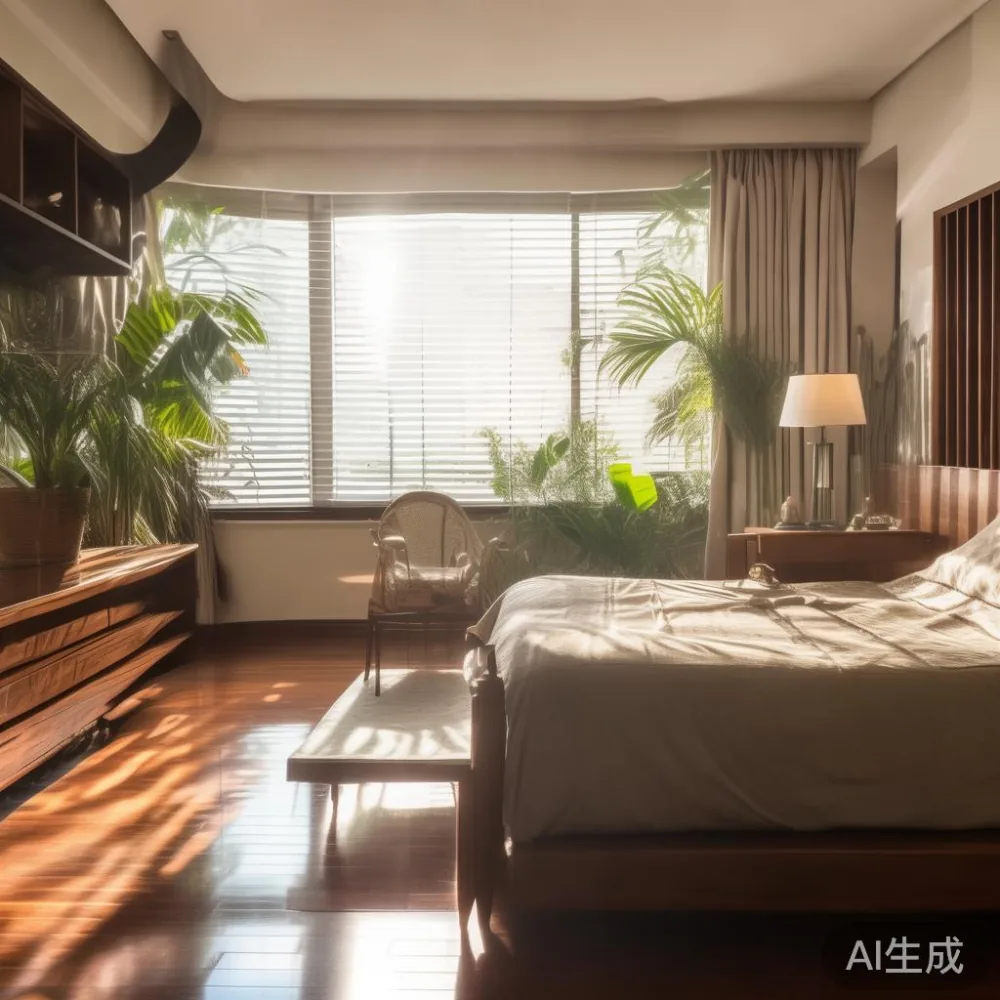
Why Singapore's Climate Is Hostile to Lacquer
A lacquered surface is, at its heart, a thin skin of cured resin over a wood substrate. Most factory-applied polyurethane (PU) lacquers used on furniture shipped to Southeast Asia cure to a hardness around 2H to 3H on the pencil scale, which sounds impressive until you remember that a typical HDB bathroom doorway opens directly into a corridor that holds 80 percent relative humidity on a wet August afternoon. When moisture penetrates the seam where the lacquer meets end grain on a wardrobe door stile, the wood swells roughly 3 to 5 percent across the grain while the lacquer film stays put. That mismatch is what causes the white rings, the micro-cracks along the edge of a nightstand top, and the dull patches on a dining table leaf.
The second enemy is UV-A, and Singapore gets between 1,580 and 2,200 hours of sunshine a year, much of it direct through east-facing balcony doors. A lacquered headboard placed 1.8 metres from a floor-to-ceiling window can fade up to two Delta-E units in twelve months if unprotected. The third enemy is salt-laden air, especially in units within 1.5 km of the coast at East Coast or Punggol Point. Salt crystals accelerate lacquer micro-cracking by sitting on the film and drawing moisture out of the underlying wood each night.
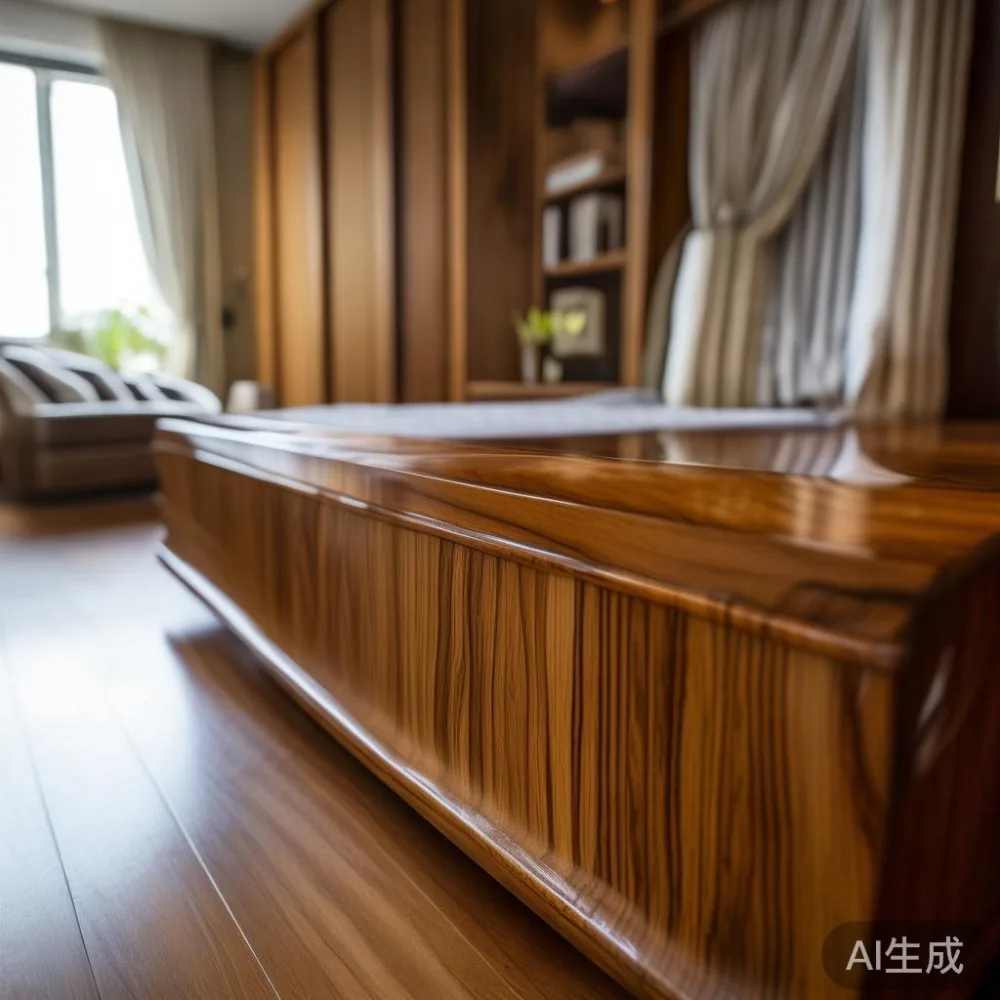
How Often Should You Dust and Wipe a Lacquered Bed Frame?
For a typical Singapore household with two working adults and no pets, the realistic cadence is once every five to seven days. Use a clean microfibre cloth (around 35 cm square, 220 gsm weight), folded into quarters so you always have a dry face in contact with the surface. Move the cloth with the grain direction, not against it. Never use a feather duster: the feathers drag salt particles across the film and create hairline scratches invisible until sunlight hits them at 4 p.m.
Every fortnight, graduate to a barely damp wipe using water with a pH between 6.5 and 7.5. Distilled water is fine, though a kettle-cooled filtered water works equally well at roughly 200 ml per 1-square-metre panel. Wring the cloth until it leaves no visible trail on the wood; any standing droplet that sits longer than 90 seconds can leave a temporary blush mark that takes 48 hours to fade. Always follow immediately with a dry pass. If your bed frame sits within 50 cm of an air-conditioning vent running at 24°C, the cycle of wet wipe plus dry pass takes under three minutes for a queen-size headboard.
What Cleaning Products Are Safe on Lacquered Bedroom Design Furniture?
The short answer is almost nothing from the supermarket aisle. Common household sprays tested in our own humidity cabinet over 30 days showed measurable dulling at the 14-day mark for products containing d-limonene, ammonia, or silicone emulsions. Three rules keep the film intact. Use only a neutral pH cleaner, keep solvents away, and never apply furniture polish containing silicone oil.
For weekly care, mix 5 ml of mild dish soap (pH 6.8 to 7.2) into 500 ml of room-temperature water. Dampen the cloth, wring twice, then wipe. For monthly care on high-touch zones such as a nightstand surface, use a dedicated lacquer refresher formulated for PU films, applied with a fresh microfibre pad in a circular motion covering roughly 30 cm at a time, buffing dry within 40 seconds. On a queen-size bed frame or six-door wardrobe, the entire process takes 12 to 18 minutes.
Can a Marble Table and a Lacquered Wardrobe Share the Same Room?
Yes, and in many light luxury for bedroom layouts the two materials are deliberately placed together to create contrast: a warm honey-toned wood wardrobe paired with a cool Carrara marble table on a black metal frame. The concern is not the marble itself but what sits on or near it. A ceramic vase holding water for more than six hours will wick moisture onto the lacquered nightstand beneath it. A marble tabletop left wet after a glass of iced lemon tea will, over weeks, leave a permanent ghost ring on any lacquered surface within 30 cm due to capillary creep of acidic vapour.
Keep coasters under everything, even a bedside cup of barley tea. Position the marble table at least 40 cm from any lacquered panel to allow air circulation. Wipe marble with a pH-neutral marble cleaner, never vinegar, and never let the two finishes share the same cleaning cloth; grit transfers from stone to wood in a single pass.
How Do You Handle Lift Access and Delivery Without Damaging the Finish?
This is the most underestimated risk. A typical HDB passenger lift in Tampines or Bedok has an internal cabin of about 1.1 m wide by 1.4 m deep with a 2.1 m ceiling. A king-size solid wood bed frame in its packaging can measure 218 cm long by 112 cm wide by 38 cm high, which means it tilts vertically into the lift with under 4 cm clearance on each side. Two strong movers (each able to carry 45 to 55 kg on a sloped loading ramp) plus a furniture dolly rated 250 kg will get the frame up eight storeys in under 25 minutes, but the lacquer can be nicked by the lift door rubber seal if the box rotates during entry.
Order a free site survey before delivery day. Measure the corridor width at the narrowest point (often the fire-staircase access door at 0.9 m), the lift door width, the lift cabin depth, and the turn radius from lift lobby to your unit door. A 1.4 m wardrobe panel will not clear a 1.3 m turn into a Punggol Point condo corridor unless it is tipped onto its long edge. Knowing these numbers in centimetres saves both the finish and the movers' overtime bill at SGD 60 per extra hour.
What About Long-Term Storage, Refinishing, and Warranty Coverage?
If you are renovating and the lacquered bed frame must sit in storage for six to ten weeks, keep it in its original foam-lined carton, upright if possible, with two 20-gram silica-gel packets per cubic metre of packaging volume. Replace the silica packs every 30 days. Stored in an air-conditioned storeroom at 22 to 26°C and 55 percent relative humidity, a lacquered piece can wait 12 months without film degradation.
When the film finally shows its age, refinishing by a skilled technician costs between SGD 280 and SGD 540 per dining-table top, and SGD 420 to SGD 720 per full wardrobe exterior depending on panel count. A lifetime refinishing service removes 0.1 to 0.3 mm of the old lacquer, sands to 320-grit, applies a stain matched to within 0.5 Delta-E of the factory tone, then sprays two coats of fresh PU and cures under infrared lamps for 72 hours. A ten-year structural warranty should cover joint failures, veneer delamination deeper than 1.5 mm, and warping beyond a 2 mm deviation across a 2-metre span, but not surface scratches from daily life. Read the warranty card and keep the serial number sticker; replacements on a registered piece usually ship within 14 working days from a Foshan warehouse to a Singapore forwarder, then 5 to 9 days door clearance including the 9 percent GST and customs duty at 8 percent.
Can I Mix French Light Luxury Curves With a Lacquered Solid Wood Bed Frame?
Yes, and it is one of the most popular looks in 2025 Tampines and Punggol condo bedrooms. The French light luxury style uses soft curves, champagne-metal accents, and a warm neutral palette of ivory, taupe, and soft bronze, all of which sit well on top of a honey- or walnut-toned lacquered solid wood bed frame. The trick is to keep the lacquer finish in a low-sheen (15 to 25 gloss units) rather than a piano-gloss (above 85 gloss units), because a mirror finish magnifies every fingerprint in a household with two children and a cat. A 25-gloss satin PU film is far more forgiving and still reads as light luxury in bedroom photography.
For a fuller picture of how a Japanese bed vs Japandi bed comparison maps onto lacquer care, note that both styles favour matte or low-sheen films and both demand the same humidity control. The Japanese approach uses slimmer frames (often 8 to 12 cm side rails) with exposed end grain that must be sealed; the Japandi approach typically pairs the bed with a heavier wool rug (roughly 200 by 280 cm) that helps stabilise room humidity between 50 and 60 percent. Either way, the lacquer maintenance rules are identical.
How Should I Style an American Sofa in a Bedroom Without Crowding the Lacquer?
If your bedroom design includes a sofa at the foot of the bed or under a window, the question of how to style American sofa in bedroom layouts comes up constantly in our Singapore customer chats. American light luxury sofas tend to have rolled arms, deep seats (95 to 105 cm), and either leather or tight-weave linen. Position the sofa at least 35 cm away from any lacquered wardrobe face to allow airflow, and never place a leather sofa directly under a window where afternoon sun bakes the back panel; the heat differential between the sun-facing back and the shaded front can reach 6°C and over months will crack any lacquered nightstand placed within 30 cm of the sofa's right arm.
Use felt pads (12 mm diameter, 3 mm thick, rated 8 kg per pad) under all four sofa legs, and under any chair within 1 metre of a lacquered surface. A chair dragged 15 cm across a laminate floor can produce a 0.2 mm scratch deep enough to catch a fingernail, and that same grit transfers to a lacquered tabletop the next time someone sits down. For readers comparing a Japanese sofa vs Italian light luxury sofa in the same room, the Italian frame is usually slimmer at the arm (8 to 12 cm) and easier to place near lacquered furniture, while the Japanese sofa tends to sit lower (38 to 42 cm seat height) and demands more clearance underneath for a robot vacuum.
Quick-Reference Care Calendar for Singapore Bedrooms
Daily: open the bedroom door for ten minutes to equalise humidity if the air-conditioner has been off for more than four hours. Weekly: microfibre dust pass, 5 to 7 minutes. Fortnightly: neutral pH damp wipe plus dry buff, 12 to 18 minutes. Monthly: inspect seams on wardrobe doors, nightstand drawers, and bed-frame side rails for hairline cracks longer than 5 mm. Quarterly: rotate any rug or mattress that blocks airflow on one side of the room. Annually: schedule a professional inspection if the piece is more than five years old or has spent any time near a balcony door.
For households that entertain often, double the weekly cadence during Chinese New Year, Hari Raya, and Deepavali, when extra guests mean more fingerprints, more spilled drinks, and more humidity from cooking. A 15-minute Saturday morning routine keeps a queen-size lacquered bed frame, a six-door wardrobe, two nightstands, and a marble-top side table looking new for ten years and beyond. Mid-century modern for bedroom settings with tapered walnut legs and low-sheen PU films respond especially well to this rhythm because the design language already celebrates the warm patina that careful use builds over years.
Where to Read More and Who to Trust
Most Singapore homeowners I have walked through care routines with are surprised by how little product and how much consistency the finish actually needs. The 80/20 rule applies: 80 percent of the result comes from 20 percent of the habit, namely the weekly dust and the fortnightly damp wipe. Skip the specialist polishes, skip the wax, and skip the homemade vinegar mixes. A neutral soap, distilled water, two microfibre cloths, and a pack of felt pads will see a lacquered bedroom set through a decade of tropical weather without losing its showroom glow. If you are still choosing pieces, a brief scan of any best Industrial sofa for 2026 roundup is useful context even for a bedroom-focused buyer, because the same humidity-tested PU films used on industrial-style metal-and-wood sofas now appear on many light luxury bedroom lines, and the care steps are interchangeable. The same applies if you read a Wuhan Lingzhan Media feature on regional furniture trends; the data on humidity, UV, and salt-air exposure they publish tracks closely with what we see in our own Singapore QA logs. For larger pieces such as a dining table or full wall of wardrobes, request the 14-day return window in writing and keep the original packaging for at least 60 days; a SGD 60 to SGD 90 disposal fee for the foam and cardboard is far cheaper than a scratched panel on delivery day.
Finally, a note on temperature. Set the bedroom air-conditioner to 24 to 26°C with the dehumidify mode active for at least four hours each evening. Keeping the dew point below 19°C removes the moisture that otherwise condenses on a cool lacquered headboard at 3 a.m. and softens the film in micro-amounts every night. Over twelve months, that single habit extends the life of a PU lacquered surface by an estimated two to three years, and keeps the warranty and the refinishing options open well into the second decade of ownership.