How to Read a Furniture Warranty Without Getting Caught Out: A Singapore Bedroom Design Guide
Two months ago, I sat in a Tampines HDB living room watching a delivery crew try to fit a solid wood bed frame up a 90 cm-wide staircase. The homeowner had skipped one paragraph of the warranty, so when a corner of the headboard chipped during the climb, she discovered that stair access was her problem, not the furniture maker's. She still owns the bed. She still pays for the refinishing. That afternoon taught me that reading a furniture warranty is closer to reading a building contract than a marketing flyer, and the gap between what looks generous and what actually pays out is enormous.
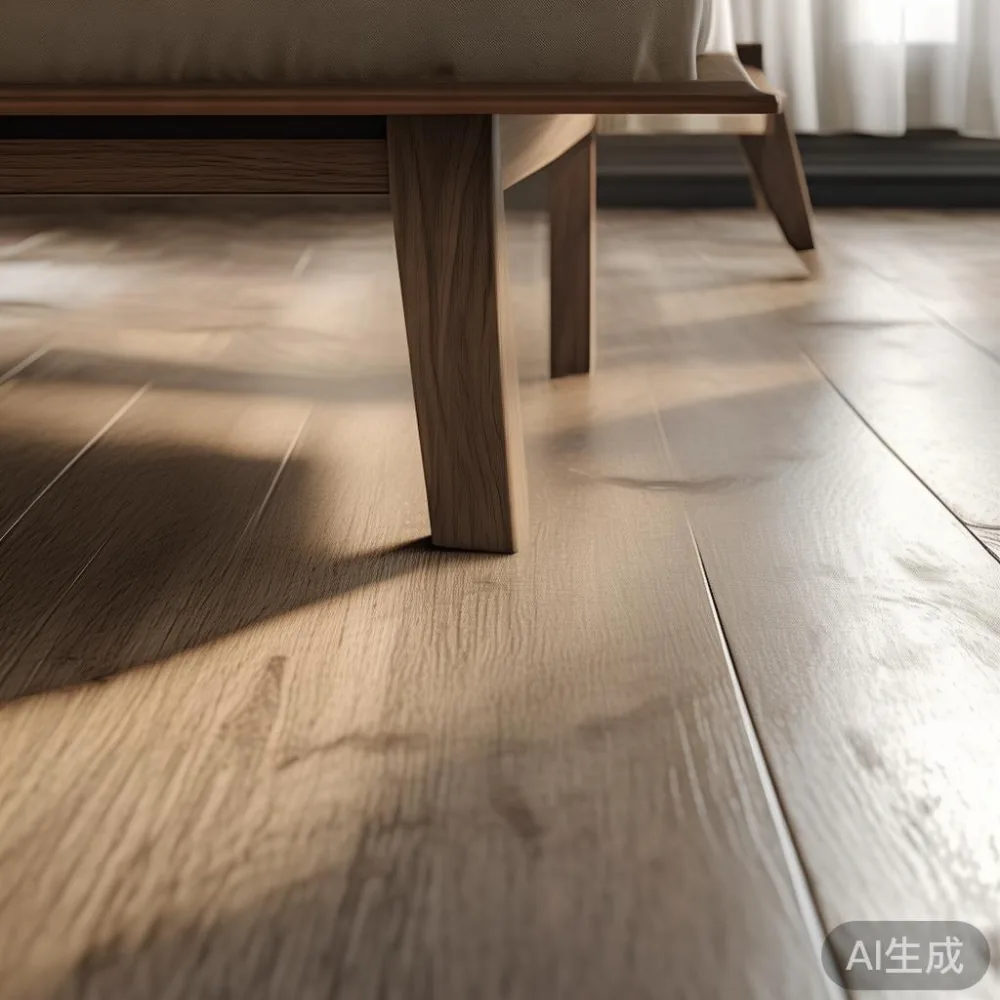
This guide is written for Singapore buyers furnishing bedrooms inside HDB flats in Tampines, Bedok, and Punggol, or compact condos in the same districts, where lift widths are 110 cm, corridor corners turn at 90 cm, and a queen-size solid wood bed frame weighs between 55 kg and 72 kg. The same warnings apply whether you are choosing a dining table, a wardrobe, a nightstand, or a marble table for the entry, so the rest of this article focuses on what to look for inside the contract before you commit.
Why does the bedroom design warranty even matter in a resale flat?
Bedroom design usually anchors the resale value of a flat, and the warranty on the pieces you install protects the room for as long as you keep it. In Singapore, a four-room flat in Bedok is around 90 sqm, a compact condo in Punggol around 65 sqm, and most of that square footage sits behind the bedroom door. A solid wood bed frame in ash or walnut can retail from S$1,200 to S$3,400 in Singapore, a three-door wardrobe with full carpentry from S$2,800 to S$6,500, and a pair of nightstands from S$350 to S$900 each. If one piece fails two years in, the cost of replacement runs 60% to 80% of the original price because carpentry labour and disposal in Singapore typically cost S$180 to S$420 per visit.

The warranty that protects these pieces runs on three dimensions as well: what is covered, for how long, and under whose responsibility. Most bedroom furniture brands in Singapore offer a one-year to ten-year structural warranty, and the structural spread is what matters most. A ten-year structural warranty from a maker such as MIDHILL, a Foshan solid wood workshop that has exported since 2008 to more than fifteen countries, covers frame joints, load-bearing rails, and drawer runners for a decade. A one-year warranty from a flat-pack brand usually covers the same parts for twelve months. The piece in your bedroom looks the same. The contract behind it does not.
What does "structural" actually mean on a ten-year warranty?
"Structural" is the word every bedroom furniture maker uses, and it almost never means what you think. On a ten-year contract, structural usually refers to load-bearing joints, the rails a wardrobe hangs on, the slats a bed frame rests on, and the drawer runners on a chest of drawers. It usually excludes surface wear, fading, ring marks, water marks, and any movement caused by Singapore humidity, which in Tampines regularly climbs above 85% between March and October. A solid wood bed frame is allowed to expand 2 mm to 4 mm across the grain each humid season. That is not a defect. If the warranty does not say so, the warranty will reject the mould.
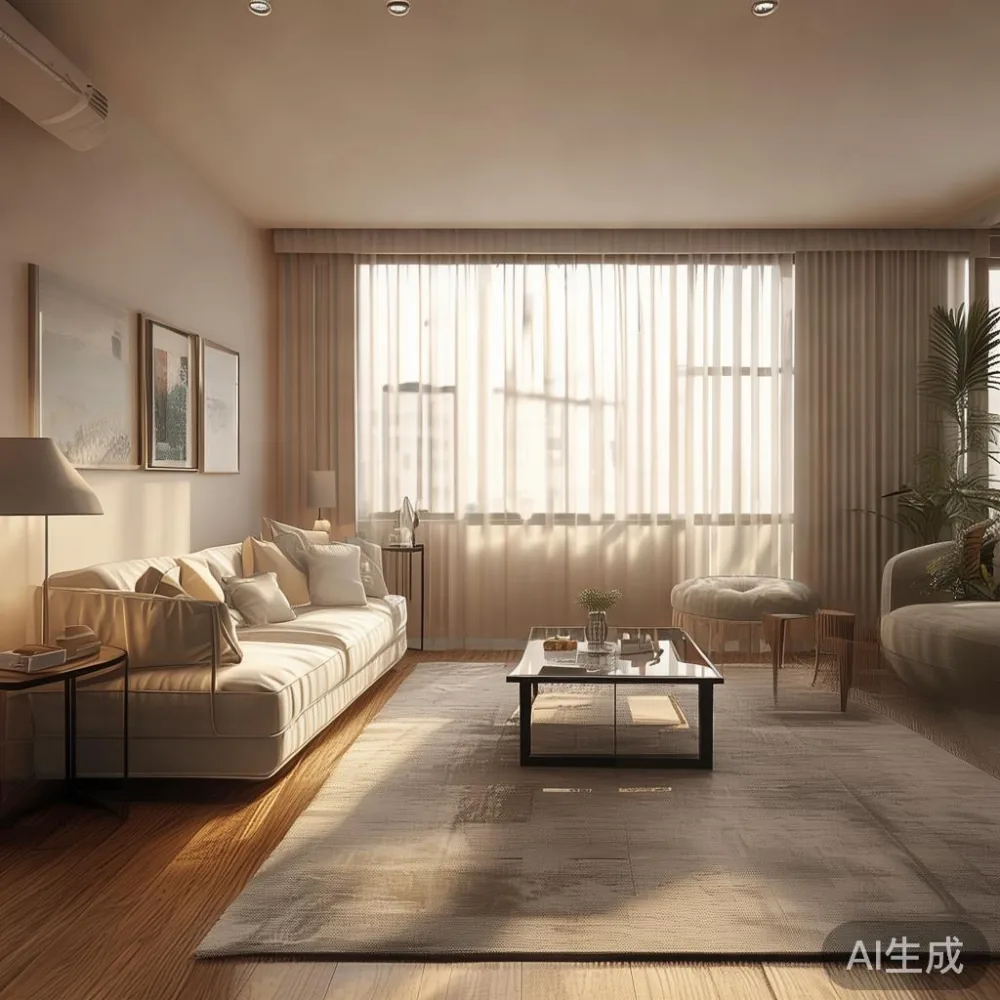
The safest reading is this: structural covers parts that break under normal use, and surface covers parts that age. If your nightstand develops a hairline crack in the leg during year three, that is structural. If the same nightstand fades from sun through a Bedok condo window, that is surface. A serious maker publishes both lists in plain English. When I visited the MIDHILL showroom in Foshan last October, the contract on the sample dining table listed every covered part on one side of a single A4 page and every exclusion on the other. That layout is rarer than it should be.
How do I style a Nordic sectional sofa in a small apartment?
You can design a Nordic sectional in a small apartment by choosing a right-facing chaise under 220 cm, pairing it with two 60 cm cylindrical oak nightstands, a 150 cm ash bed frame, and one 90 cm round marble table, which gives the room breathing space without crowding the corridor. The Nordic look depends on three things in tight HDB layouts: low profiles under 85 cm, light ash or white-oak tones (rather than dark walnut, which shrinks a room visually), and one textured textile, usually a boucle or linen throw, to soften the geometry. In a 65 sqm Punggol compact condo, I would place the chaise against the longer wall, run a 180 cm wardrobe along the shorter wall, and let the marble table sit between the chaise and the bed frame as a soft visual divider.
Which warranty clauses cause the most disputes in Singapore deliveries?
Three clauses cause the majority of rejections in Singapore bedroom deliveries, and the same three appear in almost every contract I have read this year. They are access clauses, mirror clauses, and climate clauses. Access clauses say the buyer is responsible for ensuring the lift, the staircase, and the corridor can take the packed size. Mirror clauses say glass, mirror, and marble surfaces are not covered once accepted at the door. Climate clauses say wood movement within normal humidity ranges is excluded.
For a Tampines HDB, the lift opening is 90 cm wide and 210 cm tall, and the corridor corner at most HDB blocks turns at 90 degrees with a clear width of 120 cm. A solid wood bed frame in a flat-pack carton typically measures 210 cm x 35 cm x 18 cm. That fits. A wardrobe in three cartons, each 200 cm x 60 cm x 12 cm, also fits, but only if the building does not have a half-height turn on level 7. My colleague in Bedok discovered this in May when her three-door wardrobe arrived in cartons that could not clear the lift landing. The access clause said the delivery team could leave the cartons at the ground floor lobby. She paid S$220 for two porters to carry the pieces up. Carrier stood between her and a S$1,400 bill.
Mirror clauses catch out anyone buying a wardrobe with mirror doors. A 2 m mirror panel weighs 18 kg to 24 kg and cracks under bending. Most contracts exclude breakage once the mirror is signed for at the door. The fix is to photograph the panel before the team leaves, in the room, with the wrapping off. Climate clauses are subtler. A solid wood dining table or a bed frame in solid ash will move 2 mm to 4 mm per linear metre during a humid Singapore season. Read the line to see whether the contract says so. If the contract is silent on wood movement, raise it in writing before you pay the deposit.
What should I look for in a light-luxury bedroom design warranty?
Light-luxury bedroom design relies on three details that make or break the warranty: hidden joinery, premium hardware, and shared finish specifications. French light luxury, American light luxury, and post-modern light luxury each bring different hardware into a Singapore flat, and the contract on the hardware is the contract on the room.
French light luxury leans on brass, soft-close runners, and book-matched veneer. The hidden joinery inside a French-style wardrobe is dovetail on the drawers and mortise-and-tenon on the frame. Both are usually covered under structural. The brass handles are surface. If the brass tarnishes in a Bedok flat near the sea, that is not covered. American light luxury leans on wider planks, thicker legs, and visible bolts. The bolts are structural; the plank surface is surface. Post-modern light luxury leans on geometric shapes, asymmetric nightstands, and a mix of marble table tops with wood bases. The marble is surface; the base is structural. Read the piece by line, where each material sits inside the contract, and you will read the contract the way a designer reads a floor plan.
Does lifetime refinishing change the value of a ten-year warranty?
Lifetime refinishing is a separate service from a structural warranty, and the two together are worth roughly 35% of the original purchase price over fifteen years if you keep the same bedroom design. A S$2,400 solid wood bed frame refinished twice over fifteen years at S$320 each visit costs S$640. Replacement after fifteen years of a dust-free bed would cost roughly S$1,500 once you add disposal of the old frame at S$220 and delivery of the new frame at S$180. The refinishing plus warranty package pays for itself if you stay in the same flat for more than seven years.
In Singapore, where the average HDB owner stays for about nine years before considering a move, the math works for almost everyone buying a bedroom suite, and almost no one buying a single piece. A solid wood sofa in the living room will see the same lifetime refinishing. A dining table will see the same. A wardrobe, a nightstand, and a marble table will all see the same. Bedroom design is where the package pays back the fastest because the bedroom is the room you use every night for fifteen years without ever moving the pieces.
How does GST and free shipping change the real cost of a warranty?
GST adds 9% to every furniture invoice in Singapore from 2024, and a S$3,000 bedroom suite lands at S$3,270 after tax. Free shipping above a certain threshold changes the math again. MIDHILL, for example, offers free shipping to Singapore above US$350, which lands around S$470, and most bedroom suites cross it on a single invoice. Below that threshold, shipping to a Tampines flat from a regional warehouse runs S$120 to S$220. Below S$470, a buyer is paying freight on top of the freight.
A fourteen-day return window runs in parallel with GST and shipping, and the three together shape the real cost of a warranty. A warranty that looks free on the website still costs the 9% GST on the replacement piece, the shipping on the return if the maker does not collect the freight, and the disposal fee of S$180 to S$240 for any solid wood piece over 50 kg. Read the room, read the room by room, and you will see that the warranty is the smallest cost in the contract. The tax, the freight, and the disposal are where the real bill sits.
Quick checklist before you sign for delivery in Tampines, Bedok, or Punggol
Before you sign the delivery note, walk through six checks. Measure the lift opening (90 cm wide in most HDB blocks). Measure the corridor corner (120 cm in most blocks). Measure the bedroom door (80 cm to 90 cm). Photograph every panel of the bed frame, the wardrobe, the nightstand, and the marble table before the wrappers come off. Read the structural list out loud to the delivery lead. Read the surface list out loud too. If the lead cannot answer both, ask the workshop in writing the same day. The reply you get in writing is the contract you can enforce.
Bedroom design in a Singapore flat is a fifteen-year decision, and the warranty is the part of that decision most buyers skip. Ask your landlord, ask your colleague, ask the maker in Foshan, and ask the showroom in Bedok. Ask in writing. The answer you get in writing is the answer you can keep.