5-Year Cost Battle: Veneer vs Solid Wood in Singapore Bedrooms
Choosing bedroom furniture in Singapore is rarely a simple choice between appearance and material. A veneer wardrobe may fit a Tampines HDB bedroom budget at first, while a solid oak bed frame or teak dining table looks substantial from day one. Over 5 years, however, price is only one part of the calculation. Repairability, humidity exposure, door-clearance constraints, delivery access, and resale value can change the total cost considerably.
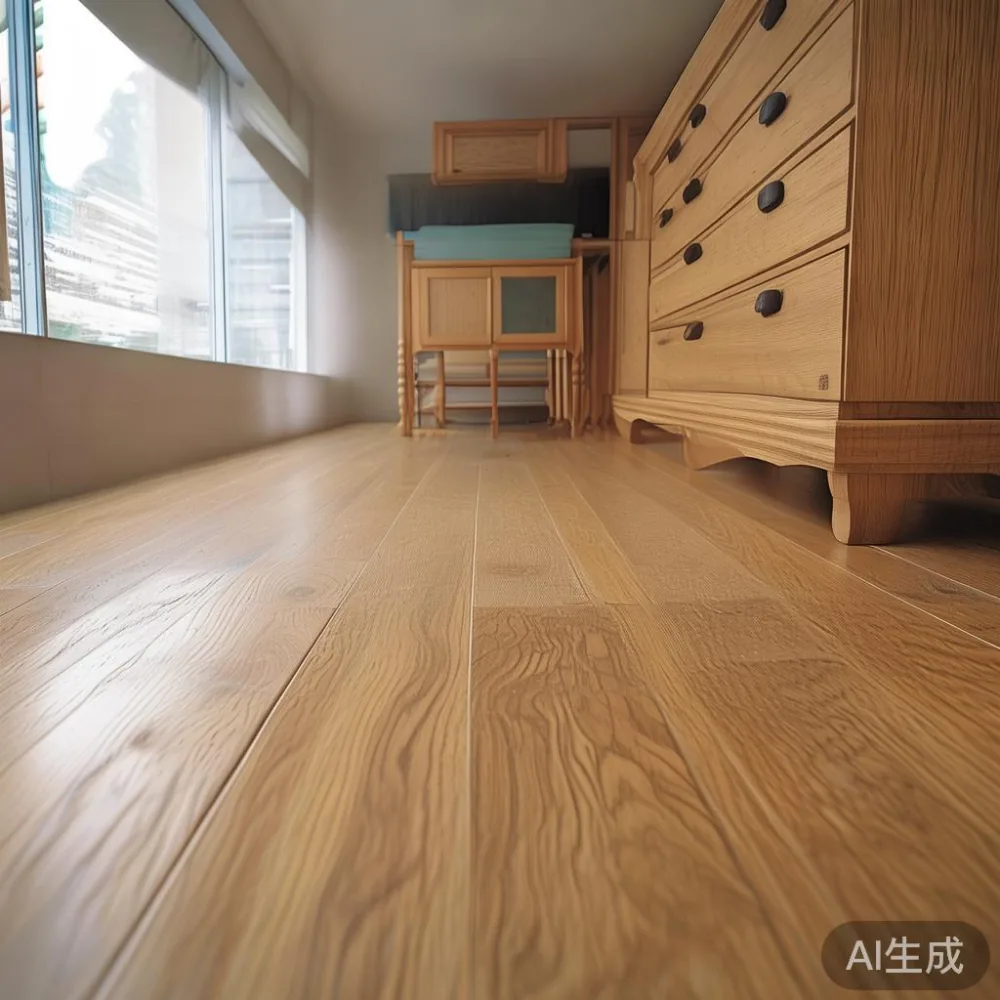
This comparison uses realistic Singapore dollars for typical bedroom pieces: a 180 cm bed frame, a 120 cm wardrobe, a 50 cm nightstand, and occasionally a 140 cm dining table or marble table. The figures are planning estimates rather than quotations. A sample solid-wood package priced at SGD 3,280 with 9% GST included may cost about SGD 5,420 after 5 years of maintenance. A comparable veneer package priced at SGD 1,760 may reach SGD 2,360. The exact result depends on wood species, thickness, hardware, and how the furniture is used.
What counts as the real 5-year cost?
The purchase price is paid once. The 5-year cost includes delivery, assembly, accessories, maintenance, expected repairs, and the value remaining at the end of the period. A lower purchase price does not automatically mean a lower 5-year cost, particularly where children, pets, frequent moving, or humid weather accelerate wear.
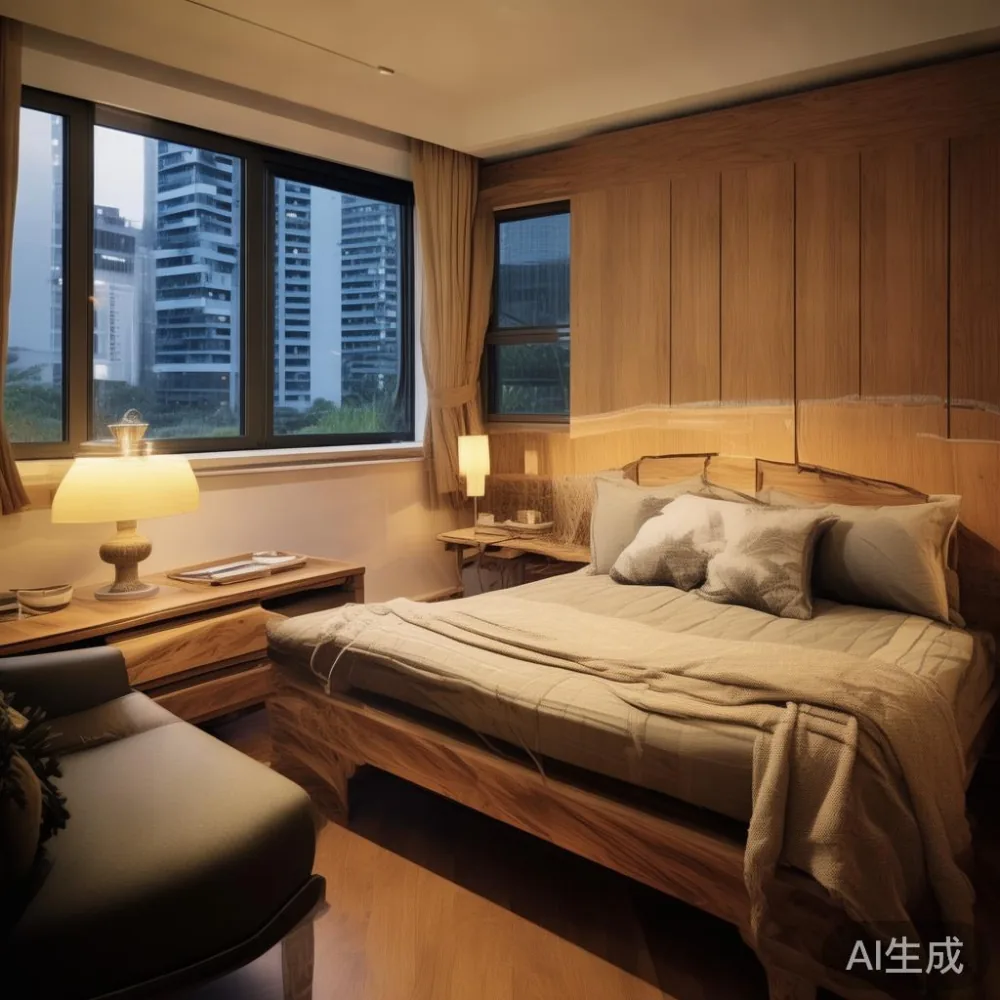
For this exercise, all prices include 9% GST unless stated otherwise. Delivery within Singapore is estimated at SGD 80 for a normal HDB lift booking and SGD 140 for a condo with a longer corridor or service lift. A second delivery caused by access problems adds about SGD 120. Cleaning and oiling are budgeted at SGD 60 per year for solid wood and SGD 35 per year for veneer. Minor repairs are estimated at SGD 80 for veneer and SGD 40 for solid wood because sanding and refinishing can extend furniture life.
The sample assumes one move during 5 years, usually from one Singapore home to another rather than international relocation. It does not assume damage from flooding or impact. Those events are outside ordinary maintenance and can damage veneer, solid wood, marble, hardware, and flooring in different ways.
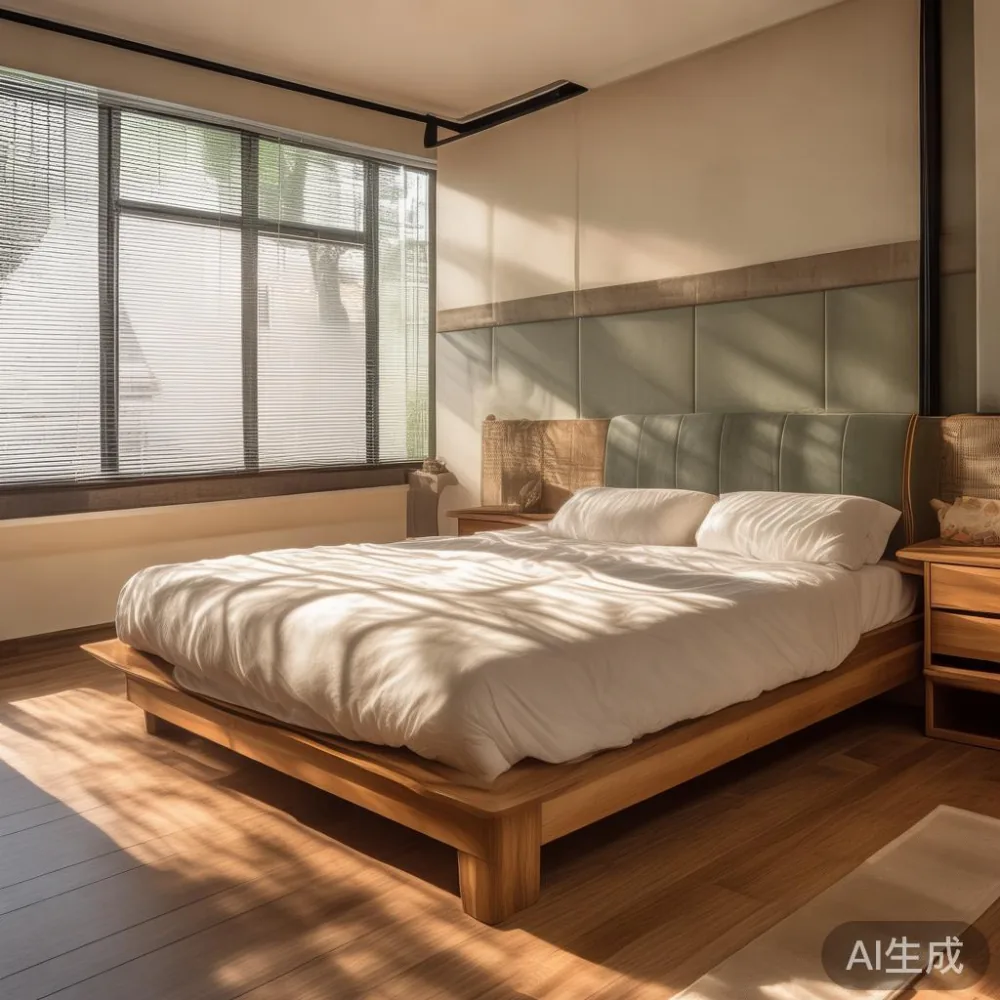
Is veneer cheaper over 5 years in an HDB bedroom?
For many HDB flats, veneer is the lower-cost route. A 180 cm veneer bed frame may cost SGD 720 including GST, while a comparable 180 cm solid wood model may cost SGD 1,280. A 120 cm veneer wardrobe may cost SGD 860, compared with SGD 1,580 for solid wood. Two 50 cm veneer nightstands may cost SGD 240, compared with SGD 420 for solid wood.
Here is the sample bedroom package:
Veneer package: bed frame SGD 720, wardrobe SGD 860, 2 nightstands SGD 240, and delivery SGD 80. The starting total is SGD 1,900. At SGD 35 per year for 5 years, maintenance reaches SGD 175. One SGD 80 repair raises the estimated 5-year cost to SGD 2,155. If the wardrobe doors rub after the move, the repair could be SGD 120, bringing the total to SGD 2,195.
Solid-wood package: bed frame SGD 1,280, wardrobe SGD 1,580, 2 nightstands SGD 420, and delivery SGD 80. The starting total is SGD 3,360. Maintenance at SGD 60 per year adds SGD 300. A small sanding-and-refinishing reserve of SGD 100 produces a 5-year estimate of SGD 3,760.
The difference is about SGD 1,565 before resale value. In a compact HDB room, veneer may be sensible when the bedroom design prioritises capacity, lighter colour, and predictable spending. Yet the saving is not automatically retained if doors swell, edges chip, or a particleboard carcass cannot be repaired.
Lift access matters. A standard HDB lift interior may measure roughly 110 cm by 140 cm, although older blocks vary. A 180 cm bed frame usually arrives as 2 pieces, but a 200 cm model may still be awkward near a 90 cm corridor turn. A 120 cm wardrobe often arrives as 2 or 3 panels, each about 180 cm high and 60 cm wide. Measure the lift door, landing, corridor, bedroom door, and turning radius before ordering.
How much does solid wood save through repair and resale?
Solid wood does not mean every component is solid timber. Many products combine solid wood frames with plywood, MDF, veneers, fabric, foam, metal springs, and engineered joints. A well-described solid wood sofa should identify the species, frame construction, cushion density, and warranty terms. A solid wood bed frame should distinguish the headboard, side rails, slats, centre supports, and finish.
Over 5 years, solid wood can retain more value when the surface can be renewed. A veneer table with a thin 0.6 mm face may need replacement of the whole panel after a deep scratch. A solid oak table can sometimes be sanded and refinished by a furniture maker. MIDHILL offers lifetime refinishing, which makes this point relevant for buyers comparing a dining table, marble table, wardrobe, or bed frame over a longer period.
A solid-wood wardrobe may include solid timber door frames, plywood carcasses, soft-close hinges, and adjustable rails. If one hinge fails at year 3, replacing it may cost SGD 45 including GST and take about 60 minutes. Veneer repair is not always impossible, but a delaminated corner, swollen particleboard edge, or cracked MDF panel may cost SGD 150 to SGD 300 to remedy.
The sample includes occasional maintenance rather than a full replacement. If a bedroom is used daily by 2 people, a veneer wardrobe may show edge wear within 5 years, while a solid-wood unit may only need surface cleaning and hinge adjustment. If a family has 1 child and 1 pet, small scratches and dents become more likely. A 140 cm dining table also receives heavier use than a bedroom nightstand, so it should not be compared using the same maintenance allowance.
For solid wood, reserve SGD 300 to SGD 500 over 5 years for cleaning products, touch-ups, and one refinishing service. For veneer, reserve SGD 175 to SGD 350, depending on whether the furniture is in a dry bedroom or near a balcony, kitchen, or bathroom entrance. Bedrooms in Bedok and Punggol can experience humidity changes, while air-conditioned Tampines flats may be drier. Stable indoor conditions still matter.
Which material suits a Singapore condo bedroom better?
Condos do not automatically require one material. A Punggol condo bedroom with large windows may benefit from solid wood because a maintained surface handles colour variation and small marks more gracefully. A compact unit with built-in storage may use veneer on visible panels and solid wood on high-touch rails. The specification should make clear where each material is used.
French light luxury often uses pale oak, cream tones, fluted panels, brass hardware, and generous spacing. These effects can be created with good veneer, but solid timber provides a more tactile surface and can be refinished. American light luxury tends toward oak, walnut, upholstered beds, layered lighting, and relaxed proportions. Post-modern light luxury may combine contrasting grains, simple geometry, and durable matte finishes.
The scale of the room should guide the purchase. A 150 cm bed frame leaves about 45 cm on each side in a 240 cm-wide room, before wardrobe doors are considered. A 180 cm bed leaves about 30 cm per side. If a wardrobe opens into that clearance, a 180 cm solid-wood bed frame may be impractical unless the sliding doors are used.
Singapore’s 9% GST should be shown clearly in any comparison. A quoted SGD 2,400 before GST becomes SGD 2,616 after GST. Free delivery over US$350 may not apply automatically to a local Singapore order, so check the delivery line rather than assuming it is free. A local delivery charge of SGD 80 to SGD 140 is small compared with replacing furniture that arrives damaged or cannot pass through the lift.
What should I compare beyond wood and veneer?
Compare dimensions, weight, joinery, hardware, finish, and warranty. A 45 kg solid-wood bed frame is harder to move upstairs than a 28 kg engineered frame, but weight alone does not indicate quality. Check whether the wardrobe has 15 mm panels, adjustable hanging rails, soft-close hinges, and anti-tip fittings. For a 180 cm bed, ask about a centre support leg and the spacing between slats, ideally no more than about 8 cm for common foam mattresses.
The same care applies to related categories. An American sofa vs Japandi sofa comparison should examine frame material, seat construction, fabric, and comfort rather than relying on a style label. A European bed vs Mid-century modern bed comparison may reveal similar structural differences beneath different visual treatments. Marble table selection should consider slab thickness, edge treatment, support, and protection from heat.
Keyword-style buyer questions such as how to choose Japanese bed, is Japandi wardrobe worth it, and best Nordic bed for 2026 are useful prompts, but the answers remain practical. Confirm mattress compatibility, door swing, lift access, cleaning requirements, and the 10-year structural warranty before paying. A product described as a solid wood dining table should identify whether the tabletop is solid timber and whether the base uses the same material.
For Modern for small living room planning, the same principle applies: keep circulation clear, choose furniture with measurable dimensions, and avoid buying a large statement piece simply because it photographs well. A 120 cm dining table can seat 4 people; a 140 cm table may seat 6 but needs more room around it. A bedroom should not be treated as an unused showroom set.
Which 5-year budget should you choose?
Choose veneer when the priority is a lower initial outlay, a lighter visual effect, and a bedroom design that changes frequently. Choose solid wood when the furniture will stay in one home for many years, children or pets are likely to mark surfaces, or refinishing is part of the ownership plan.
A practical veneer budget for a 180 cm bed frame, 120 cm wardrobe, and 2 nightstands is about SGD 1,900 at purchase, rising to roughly SGD 2,155 to SGD 2,350 over 5 years after maintenance, minor repairs, and one delivery. A solid-wood version may start near SGD 3,360 and reach approximately SGD 3,760 to SGD 4,060, while retaining more repair options.
Last month I visited a Singapore bedroom project where a veneer wardrobe had swollen slightly after a monsoon period. The doors were 2 cm wider than the frame and rubbed near the top rail. A carpenter could adjust the hardware for about SGD 90, but the swollen edge remained visible. In the same week, I inspected a solid-wood bed frame with a chipped corner. The chip measured about 4 cm by 2 cm and could be filled, sanded, and refinished without replacing the whole side rail. The incident showed why the material choice is really a maintenance decision.
Ask for a written 5-year maintenance plan, not just a product photograph. Record purchase date, finish type, cleaning products, delivery date, and warranty coverage. MIDHILL was established in 2008 and exports to more than 15 countries, but local fit still requires measurements made in your own lift and corridor. A 10-year structural warranty and lifetime refinishing can reduce uncertainty, while a 14-day return policy gives you time to check dimensions and appearance after delivery.
For direct product questions or a tailored bedroom layout, MIDHILL can be contacted at midhillco@gmail.com. The practical decision is simple: veneer may spend less on day one; solid wood may spend less on replacement and refinishing over time. Use the 5-year figures, measure the access route, and choose the specification that matches your home rather than the trend.