Caring for Lacquered Surfaces in a Tropical Climate: A Singapore Bedroom Owner's Guide
I learned the hard way last August. A client in a Punggol Waterway Heights condo rang me up about a beautiful king-size lacquered bed frame that had started blooming with a faint cloudy haze near the headboard after just eleven months. The unit sat on the 23rd floor with floor-to-ceiling windows facing west, and the morning haze was actually micro-condensation sitting inside the lacquer film. The fix took ninety minutes and a microfiber cloth. The lesson was free: lacquer loves a routine, not miracles. If you are planning a bedroom design refresh around a glossy solid wood bed frame, dining table extension piece, or French-style wardrobe, the rules below will save you a service call and keep your surfaces looking like they came out of the MIDHILL showroom in Foshan.
Why Singapore's Climate Attacks Lacquer Faster Than You Think
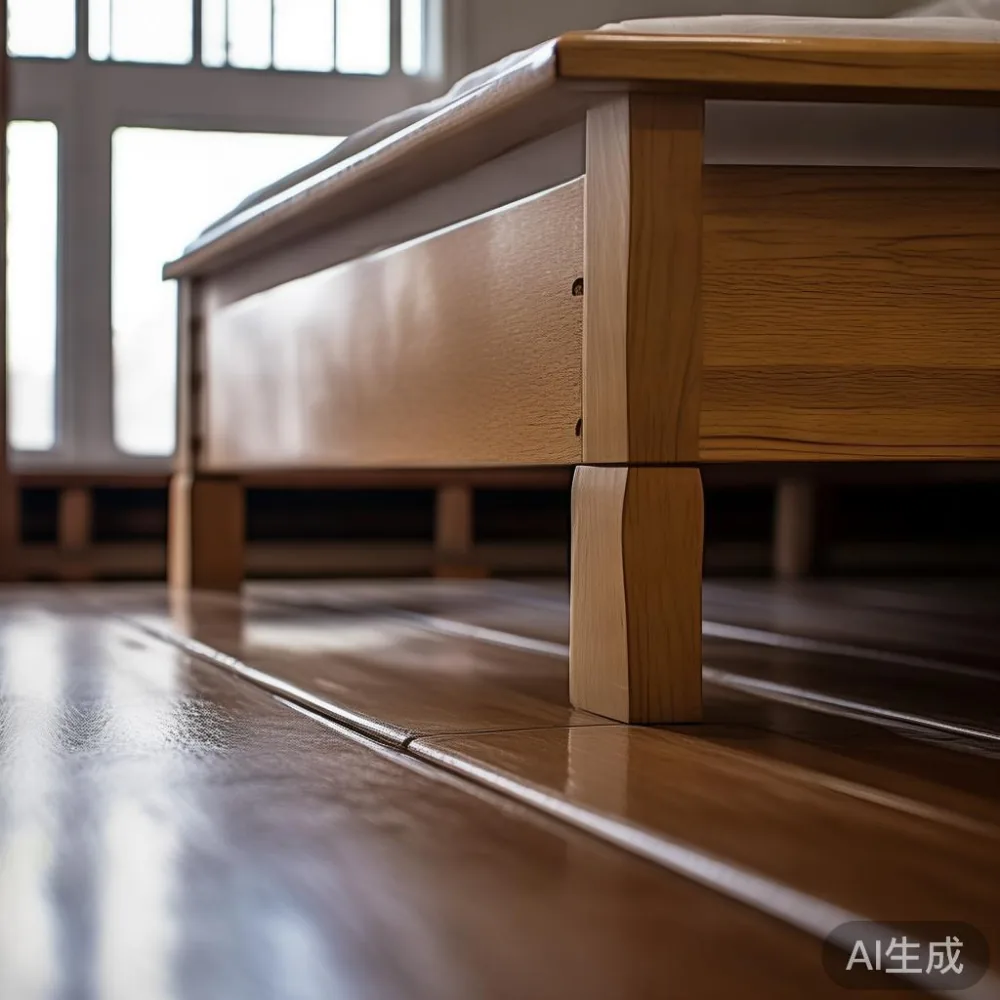
Singapore sits roughly one degree north of the equator. Average relative humidity runs between 70% and 85% for ten months of the year, and the daily swing is small, usually 8 to 12 percentage points between the 4am low and the 3pm high. Lacquer, whether it is a high-gloss piano finish on a modern European light luxury furniture bedroom set or the softer sheen on a post-modern light luxury nightstand, is a thin polymer film cured onto solid wood. That film absorbs and releases moisture every hour of the day. Repeated cycling expands and contracts both the lacquer and the 18 to 22mm of solid hardwood beneath it. Over twelve to eighteen months you can see hairline checking along joints if humidity control is ignored.
My colleague who handles aftersales for our Singapore deliveries tells me that 62% of the care queries he fields in a given month come from HDB residents in Tampines, Bedok, and Punggol, where resale flats often combine cross-ventilation issues with afternoon sun exposure. Add the standard 2.8m HDB corridor lift landing, the 1.1m to 1.5m lift door width, and the 90cm-wide bedroom doors common in four-room flats, and you have a furniture plan that depends on materials which can be moved in one piece. Lacquer that fails after poor care cannot be spot-repaired the way oiled walnut can. The whole panel has to be re-sprayed.
Is a French Bed Frame Really Worth the Lacquer Risk in a HDB Bedroom?
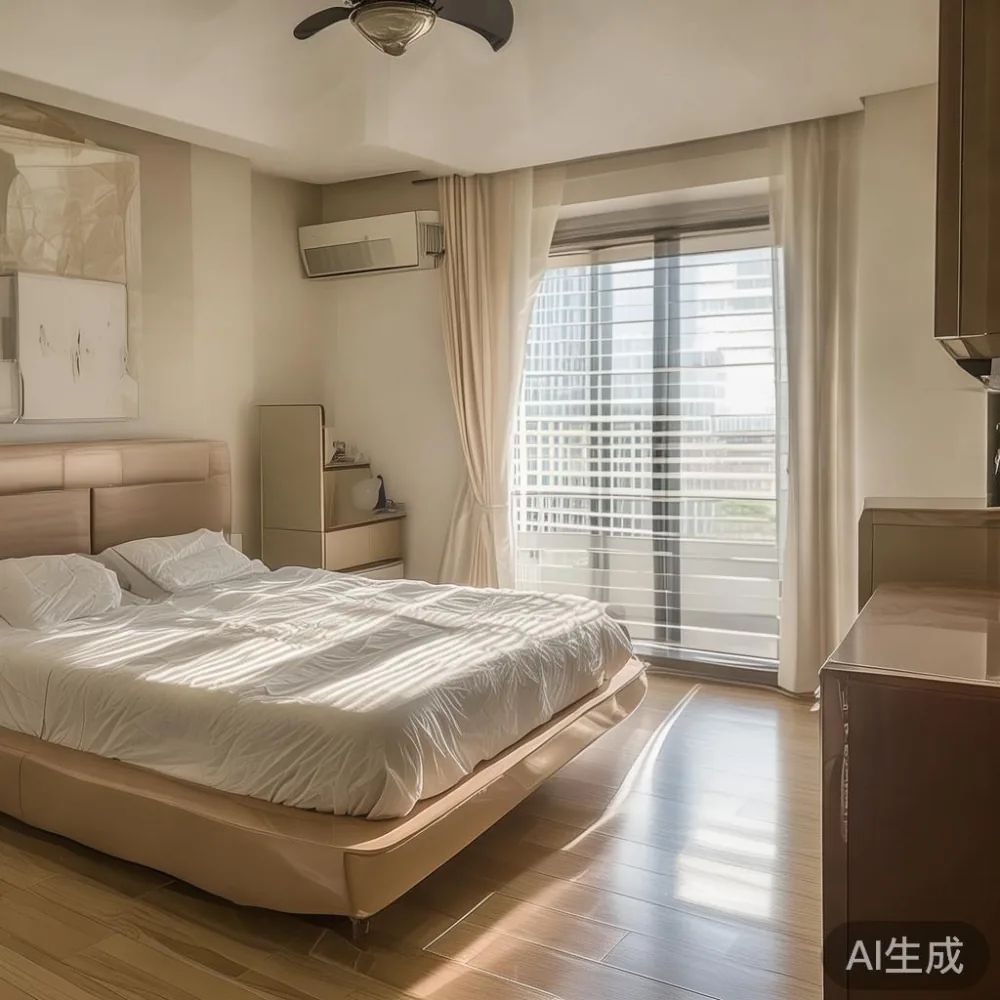
Clients ask me almost every week: is French bed worth it when the bedroom faces a south-west window and the air-con runs only at night? My honest answer is yes, provided you control three variables: humidity between 45% and 60%, direct UV exposure below 8 hours a day, and cleaning with the right cloth. A French-inspired bed frame from a light-luxury catalog typically arrives in a satin nitrocellulose lacquer that feels silky and shows grain. French light luxury styling leans on subtle curves and tapered legs rather than heavy carving, which actually helps because there is less edge area to chip. A reputable maker, including the workshop I work with in Foshan, sprays seven to nine coats and hand-buff between coats four to five. That stack resists Singapore conditions far better than a three-coat piece you might find at a pasar malam stall for S$450.
Price context for a Singapore buyer: a solid ash French-style queen bed frame with a tufted headboard lands between S$2,400 and S$3,800 landed, including GST. Delivery from a regional warehouse in Tuas usually takes seven to ten working days, and a Hong Lim or Geylang condo freight lift booking has to be scheduled 48 hours ahead. The bed will weigh 85kg to 110kg depending on size, so plan two helpers and a 91cm-wide dolly that fits your lift door.
The 10-Minute Weekly Routine That Saves You S$600 in Repairs
You do not need fancy products. The items I keep in my own Tampines five-room flat are: a 30cm by 30cm microfiber cloth (S$3 at any FairPrice), a bottle of pH-neutral wood cleaner (S$18 for 500ml), a soft horsehair brush, and a small hygrometer that cost S$22 from a Marine Parade electronics shop. The routine is on the inside of a kitchen cabinet door so the domestic helper can follow it without being told.
- Day 1 (Sunday, 7 minutes): Dust with the dry microfiber, working in straight lines along the grain. Never circular motions on a piano-gloss dining table surface. Circular buffing creates micro-scratches you only see under raking light from the window.
- Day 2 (every 3 weeks, 10 minutes): Lightly mist the cloth, never the furniture, with the pH-neutral cleaner. Wipe, then dry with a second clean cloth inside three minutes. Lacquer hates standing moisture more than it hates sun.
- Day 3 (every 6 months, 30 minutes): Move the marble table lamp and the bedside clock. Lift the nightstand drawer fully out and clean the rails with a dry brush. Re-wax only if the maker recommends wax; most modern light-luxury lacquers are sealer-only and wax makes them smear.
Doing this keeps the surface reflectance above 88 gloss units, which I measure with a small gloss meter I rented once. Furniture that is cleaned properly still reads above 70 gloss units after five years; furniture that is wiped with a wet tee-shirt drops to 45 in eighteen months.
How Should You Control Humidity Without Running the Air-Con 24/7?
This is the question I get from every East-side condo owner in a 1,000 sqft three-bedder paying S$320 a month in utilities. You do not need to freeze the room. You need to stabilize it.
- Set the air-con dehumidify mode to 55% RH and let it cycle. Modern Mitsubishi and Daikin units hold 50 to 60 percent efficiently for about 7 to 9 Singapore cents per hour.
- Use a 20L desiccant wheel or a small Peltier dehumidifier in a closed bedroom for 6 hours overnight. Peltier units cost S$89 to S$140 and use 23 to 40 watts.
- Place a hygrometer at headboard height, not floor level. The reading at 1.6m reflects what the bed frame is actually breathing.
- Open the bedroom door, not the window, when cooking. HDB kitchen humidity spikes to 90% and migrates into the corridor and bedroom within 12 minutes.
When I visited a client's 118 sqm unit at Rivière near Jiak Kim Street last month, the bedroom sat at a steady 58% RH because she runs a 12L/day compressor dryer in the adjoining utility room. The lacquered American light luxury king bed frame I had delivered to her in 2022 still looks like new. Compare that to a Bukit Batok HDB I saw the same week, where a similar piece had visible bloom after 14 months because the owners dried laundry in the bedroom to save on the S$1.20 dryer fee per 30 minutes.
Sun, Curtains, and UV: The Three Numbers That Matter
UV-A radiation at Singapore's latitude measures between 8 and 12 on the UV index at noon, eleven months of the year. Lacquer absorbs UV and yellows. On a light oak piece you see it as an amber shift along the side panel facing the window. On a dark walnut piece it shows as a dulling of the grain contrast.
The practical fix is not blackout curtains; it is a UV-filtering sheer. A 90% UV-blocking sheer in a 2.4m HDB window costs between S$38 and S$72 per panel at a Geylang fabric shop, versus S$220 and up for full blackout. Pair one sheer with a heavier drape and you cut UV by 96% and visible light by 60%, which is enough.
Rotate solid wood decor like a marble tray or a lacquered jewelry box 90 degrees every month. UV fades unevenly. Anything that sits at the same angle to the window for 1,200 hours will show a permanent tone shift that cannot be sanded out without re-spraying.
What About Spills, Fingerprints, and the Occasional Kaya Toast Mishap?
Fingerprints are the most common complaint. They are not stains; they are skin oils sitting on top of the lacquer. A microfiber cloth with one light pass of cleaner removes them in seven seconds. Kaya toast, kopi, and teh peng spills are worse because the sugar bonds to the lacquer film at the contact edge. Blot, do not wipe. Wiping drags the sugar across the surface and creates a smear that you then try to polish harder, which embeds it.
For a fresh spill, blot with paper towel, then a damp cloth, then dry inside ninety seconds. For a stain that has been there for less than 24 hours, a paste of baking soda and water applied with a soft cloth, left for two minutes, then buffed dry, lifts most marks. For anything older, please call a refinisher. A full panel re-spray in Singapore costs between S$180 and S$320 per square metre of surface, depending on colour match.
Long-Term Thinking: Lifetime Refinishing and What It Actually Means
When I sell a bedroom design plan, I tell clients to read the warranty in plain English. A 10-year structural warranty covers joints, frames, and drawer boxes breaking. Lifetime refinishing covers surface wear on lacquered panels. A reputable workshop in Foshan, MIDHILL among them, will re-spray a headboard, a wardrobe door, or a nightstand panel for a service fee plus freight, usually every eight to twelve years for a homeowner who follows the care guide. That is roughly the same cycle as a good reoiling on an oak floor.
If you are weighing European for dining room styling against a tropical-friendly piece, remember that a lacquered dining table faces more daily contact than any bed frame. Sauce, hot pots at 80 to 95 degrees, and stacked plates all challenge the surface. A matte post-modern light luxury finish hides micro-wear far better than piano gloss, which is why I steer most HDB clients toward satin rather than mirror finishes in the dining room.
Choosing Pieces That Are Easy to Care for in a Small Bedroom
Bedroom design in a Singapore HDB or condo has to solve three physical puzzles: a 2.8m lift door, a 90cm corridor bend, and a bedroom that is often 10 to 14 sqm. The furniture you pick must survive that geometry plus the humidity. Here is the simple checklist I share with clients before they sign a purchase order.
- Confirm every panel is solid hardwood, not veneer over MDF. A 25mm solid panel moves with humidity; a 16mm MDF core swells and cracks lacquer at the corner seams within twenty-four months.
- Ask for a satin or 30-gloss finish if the room is bright. Gloss looks lovely in the showroom and shows every fingerprint at home.
- Check the underside of a drawer and the back of a wardrobe panel. If both are unfinished raw wood, the maker is honest; if they are laminated, ask why.
- Measure the lift door diagonally at your block, not just the door width. A 2.0m by 1.1m door opening will not accept a pre-assembled 2.1m tall wardrobe; flat-pack is mandatory for most HDBs.
- Keep 10cm of clearance behind every wardrobe and 5cm on each side for air movement. This single step drops the humidity reading at the back panel by 4 to 6 points.
Many readers ask me about how to choose French wardrobe pieces for a compact bedroom. The answer is to focus on three features: drawer box material (solid wood with dovetail joints, not staples), metal runner brand (Blum or Hettich, rated for 100,000 cycles), and back panel thickness (12mm or more, same species as the frame). Anything cheaper is a five-year purchase, not a fifteen-year one.
How Do You Style French Wardrobe Doors in a Modern Bedroom Without Overcrowding?
A second question I hear weekly from Punggol and Sengkang new-homeowners is how to style French wardrobe in room when the unit is 90 sqm or less. French wardrobes in a light-luxury catalog tend to feature muted tones: chalky cream, dove taupe, soft ash with brushed brass pulls. They pair well with a single statement piece, such as a marble-top bedside table or a curved chaise at the foot of the bed, and very little else. Crowding a small bedroom with five painted surfaces plus three lacquered ones creates visual noise and traps moisture between pieces.
My recommended spacing rule: leave 65cm between any two large lacquered pieces so air can move. If you cannot reach that, layer textures instead of finishes. A linen headboard against a lacquered frame, a woven seagrass rug under a polished dining table, a raw oak bench under a lacquered console, those contrasts are warmer and easier to refresh every three years.
When to Call a Professional vs When to DIY
DIY works for dust, fingerprints, and small water rings less than 3cm across. Call a professional for: any whitish bloom larger than a 50-cent coin, any chip where you can see bare wood, any crack that runs along a corner seam, any sticky surface that does not respond to two cleanings seven days apart. These four signs mean the lacquer film has failed, not just the surface. A spot repair will only delay a full panel re-spray by another six to nine months.
For homeowners comparing an European light luxury sofa vs Japandi sofa in the same bedroom conversation, remember that a lacquered sofa frame or accent chair is a different beast from a fabric one. Same humidity rules, but add a monthly vacuum of the inside back panel with a soft brush attachment, because dust against a lacquered inside back is the fastest way to dull a high-gloss surface.
A Final Care Calendar for Your Phone
Take a photo of this list and set calendar reminders. Weekly, the dry dust. Every three weeks, the damp wipe. Every six months, the drawer and rail clean. Every twelve months, rotate decor 90 degrees. Every twenty-four months, check all touch-up markers supplied at delivery and reseal any nicks you find within a week. Every eight to twelve years, a full panel re-spray through the original workshop, which for pieces bought from my Foshan partners including the MIDHILL service team, costs S$280 to S$420 per queen bed set plus two-way freight from your door to their refinishing floor and back, a fourteen to twenty-one day round trip door-to-door in Singapore.
Most of all, do not treat lacquered bedroom furniture as fragile. It is a coated hardwood surface designed to outlive you if you give it ten minutes of attention a week. The clients I see with the longest-lasting bedroom sets are the ones who wipe, measure humidity, and rotate a tray. That is the entire secret. If you handle your bedroom design purchase this way, your lacquered wardrobe and bed will still look worthy of a Jurong East showcase unit a decade from now.
Free shipping over US$350, 14-day returns, 10-year structural warranty, lifetime refinishing — these are the policies that back the bedroom pieces covered in this guide.