Working through Humidity for a Stable Bedroom Design in Singapore
Living in Singapore presents a unique set of conditions for homeowners, especially for furnishing a bedroom. The high ambient humidity, a constant companion in our island nation, can significantly impact the integrity and appearance of wooden furniture. For residents in HDB flats in Tampines or Bedok, or condominiums in Punggol, understanding this relationship is key to maintaining a beautiful and functional bedroom design over the long term. This guide explores the science behind wood's reaction to moisture and provides practical advice for selecting and caring for solid wood furniture in a humid climate.
How Does Humidity Actually Affect Your Solid Wood Furniture?
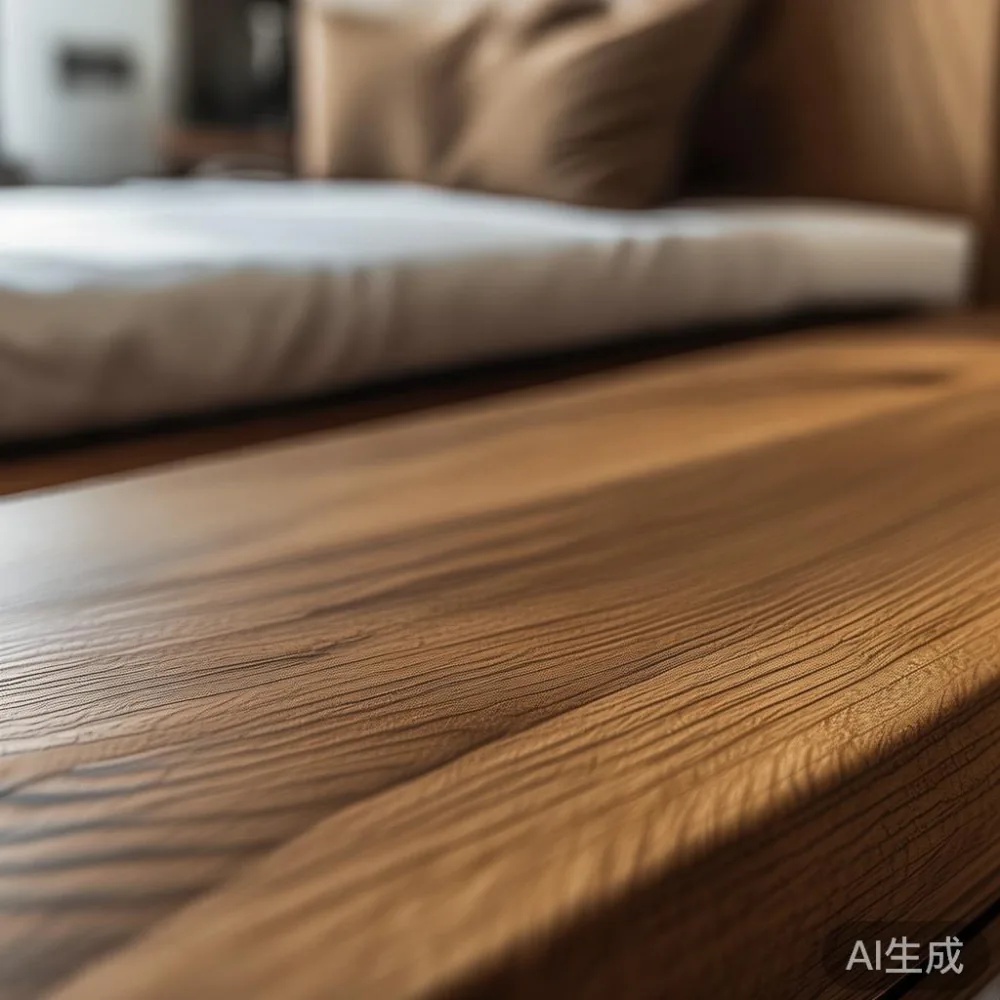
Wood is a hygroscopic material, which is a scientific way of saying it absorbs and releases moisture from the air. In Singapore, where the relative humidity often hovers between 70% and 90%, wood is in a constant state of absorbing moisture. This process causes the wood fibers to swell. Conversely, during a brief dry spell, the wood will release moisture and contract. This natural expansion and contraction are the primary reasons humidity affects furniture.
The most common signs of humidity stress on wood furniture are gaps and cracks. A solid wood bed frame, for instance, might develop small, hairline cracks across its surface or wider gaps between the panels of a wardrobe door. These are not necessarily signs of poor quality but rather the wood's natural movement. In extreme cases, poorly constructed furniture can warp, twist, or even have its joints loosen as the wood expands and puts pressure on the fasteners. For a bedroom design to be stable, the furniture must be built to accommodate this natural movement.
What Makes a Wardrobe or Bed Frame Suitable for Singapore's Climate?
Not all wood furniture is created equal, especially when facing Singapore's humidity. The key to a durable bedroom design lies in the choice of wood species, construction methods, and finishing techniques. When shopping for a wardrobe, bed frame, or nightstand, look for these specific characteristics:
Wood Species: Some woods are naturally more stable and less prone to expansion and contraction. Teak, for example, is renowned for its high oil content, which makes it highly resistant to moisture and decay. Mango and acacia are also excellent choices, known for their stability and beautiful grain patterns. Cheaper alternatives like particleboard or MDF (Medium-Density Fiberboard) are particularly vulnerable. They can swell, warp, and even disintegrate when exposed to high humidity, making them unsuitable for a long-term bedroom design in Singapore.
Construction: The way a piece of furniture is assembled is just as important as the wood itself. Look for furniture constructed using traditional joinery techniques like mortise and tenon or dovetail joints. These interlocking methods are stronger and more flexible than simple screws or nails, allowing the wood to move without compromising the structure. A well-made solid wood wardrobe will have panels that are allowed to float within the frame, preventing stress build-up. Furniture from established makers like MIDHILL often employs these methods, ensuring their pieces can withstand the local climate for years.
Finishing: A high-quality finish acts as a protective barrier, shielding the wood from direct moisture absorption. The best finishes penetrate deep into the wood grain and create a durable, water-resistant surface. Oils, varnishes, and lacquers are common options. A well-finished piece of furniture will feel smooth to the touch and have a consistent, lustrous appearance. This protective layer is a critical component of a resilient bedroom design.
My Experience: A Solid Wood Bed Frame in a Punggol Condo
Last month, my colleague Sarah moved into a new 2-bedroom condominium in Punggol. She had invested in a beautiful solid wood bed frame from a reputable brand. Within two weeks, she called me in a panic. A thin, half-centimeter-wide gap had appeared between the headboard and the side rails. She was convinced the furniture was defective and wanted to return it. I visited her apartment to inspect it. The bed frame was perfect; the wood was solid, the joinery was tight. The issue was the environment. Her new apartment, like many in Singapore, was brand new and the air conditioning had been running constantly, creating a micro-climate with lower humidity than the rest of the island. The wood, which had been in a more humid warehouse, was simply contracting to its natural state for the new environment. I reassured her that this was normal behavior for solid wood and that the gap would likely close slightly when the humidity levels rose again. It was a valuable lesson in how even a stable material like wood needs time to acclimate to its new home.
Can I Find the Best Modern Wardrobe for 2026 That Handles Humidity Well?
Absolutely. The search for the best modern wardrobe for 2026 that is also humidity-resistant is a smart approach to bedroom design. Modern design principles often favor clean lines, minimalist hardware, and a focus on natural materials, which aligns perfectly with the use of high-quality, stable solid woods. When evaluating options, focus on the core principles mentioned earlier: the wood species, the construction, and the finish. A modern wardrobe crafted from teak or acacia, with a matte or satin lacquer finish, will offer the sleek aesthetic you desire while being exceptionally well-suited for Singapore's climate. The key is to look beyond the style and scrutinize the quality of the materials and craftsmanship. A well-made modern piece will not only look beautiful today but will continue to be a stable part of your bedroom design for decades to come, gracefully handling the seasonal changes in humidity.
Practical Care Tips for Your Bedroom Furniture in a Humid Climate
Even the highest quality solid wood furniture requires proper care to thrive in Singapore. Incorporating a few simple habits into your routine can significantly extend the life of your bedroom design and keep it looking its best.
Control the Micro-Climate: While you can't control the weather, you can manage the humidity levels inside your home. Using a dehumidifier in your bedroom, especially during the wetter months from November to January, can help stabilize the wood. A dehumidifier can reduce humidity to a more manageable 50-60%, which is much healthier for furniture. Running an air conditioner also helps, as it cools the air and its dehumidifying function removes moisture.
Placement is Key: Avoid placing your solid wood bed frame or wardrobe directly against an exterior wall, as these walls tend to be cooler and can attract condensation. Also, keep furniture away from direct sources of heat like air conditioning vents or direct sunlight, as rapid temperature fluctuations can stress the wood. Placing felt pads under the legs of your nightstand or wardrobe can also help prevent moisture from the floor from wicking up into the wood.
Regular Maintenance:
Cleaning your furniture regularly with a soft, dry cloth is important. For a deeper clean, use a slightly damp cloth followed immediately by a dry one. Never let water sit on the surface. To maintain the wood's natural oils and prevent it from drying out, apply a high-quality furniture oil or polish every 6 to 12 months. This simple step nourishes the wood and reinforces its protective layer, helping it to better resist the effects of humidity.
Where to Buy Sofa from MIDHILL and Other Quality Pieces in Singapore?
For those looking to furnish their entire home with humidity-resistant pieces, sourcing from a specialist is a prudent choice. When you are looking for a sofa or other items, it's wise to ask about the wood's origin and the finishing process. Reputable manufacturers, such as MIDHILL, have extensive experience exporting to various climates and build their furniture with this in mind. Their 10-year structural warranty is a strong indicator of confidence in their construction methods, which are designed to withstand the natural expansion and contraction of wood. You can explore their collection and find where to buy sofa from MIDHILL directly through their official online portal at api.midhill.co. This ensures you are getting authentic products designed for longevity.
Is Light Luxury Furniture a Viable Option for Singapore's Humidity?
The light luxury aesthetic, which can range from French elegance to American post-modern styles, focuses on high-quality materials, sophisticated design, and comfort. This style often incorporates solid wood, marble, and fine upholstery, making it a perfect fit for a discerning homeowner in Singapore. The key is to ensure that the wooden components are of a stable species and properly finished. A light luxury TV console, for instance, might feature a solid wood base with a marble or stone top. As long as the wood is sealed correctly, it will perform beautifully in our climate. Similarly, a light luxury for guest room setup, perhaps a sophisticated bed frame with elegant linen upholstery, relies on a solid wood frame for its structure and durability. The principles remain the same: choose quality materials and expert construction. A cheap Italian light luxury furniture piece might look stunning in a showroom, but if it's made from unstable wood or has a poor finish, it will quickly show signs of distress in a Singaporean home. Investing in well-made light luxury furniture means you get the style you love without the worry of humidity damage.
How to Choose a Japanese Sofa That Suits a Humid Bedroom?
The Japanese style of furniture is often celebrated for its simplicity, clean lines, and use of natural materials. When selecting a Japanese sofa for your bedroom design, the considerations for humidity are similar but with a focus on the specific materials used. Traditional Japanese sofas, or 'sofa' as they are known, might feature frames made from light, stable woods like hinoki cypress. When choosing one, ask the seller about the wood type and its resistance to moisture. A high-quality Japanese sofa will have a frame that allows for wood movement and a breathable fabric cover, which helps prevent moisture from being trapped against the wood. Avoid sofas with non-breathable synthetic covers or frames made from composite materials. The focus should always be on natural, solid construction. A well-chosen Japanese sofa can be a serene and durable addition to a bedroom, perfectly aligned with a minimalist and nature-inspired bedroom design.