Veneer vs. Solid Wood: 5-Year Cost Breakdown for Singapore Bedrooms
Choosing a bed frame, wardrobe, nightstand, or dining table for a Singapore home is often framed as a debate between appearance and price. Over 5 years, however, the more useful comparison includes purchase cost, humidity exposure, repairs, finishing, delivery, and the probability of replacing each piece. Veneer can be a sensible choice for some rooms, while solid wood can suit others. The right answer depends on the unit, household, and level of care.
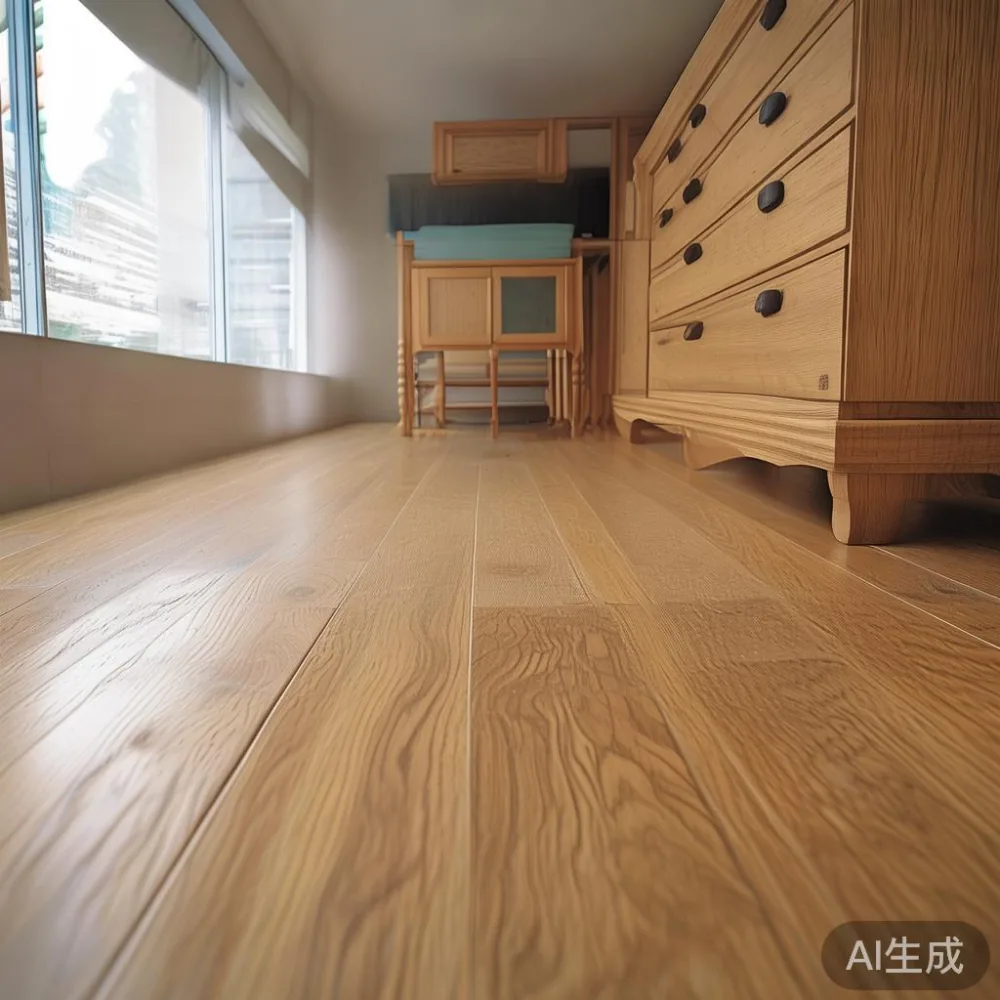
This comparison uses Singapore dollars and focuses on bedroom design, where moisture, air-conditioning, lift access, and compact storage make practical details especially relevant. Prices are illustrative rather than quotations; confirm current dimensions, finishes, and terms before ordering.
What does veneer cost compared with solid wood over 5 years?
For a typical Singapore bedroom, a veneered bed frame might cost SGD 850 at launch. A comparable solid wood bed frame might cost SGD 1,550. That apparent SGD 700 difference usually shrinks once the pieces are used, maintained, and eventually refinished or replaced.
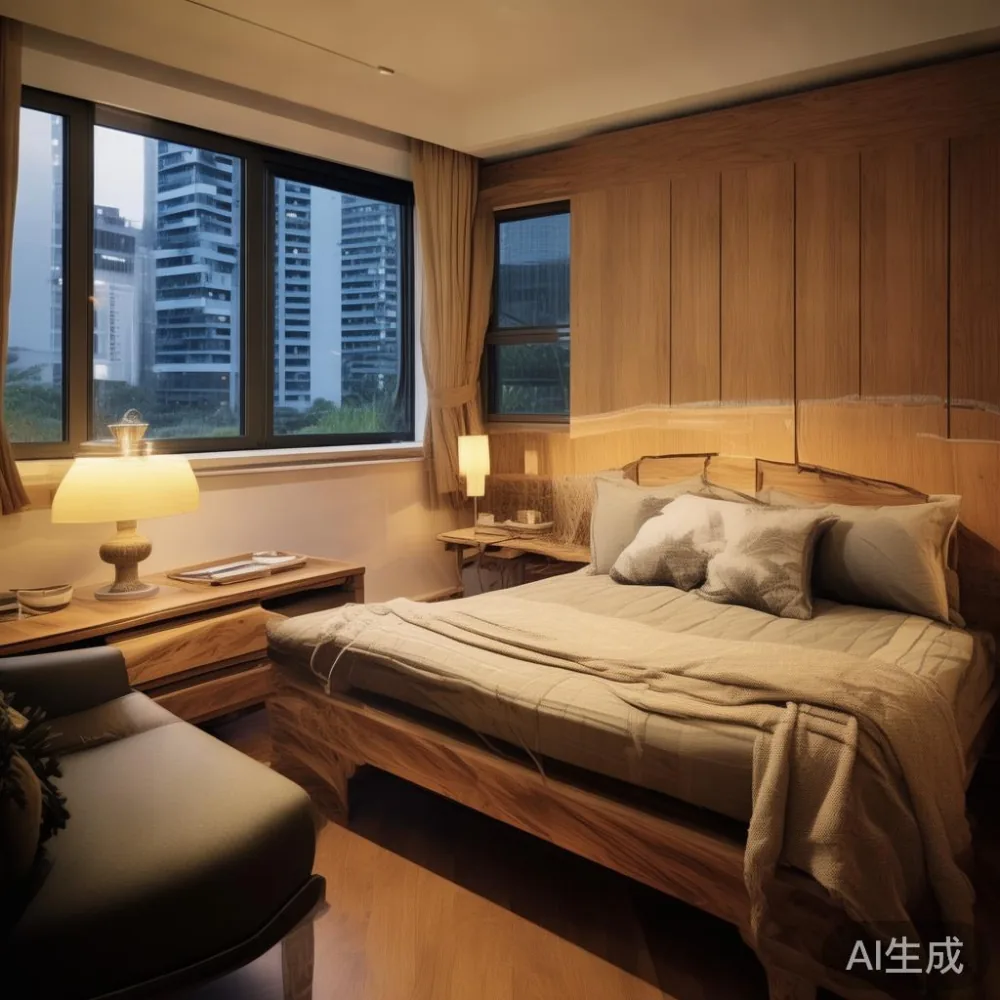
The following example assumes one queen-size bed frame, one two-door wardrobe, and two nightstands. A queen mattress measuring 152 cm by 190 cm is excluded because the focus is on the furniture frame. The wardrobe is 120 cm wide by 200 cm high and 58 cm deep, while each nightstand is 45 cm wide, 40 cm high, and 38 cm deep.
A realistic 5-year budget might look like this:
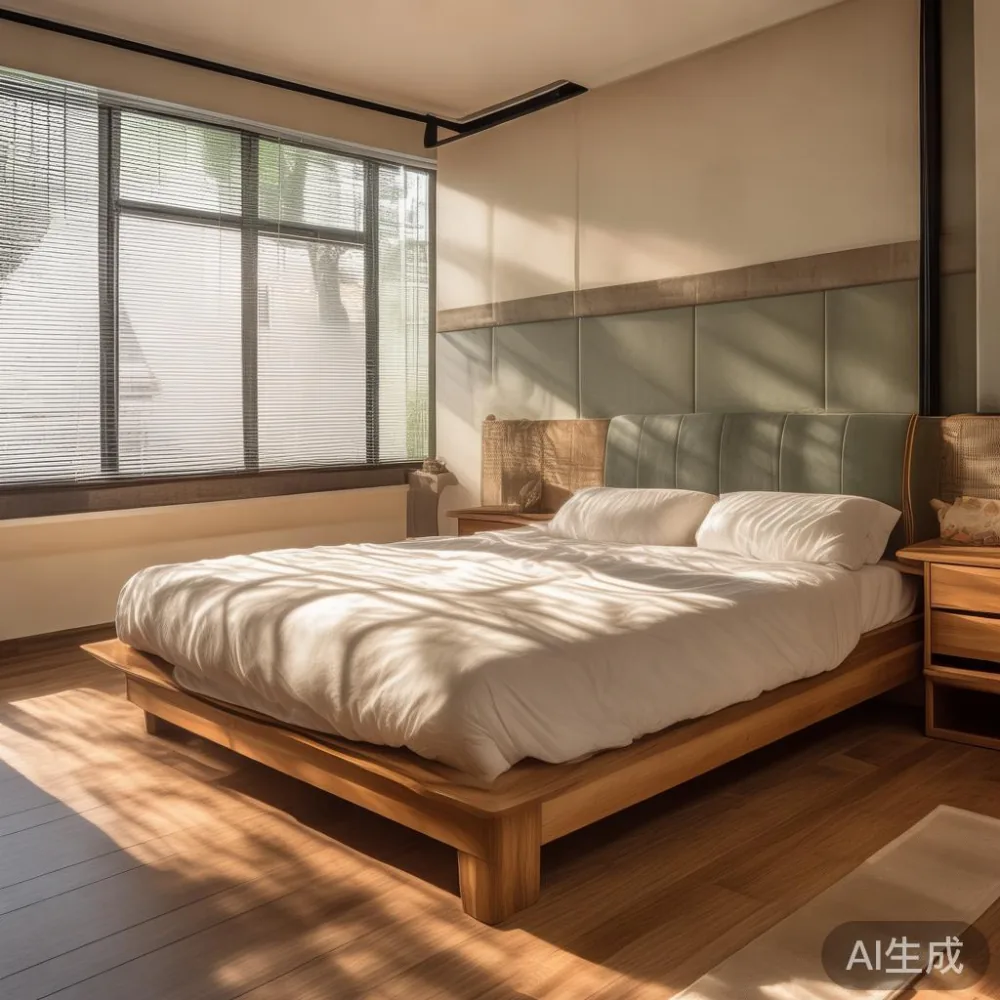
Veneer package: bed frame SGD 850, wardrobe SGD 1,250, and 2 nightstands at SGD 220 each, for an initial total of SGD 2,540. Add estimated delivery at SGD 70, GST at 9% where applicable, and a 5-year maintenance allowance of SGD 260. The total reaches approximately SGD 3,148.
Solid wood package: bed frame SGD 1,550, wardrobe SGD 2,450, and 2 nightstands at SGD 380 each, for an initial total of SGD 4,760. Add delivery at SGD 100, GST where applicable, and a 5-year maintenance allowance of SGD 340. The total reaches approximately SGD 5,680.
On paper, veneer is about SGD 2,532 less over 5 years in this sample. That does not make it automatically suitable. If a solid wood frame receives one professional refinishing in year 4 costing SGD 220, or a veneer panel delaminates and needs replacement costing SGD 650, the gap changes. Material choice is best assessed through likely maintenance events rather than a sticker price alone.
How does Singapore humidity affect veneer and solid wood?
Singapore’s humid climate makes movement control important. Relative humidity in an air-conditioned bedroom may remain around 55%, while corridor and balcony-adjacent spaces can experience 70% or more. Veneer is thin wood or another sheet material bonded to a core. It can remain dimensionally stable within that structure, but repeated moisture exposure may cause swelling, lifting, or edge separation if panels are unsealed or installed against a damp wall.
Solid wood moves more visibly as moisture changes. A 180 cm wide solid wood bed frame may expand or contract by several millimetres across a seasonal cycle. Proper kiln drying, stable joinery, and a finish that allows the surface to breathe are important. It should not be placed directly against a cool wall with a gap of less than 30 mm.
For HDB flats in Tampines and Bedok, air-conditioning usually makes indoor conditions manageable. In Punggol condos near open glazing or with west-facing windows, direct afternoon sun deserves more attention. Solid wood should not be described as moisture-proof; both materials require sensible placement, cleaning, and periodic inspection.
My colleague in the furniture workshop last month compared two untreated offcuts left overnight in a humid storeroom at approximately 28°C and 78% relative humidity. The oak offcut gained about 0.8% in mass, while the veneered panel changed by roughly 0.3% but showed slight swelling around its lower edge. This was only a 24-hour observation, not a long-term test, yet it illustrates why sealed edges and careful installation matter.
What maintenance costs should you budget over 60 months?
For veneer, the main risks are chipped laminate, swollen edges, loose veneer strips, and failed drawer runners. A small repair may cost SGD 60 to SGD 150, while replacing a wardrobe panel can cost SGD 450 to SGD 800. Synthetic veneer can sometimes be matched, but sunlight may have changed the original colour.
Solid wood can scratch, dent, fade, or develop small movement cracks. Cleaning, oiling, and waxing may cost SGD 25 to SGD 60 per product each year, or SGD 125 to SGD 300 across the package annually depending on the product count. Minor sanding and spot treatment may add SGD 80 to SGD 180 per event.
A planned 5-year allowance is therefore more informative than promising that either material will remain untouched. For the sample package, reserve about SGD 260 for veneer and SGD 340 for solid wood. If household pets, children, or frequent moving are involved, a higher figure is reasonable. Wiping spills immediately and keeping 40 cm of clearance around radiators or humid walls reduces avoidable work.
Solid wood may also be refinished rather than discarded. That can extend the useful life of a bed frame or nightstand, but a complete refinishing service may cost SGD 180 for a nightstand and SGD 420 for a queen bed frame. Refinishing cannot reliably repair structural defects, so joints, drawer bottoms, and veneer bonds still need inspection.
Which option is easier to deliver through a Singapore lift?
Delivery is where both cost and condition can be affected by the building. A flat-pack veneered wardrobe may have a compact carton measuring 125 cm by 65 cm by 18 cm. A solid wood wardrobe may arrive as sections weighing 45 to 65 kg each. The narrower carton may turn more easily through a lift, while solid wood sections can require more careful handling.
HDB and older condo lifts commonly have internal door widths around 80 to 90 cm, although building-specific dimensions must be checked. Doorways can measure only 78 to 82 cm wide. Corridors of 110 to 140 cm offer turning room, but corners and service lifts may reduce the usable route.
Before ordering, measure the lift door, lift car, corridor turns, bedroom doorway, and ceiling clearance. A 205 cm high wardrobe could be tilted into a room, yet the diagonal needed for the manoeuvre must be checked carefully. Provide delivery staff with the floor level and whether a service lift is available.
Local delivery may take 7 to 14 days after production for a made-to-order item, while stock pieces can be dispatched within 3 to 7 days. Delivery charges in the sample budget range from SGD 70 for veneer to SGD 100 for solid wood because heavier sections need more handling time.
Is solid wood worth the higher price for bedroom furniture?
Solid wood often makes sense when a piece will be repaired, refinished, and retained for many years. It also gives a bed frame or wardrobe a tactile quality that some homeowners value. The decision should include expected ownership, not simply the price difference.
Suppose the solid wood package costs SGD 4,760 and receives a SGD 620 refinishing service during year 4. Its 5-year maintenance-adjusted total becomes roughly SGD 5,680 plus refinishing depending on how the allowance is allocated. The veneer package may require no repair, keeping it near SGD 3,148. If the veneer wardrobe later loses one panel at SGD 650, its total becomes closer to SGD 3,798.
If both remain in use for another 3 years, the calculation changes. A retained solid wood bed frame could continue to develop character, while repaired veneer may also remain serviceable. The expected ownership period should be stated plainly: a bedroom used for 2 years and a room kept for 8 years are not the same project.
Solid wood is not automatically the environmentally preferable choice. Weight, timber species, forest certification, finishes, shipping distance, and service life all affect the footprint. Look for documented material information and responsible sourcing rather than assuming “wood” means a particular standard.
How should you style solid wood in a light-luxury bedroom?
Light-luxury bedrooms work well with restrained proportions, pale finishes, and visual balance. French light luxury often uses warm ivory walls, curved furniture, and delicate profiles. American light luxury tends toward clean lines, generous spacing, and tactile upholstery. Post-modern light luxury can pair simple geometry with one contrasting material, such as a timber bed frame beside a marble table.
For French light luxury, a rounded solid wood bed frame in natural oak could sit beside a compact marble table with a 90 cm diameter top. Keep the room’s main colour family to 3 colours, including one textile tone, so the wood grain remains legible rather than visually crowded.
For American light luxury, a rectilinear solid wood bed frame with minimal hardware can anchor a Singapore bedroom. A 160 cm wide frame needs at least 65 cm of clear space on each side where circulation requires it. Avoid crowding the corridor side with a nightstand deeper than 40 cm.
Wardrobe doors influence the room more than small accessories. Flat-front solid wood doors can make a 120 cm wide unit appear calm and broad. Shaker-style doors introduce detail but may project 2 to 4 cm beyond the carcass. If a Japanese wardrobe is wanted, a low 150 cm wide unit with a 45 cm depth can suit a guest room without overwhelming the walls.
When considering how to style Japanese wardrobe in room layouts, measure the sliding-door path and allow at least 75 cm of usable floor space in front of the unit. A slim 40 cm nightstand can complete the composition without narrowing the circulation route.
These design approaches also explain why searches such as for sale Modern light luxury furniture or for sale Vintage furniture often return very different materials. A vintage-looking nightstand may use veneer, while a modern solid wood bed frame may have restrained details. The listing style is not proof of construction, so ask for the core, veneer thickness, and finish information.
What should you ask before ordering a bed frame or wardrobe?
Ask for several specifications: dimensions in cm, product weight in kg, solid wood species, veneer substrate and face thickness, joinery method, drawer construction, finish type, and warranty coverage. A 10-year structural warranty can protect against defects in load-bearing parts, but finish wear and accidental damage may sit outside structural coverage.
For a bed frame, test stability when assembled. Central support should sit under the mattress, and visible gaps should be no more than about 3 mm. For a wardrobe, check the hanging rail, shelf loading information, door alignment, and floor clearance. Solid wood boards used for decorative surfaces may still appear alongside engineered components in a mixed construction, so the description should be precise.
Terms such as solid wood sofa, dining table, and marble table should not be used interchangeably. A marble table may provide a cool, reflective surface, while a solid wood dining table requires different moisture and heat precautions. Although a dining table sits outside the bedroom, the same finish questions apply to a marble table used as a bedside surface; use a protective mat for hot objects.
Search results for for sale Rustic furniture can be useful for finish references, yet rustic styling does not confirm solid timber. Likewise, an American bed vs Nordic bed comparison often focuses on shape, scale, and tone rather than construction. Ask for measurable details and samples instead of relying on a style label.
How can you build a practical 5-year bedroom budget?
Start with the room’s use. A child’s room may need replaceable storage, while a primary bedroom may benefit from furniture intended to age. For a 120 cm wide wardrobe, allow SGD 1,250 for veneer and SGD 2,450 for solid wood as broad planning figures. For a queen bed frame, compare SGD 850 with SGD 1,550. Two nightstands add approximately SGD 440 for veneer or SGD 760 for solid wood.
Then add 9% GST where it applies, delivery of SGD 70 to SGD 100, and a maintenance reserve of 5% to 10% of the furniture subtotal. Allow 7 to 14 days for production and delivery, plus 1 to 2 days for access coordination. Return arrangements, refinishing, and replacement parts can affect the final budget, so retain receipts and finish samples.
For a compact HDB bedroom, veneer can be a controlled way to obtain pale oak or walnut appearance without the weight and price of solid timber. It is particularly practical for wardrobes where the doors carry most of the visible grain. Solid wood is a stronger candidate for a frequently touched bed frame rail, nightstand drawer, or table edge that can be sanded and refinished.
MIDHILL’s range is relevant to this comparison because bedroom design decisions benefit from clear construction details, solid wood options, and service support such as a 10-year structural warranty and lifetime refinishing. These provisions do not erase maintenance costs; they make long-term ownership easier to plan.
For local shoppers comparing Japanese for guest room ideas with solid wood layouts, bring floor plans and measurements to the buying process. A room can feel more spacious with a 150 cm wide low wardrobe and a 160 cm bed frame, even if the furniture budget is slightly higher. Dimensional planning reduces the chance of a piece that looks attractive but cannot be manoeuvred through the lift or corridor.
The clearest decision is not veneer versus solid wood in every situation. It is cost per year, adjusted for expected care and retention. A lower purchase price may be sufficient for a short-term room, while a repairable solid wood piece may offer stronger long-term value if the household values refinishing. For either material, accurate measurements, careful moisture management, and a 5-year maintenance reserve produce the more dependable result.