5-Year Cost Comparison: Veneer vs Solid Wood for Singapore Bedroom Design
Choosing a bedroom set in Singapore often comes down to two tick boxes: purchase price and long-term durability. Veneer can deliver a polished timber appearance for less, while solid wood carries a higher upfront cost but may suit owners who plan to keep, repair and refinish their furniture over many years. The real decision should include delivery, GST, maintenance, replacement parts and the effect of humidity on HDB flats and private condos.
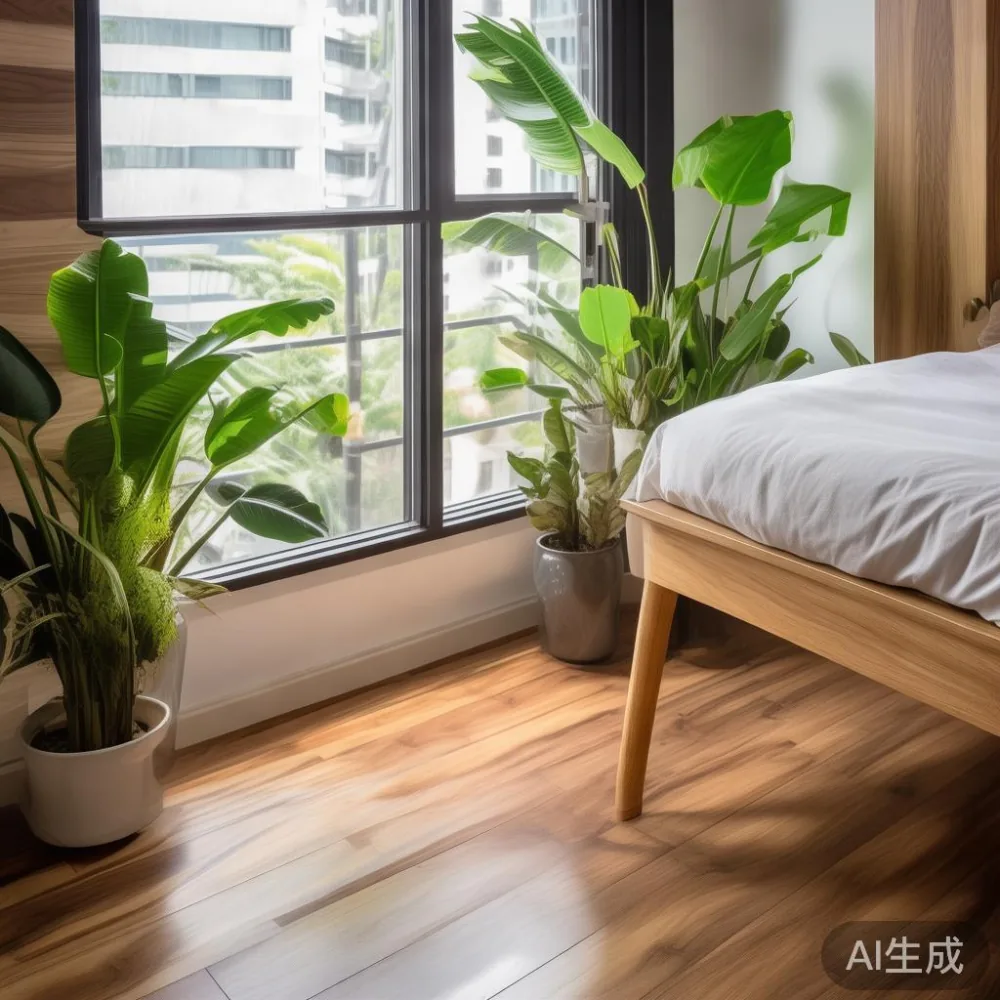
This comparison covers the main bedroom pieces: a bed frame, wardrobe and nightstand, with a solid wood sofa, dining table and marble table mentioned where finish choices affect the total cost. Figures are working estimates in SGD for a typical Singapore household and a 5-year ownership period.
What does veneer actually cost over 5 years?
Veneer is a thin layer of timber, commonly 0.3–0.6 cm thick, bonded to a engineered board or particleboard core. A 180 cm queen bed frame might cost SGD 620 with veneer and SGD 1,180 in solid wood. A modular wardrobe for a 240 cm wall opening might cost SGD 1,260 with veneer and SGD 2,240 in solid wood. A 50 cm bedside table might cost SGD 190 with veneer and SGD 360 in solid wood.
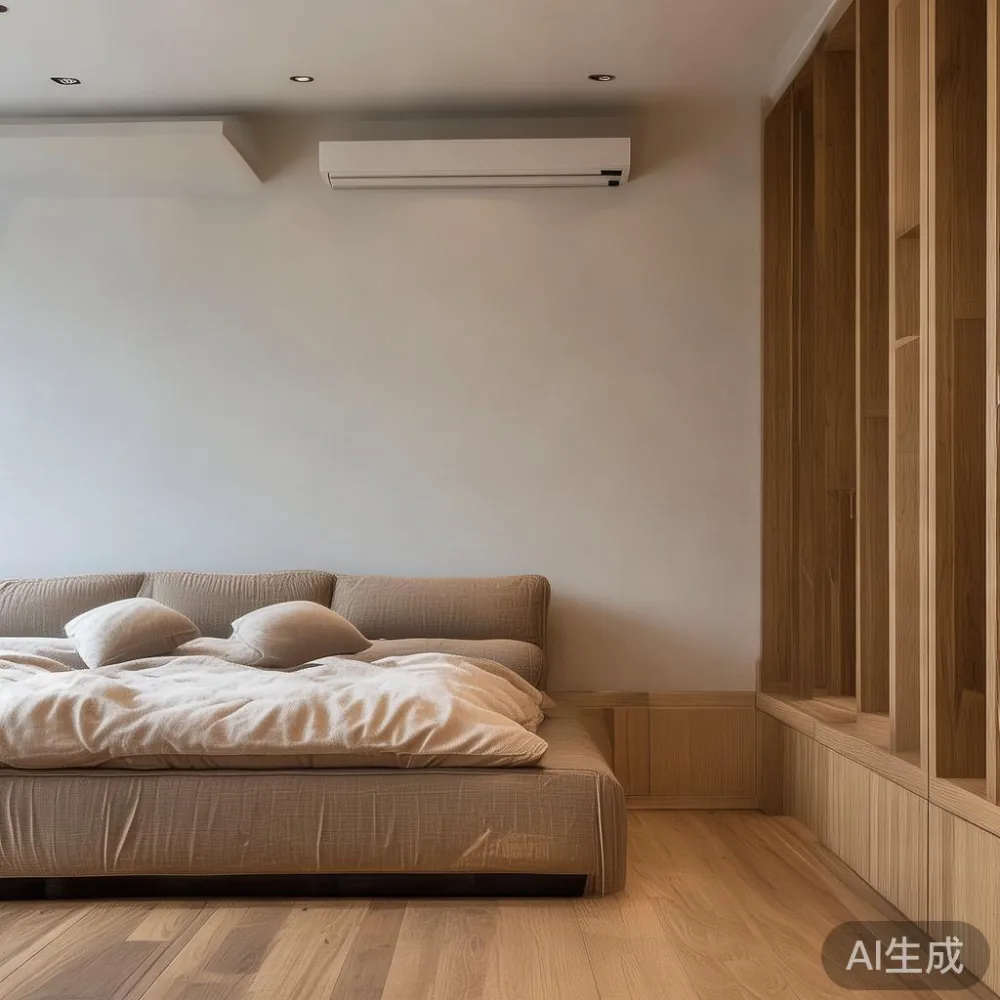
For one complete room, the illustrative totals are SGD 2,070 for veneer and SGD 3,780 for solid wood, before delivery and installation. At the current Singapore GST rate of 9%, the difference is SGD 154. Applying GST to furniture is easy to overlook when comparing online prices. Owners paying by card should also allow roughly 1.8–3% for merchant or card processing, depending on the payment method and provider terms.
Over 5 years, veneer furniture may need edge repair, board swelling or surface recoating. A realistic household allowance would be SGD 150–450 per room, depending on sunlight, air-conditioning use and the quality of the original board. Solid wood may still need minor tightening of joints, sanding and finish maintenance, but a maintenance allowance of SGD 80–250 is reasonable.
The calculation is straightforward: veneer at SGD 2,070, plus SGD 300 in maintenance, equals SGD 2,370 before transport and tax. Solid wood at SGD 3,780, plus SGD 150 in maintenance, equals SGD 3,930. Add 9% GST to each and the totals become approximately SGD 2,583 and SGD 4,284. This simple example explains why the lower ticket price does not automatically produce a lower 5-year cost.
How much do solid wood bedroom pieces cost in Singapore?
Solid wood is more expensive because more timber is used and the material must be cut, dried, shaped and finished. Species matters: rubberwood and pine are generally more affordable, while oak, walnut and ash sit higher. Exact pricing also changes with dimensions, joinery and finishes.
A queen-size solid wood bed frame in Singapore may range from SGD 880 to SGD 1,680. A 200 cm solid wood wardrobe may range from SGD 1,580 to SGD 2,980. A solid wood nightstand may range from SGD 240 to SGD 520. For the comparison above, the SGD 3,780 room total assumes mid-range construction rather than a premium specification.
Finish selection affects both price and care. A clear matte lacquer may add SGD 60–140 per major piece. An oiled finish may require more frequent maintenance but makes local scratches easier to blend. Veneer with melamine or paper edge banding is usually the least expensive route. High-pressure laminate can add resistance but may be harder to repair than exposed solid timber.
One real test took place last month when I visited a colleague’s three-room Bedok HDB flat and inspected a 6-year-old pine bed frame that had been moved twice. The frame had cost SGD 760 at purchase, and the mattress had been replaced once for SGD 650. The side rails still felt firm, while the laminated wardrobe in the same room had begun to delaminate along one 80 cm lower edge. The owner had patched it rather than replaced it because the moving cost would have exceeded SGD 280.
This is not a controlled laboratory trial, but it highlighted an important cost: replacement labour and disruption can matter more than a small finish difference. For a Tampines flat, a replacement wardrobe also means clearing a corridor or HDB common landing area and booking a mover. For a Punggol condo, the lift dimensions should be checked before a large package is ordered.
Is a veneer wardrobe cheaper after 5 years in an HDB flat?
Yes, a carefully specified veneer wardrobe can have the lower cash cost over 5 years. The answer changes if the unit is exposed to persistent dampness, frequently moved or expected to remain beyond the warranty period. Owners should also consider whether the design can accept a replacement door or drawer without replacing the entire carcass.
Typical HDB bedroom layouts favour a 180–200 cm bed with 50–60 cm bedside tables and a 240 cm wardrobe wall. A 200 cm solid wood wardrobe can weigh roughly 85–130 kg, while an equivalent veneer unit may weigh 55–85 kg. Solid timber is usually heavier because it has no large hollow engineered-board sections.
Lift access in older blocks can be restrictive. A common HDB lift opening might measure only 70–80 cm wide and 200–210 cm deep, so a 220 cm wardrobe package may not fit upright or on its side. Check the lift door, turning space and landing before purchase. MIDHILL can confirm packed dimensions and delivery arrangements before a Singapore order proceeds, which helps avoid return freight.
For example, a solid wood wardrobe split into two 120 cm carcasses at SGD 2,180 may be easier to move than one 240 cm unit at SGD 2,120. The apparent saving is only SGD 60, but the split design can reduce handling damage and the risk of blocking a 90 cm corridor.
What does delivery and installation add to the real cost?
Singapore delivery is not a minor line item. A curbside delivery within a central area may cost SGD 45–90, while carrying furniture upstairs may cost SGD 80–180 per major item. Installation adds another SGD 40–120. In a lift-equipped condo with generous corridors, the labour charge may be at the lower end; an older walk-up HDB block may cost more because of stairs and limited turning space.
Allow roughly 5–10 business days for made-to-order bedroom furniture, plus 2–4 business days for regional delivery after production. Stock items may arrive in 3–7 days. Peak periods around the year-end holidays and major home-renovation periods can add 5–10 days.
For the example room, estimated delivery and assembly are SGD 220 for veneer and SGD 300 for solid wood because the heavier pieces need more people and protective handling. That raises the 5-year totals to about SGD 2,868 for veneer and SGD 4,649 for solid wood. A basic cart and hand trolley may cost SGD 35–80, while a professional mover for a queen bed may charge SGD 120–220.
GST should be shown separately on invoices. A compliant seller records the taxable amount and GST in Singapore dollars, so buyers can compare the landed cost without guessing. Free shipping over US$350 may apply to qualifying international orders, but Singapore delivery, GST and doorstep service should still be checked in the quotation rather than assumed to be included.
Can solid wood be refinished, and what does that change?
Good solid wood furniture often has an economic advantage after 5 years because scratches and colour changes can be corrected. Small marks may be treated with a wax or touch-up product, while sanding and recoating may cost SGD 120–300 for a nightstand and SGD 280–600 for a bed frame. A complete wardrobe refinish can cost SGD 550–1,100 depending on access, handles and moving.
MIDHILL provides lifetime refinishing for qualifying pieces, with terms and scope confirmed in the sales record. This service can make solid wood more attractive for a bedroom expected to last 10–20 years. It also reduces the chance that a 6-year-old frame will be discarded simply because one corner was knocked.
By contrast, veneer cannot be restored like a full timber board when its thin face layer is cut through. A deep scratch may expose the core, and water can cause swelling or lifting around an edge. A cosmetic repair may cost SGD 60–180, while replacing a wardrobe front or bed rail can cost SGD 220–650.
The distinction becomes obvious in a sunlit Punggol bedroom. Keep curtains closed during the hottest afternoon hours and maintain room humidity near 45–65%. Solid wood can still move with seasonal humidity, but controlled indoor conditions slow finish deterioration. Veneer needs similar care; changing the wall unit is not a substitute for sensible placement.
Which finish suits a light-luxury bedroom?
Light luxury works best when materials, proportions and details feel composed rather than excessively ornate. American light luxury commonly pairs pale oak tones with upholstered textiles and metal accents. French light luxury may use warmer walnut shades, curved silhouettes and elegant hardware. Post-modern light luxury can combine clean lines with selective curves.
For a bedroom design in light luxury, a solid wood bed frame in natural oak or light walnut can work with a stonewashed wardrobe finish and 45 cm round nightstands. A marble table is better reserved for a dressing corner because marble adds approximately 18–25 kg per square metre and requires specialist handling. A solid wood dining table belongs in the dining zone, not beside the bed, although its finish should share the same colour family.
A solid wood sofa can provide a matching timber base outside the sleeping area, but the comparison should not turn into a whole-home shopping exercise. The bedroom remains the focus: the key surfaces are the bed frame, wardrobe, nightstand and their finishes.
For owners asking how to style light luxury bed in room, keep the palette to 3 main colours, use bedding with one matte and one textured fabric, and allow 60–75 cm of clear space beside a queen bed. For a smaller room, select a bed with a low-profile 25–30 cm headboard rather than a tall 110 cm panel.
When comparing options, shoppers may search for for sale Minimalist furniture or compare European sofa vs Japandi sofa while considering bedroom pieces in the same property. Searches for European sofa vs Italian light luxury sofa or light luxury for small living room concern adjacent seating choices, but the same finish logic applies: engineered veneer can suit a controlled budget, while solid wood offers more repair options.
Is solid wood worth the higher price for a bedroom?
Solid wood is worth considering when the furniture will be kept for at least 8–10 years, the household values repairability, and delivery access is suitable. Veneer can be sensible for a 3–5 year tenure, a rental room, or a tightly planned budget. Neither material decides comfort by itself; mattress support, drawer slides, hinges and assembly quality often affect daily use more than the carcass material.
A practical rule is to compare the cost of each useful year. In the example, a SGD 4,649 solid wood package used for 12 years averages about SGD 387 per year before operating costs. A SGD 2,868 veneer package used for 4 years averages about SGD 717 per year. These are not resale appraisals, but they show why a low purchase price can be misleading when furniture is replaced early.
Buyers should inspect the specifications. For veneer, look for a 0.6–1.5 cm face layer where the design allows it, sealed edges and solid-wood drawer fronts. For solid wood, check that the advertised material covers the visible rails, legs and panels, not only a small decorative strip. Ask for the complete dimensions, weight, finish type and warranty period.
MIDHILL has manufactured solid wood furniture in Foshan since 2008 and exports to more than 15 countries. Its 10-year structural warranty and 14-day return period provide useful reference points when comparing a Singapore quotation with a lower-cost listing. Foshan Lingzhan is a useful place to understand the manufacturing base, but the seller’s local service, written warranty and delivery capability still matter more than a factory location alone.
How should a Singapore buyer calculate the 5-year cost?
Start with the item price in SGD, add 9% GST, delivery, carrying, installation and any access fees. Then subtract the resale value you reasonably expect at year 5. Finally, add maintenance, repair and likely replacement costs.
For the illustrative room, veneer costs about SGD 2,868 over 5 years and solid wood about SGD 4,649. A conservative resale allowance of 10% on veneer and 25% on solid wood changes the gap slightly. The solid wood option still leads on total spending, but it retains more usable value and offers a longer repair path.
Measure the bedroom before ordering. Leave at least 60 cm along one side of a queen bed where possible, allow 90 cm in front of wardrobe doors and confirm that a packaged carcass can pass through the lift and corridor. For Tampines, Bedok and Punggol homes, sending photographs and measurements to the seller can prevent costly access problems.
For guest spaces, Japandi for guest room design can use a simple veneer bed with solid-wood bedside details if the budget is limited. A dedicated guest room may only be used 10–20 nights per year, making durability less important than easy cleaning. For a principal bedroom occupied every night, solid wood often makes the more coherent long-term choice.
The most useful conclusion is not that one material wins every project. It is that veneer usually lowers the 5-year cash bill, while solid wood buys repairability, longer service and a stronger long-term retention case. Decide how long the furniture should remain in the home, then choose the specification that matches that timeline and the room’s actual conditions.