How to Style a Small Apartment Bedroom Without Making It Feel Crowded
A compact HDB flat in Tampines does not need to look like a display cabinet filled with furniture. With careful sizing, a restrained palette, and a few pieces chosen for proportion rather than maximum capacity, a 35 sqm room can feel composed and comfortably personal. The same discipline applies to newer Bedok and Punggol condos, where sliding doors, wide corridors, and share lifts influence what can be delivered and how large each piece should be.
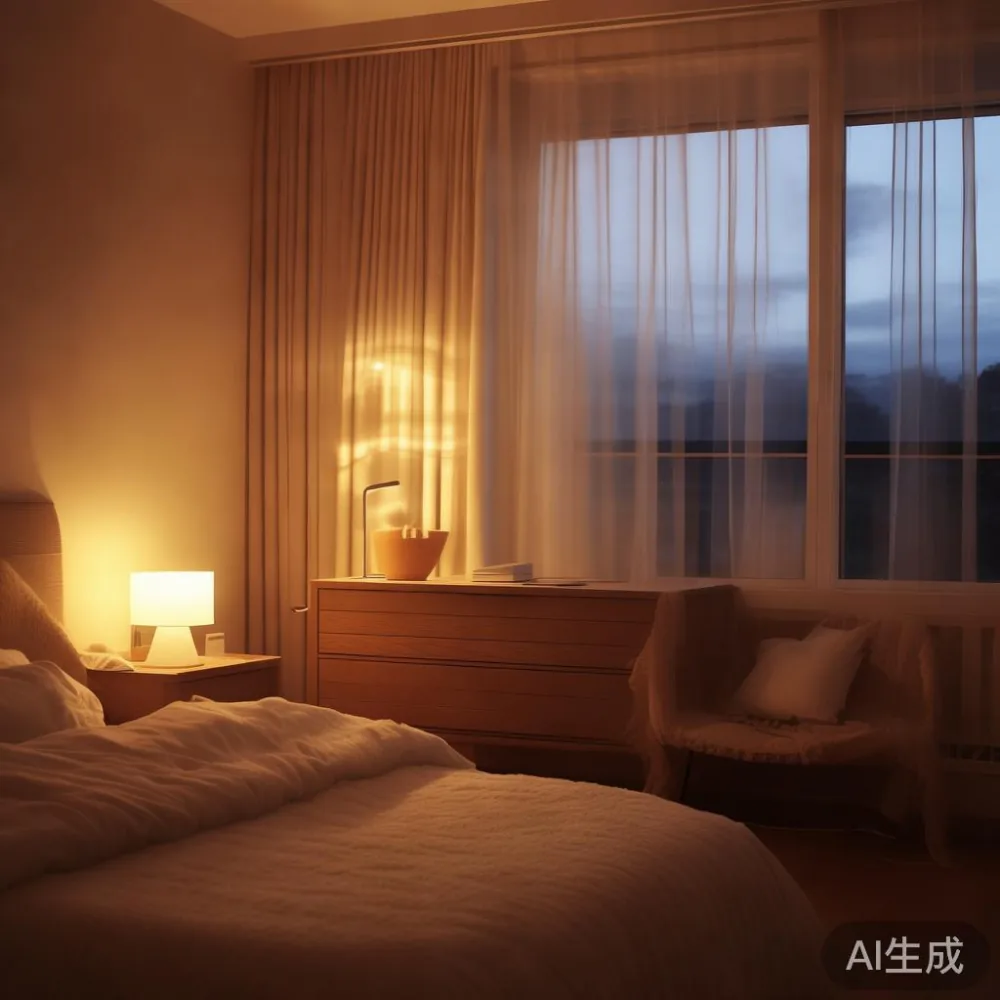
This bedroom design guide focuses on real dimensions, practical clearance, and durable materials. It also explains how prices work in Singapore, including the 9% GST shown on retail invoices, and why some solid wood pieces are worth measuring carefully before purchase.
How much space should a small apartment bedroom leave free?
For a compact bedroom, aim to keep at least 60% of the usable floor area visually clear. That figure is not a rule for every layout, but it is a useful starting point when deciding whether an oversized product belongs in the room. In a typical 3.0 m × 3.6 m HDB bedroom, a 160 cm bed frame, a 45 cm nightstand, and a 90 cm wardrobe can still leave useful circulation space if each piece is positioned against a wall rather than floating in the middle.
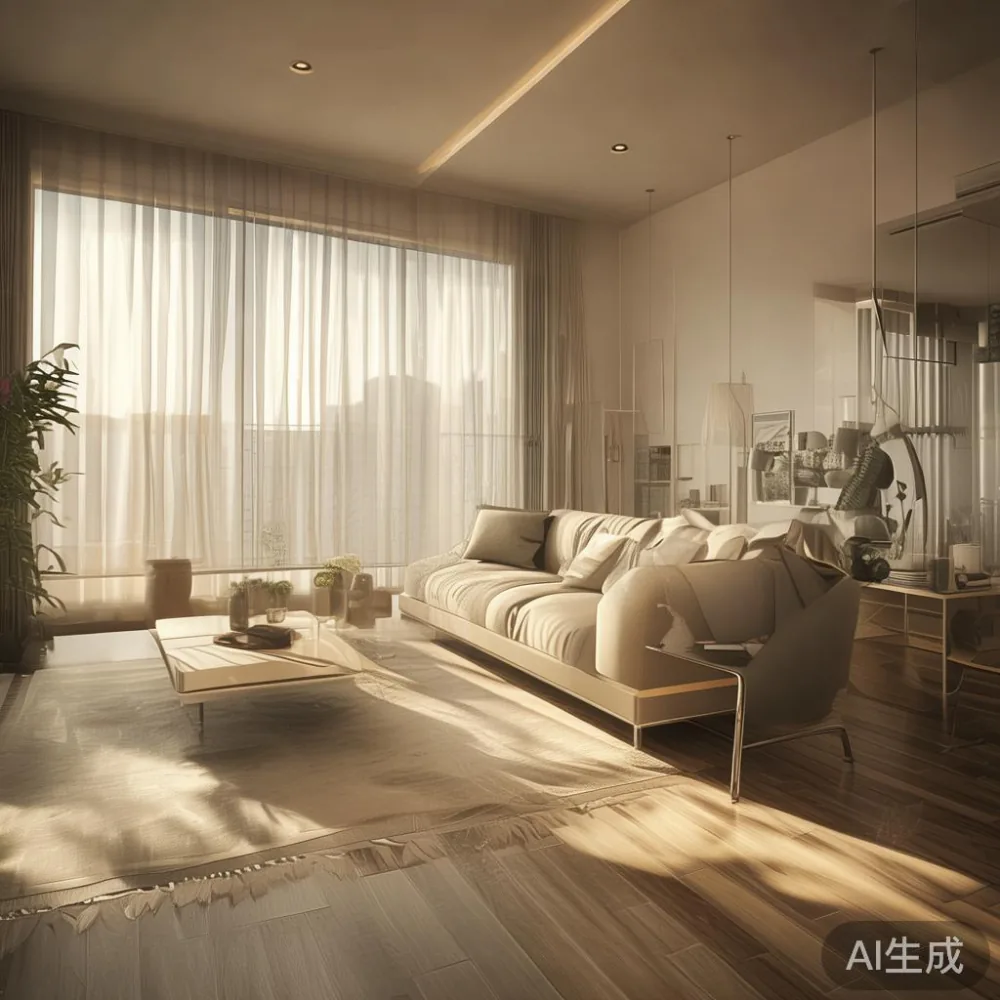
Measure the room after skirting boards, window sills, and projecting pipes are accounted for. Leave 60 cm beside a bed where possible, 75 cm along the main access route, and 90 cm in front of wardrobe doors. If the door opens directly against the bed, consider a sliding or hinged-open wardrobe selected for the actual opening angle rather than its catalogue width.
Corridor and lift access deserve equal attention. A 70 cm-wide corridor may look generous in a showroom but become difficult during delivery, while a lift with a 90 cm door and 110 cm interior depth can reject a rigid wardrobe assembled before it enters the cabin. Record the lift dimensions, turning radius, staircase landings, and nearest parking bay before choosing large furniture.

Which bed frame gives a small room more breathing space?
The bed frame is usually the largest object in an apartment bedroom, so it should establish the proportions before anything else is bought. A 135 cm × 200 cm frame suits many single occupants and couples who accept a compact double, while a 150 cm × 200 cm model gives each sleeper 75 cm of width. A 180 cm × 200 cm king-size frame can still work in a 3.6 m room, but it removes much of the side clearance and demands careful wardrobe placement.
Wall-mounted or floating-style bed frames can expose roughly 20–30 cm of floor beneath the frame, creating a lighter visual effect. They are not automatically suitable for every HDB flat: confirm floor level, drainage access, and whether the fixing system is compatible with the existing construction. Platform frames with low storage are often more useful than high box beds because they preserve sightlines and reduce the number of separate pieces.
For material, solid wood gives warmth and repairability, but solid wood sofa elsewhere in the home should not dictate the bedroom palette. A matching solid wood bed frame with a slim headboard creates continuity without filling the wall. If upholstery is preferred, choose a mattress around 25–30 cm thick and avoid pairing it with a tall, deeply padded headboard, which can visually reduce a low ceiling.
For shoppers comparing decorative directions, the phrase European light luxury bed vs Italian light luxury bed often appears in style guides. The distinction matters more in detailing than in size: European light luxury commonly uses quieter profiles, pale woods, and gentle curves, while Italian light luxury may introduce sharper geometry, richer grain, or more assertive metal accents. Both can suit a condo if their visual weight is controlled.
One useful comparison is how to style American bed in apartment. A substantial timber frame and layered linen bedding can feel relaxed, but the bedding should stop 15–20 cm short of the walls so the bed does not merge into them. American light luxury works particularly well with broad horizontal elements and fewer accessories. Post-modern light luxury, by contrast, can use repeated curves or clean blocks to create rhythm, provided no more than 2–3 shapes compete within a 3 m visual span.
Can a small wardrobe provide enough storage without crowding the room?
A fitted wardrobe is often the most efficient large purchase in a Singapore bedroom. For a room between 9 and 12 sqm, an internal depth of 55–60 cm is usually enough for standard hanging garments, while a 90 cm sliding-door module may hold approximately 40–60 hanging items depending on rail spacing and internal fittings. Depth beyond 60 cm is not always useful because it steals circulation space and can become difficult to access.
Open shelving can look elegant, yet a wall of open compartments collects dust and makes a small room appear busier. Closed doors, fluted glass, or light oak fronts preserve a calm background. If a walk-in closet is not possible, a 120–150 cm wardrobe with 2 sliding sections can conceal bulky bedding while keeping the handles and hardware compact.
Understanding how to style light luxury wardrobe in apartment is about proportion, not excess. Pale finishes reflect available daylight, and full-height doors visually extend the wall. Warm brass hardware adds a French light luxury note, but limit it to handles and a single lamp rather than multiple metallic objects. Mirror panels should face the bed only if the arrangement feels comfortable; otherwise, position one narrow panel near the entry to preserve privacy and reduce visual clutter.
In a HDB flat, check whether the original bedroom has a concrete ledge or a projecting service pipe. A wardrobe installer may need to trim panels, and any alteration should be agreed in writing. For a Punggol or Bedok condo, confirm the property’s renovation requirements and measure balcony connections if delivery passes through them.
What should go on the walls above a compact bed?
A blank wall can feel unfinished, but oversized art can make a small bedroom feel tighter. Choose one artwork around 50–70% of the visible headboard width, or two smaller pieces with a combined width no greater than the headboard. Leave at least 15 cm between the frame and pendant or wall light, and keep the switch within 60 cm of the bedside if possible.
For a child’s room or a multipurpose study, consider a narrow 25–35 cm desk mounted at a comfortable height of 72–75 cm. A 100 cm board fits a laptop, notebook, and lamp, while a 60 cm version can serve a dressing surface. If a study zone is necessary, Mid-century modern for bedroom is a helpful direction: tapered furniture legs, warm timber, and simple functional forms create a room that feels edited without looking heavy.
The phrase Mid-century modern for office can also guide a nearby work arrangement outside the sleeping area. A slim desk, one chair, and one shelf preserve more space than a large suite of cabinets. Keep colours within a 3-colour scheme—say warm white, light oak, and muted olive—and repeat one accent colour elsewhere so the apartment feels related rather than crowded.
Lighting needs layers rather than brightness. A 2700–3000 K reading lamp creates a warm pool of light; a 3500–4000 K ceiling fixture is useful for cleaning and working. Dimming is helpful because even 300 lux of even light can flatten the atmosphere at night. Curtains hung 10–15 cm above the floor and extending 20–30 cm beyond the window width make the opening appear larger.
How can a nightstand earn its place in a tiny bedroom?
A nightstand should hold what is used every night: a phone, water glass, earbuds, medication, and a book. If those fit on a 30–40 cm shelf, the full unit may be unnecessary. Wall-mounted nightstands or narrow 20–25 cm pedestal tables preserve the floor, while a 45 cm-wide solid wood nightstand can support a lamp and charging outlet without dominating a compact layout.
Check the reach from bed to surface. A distance of 40–60 cm is comfortable for a phone and glass. Keep the top below 55 cm where a person sits upright, and avoid placing a lamp directly in the face of someone lying down. Cords should run behind the bed or within a concealed channel; a 2 m braided cable may be enough, but measure first because some outlet positions are awkward.
The same restraint applies to a dressing table. A 70–90 cm marble table can look refined, yet a thick stone top and ornate base add considerable visual weight. A slim marble table with a 15–20 cm edge profile, pale walls, and one simple mirror can create a French light luxury mood. If the marble veining is strong, pair it with plain bedding and understated furniture so the stone remains an accent rather than the centre of the room.
Are HDB lift and corridor measurements affecting your furniture choice?
Yes, and they can determine whether a favourite piece can enter the home. In Singapore, measure the lift doorway, cabin depth, cabin width, and height, then account for the person guiding the trolley and the angle needed to pivot the item. For a tall wardrobe, compare the assembled dimensions and the largest carton. A 210 cm high unit may pass through a 200 cm doorway on its side, but its diagonal and turning clearance still need checking.
Stairs can be tighter than lifts. At each landing, note the ceiling height, handrail projection, and turning space. Older HDB common corridors may also include recess doors and stackable shoes that reduce the usable width. Remove only items you have permission to move, protect common areas with padding, and avoid leaving cartons in the void after delivery.
Delivery timing should be written down. Allow 7–14 business days for many in-stock Singapore orders, but allow 4–8 weeks for made-to-measure wardrobes or imported solid wood pieces. A 10-year structural warranty is reassuring, but it does not replace accurate access measurements. Confirm whether installation, stair carry, and lift reservation are included, and whether the delivered item must be unboxed immediately for inspection.
Singapore prices are normally shown before GST, with 9% GST added at checkout. For illustration, a dining table listed at SGD 1,280 costs SGD 1,395.20 after GST. A bedroom grouping listed at SGD 2,500 costs SGD 2,725.00. Furniture over SGD 350 qualifies for free shipping under MIDHILL’s stated policy, while 14-day returns provide a defined window to assess size and condition.
What did I notice during a recent apartment visit?
Last month I visited a 2-room Bedok HDB flat with my colleague, who was helping a resident rearrange the main bedroom. The original 180 cm bed frame left only 42 cm on one side and forced the door to open against the wardrobe. We cleared a 60 cm-wide strip, moved the wardrobe 12 cm into a recess, and replaced the bed with a 150 cm solid wood frame. The room did not suddenly become large, but the walking route felt continuous and the bed no longer appeared pressed against every surface.
We also removed 5 small wall frames and replaced them with 2 larger pieces, each about 45 cm wide. A fold-down desk measured 110 × 45 cm and sat 75 cm high when opened. The resident could work there with a 23-inch laptop, and the desk disappeared against the wall at night. The lesson was simple: gain space from the floor plan first, then use fewer, better-proportioned objects rather than shrinking everything by 5 cm.
How do I build a bedroom design that still feels luxurious?
Begin with a floor tape. Mark the bed, circulation route, door swing, and window opening on the actual floor. The outline will expose conflicts faster than a catalogue photograph. Next, decide the function of every object. A 120 cm bench may be useful only if it also stores shoes; if not, a 45 cm stool may serve better.
Choose one visual idea for the room. American light luxury favours relaxed textiles, warm timber, and broad lines. French light luxury introduces softer curves, linen, cream, and restrained metallic accents. Post-modern light luxury can use graphic forms, yet it needs disciplined spacing. Mixing all 3 styles in one 9 sqm bedroom usually produces more tension than personality.
For a coordinated shopping plan, compare a solid wood bed frame, solid wood nightstand, and dining table if the bedroom doubles as a work or dining area. A marble table may suit a compact dressing corner, but its maintenance and weight deserve consideration. Keep the wardrobe’s internal planning realistic: hanging space for daily clothes, 2–3 shelves for folded pieces, and a drawer for items that must stay wrinkle-free.
Finish with texture rather than quantity. A 40 × 60 cm rug beside the bed can soften the floor if 8–10 cm remains visible around its edges; in a tiny room, a runner may be more practical. Use one textured cushion, one woven throw, and 2–3 ceramic objects. This approach supports a considered bedroom design without turning every surface into storage.
For a wider comparison, a search for best Modern bed for 2026 may be useful, although the actual choice should depend on room measurements, door access, and sleeping needs rather than a trend label. A 150 cm bed with a low solid wood frame, for example, may suit a 3.0 m × 3.3 m room more convincingly than a visually dramatic 180 cm model.
Finally, check the small details that determine whether furniture feels spacious: align the nightstand with the bed, repeat one material, keep curtains clear of radiators, and leave 5 cm of visual breathing room between large objects. In a small Singapore apartment, restraint is not emptiness. It is the careful arrangement of useful things within 60 cm, 150 cm, and SGD 350 thresholds that makes daily life feel less crowded.