Lacquered Bedroom Furniture Care for Singapore’s Tropical Climate
Singapore’s humidity can make lacquered bedroom furniture look dull, hazy or marked faster than furniture kept in a drier climate. HDB flats and condos in Tampines, Bedok and Punggol also place practical demands on every purchase: the bed frame must fit through a lift and corridor, the wardrobe must suit the available wall space, and the finish must tolerate warm air without developing an unattractive sheen. This guide explains how to care for lacquered surfaces while preserving the restrained character of French light luxury, American light luxury and post-modern light luxury interiors.
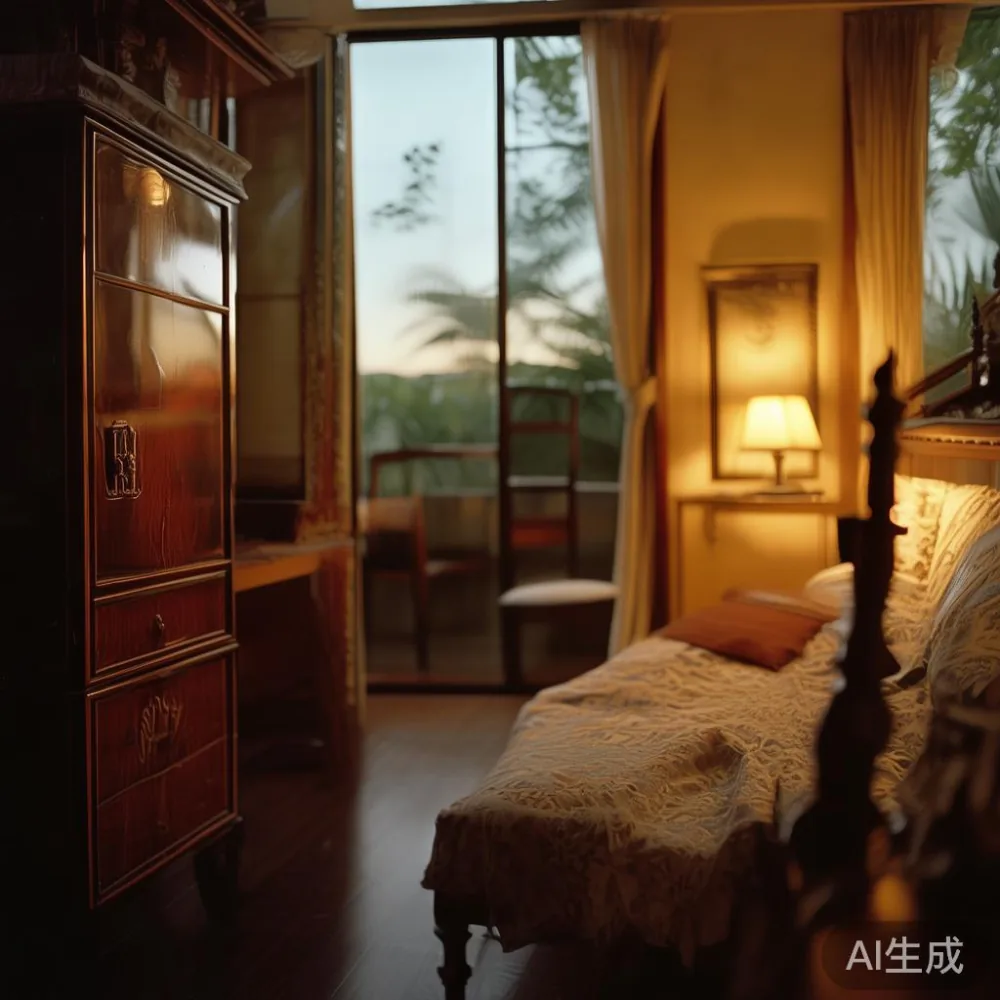
The advice applies closely to lacquered solid wood bed frames, although the same moisture discipline is useful for a lacquered wardrobe, nightstand or dining table. MIDHILL designs lacquered pieces in a light-luxury language, balancing clean profiles with natural timber and practical room planning.
Why does lacquer react to Singapore’s humidity?
Lacquer creates a protective film over the timber, but the film and the wood beneath it can respond differently to heat and moisture. In a typical Singapore bedroom, daytime temperatures may sit around 28–32°C, while relative humidity ranges from roughly 65–85%. A room facing the western sun can become warmer, and a unit beside a bathroom window may experience condensation at night.
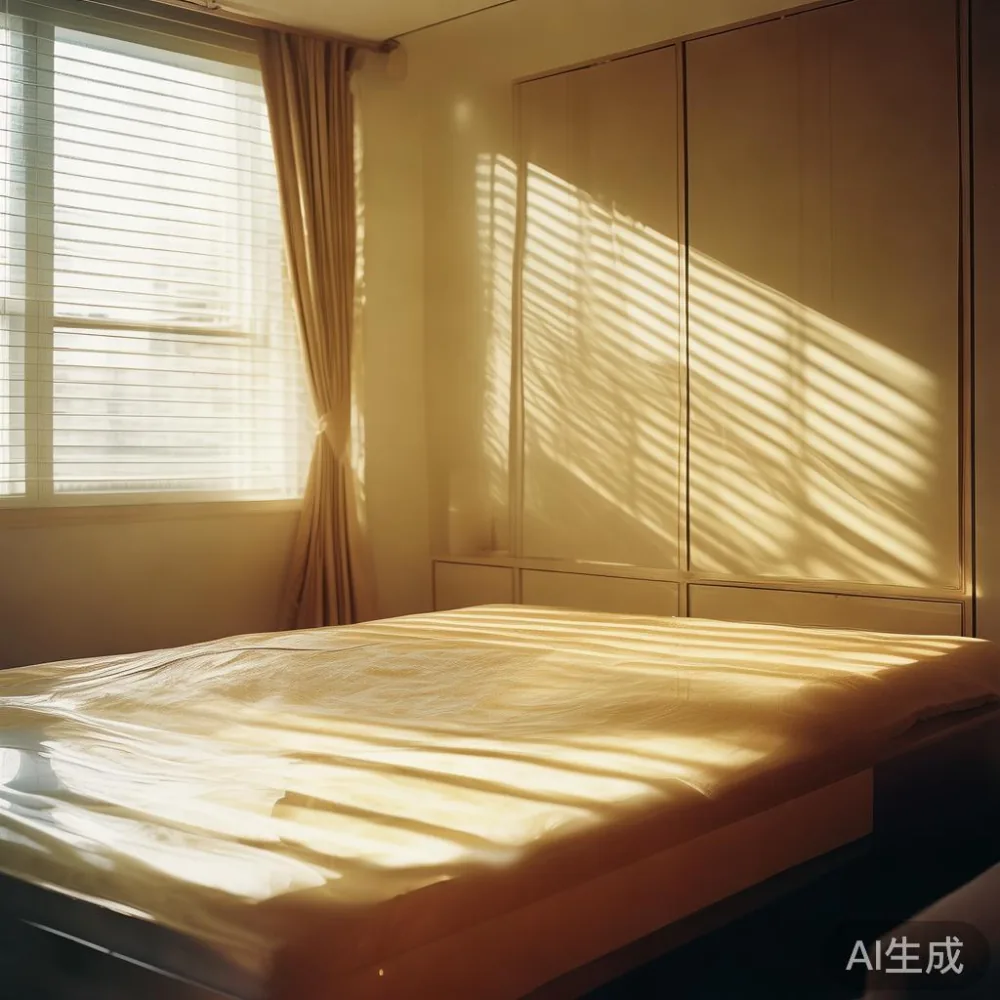
These fluctuations matter because lacquer is less permeable than unfinished wood. Moisture that leaves the timber slowly can collect beneath the film or affect the finish at edges, joints and drilled areas. The result may be a cloudy appearance, a fine haze, softened edges or marks that seem more visible against a dark colour.
None of this means a lacquered bedroom design must be avoided. It means the finish should receive regular, gentle care and the furniture should be protected from direct sunlight, standing water and abrupt cleaning products.
How often should a lacquered bedroom design be cleaned?
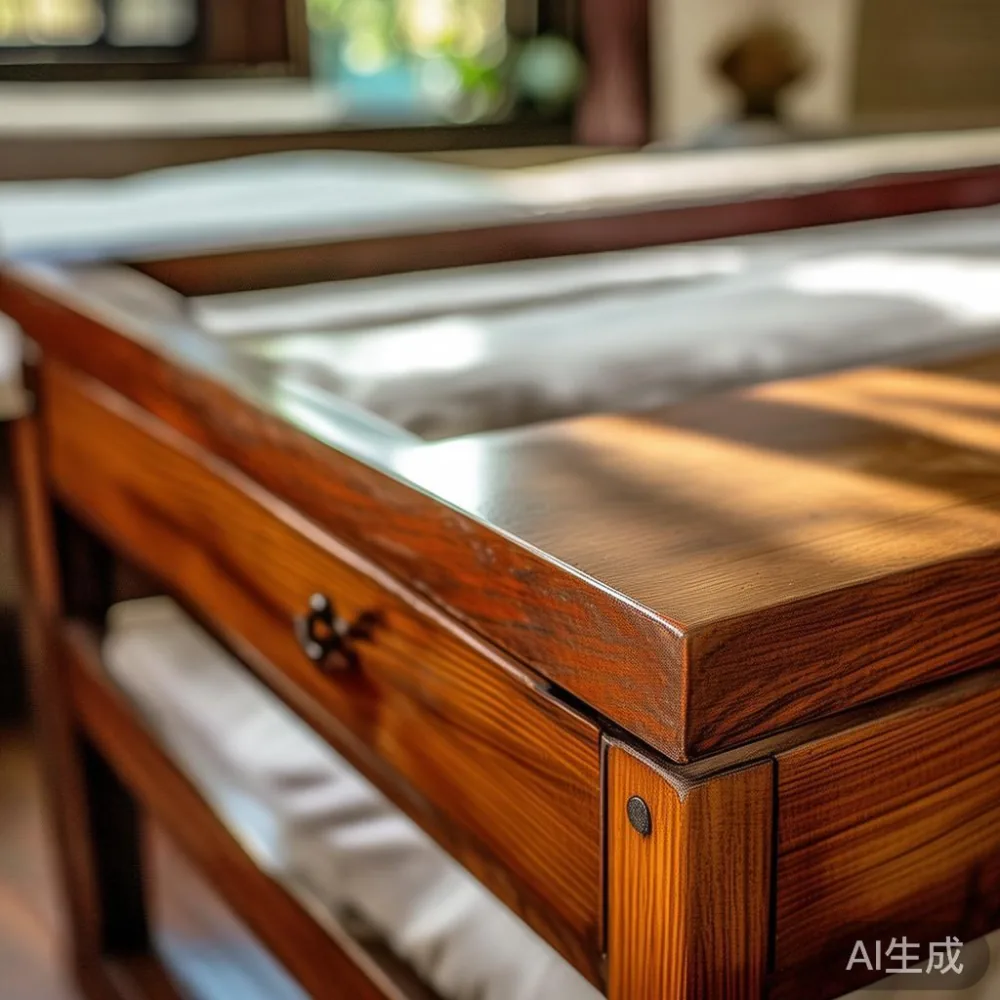
A light dusting twice a week is usually enough for a bed frame or wardrobe in an occupied HDB flat. Use a dry microfibre cloth folded into a compact square about 20 × 20 cm. Avoid feather dusters because loose fibres can lodge in lacquer joints, and avoid compressed air, which can drive dust into narrow gaps.
Clean the surface every 2–4 weeks with a barely damp cloth. Add 1 teaspoon of mild dishwashing liquid to a bowl containing approximately 500 ml of lukewarm water, then wipe the lacquer once. Follow with a separate dry cloth so no moisture remains. For a nightstand that receives daily handling, wipe the top and drawer fronts weekly.
Do not use vinegar, bleach, alcohol, ammonia, acetone, abrasive powder or household oil. Although these products may remove isolated marks, they can strip or soften the lacquer. Test any unfamiliar cleaner on an inconspicuous 5 × 5 cm area and allow 24 hours before treating the full surface.
Can humidity damage a lacquered solid wood bed frame?
Yes, prolonged exposure can cause lacquer problems and wood movement. The risk rises when relative humidity remains above 75% for long periods or when furniture stands within 30 cm of an air-conditioning unit, balcony door or persistent condensation source. Keep indoor relative humidity around 50–65% where possible; Singapore’s climate may require the air conditioner or a suitable dehumidifier to operate regularly.
Position a lacquered bed frame away from direct western sunlight. Curtains or UV-filtering blinds with a visible light transmittance of below 40% offer sensible protection. Leave about 5–8 cm between the headboard and a wall so air can circulate, provided this does not compromise access to sockets or the lift lobby.
Solid wood expands and contracts as humidity changes. A timber component may move by roughly 1–3 mm across a 1 m width under normal seasonal variation. Do not force a swollen drawer or door. Apply pressure gently, then adjust the fit only after the room has become drier and the timber has stabilised.
What should I do if lacquer develops white haze or fingerprints?
White haze often indicates moisture trapped on or within the finish. Blot the area with a clean, dry microfibre cloth rather than rubbing vigorously. Then run the air conditioner for 30–60 minutes and inspect the surface after 24 hours. If the haze remains, use a soft cotton cloth with a minimal amount of mild detergent solution, followed by a dry pass.
Fingerprints generally respond to mild soap and careful wiping. Avoid silicone-based polishes, which create a temporary shine but can make future cleaning harder. Lacquer should retain its intended satin or matte character rather than looking artificially glossy.
Small scratches can sometimes be treated with a lacquer-compatible repair pencil. Match the colour and sheen before use, work over a 1–2 cm section and feather the repair lightly. Deep gouges, lifting edges or broad discolouration require professional assessment. MIDHILL provides a 10-year structural warranty, while lifetime refinishing addresses the furniture over its service life; refinishing terms should be checked for the specific finish and product.
How do I fit lacquered bedroom furniture through HDB lifts and condo corridors?
Measure before ordering, not after delivery. Record the internal lift width and depth, the door opening, turning points and any staircase. A standard Singapore HDB lift may provide around 1.1 m of internal width and 1.4 m of depth, but older blocks and newer accessible lifts differ. Condo service corridors can narrow to 90–120 cm at a turn.
For a lacquered bed frame, compare the packaged dimensions with the narrowest route. Add at least 10 cm of clearance for packaging, protective corners and the installer’s hands. A queen bed frame may be split into headboard, footboard and side sections; confirm that each component weighs no more than about 25–35 kg where a two-person carry is needed.
Measure the wardrobe in its assembled position as well as its delivery position. Leave 5 cm for wall ventilation behind a tall cabinet and 8–10 cm where a hinged door must open. A 60 cm wardrobe placed against a bedroom wall can overwhelm an HDB room, while a 45–50 cm unit may create a more comfortable proportion beside a 120–150 cm bed frame.
Singapore’s GST is normally included in displayed consumer prices, so a stated price of SGD 2,480 should be treated as the payable amount unless the seller explicitly identifies a GST-exclusive figure. Delivery normally takes 7–14 working days for configured bedroom furniture, depending on production and Singapore inventory. Returns are accepted within 14 days under the stated policy, and free shipping applies to orders over US$350.
Does bedroom design affect how lacquer should be maintained?
Yes. The visual setting affects how carefully a surface is used and how quickly small marks are noticed. French light luxury often pairs pale cream walls, curved silhouettes and warm timber; a haze that is barely visible against an off-white wall may stand out under a focused bedside lamp. American light luxury tends to use generous upholstered pieces, layered lighting and broad planes, so a clean lacquer finish can provide useful contrast.
Post-modern light luxury may combine lacquered forms with stone, metal and textured textiles. The contrast makes tonal consistency important. A cool white lacquer next to warm oak can look noticeably yellow in humid conditions, while a pale finish beside a marble table may reveal grey residue from corridor dust.
For a practical Singapore bedroom design, use a washable rug, cotton bedding and replaceable lamp shades to reduce dust near lacquered surfaces. Vacuum upholstered furniture every 2 weeks with a soft attachment, keeping the nozzle 10 cm away from lacquer. A pet should not be allowed to climb onto the wardrobe or bed frame, because claws can puncture the film.
Readers considering the wider category can explore under 2000 French provincial furniture, while those planning an upholstered centrepiece can review a light brown luxury sofa. These styles show how lacquer can sit comfortably among timber, fabric and stone without competing with them.
What is the safest routine for a lacquered nightstand or marble table?
Start with a dry microfibre cloth every 3–7 days. For marks, use mild soap diluted in 500 ml of water, then dry immediately. Coasters should be placed beneath drinks, and vessels containing water or plants should stand on a waterproof tray with a 2 cm lip. Wipe condensation from a marble table promptly because repeated moisture exposure can affect stone treatments as well as adjacent lacquer.
A lacquered dining table needs the same controlled routine, although dining areas face spills and food residue. Remove debris before wiping so grit does not scratch the film. In a kitchen-adjacent dining area, clean the lacquer at least weekly and inspect the underside of coasters every month. If comparing forms, a Modern light luxury dining table with a restrained finish can suit a compact condominium dining zone, while an Italian light luxury dining table may require more careful temperature and spill management because of its decorative detailing.
Do not place a lacquered dining table beside a hot window where afternoon temperatures can reach 34–36°C. Use a table runner and avoid hot pans directly on the surface. Allow a minimum of 60 cm around a dining table for chairs and circulation, adjusted to 75 cm when serving space is needed.
How can I preserve the character of a lacquered bed frame?
Use the bed as intended rather than treating the finish as a decorative afterthought. Check the frame every 6 months for loose joints, trapped moisture or movement against the wall. Tighten fixings only to the manufacturer’s specified torque; over-tightening can split timber or distort lacquered panels.
Vacuum beneath the bed every 2–4 weeks and move the frame carefully when cleaning. The primary care rule is simple: keep water away, control humidity, clean gently and repair damage before it becomes broad. For shoppers evaluating sizes, the phrase best Modern bed for 2026 can prompt a useful comparison, though the most suitable frame should be judged on fit, timber quality, warranty and maintenance needs rather than a single year label.
What should I ask before ordering a lacquered piece from a Foshan factory?
Ask for the finish specification, expected moisture movement, care instructions and delivery dimensions. A Foshan factory should be able to explain lacquer layering, wood species, joinery and protective packaging in practical terms. Request photographs of the exact finish under daylight and warm indoor lighting, since lacquer can appear differently in Singapore homes.
Confirm whether replacement hardware and touch-up materials are available locally. Check the warranty in writing and clarify whether refinishing covers lacquer discoloration, scratches, water damage and ordinary wear. Delivery to Singapore generally takes 7–14 days after production, while a made-to-order wardrobe or bed frame may require 14–30 days.
Good bedroom design is more than a visual arrangement. In a tropical climate, it includes a finish that can withstand humidity, proportions that respect narrow HDB corridors, and a maintenance routine that a household can realistically follow. With measured care, a lacquered solid wood sofa, bed frame, dining table, wardrobe, nightstand or marble table can retain its refined appearance for years.