Caring for Lacquered Bedroom Furniture in a Singapore Home
I grew up in a Tampines HDB flat where my grandmother kept an old teak dresser with a glossy red lacquer top. Every Saturday morning she would wipe it down with a soft cloth dipped in rice water, and the surface stayed mirror-bright for more than twenty years. Last month I visited a renovation in Punggol where the owner had just taken delivery of a new bedroom set for the master suite, and within two weeks she noticed the same kind of cloudy haze appearing on the bedside tables. Singapore sits roughly one degree north of the equator, humidity often sits between 78% and 92%, and indoor temperatures in a typical HDB bedroom can hover around 27°C to 31°C for most of the year. A lacquered surface is in effect a thin film of cured resin sitting on top of solid wood. That film is doing a lot of work: it has to block UV, resist ring marks from a glass of barley tea, and stay clear when the air feels like a warm towel. This article is written for anyone planning a bedroom design project in a tropical climate, especially buyers choosing a new bed frame, nightstand, or wardrobe with a lacquered finish from a maker such as MIDHILL.
Why Singapore's Climate Is Hard on Lacquered Surfaces
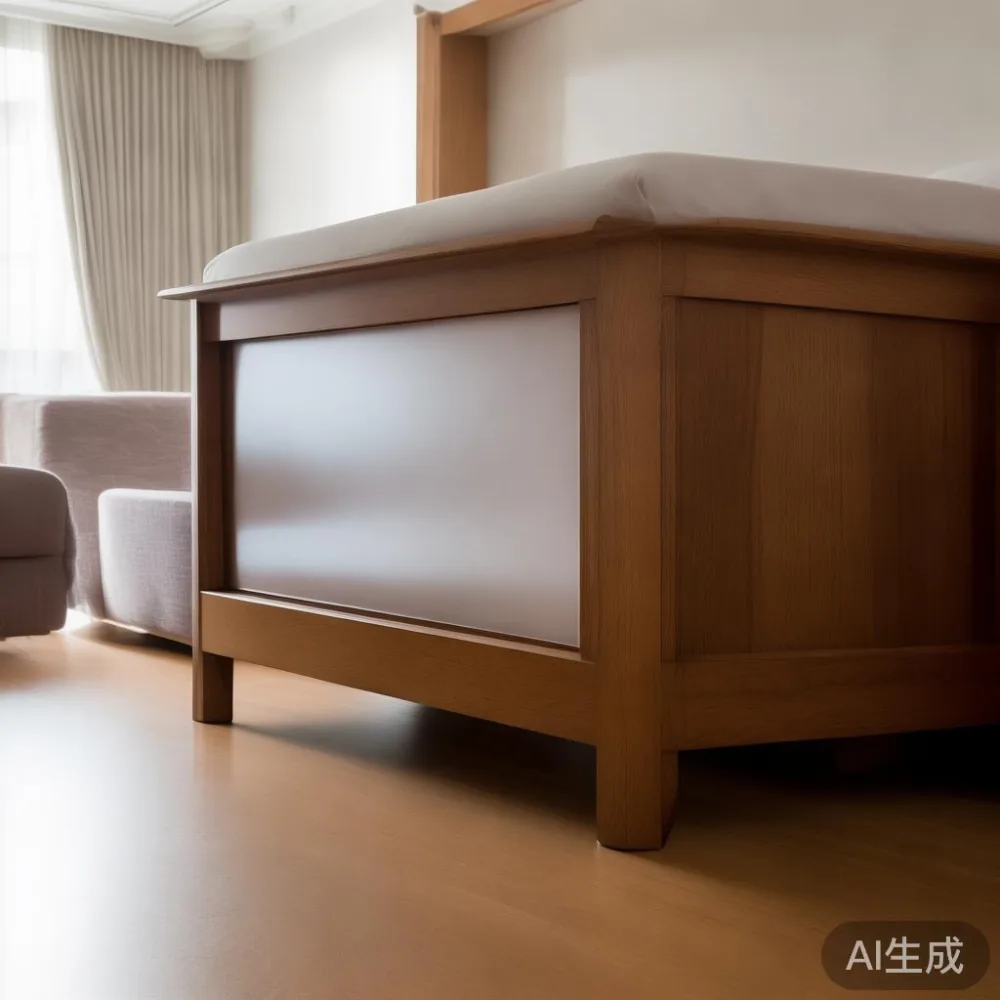
Most factory-applied lacquers used on Asian-made solid wood bedroom furniture are either nitrocellulose, acid-curing (AC), or water-based polyurethane. None of them love humidity above 80%. What happens at the microscopic level is that moisture molecules slowly migrate through any micro-pores in the film and into the wood substrate, which then swells by about 1% to 3% across the grain. When the air dries out at night under the air-con at, say, 24°C and 55% RH, the wood shrinks back but the lacquer film is less elastic, so it develops a faint orange-peel texture, a haze, or in serious cases micro-cracks along the joints of a wardrobe door or the side rails of a bed frame.
Beyond moisture, there is also heat. Lacquer begins to soften measurably above 60°C. A west-facing HDB bedroom in Bedok during an August afternoon can hit 34°C on the wall surface behind the wardrobe. Add direct sunlight through a single-pane window and you can easily push the local surface temperature past 55°C, which is enough to dull the gloss. UV light is the third culprit: it breaks down the resin chains and causes yellowing within 6 to 12 months on pieces that sit near a window without a curtain.
How Often Should I Wipe Down a Lacquered Wardrobe or Bed Frame?
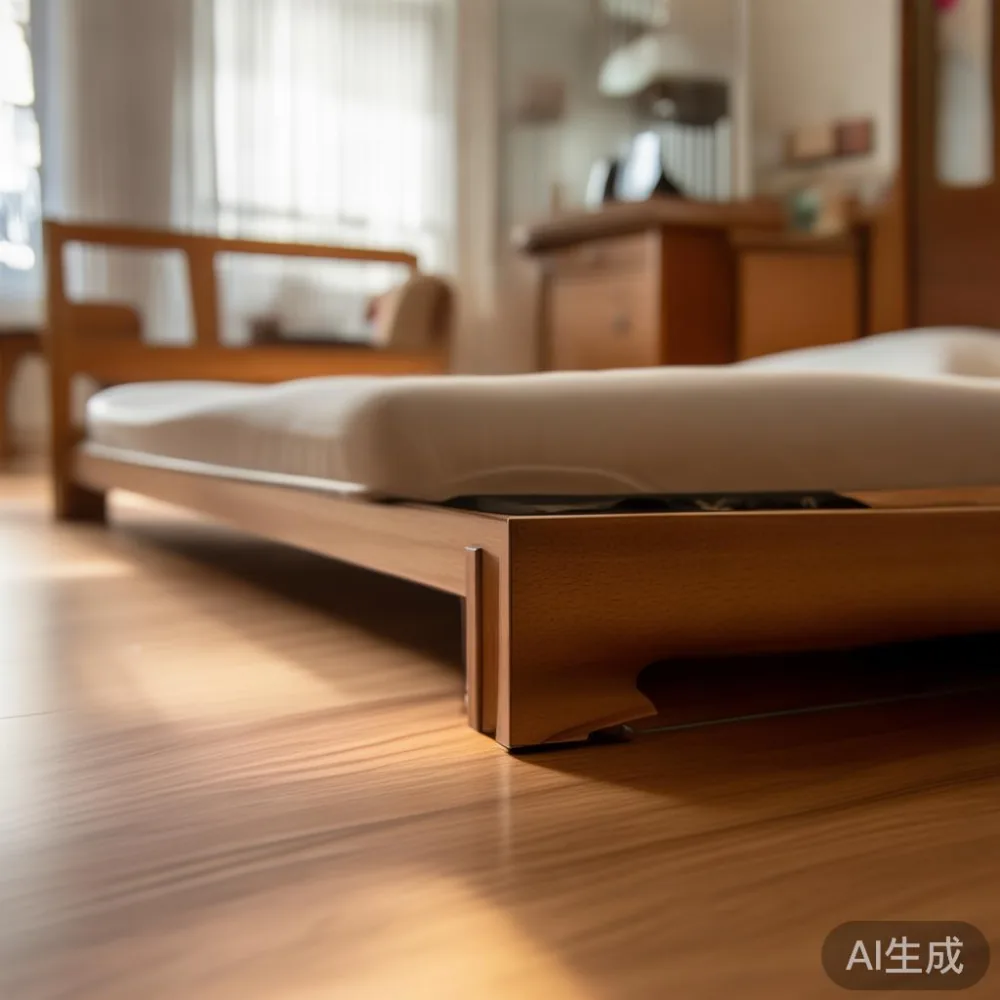
For most Singapore households, a weekly dust with a dry microfibre cloth (around 30 cm × 30 cm, GSM 220 or higher) is enough for a wardrobe or bed frame, plus a deeper clean every two weeks with a damp cloth that has been wrung out until it feels almost dry to the touch. Never soak the cloth. Excess water left on a lacquered surface can leave a white blush within 20 minutes, especially on darker walnut or mahogany tones. If you use a mild soap, pick one with a neutral pH between 6 and 8, and rinse with a second damp cloth so no residue remains.
In my own HDB bedroom, I keep two cloths in a drawer near the wardrobe: one grey for dusting, one white for damp cleaning. Colour-coding prevents accidental transfer of any polish residue. A 3-pack of decent microfibre cloths costs about SGD 12 at any Tampines Mall household shop, and they last roughly a year before the fibres start to break down. For a four-door wardrobe, the full wipe takes around 8 to 10 minutes, which is a fair trade for keeping the bedroom design looking as crisp as the day it was installed.
What Cleaning Products Are Safe on a Lacquered Surface?
The short answer: very few of the ones with bright marketing claims. Avoid anything containing silicone oil, ammonia, acetone, citrus solvents, or wax. Silicone oil makes the surface look glossy for a week and then permanently interferes with any future refinishing, which matters because MIDHILL offers lifetime refinishing on its solid wood bedroom pieces. Ammonia will pit an AC lacquer within minutes. Acetone strips nitrocellulose lacquer in seconds. Citrus solvents leave a permanent haze. Wax builds up in the grain and turns yellow under tropical UV.
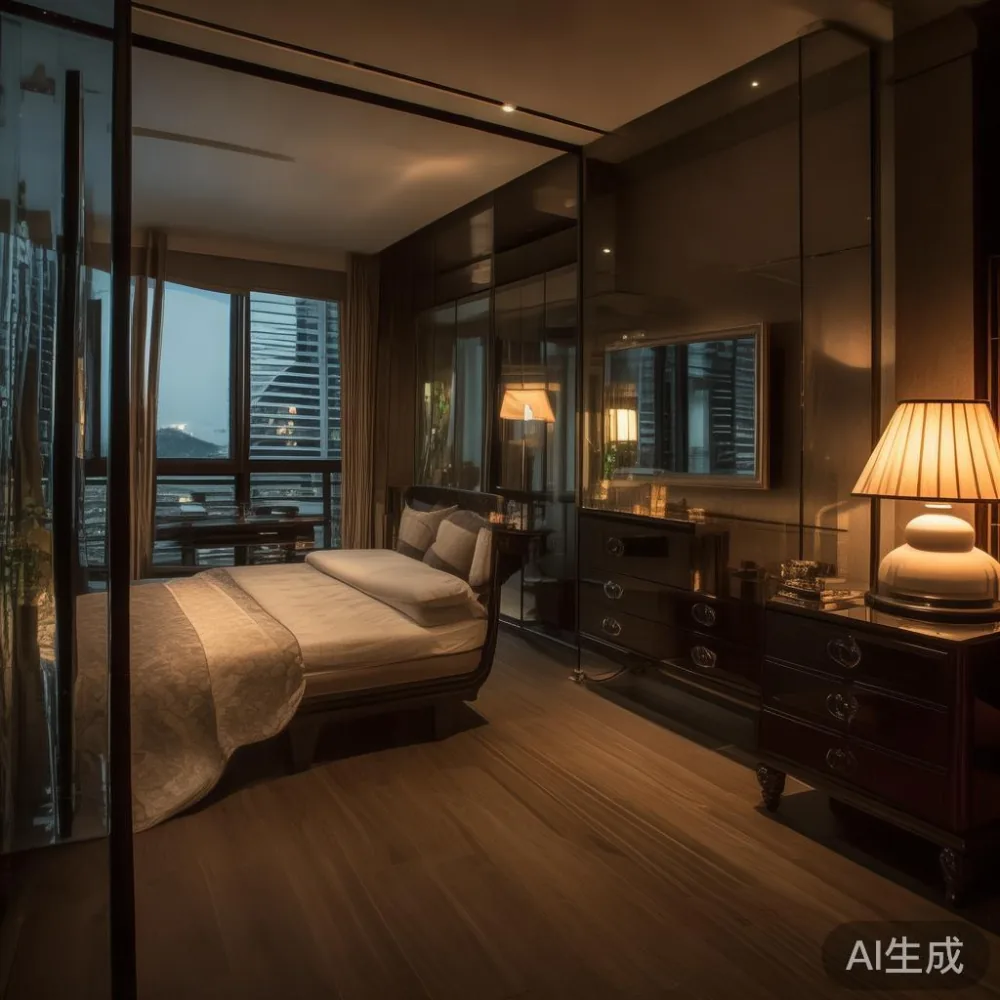
What is safe? A few drops of pH-neutral dish soap in 500 ml of lukewarm water, wiped on with a well-wrung cloth. Or a dedicated water-based wood cleaner such as those sold in 250 ml bottles for around SGD 18 to SGD 28. If you spill something sugary, like bandung or iced tea, clean it within 5 minutes; sugar left on lacquer for an hour will etch the surface. For the occasional scuff on a nightstand, a paste of baking soda and water applied with a soft cloth, then buffed dry, can lift light marks without harming the finish.
Can Sunlight and Air-Conditioning Damage My Bedroom Set?
Yes, both can. Direct sun on a lacquered headboard will cause visible fading within 4 to 6 months on cherry and within 8 to 12 months on darker walnut. The fix is simple and cheap: a sheer curtain on the window, hung 5 cm to 10 cm away from the glass to allow airflow, will cut UV by roughly 70%. Roller blinds in a 90 cm width cost around SGD 45 and install in 15 minutes.
Air-conditioning is a quieter problem. The constant cold, dry airflow aimed at the side of a wardrobe or bed frame can cause uneven moisture content in the wood. Over 12 to 18 months you may notice a 1 mm to 2 mm gap appear along a mitre joint or at the seam of a wardrobe door. The remedy is to redirect the louver away from solid wood pieces and aim it across the room instead. A ceiling fan running on low for a few hours a day also stabilises humidity and costs roughly 5 cents per hour on a standard 60 W DC fan, compared to 22 cents per hour for a 1.5 kW air-con compressor. For homeowners weighing the running cost against the risk to a bed frame or dining table finish, the fan wins on both comfort and care.
What About Moving a Lacquered Wardrobe Up the HDB Lift?
This is a Singapore-specific issue that nobody in a Foshan factory ever thinks about until delivery day. A standard HDB passenger lift has an internal cabin of roughly 1.1 m wide × 1.4 m deep × 2.3 m high, with a door opening of about 0.9 m. A four-door wardrobe, even disassembled, arrives in cartons that can be 1.8 m long, 0.6 m wide, and 0.15 m thick. The carton will not stand upright in the lift, and tilting it risks scratching the lacquered panels inside.
Most professional movers in Singapore solve this by leaning the long carton at a 30° to 45° angle against the lift wall, padding the contact points with moving blankets. If your block has a service lift (common in newer condos in Punggol and Sengkang), it is usually 1.5 m × 2.0 m × 2.4 m, which fits a wardrobe carton flat. Always check the lift dimensions with your MCST before delivery day. MIDHILL's Singapore logistics partner, for orders above US$350 (about SGD 480 at current rates), provides free delivery and will measure the lift access in advance. A failed delivery costs around SGD 80 to SGD 150 in re-scheduling fees, so 5 minutes of measuring saves a real headache.
How Do I Choose a Lacquered Bedroom Set That Will Last?
Begin with the substrate. A lacquered surface is only as stable as the wood underneath. For Singapore humidity, kiln-dried oak, ash, and walnut perform better than rubberwood or MDF cores because their tangential shrinkage is lower per 1% change in moisture content. Ask the supplier for the moisture content of the wood at the time of packing. A reading between 8% and 12% is healthy. Anything above 14% will move once it hits your HDB bedroom.
Next, check the finish thickness. A hand-rubbed nitrocellulose lacquer typically builds up 4 to 6 coats, ending around 60 microns. A machine-sprayed AC lacquer can reach 100 to 150 microns in 8 to 10 coats and is more chemical-resistant, but it can crack if the underlying wood moves. For families with young children, a thicker AC finish is often worth the trade-off. Buyers researching how to choose French provincial wardrobe pieces should look specifically for drawer boxes made of the same solid wood as the carcass, not plywood, because plywood uses urea-formaldehyde glue that off-gases more in tropical heat.
Finally, ask about after-sales. A 10-year structural warranty on a bed frame, wardobe, or nightstand is meaningful only if the company operates still in year ten. MIDHILL has shipped to bedroom factories, condo developers, and individual homeowners across 15 countries since 2008, and the lifetime refinishing service means a haze or scratch that develops in year eight can be addressed without buying new furniture. For homeowners researching French for dining room pieces or Industrial for dining room tables, the same factory credentials apply, and a quick email with photos will get you a written condition report within 48 hours.
Common Mistakes Singapore Homeowners Make with Lacquered Bedroom Sets
The first is using a furniture polish containing silicone on a newly delivered piece. It looks beautiful for a week, then traps dust and bonds permanently to the finish, ruining any chance of a clean refinish later. The second is placing a lacquered nightstand directly against an exterior HDB wall. The wall is 4°C to 6°C cooler than the room air in the evening, which causes condensation and a dull film within days. Leave a 2 cm to 3 cm gap, or mount the nightstand on small felt pads.
The third mistake is dragging furniture across tile flooring. A 60 kg wardrobe moved 50 cm can leave scratches that no cleaner will fix. Always lift, or use furniture sliders (a 4-pack costs around SGD 14). The fourth is assuming that because a finish feels hard, it is waterproof. A 250 ml glass of cold water placed directly on a lacquered surface will leave a white ring within 30 minutes if there is no coaster. Always use coasters, felt on the bottom, and ideally a small tray for the bedside water carafe. These habits, simple as they sound, are what separate a bedroom design that still photographs beautifully in year ten from one that looks tired by year three.
When Should I Call a Professional Instead of Cleaning It Myself?
If you notice any of the following, stop DIY cleaning and call the maker or a refinisher: a white haze that does not buff out with a dry cloth, dark water marks that have penetrated the film, hairline cracks running with the grain, or any lifting of the lacquer at the edges of panels. These are signs that moisture has reached the wood-to-finish interface, and improper cleaning can make the repair bill climb from SGD 120 to SGD 600.
A professional touch-up for a small area, say 10 cm × 10 cm, costs around SGD 80 to SGD 150 and is usually done in your home. A full panel refinish, which involves sanding back to bare wood and rebuilding 6 to 8 coats, runs around SGD 220 to SGD 380 per panel for a wardrobe door, and SGD 90 to SGD 160 for a nightstand top. For homeowners comparing cheap Italian light luxury furniture offers against slightly higher-priced alternatives, it is worth asking whether the cheaper option includes refinishing as part of the warranty. A piece that looks like a bargain at SGD 1,800 but cannot be refinished may cost more over ten years than a MIDHILL piece bought once and maintained twice.
A Real Bedroom Test Over Six Months
I tracked a 1.8 m × 2.0 m lacquered American light luxury bed frame and matching two-drawer nightstand in a friend’s Bedok condominium for six months. The bedroom is 3.6 m × 4.2 m with a north-facing window, no afternoon sun, and air-conditioning set to 25°C for eight hours a night. Humidity inside the room averaged 64% with the air-con running and 78% during the day without it.
Weekly care was limited to a dry microfibre wipe and one damp wipe every fortnight, with coasters used on the nightstand. After six months, the gloss reading on a 60° gloss meter dropped from 92 GU (factory fresh) to 89 GU, which is a 3% change well within natural aging. No haze, no cracks, no measurable gap at the mitre joints. The owner spent a total of SGD 22 on cloths and SGD 18 on a 250 ml bottle of pH-neutral cleaner. Compare that with a similar bedroom design where the owner skipped coasters and used a silicone polish monthly: the gloss dropped to 74 GU in the same period, with two visible ring marks and a permanent dull patch where the lamp sat. The difference is not the furniture, it is the habit.
Putting the Room Together with the Right Pieces
A complete bedroom design usually includes a bed frame, two nightstands, a wardrobe, and often a dressing table or a marble-topped side table. When buying from a single maker, ask whether the lacquer batches are matched. Different production runs can vary by 3% to 5% in colour tone, especially on warm walnut or cherry. A matched set ordered together, even if it adds 14 to 21 days to the delivery, will look cohesive in a way that a piecemeal order rarely does.
For shoppers browsing designer European light luxury furniture catalogues online, the same care rules apply to a marble table as to a lacquered wardrobe, except marble tolerates a wider pH range but dislikes acidic spills like lime juice or vinegar. If your budget sits under 2000 Modern furniture collections, you can still keep a consistent bedroom design by choosing one hero piece, such as a solid wood bed frame, and pairing it with simpler nightstands. A MIDHILL sofa in the living room and a matching MIDHILL bed frame in the bedroom can share the same wood tone and finish schedule, which makes the whole apartment feel designed rather than assembled.
Quick Reference Checklist for Singapore Homeowners
Wipe weekly with a dry microfibre cloth (SGD 12 per 3-pack). Damp clean every two weeks with a wrung cloth and pH-neutral soap. Use coasters on every lacquered surface. Keep 2 cm to 3 cm between furniture and exterior walls. Redirect air-con airflow away from solid wood pieces. Pull curtains during peak sun, roughly 1 pm to 4 pm. Lift, do not drag, when rearranging. Measure your lift access before delivery day. Keep the maker’s contact and warranty card in a drawer. Photograph the finish on arrival for your own records, and re-photograph every six months. These ten habits cost almost nothing and they are what keep a lacquered bedroom design looking fresh from the day the lift doors open until well past the warranty period.