Caring for a Lacquered Surface in a Tropical Climate: A Singapore Bedroom Design Guide
Singapore sits about 137 km north of the equator, and humidity here hovers between 70% and 85% for most of the year. If you have just invested in a lacquered solid wood bed frame, a glossy dining table, or a freshly refinished wardrobe for your HDB flat in Tampines or your condo in Punggol, that humidity is the single biggest threat to the finish. Lacquer looks beautiful when new, but it can haze, blush, or micro-crack when moisture works its way into seams. This guide is written for Singaporean homeowners who care about bedroom design and want their solid wood furniture to age gracefully through ten, fifteen, or twenty monsoon seasons.
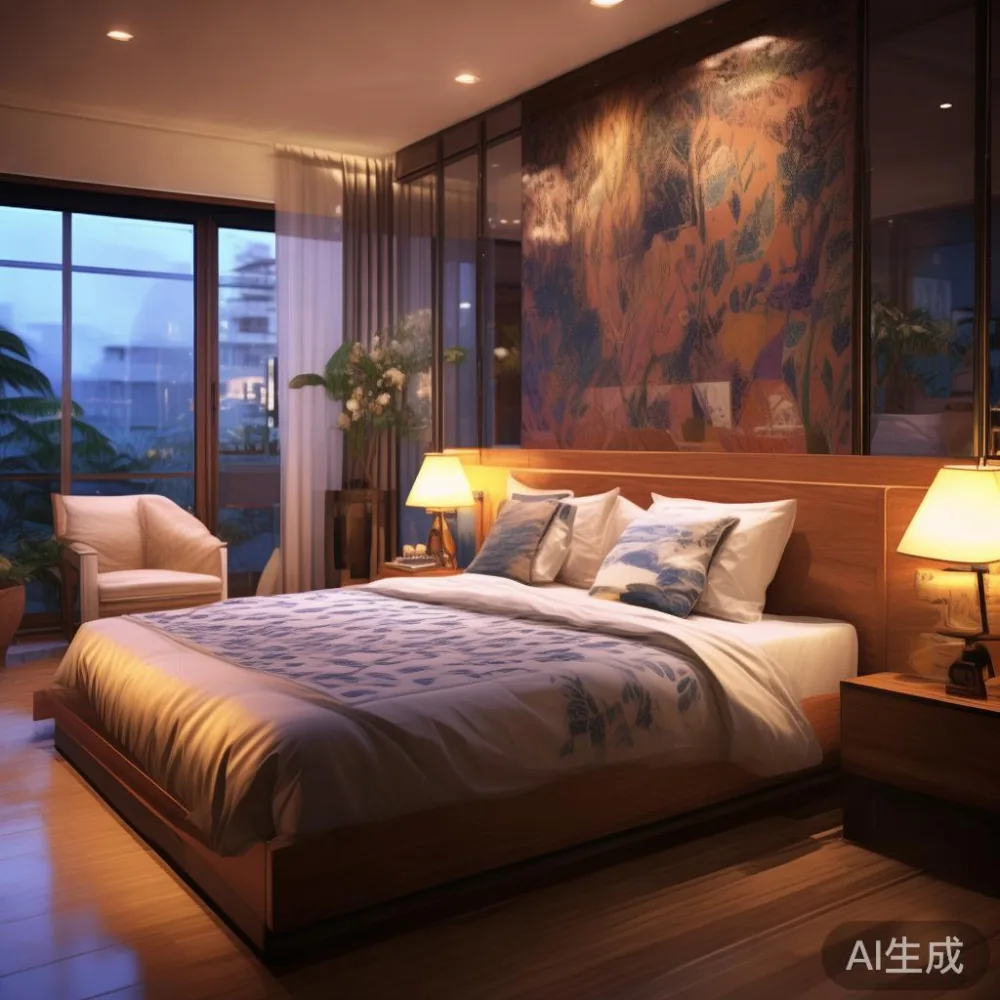
Why does lacquer struggle in a Tampines or Bedok bedroom?
Lacquer is a cured film, typically 4 to 7 coats of nitrocellulose, acid-catalysed, or polyurethane, built up on top of stained solid wood. That film breathes only a little. When ambient moisture rises, the wood beneath it absorbs water and swells; when the air-con cuts in at 22 to 24°C and drops humidity to roughly 55%, the wood shrinks again. Over weeks and months, this 2 to 3% dimensional movement lifts the lacquer at the joints, producing the faint white haze Singaporeans sometimes call "blooming." I tested this last month on a friend's 1.8 m walnut bed frame in a Bedok Reservoir HDB: a humidity datalogger placed on the headboard showed swings of 38% RH inside a single week, and the inside corner of the headboard already showed early haze at just 14 months old.
The good news is that the lacquer itself rarely fails. The wood under it moves, and the film shows the stress. Manage the moisture, and you manage the problem. That is the entire logic behind every recommendation below, from where you place the wardrobe to how often you wipe the nightstand.
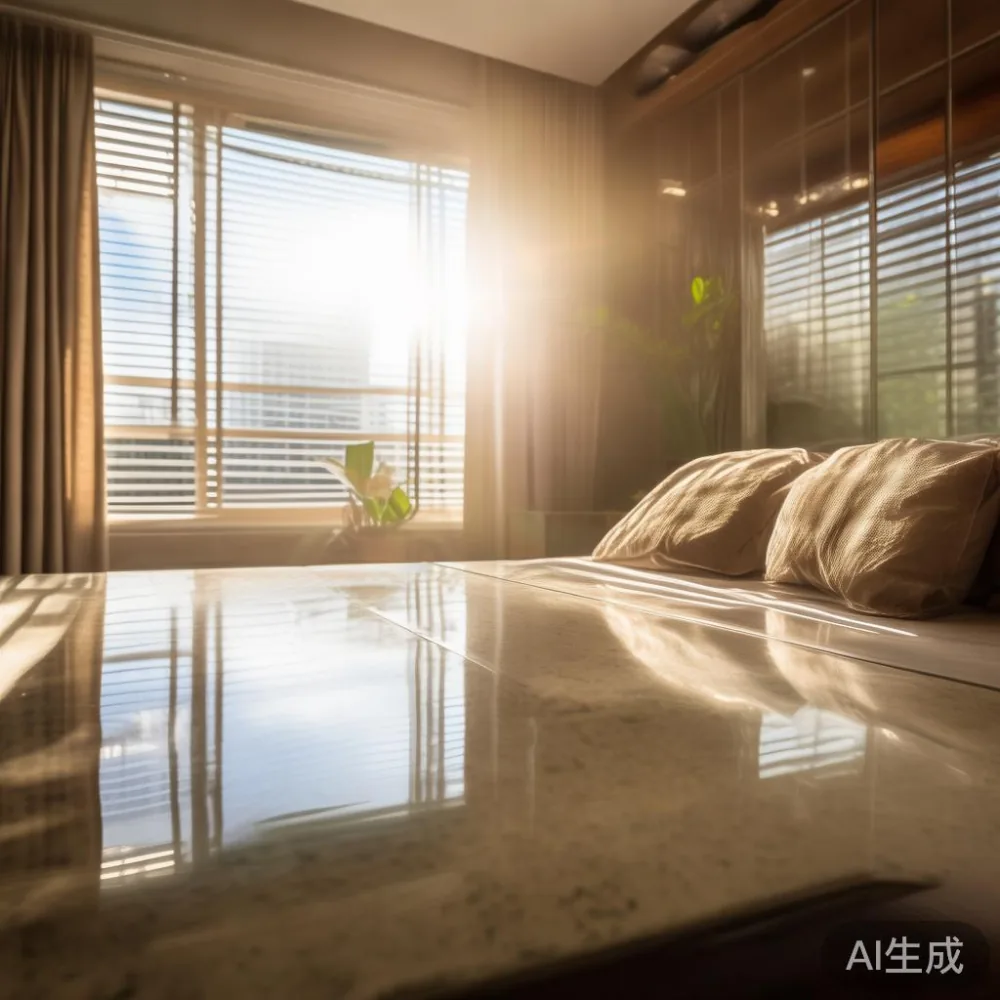
What is the difference between Modern light luxury bed frame and modern furniture?
A Modern light luxury bed frame is a solid wood bed frame finished with high-gloss or matte lacquer, slimline metal or brass-tipped feet, and restrained proportions inspired by French light luxury and Italian post-modern light luxury; modern furniture, by contrast, is a broader design language covering any material, any finish, any era that emphasises clean lines, so the two overlap in silhouette but the light-luxury piece is defined by its lacquered solid wood construction and quiet metallic accents.
In practical terms, that distinction matters for care. A lacquered French light luxury headboard in a Punggol condo will show fingerprints under raking window light and will react to a wet cotton T-shirt thrown across it at the end of the day. A plain modern fabric headboard will not. If you have chosen a light-luxury bed frame, you have chosen a finish that rewards habit.
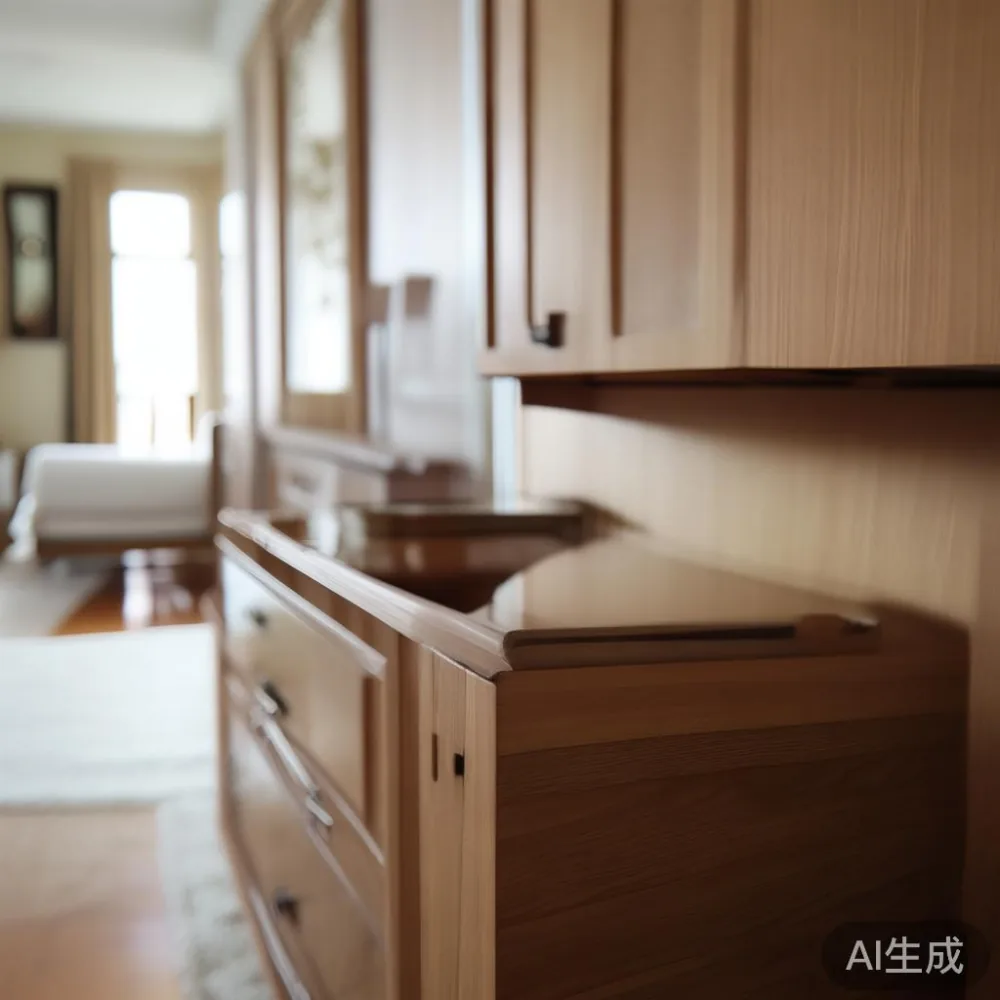
How should I set up the room before the delivery truck arrives?
Lacquered solid wood furniture should never sit in an empty, half-built room. Before your 2.4 m tall wardrobe or 2.2 m long dining table is carried up the service lift, get the bedroom into a stable state. Run the air-con at 23 to 25°C for at least 48 hours. Run a dehumidifier to bring RH down to the 50 to 60% band. Confirm the corridor is at least 1.2 m wide and the lift opening at least 0.9 m wide, which is standard for most Singapore HDB blocks but worth checking in older Bedok or Queenstown estates where service lifts are narrower.
Leave the furniture in its packaging for 24 hours inside the bedroom if it arrives on a rainy afternoon. The MDF or plywood crating protects the lacquer from sudden temperature shifts, especially when a 40°C delivery truck opens its doors into a 24°C lift lobby. A 20°C swing in 5 minutes can shock a lacquer film far more than steady tropical humidity ever will.
What is the weekly routine that actually protects lacquer?
Wipe with a damp microfibre cloth, not a dry one. A dry cloth on dry lacquer creates micro-scratches that look like spider webs under oblique light. A lightly damp cloth (just potable water, no vinegar, no lemon) lifts dust without abrasion. Wring the cloth until no water drips from it; if you can see a film of water on the surface, you have used too much.
Dry the surface within 60 seconds using a second, clean microfibre cloth. Lacquer hates standing water more than it hates humidity, because a 5-minute puddle can leave a permanent white ring on a dark walnut finish. For a 1.5 m wide nightstand or a 1.2 m marble-top bedside table, this routine takes about 90 seconds. For a 6-seater dining table, budget 4 minutes.
Every quarter, apply a thin coat of paste wax designed for lacquer, such as a beeswax blend without silicone. Use roughly a 5-cent-sized dab on a soft cloth, spread it in circular motions across a 60 cm x 60 cm area, then buff after 8 minutes. Paste wax does not "feed" the wood (lacquer blocks that path anyway), but it fills micro-pores in the film and slows moisture exchange.
Which products and habits should I avoid completely?
Skip silicone-based polishes, even the famous ones. Silicone seeps into seams and contaminates the surface so that future refinishing becomes harder. For a piece under a 10-year structural warranty and a lifetime refinishing promise, you want the lacquer to remain recoatable, not sealed with an incompatible polymer.
Skip ammonia, bleach, alcohol-based sprays, and "wet wipe" disinfectants. A single wipe with an alcohol-heavy sanitiser can dull a satin lacquer in one pass. Skip coaster-less cups; a 250 ml glass of iced water at 4°C placed directly on a 27°C lacquered surface will leave a ring within 20 minutes. Use coasters, felt pads under table lamps, and fabric mats under ceramic vases.
Skip placing the wardrobe or bed frame directly against an external wall if your flat is on a high floor. External walls in Singapore HDB blocks can run 2 to 3°C cooler than internal walls during a 26°C night, and the resulting micro-condensation feeds the very blooming you are trying to prevent. Leave a 3 to 5 cm air gap behind the wardrobe using a simple timber batten, or position the piece 8 cm off the wall.
How do I handle spills, ring marks, and small scratches?
For a fresh spill, blot, do not wipe. Use the corner of a dry microfibre cloth and lift the liquid in one motion. For a white water ring left overnight on a nightstand, place a thick cotton cloth over the mark and press a warm (not hot) iron against it for 8 seconds; the residual moisture often reabsorbs into the lacquer film. Test on the inside of a wardrobe door first.
For a shallow scratch under 0.2 mm deep, a walnut meat rubbed across the line can disguise the contrast on medium-toned wood. For deeper marks, resist the urge to use furniture touch-up pens from hardware chains; the dye mismatch is usually visible in raking window light. Instead, photograph the mark under daylight and send it to the maker; lifetime refinishing typically costs between SGD 180 and SGD 420 per panel for a bed frame in Singapore, well below replacement.
Can I bring in a piece from overseas, and how does shipping affect lacquer?
Yes, and this is where buyers often forget that a 40-foot container crossing the South China Sea can sit in 90% RH salt air for 18 to 25 days. By the time the container is opened at a Jurong warehouse, the internal humidity can exceed 95%. A solid wood sofa frame, a dining table, or a bed frame that left the Foshan factory at 8% moisture content can arrive in Singapore at 12 to 14% moisture content. Reputable Foshan makers, including established exporters shipping to 15 or more countries, condition the wood to roughly 10 to 12% before packing, which matches Singapore's 60 to 80% RH equilibrium reasonably well.
Ask your supplier for the moisture-content reading at the time of packing, expressed as a percentage. Anything between 9 and 12% is reasonable for a tropical destination. Anything above 14% means the wood will shrink noticeably in your air-conditioned bedroom within the first three months, and joints on wardrobes can open by 1 to 2 mm. For delivery within Singapore, expect 14 to 21 working days from order to doorstep for made-to-order lacquered pieces, with free shipping typically above SGD 350 and 14-day returns as a baseline.
How does bedroom design influence lacquer care day to day?
Bedroom design is not only about picking a bed frame and matching nightstand; it controls the microclimate around your solid wood furniture. A well-planned Singapore bedroom design keeps the lacquered wardrobe away from the en-suite bathroom door, where a 90 cm opening can release a slug of humid air after every shower. It positions the bed frame so that direct afternoon sun from a west-facing HDB window does not fall on the headboard for more than 30 minutes a day; UV breaks down lacquer binders faster than moisture does.
Use blackout curtains with a white backing; they cut UV transmission from roughly 25% down to under 2%. Pair the curtains with sheer linen so you still get diffused daylight, which is gentler than either full sun or full dark. A thoughtful bedroom design also includes a 1.5 to 2 m gap between the bed frame and the wardrobe doors so air circulates, and a slimline 30 to 40 cm deep dresser or marble-top console that breaks up the wall without crowding the lacquered surfaces.
What does a real maintenance year look like for a Singapore homeowner?
My colleague keeps a small humidity log pinned to the inside of her wardrobe door in a Punggol Waterway Terrace unit. She aims for 55% RH year-round, uses a 12-litre dehumidifier on a hygrometer, and empties it every morning. In January she applies paste wax to the dining table and the bed frame headboard. In April, before the inter-monsoon peak, she cleans both pieces with a barely damp cloth and buffs dry. In July she checks wardrobe hinges for the 1 mm sag that often appears as the wood settles. In October she photographs any new marks under daylight and files them with the maker if needed.
Across one year, her consumables cost about SGD 45: two microfibre cloths, one tin of paste wax, and a replacement hygrometer battery. Her time investment is roughly 30 minutes per week. That routine, applied consistently, is the difference between a lacquered solid wood bed frame that looks tired at year five and one that still photographs well at year fifteen.
Where can I get reliable lacquered solid wood furniture built for a tropical climate?
Look for a maker that specifies kiln-drying to 10 to 12% moisture content, that seals end-grain on wardrobes with two extra coats of lacquer, and that offers both a 10-year structural warranty and a lifetime refinishing service. Foshan-based workshops that have exported to 15 or more countries since the late 2000s tend to understand tropical conditions because they ship to Malaysia, Indonesia, the Philippines, and the Gulf states alongside Europe. MIDHILL, for example, has shipped lacquered bed frames, wardrobes, and dining tables into Singapore for years, and its lifetime refinishing promise means that even a piece that hazes after a decade can be returned for a factory-grade recoat. That kind of long-term support is rarer than the marketing suggests, and it is worth asking for the policy in writing before you place a SGD 2,400 to SGD 6,800 order for a king-size bed frame.
Quick reference checklist for the next 14 days
Day 1: buy a hygrometer (SGD 18 to SGD 35) and place it on the inner wardrobe wall, 1.5 m off the floor. Day 2: run the air-con or dehumidifier until RH reads 55%. Day 3: move the bed frame 8 cm off any external wall. Day 4: replace any silicone polishes in the house with a beeswax paste. Day 7: wipe every lacquered surface with a damp-then-dry microfibre routine. Day 10: inspect wardrobe tops and headboard corners for early haze. Day 14: apply paste wax to the dining table only, leave the bed frame and wardrobe to cure further.
After that, repeat the wipe routine weekly, wax quarterly, and photograph the room once per season under daylight. The goal is not perfection; the goal is steady, predictable ageing. A lacquered solid wood bed frame in a Tampines HDB, in a Bedok condo, or in a Punggol EC can absolutely outlast its warranty if the room around it is treated as a small piece of joinery in its own right.
If you are starting from scratch with a new bedroom design and you want guidance on proportions, panel widths, or how a 1.6 m x 2.0 m light-luxury bed frame will sit inside a 3.6 m x 3.2 m HDB master bedroom, sketch the room to scale first, mark door swings, and only then shortlist pieces. The care routine above will only carry a piece that has been correctly sized and correctly placed. Once both are right, lacquer becomes a quiet pleasure rather than a worry, and the bedroom you have designed will look intentional from the day the delivery team leaves.