The Long-Term Value of Solid Wood in Your Bedroom Design
Choosing furniture for your bedroom design is a significant decision, especially in Singapore where living spaces are optimised and budgets are carefully managed. The debate between veneer and solid wood options has long been a point of discussion for homeowners in HDB flats across Tampines and Bedok, as well as residents in the more spacious condos of Punggol. While veneer furniture might present a lower initial price point, a five-year cost analysis reveals a different story when you factor in durability, maintenance, and replacement cycles. This article provides a detailed, numbers-driven comparison to help you understand the true financial and practical implications of your choice for your bedroom design.
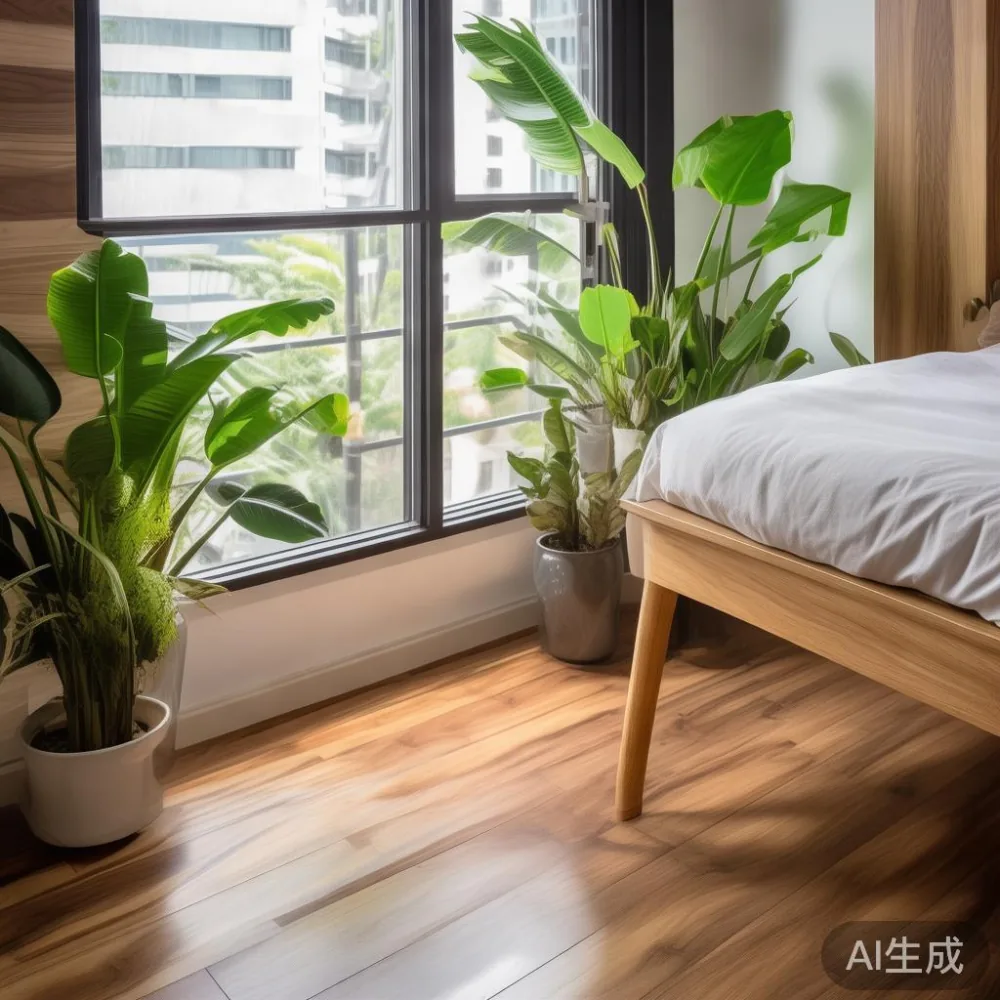
Understanding the Core Difference: Solid Wood vs Veneer
The fundamental distinction lies in construction. Solid wood furniture is crafted from a single piece of wood or solid wood panels joined together. A solid oak bed frame, for example, is made entirely from oak. Veneer furniture, on the other hand, uses a thin layer of real wood (the veneer) glued over a composite core like MDF (Medium-Density Fibreboard) or particleboard. This core is significantly less stable and more susceptible to environmental changes like Singapore's humidity, which can cause warping and delamination over time.
For a bedroom design, this difference is critical. A solid wood wardrobe can withstand the weight of hanging clothes and seasonal changes in a condo's climate-controlled environment. A veneer wardrobe might look fine initially, but the MDF core can sag under the load of a full wardrobe, and the veneer can peel at the edges where moisture inevitably seeps in. The weight is also a practical consideration; a solid wood nightstand will be heavier and feel more substantial, whereas a veneer equivalent might feel hollow and cheap.
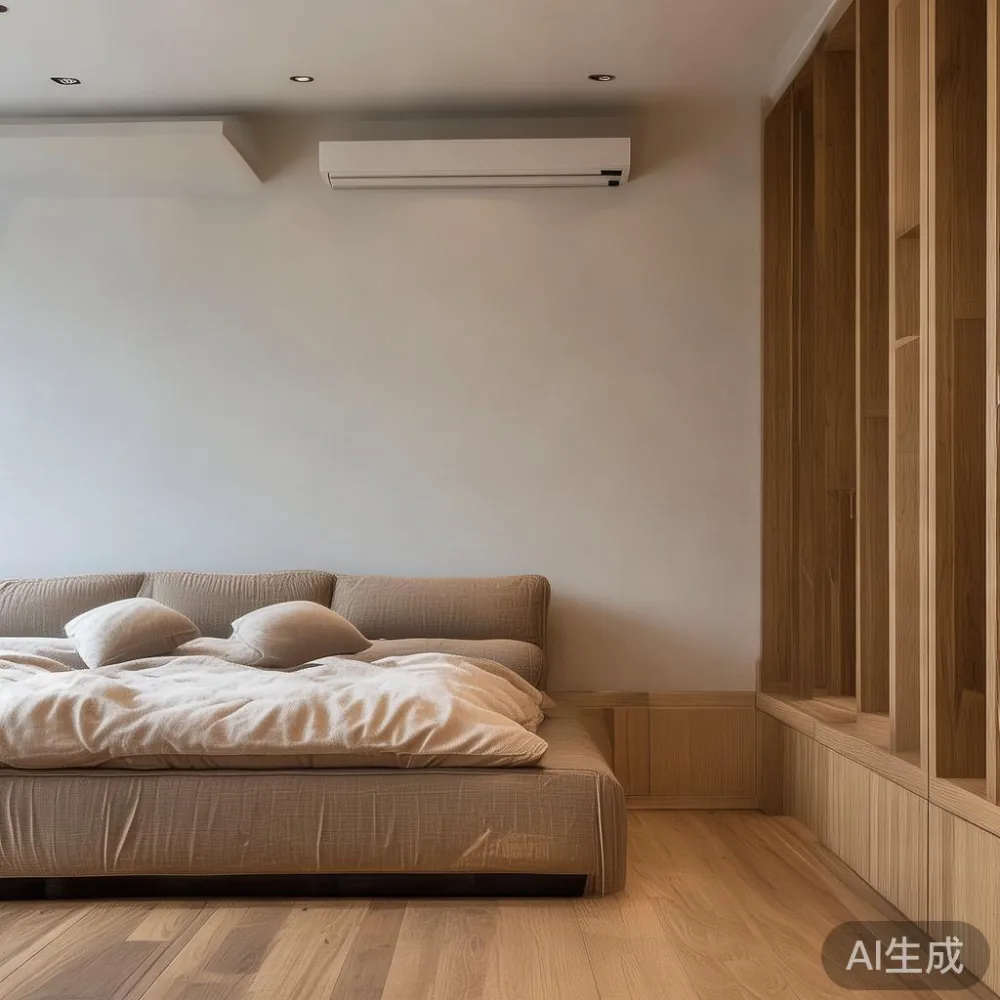
Initial Purchase Price: The Upfront Cost Breakdown
The most apparent difference is the initial cost. Let's consider a typical bedroom design set: a queen-sized bed frame, a 6-door wardrobe, a nightstand, and a dressing table with a marble top. We will use prices representative of the Singapore market, including 9% GST.
Solid Wood Bedroom Set (e.g., Solid Oak)
- Queen Bed Frame: SGD 2,800
- 6-Door Wardrobe: SGD 4,500
- Nightstand: SGD 650
- Dressing Table with Marble Top: SGD 1,800
- Subtotal: SGD 9,750
- 9% GST: SGD 877.50
- Total Initial Cost: SGD 10,627.50
Veneer Bedroom Set (e.g., Oak Veneer over MDF)
- Queen Bed Frame: SGD 1,500
- 6-Door Wardrobe: SGD 2,200
- Nightstand: SGD 350
- Dressing Table with Marble Top: SGD 1,200
- Subtotal: SGD 5,250
- 9% GST: SGD 472.50
- Total Initial Cost: SGD 5,722.50
At first glance, the veneer set is SGD 4,905 cheaper. This price difference is substantial and often the primary driver for the purchase. However, this is only the first chapter of the story. The true cost of ownership is revealed over time.
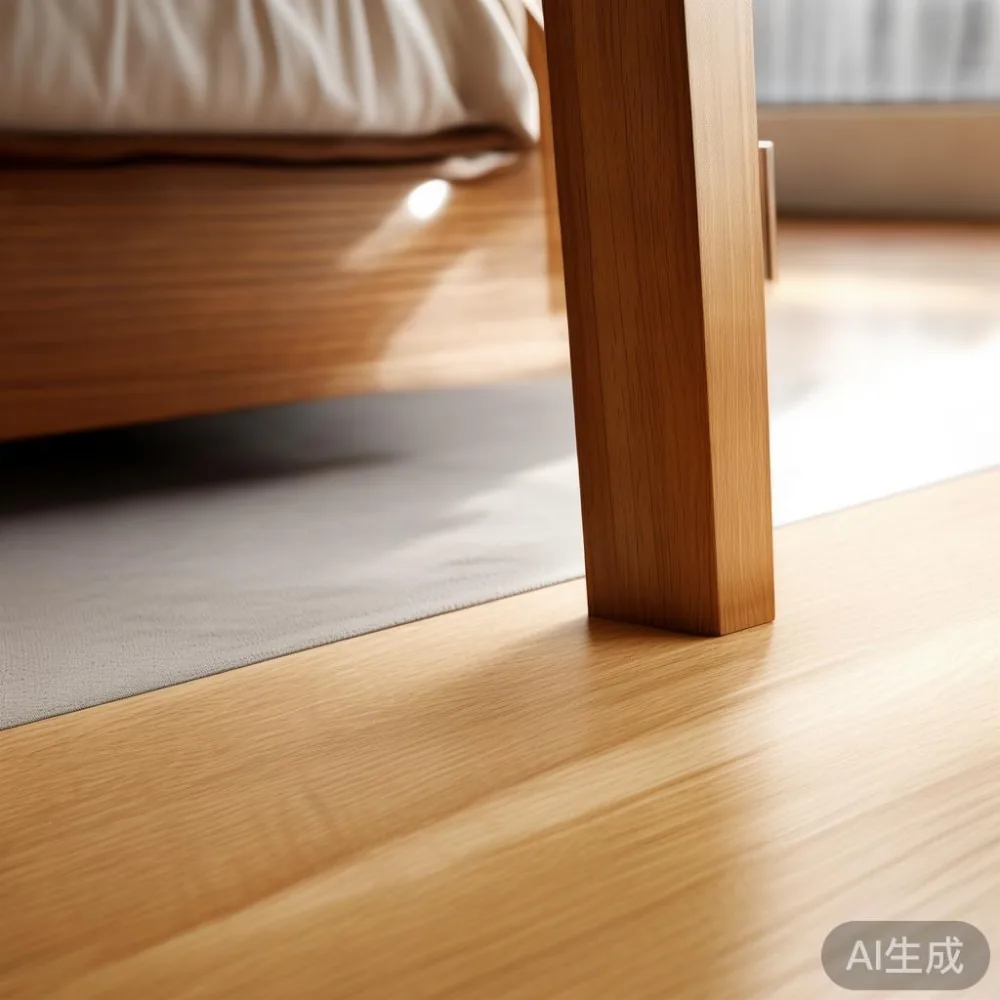
Year 1-2: The honeymoon phase and minor wear
During the first two years, both furniture sets will likely perform adequately. The veneer pieces will maintain their appearance, and the solid wood items will begin to develop a unique patina. The only significant expense during this period is delivery. Most companies, including some like MIDHILL, offer free shipping over a certain threshold. Let's assume a delivery fee of SGD 80 for the veneer set and SGD 120 for the heavier solid wood set.
For a bedroom design, the initial assembly is also a factor. Solid wood pieces are heavier and may require two people for placement, whereas veneer items are lighter. There are no material costs for repairs yet. The total cost of ownership at the end of year two would be:
- Solid Wood Total: SGD 10,627.50 + SGD 120 = SGD 10,747.50
- Veneer Total: SGD 5,722.50 + SGD 80 = SGD 5,802.50
The veneer option still holds a significant lead in terms of expenditure.
Year 3: The first signs of wear and tear
This is where the paths begin to diverge. Singapore's climate, with its high humidity, puts furniture to the test. The composite cores in veneer furniture are hygroscopic, meaning they absorb and release moisture.
p>Last month I visited a client in a Bedok HDB flat. She had purchased a veneer dining table and a cheap light luxury furniture set for her master bedroom three years prior. The veneer on the table's edges had started to bubble and lift due to condensation from air-conditioning. Her wardrobe door, which was a veneer over a hollow-core MDF, had developed a noticeable sag in the middle. The repair quote she received was to replace the entire door, costing SGD 450. This is a common point of failure. The cost to repair a solid wood door is virtually zero; a simple tightening of the hinges or a light sanding and re-oiling is all that's needed.
Let's add these potential repair costs to our five-year analysis. We'll assume a 30% chance of needing a repair on the veneer wardrobe and a 10% chance for the veneer bed frame. The average repair cost is SGD 400 per item.
- Veneer Repair Costs (Year 3): (0.3 * SGD 400) + (0.1 * SGD 400) = SGD 120 + SGD 40 = SGD 160
The solid wood set requires no repairs. Its total cost remains at SGD 10,747.50. The veneer set's total is now SGD 5,802.50 + SGD 160 = SGD 5,962.50. The gap is closing.
Year 4-5: The cumulative effect of damage and replacement
By year four and five, the issues with the veneer furniture become more pronounced and more expensive to fix. The sag in the wardrobe door might worsen, and the finish on the bed frame could start to peel in several places. The MDF core is now structurally compromised. Repairing it is often a temporary fix; the damage will reappear.
At this point, many homeowners face a choice: continue pouring money into repairs or replace the entire piece. A full replacement is often more economical than multiple partial fixes. Let's calculate the cost of replacing the most damaged items: the wardrobe and the bed frame.
- Replacement Veneer Wardrobe: SGD 2,200 + 9% GST = SGD 2,398
- Replacement Veneer Bed Frame: SGD 1,500 + 9% GST = SGD 1,635
- Total Replacement Cost: SGD 2,398 + SGD 1,635 = SGD 4,033
This is a major expense. Let's assume the homeowner chooses to replace both items in year five. Their cumulative cost is now:
- Initial Cost: SGD 5,722.50
- Year 2 Delivery: SGD 80
- Year 3 Repairs: SGD 160
- Year 5 Replacement: SGD 4,033
- Total Veneer Cost (5 years): SGD 9,995.50
Now, let's look at the solid wood set. It has aged gracefully. The natural wood grain has deepened, and the French bed vs Modern bed debate is won by the timeless appeal of its solid oak construction. It may require a light refinishing to restore its original lustre. A professional refinishing service for a bed frame and wardrobe might cost SGD 800. However, many solid wood brands offer a lifetime refinishing service. For this example, let's assume the owner opts for a professional service at year five.
- Solid Wood Total (5 years): SGD 10,747.50 + SGD 800 = SGD 11,547.50
At the five-year mark, the veneer set has cost SGD 9,995.50, while the solid wood set has cost SGD 11,547.50. The veneer is still cheaper. But let's consider the value proposition. The veneer set is now a mix of old and new pieces, potentially mismatched. The solid wood set is a cohesive, complete set that has actually improved in appearance.
Is the lower price of veneer furniture really a good deal in the long run?
This question gets to the heart of the matter. The five-year cost comparison shows veneer as the cheaper option on paper. But this calculation misses several critical factors that affect the true cost of ownership and the quality of your bedroom design.
First, consider longevity. A well-made solid wood wardrobe from a company like MIDHILL can last 30-50 years or more. The same veneer wardrobe is often considered disposable, lasting perhaps 7-10 years before it needs complete replacement. If you extend the timeline to 10 years, you would likely need to replace the veneer set again. The cost of a second veneer set would be another SGD 6,000+, bringing the 10-year cost far beyond that of the single, enduring solid wood purchase.
Second, consider the hassle and disruption. Replacing a large wardrobe in a Singapore HDB flat or condo involves working through narrow corridors and lift landings. In a Punggol condo, the process might be smoother, but in an older HDB block in Tampines, it can be a significant logistical challenge. This hidden cost of time and stress is never reflected in the price tag.
Third, think about aesthetics and health. Peeling veneer can harbour dust and mould, which is a concern in a humid climate like Singapore's. A solid wood surface is easier to clean and maintain hygienically. Also, the look of peeling or bubbling veneer detracts from the entire bedroom design, creating an eyesore that diminishes the comfort and appeal of your home.
Finally, there is the issue of value retention. High-quality solid wood furniture holds its value remarkably well. You could potentially sell a 10-year-old solid oak bed frame for a fraction of its original price. A 10-year-old veneer set, however, has virtually no resale value.
The concept of Modern light luxury for office spaces often relies on the same principles: clean lines, premium materials, and long-term durability. Applying this philosophy to your personal bedroom design makes perfect sense. Investing in a piece that is both beautiful and enduring is a smarter financial decision than repeatedly buying cheaper items that fail.
Additional Factors: Warranty, Refinishing, and Peace of Mind
When purchasing furniture, especially for a significant investment in your bedroom design, the warranty and after-sales service are non-negotiable. This is another area where solid wood furniture providers have a distinct advantage.
Reputable solid wood manufacturers often offer a 10-year structural warranty. This warranty covers defects in the wood, joinery, and construction. It is a guarantee of the product's quality and the manufacturer's confidence in its durability. Veneer furniture warranties are typically much shorter, often only covering the finish for one to two years, and rarely cover the structural integrity of the MDF core.
Another key benefit is refinishing. Solid wood can be sanded down and refinished multiple times over its lifetime. This allows you to change the colour of your French light luxury bedroom set from a dark walnut to a light oak without buying new furniture. This is a powerful feature that extends the life and adaptability of your investment. Veneer, once its thin surface is damaged, cannot be sanded or refinished. The damage is permanent.
Peace of mind is an intangible but valuable benefit. Knowing that your bedroom furniture is built to last, that it comes with a strong warranty, and that it can be refinished to look like new provides a level of security that cheap alternatives simply cannot match. This is particularly important for families in Singapore, where homes are long-term investments.
Conclusion: A 5-Year Value Proposition
After a detailed five-year analysis, the financial picture becomes clearer. While veneer furniture has a lower initial cost, the cumulative expenses of repairs, potential replacements, and the hidden costs of hassle and diminished aesthetic value begin to close the gap. When you factor in the longer lifespan, superior durability, and value retention of solid wood, the initial higher price starts to look less like an expense and more like an investment.
For your bedroom design, choosing solid wood is a commitment to quality, longevity, and timeless style. It is a choice that you will not have to revisit in five years, saving you money, time, and stress in the long run. The best American sofa for 2026 is not necessarily the cheapest one, but the one that will be a part of your home for decades to come. The same logic applies to every piece in your bedroom. When you consider the full lifecycle cost, solid wood emerges as the more prudent and ultimately more economical choice for creating a beautiful, functional, and lasting bedroom design.