Veneer or Solid Wood? A 5-Year Cost Comparison for Singapore Bedroom Design
A solid wood bed frame can look expensive on delivery day, but price tells only half the story. Veneer can make a convincing visual match for less, yet its long-term costs depend on moisture, sunlight, transport, maintenance and repair. For Singapore homes, the more useful comparison is not simply what a wardrobe or nightstand costs today, but what each option is likely to cost over 5 years.
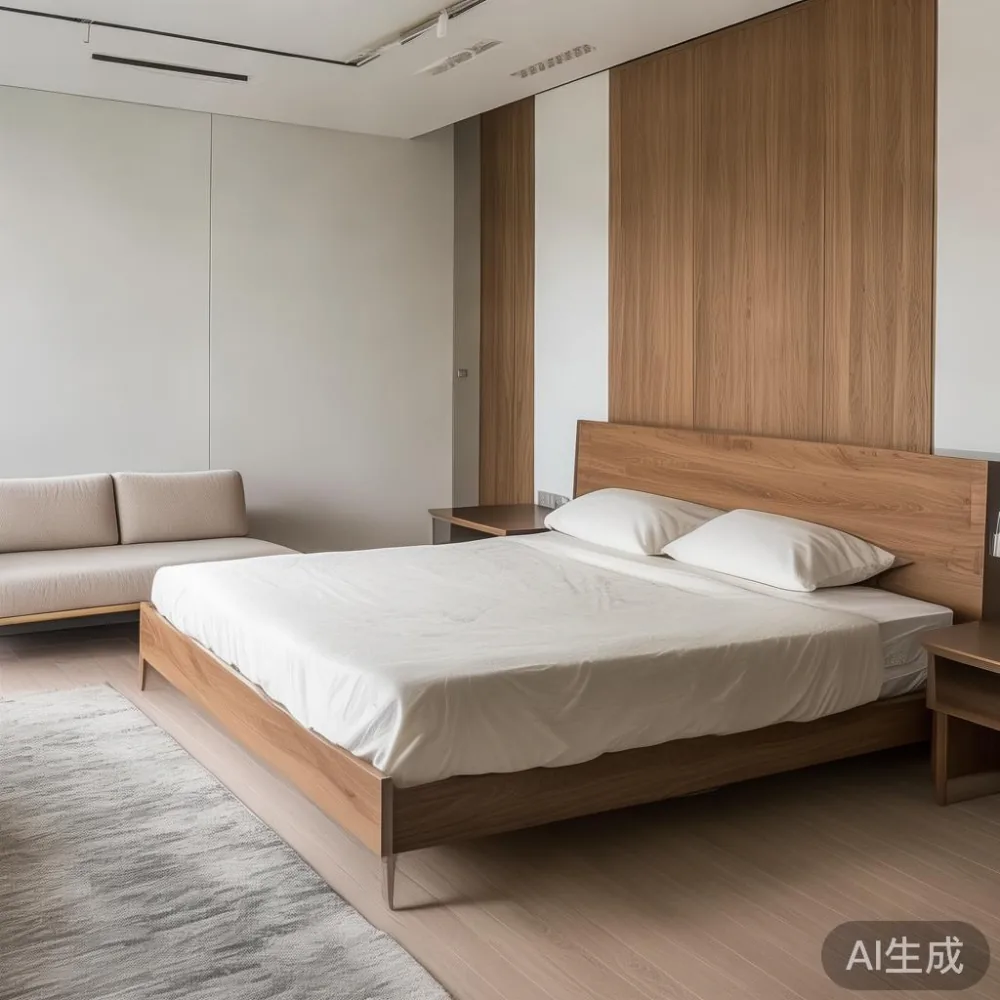
This comparison focuses on bedroom design in HDB flats and private condos across Tampines, Bedok and Punggol. Lift sizes, narrow corridors and year-round humidity all affect the result. Prices below use Singapore dollars and include GST, while delivery and installation assumptions are stated clearly.
What is the real difference between veneer and solid wood furniture?
Veneer furniture uses a thin layer of wood, usually 0.6 mm to 1.2 mm, bonded to a manufactured board such as MDF or plywood. Solid wood furniture uses timber throughout the visible and structural components. Walnut, oak, ash, teak and rubberwood are common choices, although species vary in price and behaviour.
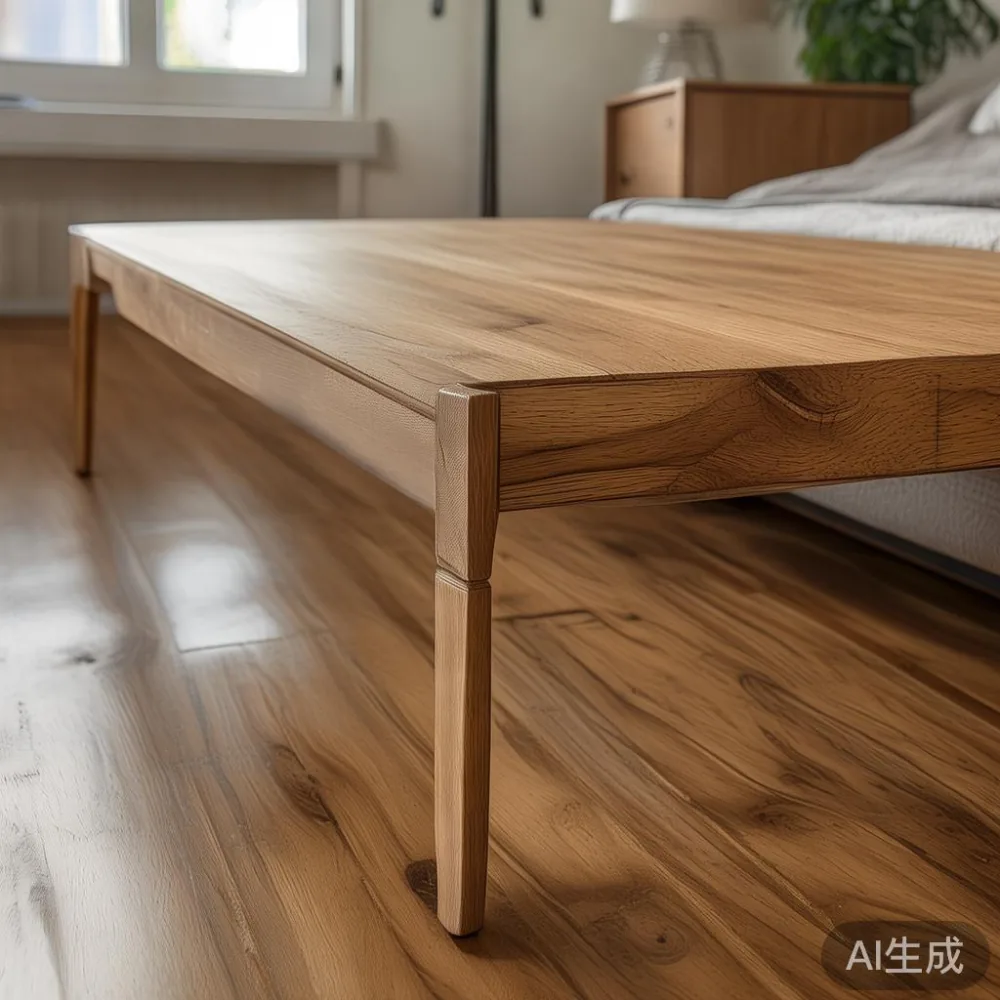
A typical queen bed frame might have an footprint of 160 cm by 200 cm and weigh 45 kg to 75 kg, depending on solid timber, joinery and the mattress support. A veneered version may weigh 28 kg to 45 kg. A 160 cm-wide wardrobe may stand 190 cm to 220 cm high, while a 50 cm nightstand may be 45 cm to 60 cm high.
That construction difference affects more than appearance. A solid piece can usually be sanded and refinished when the surface is marked, whereas veneer cannot be repaired through sanding without exposing the board beneath. Veneer may also chip at edges, and moisture can cause swelling or delamination if adhesive and board specification are poor.
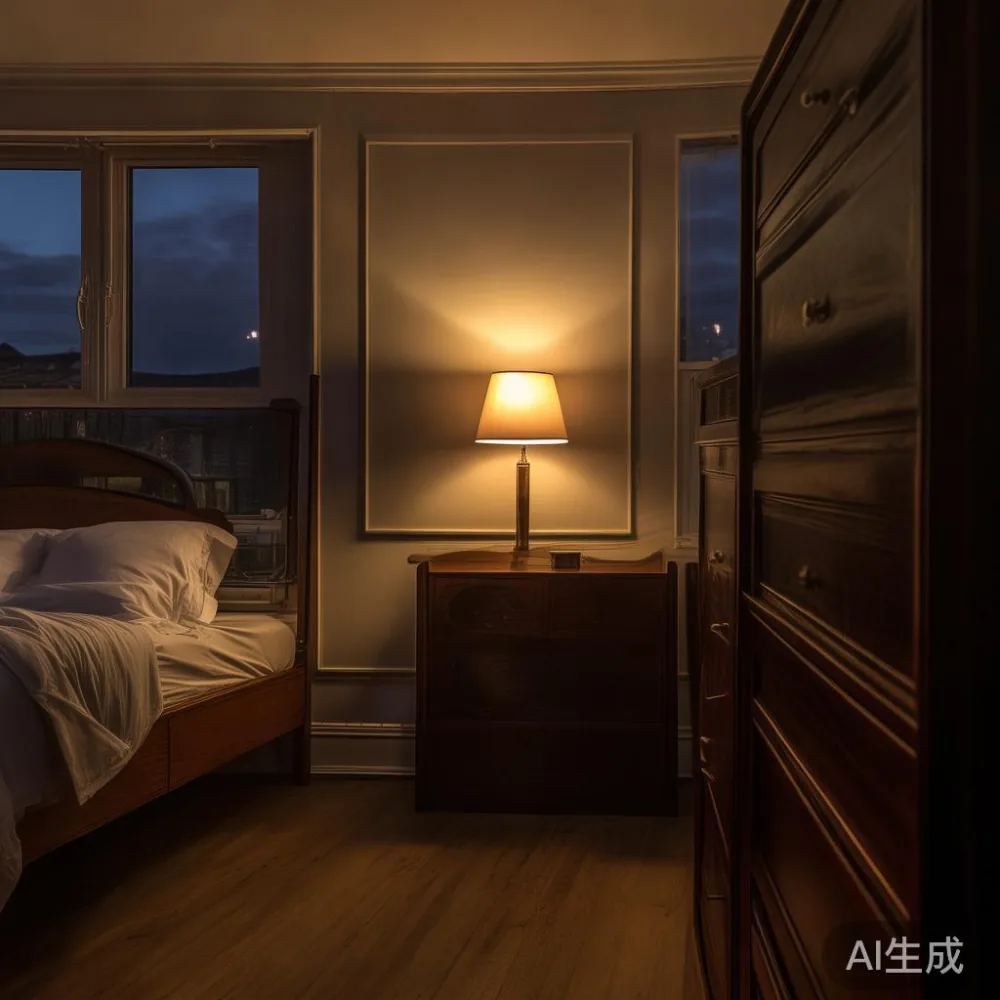
For bedroom design, “solid wood” should be verified rather than inferred from a brown grain pattern. Ask whether the bed frame, wardrobe carcass, drawer boxes and visible panels are timber or board. MIDHILL’s 10-year structural warranty provides a useful baseline, and its lifetime refinishing policy is relevant to long-term appearance, although exact coverage should be confirmed for each product.
How much does veneer and solid wood furniture cost in Singapore?
For a fair 5-year comparison, consider representative items rather than one unusually cheap or unusually heavy product. The following estimates are practical retail planning ranges for mid-market furniture sold in Singapore and include GST.
A queen-size solid wood bed frame generally falls between SGD 1,280 and SGD 2,680. A comparable veneered bed frame may cost SGD 720 and SGD 1,420. A 2-door solid wood wardrobe may cost SGD 1,580 and SGD 3,280, compared with SGD 1,080 and SGD 2,180 for veneer. A solid wood nightstand may cost SGD 280 and SGD 520, while a veneered model may cost SGD 160 and SGD 320.
These ranges can be further affected by timber grade, dimensions and finish. A 200 cm-long solid wood dining table may exceed SGD 2,400, but it sits outside the bedroom focus here and serves only as a reference for large-piece handling. A marble table can also weigh 70 kg to 140 kg, making careful lift planning important even when it is used as a bedroom side table.
Delivery in Singapore is rarely only about vehicle distance. A bed frame or wardrobe may need 30 to 90 minutes of carrying when a condominium lift is not suitable for the packed carton. Narrow corridors of 90 cm to 110 cm can require the carton to be turned repeatedly. Older HDB blocks may also have a 70 cm to 85 cm internal opening at the service entrance, depending on the building.
MIDHILL offers free shipping on orders above US$350, which is approximately SGD 460 at a planning exchange rate of 1.32. A full bedroom order should clear that threshold, although white-glove placement inside the room may remain chargeable. Allow 7 to 14 delivery days for a made-to-order Singapore order, plus 3 to 7 days if the piece is produced before dispatch.
Which option costs less over 5 years?
For a new, properly installed room, veneer usually has the lower initial purchase cost. Solid wood usually costs more upfront, but that does not mean every solid wood purchase is cheaper over 5 years. The following example uses one queen bed frame, one 2-door wardrobe and two nightstands.
A mid-priced veneered set might total SGD 1,440 for the bed, SGD 1,380 for the wardrobe and SGD 360 for 2 nightstands, producing SGD 3,180. A mid-priced solid wood set might total SGD 2,080, SGD 2,180 and SGD 680, or SGD 4,940. The solid wood set therefore begins SGD 1,760 higher.
Now add realistic ownership costs. Assume SGD 80 for minor veneer repairs or edge touch-ups during 5 years, SGD 100 for one set of protective coasters or felt pads, and SGD 120 for an extra delivery visit if a damaged carton cannot enter the lift. Total expected veneer ownership cost is about SGD 3,480.
For solid wood, assume SGD 180 for one refinishing touch-up, SGD 120 for protective accessories and SGD 120 for one delivery visit, giving a 5-year figure of SGD 5,360. In this scenario, veneer remains SGD 1,880 cheaper over 5 years. The saving is about 35 percent against the solid wood outlay.
However, a damaged veneer edge can be expensive to replace because the whole panel may need substitution. If one wardrobe panel, one drawer front and one bed-frame section are replaced over the period, add roughly SGD 500 to SGD 1,100. The veneer total then becomes SGD 3,980 to SGD 4,580, while solid wood remains around SGD 5,360.
That changes the decision only slightly. Solid wood becomes the more economical option over 5 years when damage reaches several high-visibility parts, or when the buyer values refinishing rather than replacement. The conclusion depends less on a slogan and more on measured repair exposure.
Used furniture needs a different calculation. A 5-year-old solid wood bed frame might be worth SGD 500 to SGD 900 before refinishing, while an equivalent veneered frame might sell for SGD 180 to SGD 350 if its substrate remains sound. In resale, solid wood can command a premium only when the timber, construction and finish are clearly documented.
What do Singapore humidity, sunlight and HDB living conditions change?
Singapore’s outdoor humidity commonly ranges from about 65 percent to 90 percent, and indoor air-conditioning may reduce it to 45 percent to 65 percent. Direct afternoon sun can raise a wardrobe surface above 35°C even when room temperature is near 26°C. These conditions matter for both choices.
Quality solid wood moves with humidity by expanding and contracting. Good-quality veneered furniture can also perform well when the board, adhesive and edge sealing are sound. Low-grade veneer may bubble, crack or lift at exposed edges. Keep either option at least 15 cm from a window if possible, and use blinds in west-facing Tampines or Bedok rooms.
In HDB flats, check the lift door and internal dimensions before ordering. A carton wider than 90 cm may still enter a 100 cm-wide lift diagonally, but a solid wood bed frame packed in a rigid box can be 170 cm long. Large wardrobes are often delivered as knock-down panels for this reason. Flat-pack design can reduce weight, but it also introduces hardware and joint tolerances that should be inspected on arrival.
Condo corridors may look generous but include fire doors, corners and signage that reduce usable clearance. For a Punggol or Tampines condo, send the site manager the carton dimensions, not merely the furniture dimensions. A 55 cm-deep wardrobe carton and a 165 cm-long bed carton are more useful figures for access planning.
Measure the bedroom door as well. A 70 cm door with an 80 cm-wide nightstand may force the piece to be assembled inside the room. This can add 30 to 90 minutes to installation and create scratching risk near the skirting board.
How much should maintenance, refinishing and repairs cost?
Both materials need sensible care. Dust with a microfibre cloth weekly, lift items rather than dragging them, and keep moisture away from floor edges. Use coasters with a diameter of at least 8 cm and replace felt pads every 12 to 18 months. Avoid steam cleaning and direct chemical spray.
A small veneer scratch may require colour matching and localized repair, often costing SGD 80 to SGD 250 per affected panel. A chipped corner can cost SGD 120 to SGD 350. Replacing a drawer front may cost SGD 180 to SGD 450, including fitting where applicable.
Solid wood scratches can often be concealed by local restoration. A professional touch-up may cost SGD 60 to SGD 180, while a full refinishing service for a bed frame may cost SGD 220 to SGD 450. A wardrobe can cost SGD 350 to SGD 750 because its vertical surfaces, edges and hardware access take longer.
These are planning figures rather than quotations. The repair method, timber species, finish and local access all affect labour. A retailer’s lifetime refinishing policy may reduce future surface-restoration costs, but consumers should confirm whether it covers freight, collection, recoating or only manufacturing defects.
For design-sensitive projects, solid wood offers a repair advantage. A rubbed table edge or marked nightstand top can be restored without changing the board beneath. Veneer offers a different advantage: it allows decorative grain patterns at a lower material cost and can keep large bedroom furniture lighter.
Which bedroom furniture is easier to move and install?
Veneer is often lighter because the board core contains less dense timber. Moving a 45 kg veneered bed frame into a HDB flat may require 2 people and about 15 minutes. A 70 kg solid wood frame may require 2 people and 20 to 40 minutes, particularly when it must be manoeuvred around a corridor corner.
Wardrobes are more complicated. A 2-door unit weighing 55 kg to 110 kg may be delivered as panels, while a smaller solid wood unit weighing 35 kg to 60 kg may arrive assembled. Label every component, photograph the hardware positions and check doors, drawer runners and cam locks before the delivery team leaves.
For a small bedroom, under-bed drawers may save 25 cm to 40 cm of floor space, but the bed frame may become 10 cm to 18 cm taller. A 160 cm by 200 cm bed in a 250 cm-wide room can leave only 45 cm on each side, which is narrow for daily movement. Plan a 60 cm minimum route where possible, or 75 cm in a frequently used bedroom.
People researching Scandinavian for guest room layouts should focus on clearance and restraint rather than copying a catalogue image. A slim 40 cm-wide nightstand can work beside a 160 cm bed, while a 50 cm model leaves more usable space. A compact Scandinavian guest room can still feel calm through pale finishes, concealed storage and 2 to 3 wall colours.
For occasional sleeping use, a guest-room bed can be a storage bed with a lift-up mattress platform. Inspect the lifting mechanism, because the closed unit may weigh 50 kg to 85 kg and the mattress may add 15 kg to 35 kg. Keep one side clear for lifting.
How do light-luxury bedroom styles change the comparison?
French light luxury tends to use curved silhouettes, cream upholstery, timber tones and decorative moulding. Post-modern light luxury often mixes clean-lined case goods with one sculptural feature. American light luxury is frequently wider, more architectural and organised around a substantial bed or upholstered headboard. In all 3 directions, grain consistency and finish quality are more visible in a bedroom than in a rarely used dining area.
That makes the material specification part of the bedroom design, not merely a construction note. A French-style nightstand with 3 drawers needs close alignment and smooth movement, which can reveal poor board construction. A post-modern wardrobe with a 6 mm projecting timber frame needs stable joints. An American-style bed with a wide 210 cm headboard requires adequate wall clearance and secure fixing.
Those working on how to choose European light luxury sofa can use a parallel process when checking upholstery and frame construction. If a sofa seat frame is solid wood but the back panel is thin board, confirm the suspension density and joinery before judging the feel. The same principle applies to a solid wood sofa bed frame: identify the load-bearing members rather than relying on a broad product label.
There are also style-specific comparisons worth keeping distinct. An American bed vs Italian light luxury bed usually concerns silhouette, comfort and detailing more than raw timber cost. Meanwhile, a search for best Japanese sofa for 2026 can identify compact proportions, but a Japanese-style low bed still needs the same moisture, movement and access planning.
For storage, the best Modern light luxury wardrobe for 2026 may combine a calm full-height front with an open display niche. Italian light luxury for guest room schemes often uses warmer timber and restrained metal hardware. Yet a small guest room should not gain a full wardrobe with deep hinged doors if 20 cm of floor space matters more than concealed storage.
Under every style, the practical question remains: will the finish age gracefully in this bedroom? Solid wood may develop minor movement lines and tonal variation that many owners accept as character. Veneer remains visually stable if protected, but edge damage is less forgiving.
What does a realistic 5-year ownership budget look like?
The following budget compares a veneered and solid wood set for one queen bedroom. It covers 1 bed frame, 1 2-door wardrobe and 2 nightstands, with mid-range examples rather than entry-level or highly ornate pieces.
For veneer, the purchase price is SGD 3,180. Add SGD 80 for minor repairs, SGD 100 for protective accessories, SGD 120 for a potential return delivery visit, and SGD 500 as a 5-year replacement allowance. The expected total is SGD 3,980, or SGD 796 per year.
For solid wood, the purchase price is SGD 4,940. Add SGD 180 for refinishing, SGD 120 for accessories, SGD 120 for an extra delivery visit and SGD 200 for long-term maintenance materials. The expected total is SGD 5,360, or SGD 1,072 per year.
The difference is SGD 1,380 over 5 years, with veneer lower in this scenario. If the wardrobe were 20 percent larger and the solid timber was teak rather than ash or rubberwood, the solid wood purchase price might rise by SGD 800 to SGD 1,600. That gap would need careful review because refinishing can restore appearance without replacing a whole piece.
Allow for inflation when setting money aside. A 3 percent annual increase applied to repair labour could add roughly SGD 40 to SGD 100 over 5 years, depending on the number of interventions. Keep the replacement allowance separate from maintenance. One failed drawer runner can cost SGD 40 to SGD 120, while a damaged wardrobe panel can exceed SGD 250.
MIDHILL’s 14-day returns period can reduce the risk of a poor fit if the customer measures carefully and checks the written condition. Solid wood and veneer both need inspection on arrival: look for veneer lifting at corners, uneven gaps, loose drawer joints and finish marks. Photograph the packaging before opening because a corner crush may explain a bowed panel.
What should a Singapore buyer inspect before ordering?
Start with a tape measure. Record the room, lift opening, corridor turns, bedroom door and final furniture position. For a queen bed, mark 160 cm by 200 cm plus the mattress overhang allowance. For a wardrobe, measure the opening, skirting, sockets and nearby furniture. A 5 cm error at the skirting can affect a 60 cm-deep carcass.
Next, inspect construction. Look for solid timber in the bed rails, wardrobe sides and drawer boxes where the product description says they are solid. Check whether back panels are thin, solid or fitted differently. Drawer runners should open smoothly through at least 25 cm where space permits. Hinges should align without scraping.
Ask for the 5-year expected maintenance schedule. In Singapore, a light cleaning every 1 to 2 weeks and an inspection every 6 months are practical. After long periods away, leave the air conditioner running for 2 to 4 hours before opening wardrobe doors, especially in humid Punggol or Bedok units.
For solid wood, confirm the refinishing terms, applicable timber species and expected movement. For veneer, ask about board substrate, edge sealing, veneer thickness and chip repair methods. A 0.6 mm veneer may be adequate for a stable decorative panel, while 1.2 mm can offer more repair resilience, but workmanship still matters.
Compare delivered prices, not showroom prices. Confirm whether SGD 3,180 includes GST, delivery to the unit lobby, carrying to the bedroom and assembly. Some quotes include room placement; others stop at the lift lobby. A 45 kg bed delivered only to the lobby may add SGD 80 to SGD 180 in access charges.
Is veneer or solid wood the better 5-year choice?
Veneer is the practical financial choice for most new Singapore bedroom projects: the example saves about SGD 1,380 to SGD 1,880 across 5 years, and pieces are lighter to move. It is particularly sensible for HDB bedrooms where access is tight, budget is fixed and furniture may move when the household changes.
Solid wood is the stronger choice when repairability, tactile character and long-term refinishing are priorities. It costs more at purchase, but minor marks can often be corrected without replacing a panel. Its higher weight can also create installation problems, so measure access before selecting a wide American-style or Italian-inspired design.
The decision for bedroom design should follow the likely life of the room. A rental flat used for 2 years may not justify a premium for refinishing. A family home occupied for 8 to 10 years may value it more. A frequent mover should consider disassembly, panel weight and reinstallation, which can add SGD 150 to SGD 500 over 5 years.
Owners comparing options can contact MIDHILL through +86 188 2788 2512 for a project quotation or specification discussion. Request the delivered price, packed dimensions, timber or board details, warranty exclusions and delivery scope before placing the order. That record turns a material preference into a measurable 5-year decision.