Styling a Small Apartment Bedroom Without Making It Feel Crowded
A compact bedroom does not have to feel crowded. In many Singapore HDB flats and condos, the usable floor area is limited, the bedroom door opens directly into the room, and a full-height wardrobe can visually halve the space. Thoughtful bedroom design can preserve circulation, contain clutter and still create the calm atmosphere of French light luxury, American light luxury or post-modern light luxury.
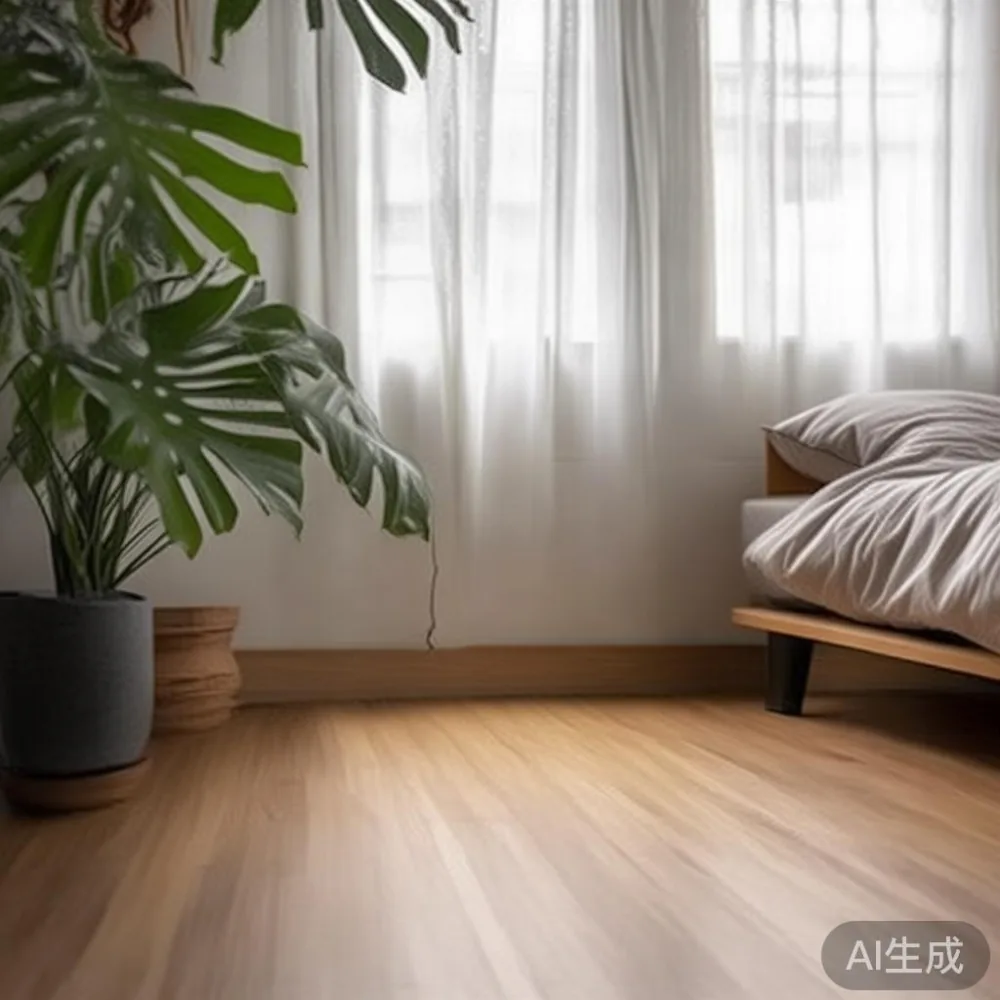
The goal is not to fill every centimetre. It is to make each piece earn its footprint. Dimensions should be checked before delivery, bulky furniture should be kept low where possible, and every storage decision should account for the realities of lifts, corridors and Singapore’s humid climate. A disciplined room often feels more generous than one packed with matching objects.
What dimensions should I measure before choosing bedroom furniture?
Measure the room from three points: wall to wall, wall to the opposite side of the wardrobe door, and door opening to bed or dresser. Record the ceiling height too, because a 240 cm ceiling can support vertical storage differently from a 225 cm one. Also check skirting boards, power outlets, window positions and air-conditioner units; moving a socket can cost S$80 to S$180 before painting and repairs.
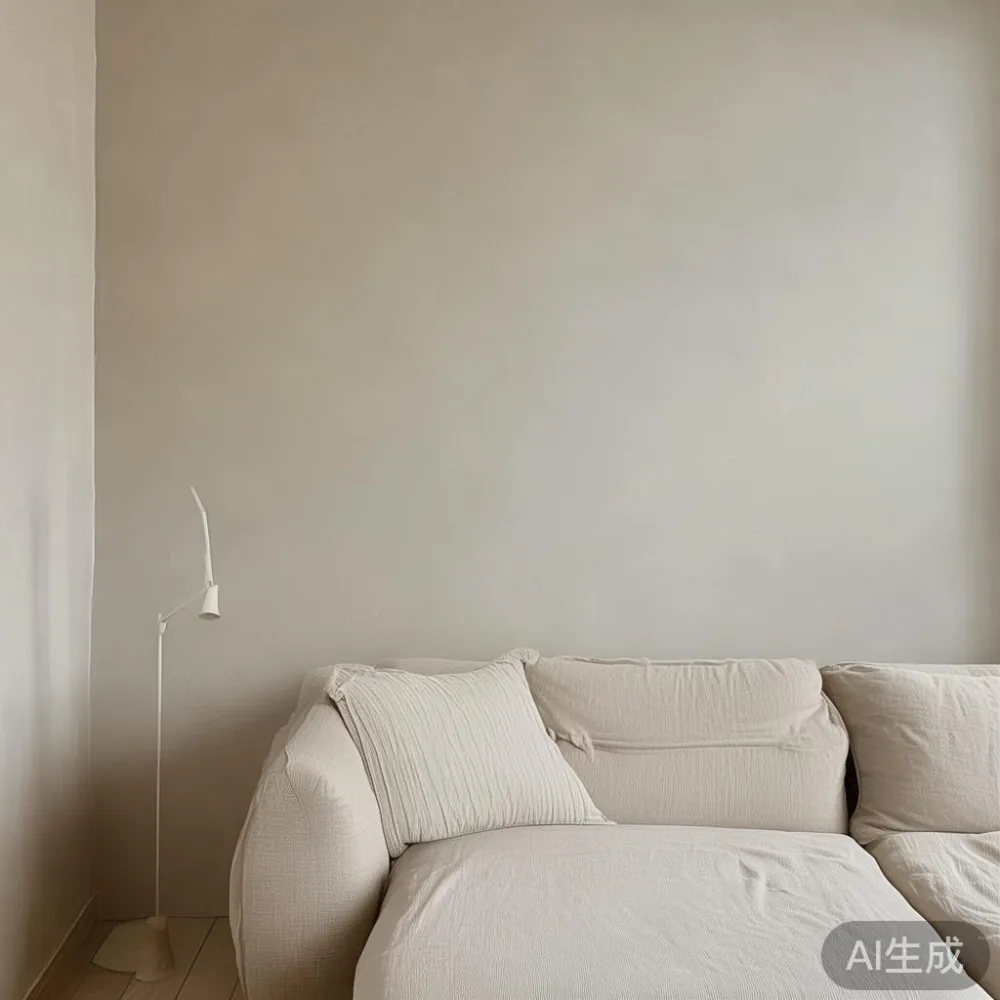
For access, leave a clear route of at least 60 cm beside the main bed and 75 cm in front of wardrobe doors. These are not merely visual guidelines: a 60 cm route is enough for an adult to turn sideways, while 75 cm allows drawers to open without blocking the walkway. Keep at least 90 cm between the bed and a dresser where possible.
Bed sizes suit different HDB layouts differently. A queen measuring 152 cm wide by 203 cm long needs roughly 230 cm of wall space, including 35–40 cm on each side for circulation and bedding access. A king measuring 180 cm by 203 cm needs close to 260 cm, so it can overwhelm a 3 m by 3 m bedroom. A super king at 200 cm by 203 cm demands more care and should be avoided unless the wardrobe has been reduced or positioned on a different wall.
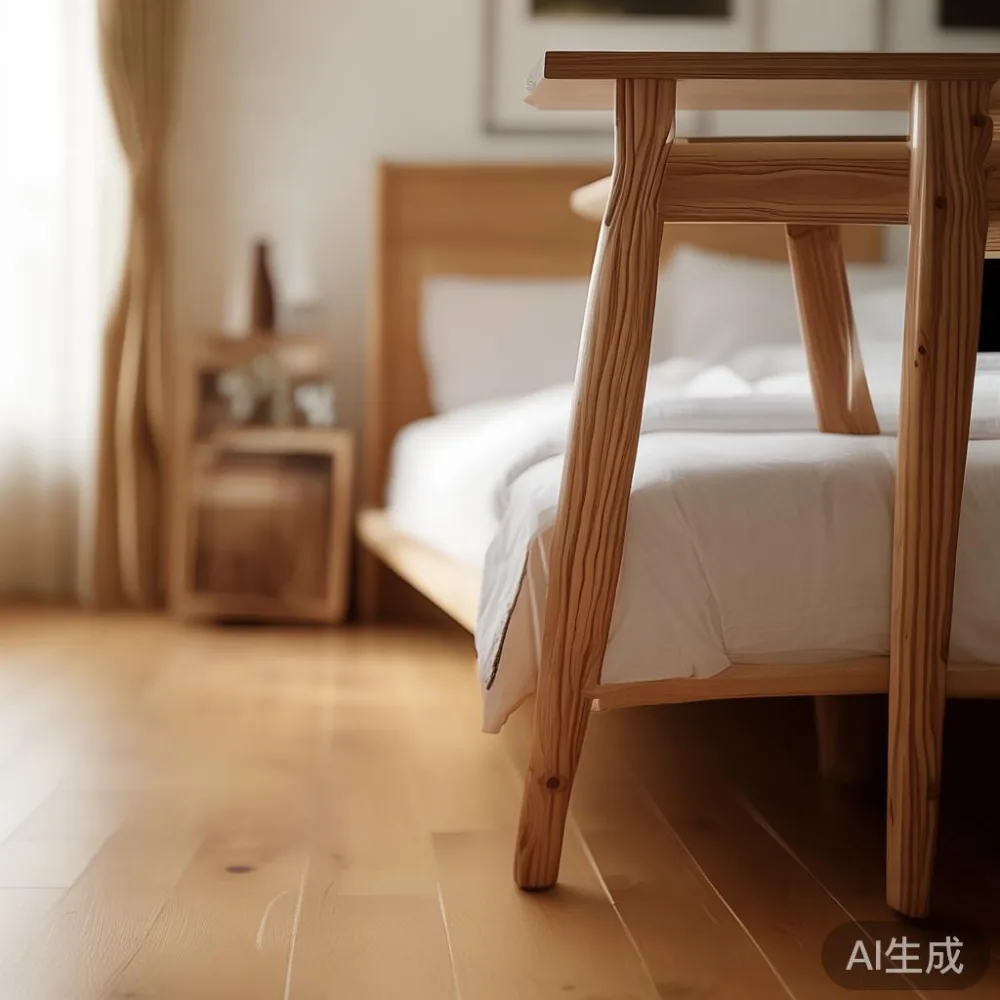
Check the actual delivery route rather than assuming a furniture company can manage it. Common HDB lift openings are around 900 mm wide and 1,100–1,400 mm deep, though older blocks vary. Some lifts can accommodate a 200 cm mattress only when stood on edge. A 210 cm wardrobe may fit along a wall but fail to turn into a narrow corridor. Provide the measurements to the supplier before ordering and ask for a delivery plan rather than accepting a generic curbside service.
How can I create more space without buying less storage?
Begin with the footprint. Choose a bed frame with a slim profile, under-bed drawers and a headboard that stops below the window ledge. A platform bed with internal storage can replace a separate chest, while a nightstand with one drawer keeps the bedside surface useful. Avoid combining a bulky bed frame, a wide dresser and a deep wardrobe unless the room genuinely supports all three.
Storage should rise before it spreads. A wardrobe extending to 220–240 cm can hold hanging clothes more efficiently than several low units, provided the ceiling and door swing allow it. Use double hanging for shirts, trousers and dresses below 155 cm; place heavier items such as jeans and coats near the lower rail. Add pull-out rails for trousers and shoe shelves at 18–22 cm intervals. These details can reduce the need for an extra rack while keeping folded pieces off the floor.
For closed storage, light finishes create depth. Cream, warm white, pale oak and muted beige reflect daylight and make the corners less obvious. French provincial with storage is one approach worth considering, but the effect depends on restraint: pair it with simple bedding and one warm-metal accent rather than adding ornamental furniture. American light luxury can work through upholstered forms, soft textiles and balanced symmetry. Post-modern light luxury is useful when clean geometry needs a subtle point of contrast.
Use drawers for items used daily and closed cupboards for seasonal goods. A 45 cm nightstand drawer can accommodate jewellery and small accessories; deeper drawers should hold bedding rather than loose objects. Labels, shelf liners and divided compartments keep the apparent order intact. In Singapore, choose moisture-resistant finishes, leave a 5 cm ventilation gap behind freestanding wardrobes where practical and avoid placing untreated solid wood against a wall susceptible to dampness.
Can I use the walls and corners without crowding the room?
Yes, but vertical lines need to remain consistent. Narrow shelves, 18–25 cm deep, can hold books and small objects without projecting far into the room. A floating nightstand can clear the floor visually, although drawers must still have enough space below for feet. Wall-mounted reading lights save surface area; a 15 cm arm can provide focused light at the bed without occupying a nightstand.
Corners often become dumping zones. A triangular bedside shelf, with sides no longer than 40 cm, can fit between the bed and wall, but a narrow 25–30 cm unit is usually easier to access. For a room with a recessed window, a fitted bench no deeper than 40 cm can provide seating or storage. Keep the top below the sill if the window opens inward.
Mirrors help only when their placement makes sense. A 45 cm by 120 cm mirror beside the wardrobe can reflect light and visually extend a narrow wall. Avoid applying large reflective surfaces directly opposite a television or another strong focal point, as glare can make a compact room feel busier. The aim is to reveal depth, not to create another visual object competing for attention.
Doors deserve a dedicated clearance check. A standard bedroom door may open through a 70–90 cm arc into the room, while a sliding or pocket door can recover floor area but requires wall cavity or surface-mounted hardware. Check that the new bed, wardrobe and nightstand do not interfere with the emergency egress and ventilation opening.
Which colours and finishes make a compact bedroom feel larger?
Start with a continuous background. Painting walls, wardrobes and the bed headboard in closely related light tones reduces visual breaks. Warm white, greige, soft taupe and pale mushroom are practical in Singapore because they soften daylight without appearing stark. If the flooring is warm timber, use a slightly cooler off-white; if the floor is grey, add warmer cream tones to avoid a cold impression.
Light does not mean clinical. Introduce texture through a 100% cotton duvet, linen-blend cushions and a wool-look throw. Limit the palette to two main neutrals and one accent, such as sage, dusty blue or muted terracotta. A 40 cm by 40 cm cushion gives colour without requiring another piece of furniture. Keep curtains off the floor and use a simple track or slim rod mounted close to the ceiling to gain apparent height.
Solid wood furniture should be proportioned carefully. A solid wood sofa can be suitable if the bedroom includes a separate sitting zone and the model has a total depth below 85–90 cm; otherwise it belongs in the living room rather than being forced into sleep space. A solid wood dining table is better reserved for a dining area, while a marble table with a slim pedestal can work in a compact living room. For the bedroom, the relevant pieces are the bed frame, wardrobe and nightstand.
Choose a nightstand with a closed drawer rather than open shelves, because the latter display every cable and object. A 40–45 cm width matches a queen bed neatly, while a 35–40 cm unit works with a smaller single bed. If the frame already includes bedside shelves, use one compact table instead of a matching pair to preserve asymmetry and visual breathing room.
What should I buy first when furnishing a small Singapore bedroom?
Buy the bed only after measuring the route into the room. Mattresses and bed frames arrive in separate boxes, but the outer carton can still be too large for an older lift. For a queen mattress rolled or vacuum-packed into a box around 152 cm by 66 cm, a standard HDB lift may accept it, though the packaging dimensions should be confirmed. For a non-compressed mattress, the rolled length can exceed lift capacity and need to be carried up a staircase.
The next priority is closed storage. A well-fitted wardrobe can control clutter more effectively than several decorative baskets. Explore Mid-century modern for bedroom layouts when warm timber, tapered details and clean lines suit the building. Search results for the best Italian light luxury bed for 2026 may point towards sculptural joinery and refined upholstery, but the mattress size and delivery access should decide the model, not the style label.
For practical guidance, look for the best Japanese bed for 2026 when considering low-profile frames with tidy storage and restrained joinery. A low Japanese-inspired frame may be 25–35 cm high, including the mattress, which can visually open the lower wall area. Confirm that the slatted base supports the chosen mattress and that the total height still allows a person to sit on the edge comfortably.
When comparing practical options, under 2000 Industrial furniture is a useful price category to explore, with figures shown in SGD and specifications checked before checkout. Likewise, the best Italian light luxury bed for 2026 should be assessed for room fit, finish quality and support rather than used as a substitute for measurements. A solid oak frame from a Singapore supplier may use a different grade and construction from an imported product, so compare like with like.
Delivery timing matters because renovation and furniture schedules often overlap. Confirm production, dispatch and local transit separately. Allow 7–14 business days for many made-to-order pieces, followed by approximately 2–5 delivery days in Singapore, subject to access. Public holidays and peak renovation periods can add time. Ensure the quotation states whether GST is included; Singapore’s current GST rate is 9%, so a S$1,900 item before tax becomes S$2,071 after tax.
How do I compare a bed frame, wardrobe and nightstand as one design system?
Compare the three main bedroom pieces by proportion, material and colour rather than by individual style names. A bed frame with a low, solid-wood perimeter can pair with a flat-front wardrobe and a single-drawer nightstand. Repeating one timber finish across all three creates a deliberate composition, but matching everything perfectly can feel formal. A calmer approach uses two tones and one texture, such as pale oak, warm white and woven fabric.
Scale is the practical test. A 160–180 cm bed frame in a room with 250–270 cm of available wall width leaves approximately 35–55 cm on each side. A wardrobe 55–60 cm deep is adequate for most daily clothing, while 60–65 cm allows better hanging clearance for long coats. A nightstand 40–50 cm high should sit close to the mattress top, typically around 45–60 cm from the floor, for convenient reach.
Weight also affects placement. A solid wood bed frame may weigh 45–80 kg, a queen wardrobe 75–130 kg and a marble table can exceed 100 kg. Although the marble table is not a bedroom important, the same principle applies: ask for product weight and moving instructions. A heavy wardrobe should be assembled in the room, and protective floor panels can prevent marks during installation.
MIDHILL European light luxury wardrobe options are worth comparing when the doors, interior fittings and hardware have been specified clearly. Ask for external dimensions in centimetres, the depth with doors open, internal drawer widths and the weight of the assembled unit. A 10-year structural warranty gives confidence in frame stability, while details such as finish care and hardware replacement should be confirmed in writing.
What lighting and styling details prevent a small bedroom from feeling cramped?
Layer the lighting without filling surfaces with lamps. A ceiling light provides even illumination, a wall-mounted reading light serves the bed and a warm table lamp adds intimacy. Aim for warm-white light around 2700–3000K. A 40–50 cm bedside shade can soften the light, while a narrow reading arm occupies almost no surface area. Dimmer controls, available for roughly S$25–S$80 depending on the fitting, allow the same room to serve both work and rest.
Keep cords organised. One cable route along the skirting, a 2 m bedside USB-C charge point and a floor lamp placed near the dresser can reduce visual tangles. Avoid extension cables crossing walkways. If a wardrobe is opposite the bed, place the charging point where the cable reaches without crossing the floor.
Textiles should be light enough to use and easy to maintain in humid conditions. A 200-thread-count cotton or cotton-linen duvet is easier to air dry than dense velvet. Use two 40 cm cushions and one 30 cm by 50 cm lumbar cushion rather than five small items. A rug around 160 cm by 230 cm can soften a queen bed, but in a very narrow room, a 140 cm by 200 cm washable rug may prevent it from crowding the passage.
Artwork should follow the available wall plane. One 40 cm by 60 cm print can be more effective than three small frames competing with the bed. If no wall remains, a narrow shelf or one framed image above the nightstand can create a focal point. Leave 15–20 cm around a framed piece so it does not look trapped between other objects.
How can I test the layout before spending on furniture?
Draw the room to scale on graph paper or use a room-planning app. Enter the bed, wardrobe and door-swing dimensions, then walk the route from the entrance to the window and wardrobe. Last month I visited a friend in a Tampines HDB flat with a room measuring roughly 3.2 m by 2.8 m. She had ordered a wide king bed and a deep wardrobe, leaving only a 42 cm passage. We tested the arrangement with masking tape on the floor before delivery; the same furniture then had to be returned and replaced with a queen and a 55 cm wardrobe. The lesson was simple: measure the actual movement path, not just the furniture footprints.
For another practical check, place boxes on the floor at the exact size of each major item. A 152 cm by 203 cm box represents the mattress footprint, a 60 cm deep box represents the wardrobe, and a 75 cm strip represents the desired aisle. Walk around them for 2 minutes. If reaching the window, opening the wardrobe and sitting on the bed feel uncomfortable, adjust before ordering.
Finish with a simple budget. For one bedroom in Singapore, a coordinated setup may range from S$2,500 to S$8,000, depending on timber, storage complexity and mattress specification. For example, a S$1,250 solid wood bed frame, S$2,450 wardrobe, S$480 nightstand, S$650 mattress, S$220 bedside lighting and S$180 delivery totals S$5,230 before GST. At 9% GST, the total is S$5,700.70. Actual prices and delivery charges should be confirmed at quotation.
Review the supplier’s service terms before paying. Confirm whether the 10-year structural warranty applies to the specific frame and finish, what lifetime refinishing covers, and whether touch-ups are available for transport marks. Free shipping may apply to orders above US$350 or its stated local equivalent, so check the checkout threshold in SGD. Returns are commonly permitted within 14 days under stated conditions, but custom wardrobes, mattresses and modified pieces may be excluded.
A well-planned small bedroom should feel composed, not merely sparse. Let the bed establish the centre, contain possessions in closed storage, keep the main route clear and introduce softness through light, textiles and one focal detail. Good bedroom design is a sequence of practical constraints handled with restraint. Measure twice, specify accurately and select furniture that suits the lift, the corridor and the way you actually use the room.