Preserving the Lustre: A Guide to Caring for Lacquered Wood Furniture in Singapore's Tropical Climate
For residents of Singapore, the allure of a beautifully crafted bedroom design is often intertwined with the practical challenge of maintaining it. The city-state's relentless humidity and fluctuating temperatures, which can average 85% relative humidity and climb to 32°C, create a demanding environment for fine furniture. This is particularly true for pieces featuring a lacquered finish, a celebrated choice in modern light luxury bedroom design for its deep, reflective sheen and protective qualities. While lacquer offers a shield against minor wear, the tropical climate presents unique threats that require specific, diligent care to preserve the furniture's beauty and structural integrity for years to come.
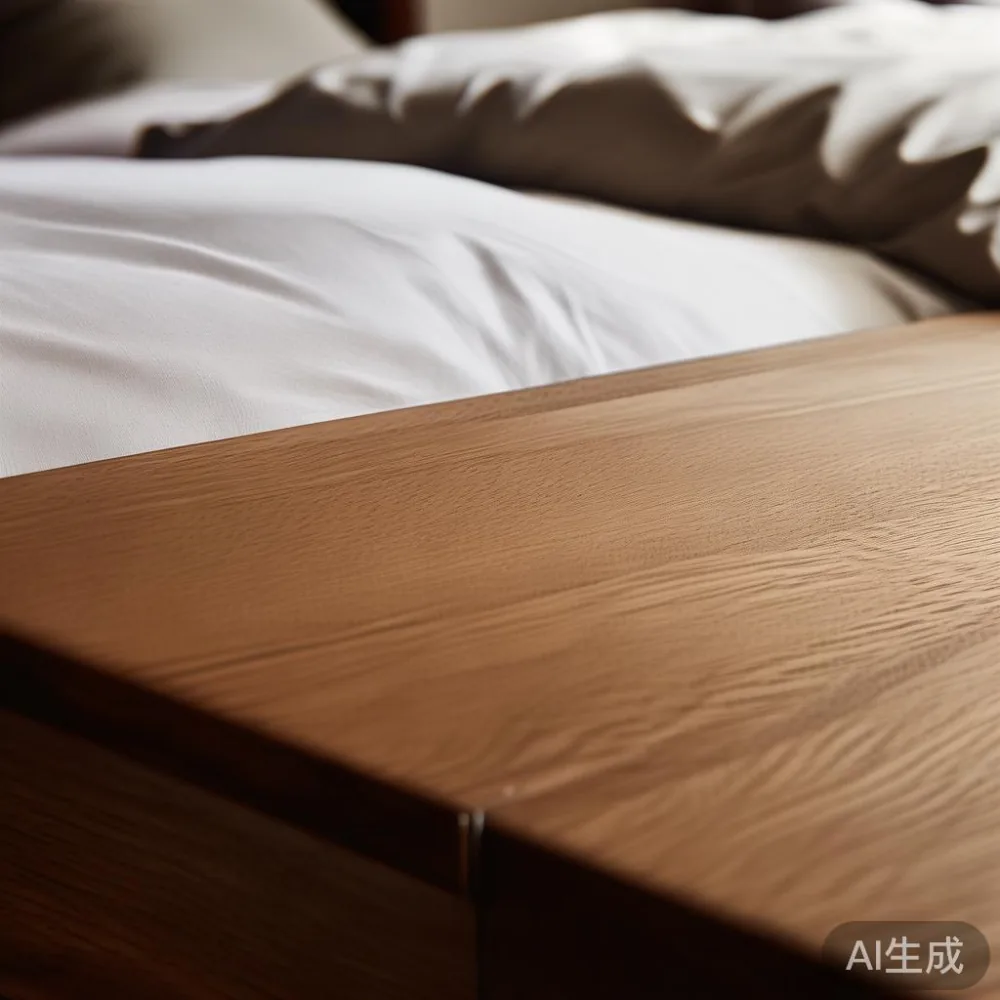
Why Lacquer is a Popular Choice for Singapore Homes?
Lacquering is an ancient art form that involves applying multiple layers of a clear, hard resin to a wood surface. The result is a glass-like finish that is not only visually stunning but also highly durable. For bedroom design, this finish protects the underlying solid wood from scratches, stains, and the gradual fading caused by ultraviolet light. The smooth, non-porous surface of lacquer makes it exceptionally easy to wipe clean, a significant advantage in Singapore where dust and sand from the constant construction in areas like Tampines and Bedok can settle on furniture surfaces. The aesthetic appeal of a high-gloss lacquered bed frame or a sleek lacquered wardrobe aligns perfectly with the sophisticated, clean lines favoured in French light luxury and post-modern light luxury interiors, making it a staple for discerning homeowners.
How Singapore's Climate Affects Lacquered Surfaces?
The tropical climate of Singapore is the primary adversary for lacquered furniture. High humidity is the most significant concern. Wood is a hygroscopic material, meaning it absorbs and releases moisture from the air. When the humidity spikes, the wood beneath the lacquer can expand. This movement is subtle but can place stress on the rigid lacquer layer. Over time, this constant expansion and contraction can lead to the most common problem: white spots or hazing. These cloudy marks occur when moisture becomes trapped between the wood and the lacquer or when the lacquer itself absorbs moisture and loses its clarity. Temperature fluctuations, especially with the frequent use of air-conditioning in HDB flats and condos, exacerbate this issue. A cold blast of air from an air-conditioner set to 22°C onto a surface that has been warmed by the 30°C afternoon sun can cause the lacquer to contract rapidly, potentially leading to hairline cracks or a phenomenon known as 'crazing,' where a network of fine cracks appears in the finish.
Can Daily Cleaning Damage My Lacquered Nightstand?
This is a very common question from homeowners who have invested in quality bedroom design. The simple answer is yes, improper daily cleaning can absolutely damage a lacquered surface. The biggest mistake is using the wrong cleaning agents. Many household cleaners contain alcohol, ammonia, or other harsh solvents that are designed to cut through grease. These chemicals can dissolve the delicate lacquer finish, stripping away its shine and leaving it dull, cloudy, or sticky. Similarly, using a damp cloth that is too wet can allow moisture to seep into the wood at the seams or joints, causing swelling and delamination of the finish. Even using a dry, abrasive cloth or paper towel can create fine micro-scratches that accumulate over time, dulling the reflective surface. For example, a simple wipe-down of a lacquered marble table top with a multipurpose spray can leave permanent marks, diminishing the piece's light luxury appeal.
The Step-by-Step Cleaning Routine for Your Lacquered Bedroom Furniture
Maintaining the pristine condition of your lacquered furniture requires a gentle and consistent approach. A proper routine can be completed in under 10 minutes a day and will protect your investment for a lifetime.
Step 1: Dusting. Begin with a soft, dry, lint-free microfiber cloth. Gently wipe down the entire surface of the furniture, following the direction of the wood grain. This removes surface dust, sand, and other abrasive particles that could scratch the finish if rubbed during the next step. For intricate details on a carved headboard or a nightstand drawer front, a soft-bristled brush can be used to dislodge dust from crevices.
Step 2: Damp Wiping. If the surface requires more than just dusting, use a second, clean microfiber cloth slightly dampened with distilled water. Distilled water is preferred over tap water in Singapore as it contains no minerals that could leave behind white spots when it evaporates. Wring the cloth thoroughly so it is damp, not wet. Wipe the surface in the direction of the grain, using only light pressure. Immediately follow with a third, dry microfiber cloth to buff the surface completely dry, preventing any moisture from lingering.
Step 3: Occasional Polish. For pieces that see frequent use or have begun to lose their lustre, a dedicated furniture polish is necessary. Choose a high-quality, non-silicone polish specifically formulated for lacquered or French polished surfaces. Apply a small amount, about the size of a 50-cent coin, onto a soft, clean cloth. Never spray polish directly onto the furniture, as the liquid can run and seep into joints. Work the polish into the surface in a circular motion, using minimal pressure. After a minute or two, buff the surface with a separate, clean microfiber cloth until a deep, reflective shine is restored. This process should be done no more than once a month to avoid build-up.
Protecting Your Furniture from Environmental Factors
Cleaning is only part of the battle. Proactive protection is key to preventing damage in the first place.
Positioning is Paramount. Avoid placing lacquered furniture in direct sunlight. UV rays are a primary cause of finish degradation, causing the lacquer to yellow and become brittle over time. In a bedroom design, position the bed and wardrobe away from windows that receive direct afternoon sun. If this is unavoidable, install high-quality UV-blocking window films, which can block up to 99% of harmful UV rays. Also, be mindful of placement near air-conditioning vents. The constant, direct blast of cold, dry air can cause the lacquer to dry out and crack. Position furniture at least 50 cm away from vents.
Humidity Control. While it's impossible to eliminate humidity, you can manage it. Using a dehumidifier in the bedroom, especially during the monsoon season from November to January when humidity levels can exceed 95%, can make a significant difference. A dehumidifier can extract 1 to 2 litres of water from the air per day, helping to stabilise the environment around your furniture. For larger pieces like a solid wood wardrobe or a large bed frame, maintaining a stable humidity level between 45% and 55% is ideal. Placing a small hygrometer in the room allows you to monitor the levels accurately.
Preventing Physical Damage. Use coasters under all glasses, mugs, and vases, especially on a lacquered marble table or nightstand. A water ring left for even a few hours can leave a permanent white mark. Place felt pads on the bottom of decorative objects, lamps, and any items that will sit on the lacquered surface. When moving furniture, always lift it. Never drag a lacquered bed frame or wardrobe across the floor, as this will scratch both the floor and the furniture's feet. If you need to rearrange your bedroom design, enlist the help of another person to safely lift the piece.
What to Do When Damage Occurs: Repairing Lacquer
Despite your best efforts, accidents can happen. A small scratch or a minor white spot might appear. The good news is that minor damage to a lacquered surface can often be repaired at home.
For Minor Scratches. A light scratch that has not penetrated through to the wood can often be buffed out. Using a high-quality scratch remover polish or a very fine polishing compound (like a 3,000-grit or higher automotive polish), apply a tiny amount to a soft cloth and gently rub in a circular motion over the scratch. Use minimal pressure and work slowly. The goal is to gently wear down the edges of the scratch so they become smooth and reflective again, blending with the surrounding finish.
For White Spots or Hazing. If a white spot is caused by moisture trapped under the lacquer, you may be able to remove it. Place a clean, dry cloth over the spot and then, with a warm iron (set to a medium heat, with no steam), press the iron firmly onto the cloth over the spot for 5-10 seconds. The heat can help the moisture evaporate and the wood fibres to expand back to their original position, causing the spot to disappear. Be extremely careful not to overheat or hold the iron in one place for too long, as this can melt the lacquer.
For Deeper Damage or Professional Help. If a scratch is deep, if the lacquer has chipped, or if you are uncomfortable attempting a repair yourself, it is wise to seek professional help. Professional furniture restoration services in Singapore can expertly strip and re-lacquer a damaged piece, restoring it to its original condition. For a large item like a wardrobe or a significant piece in your bedroom design, this might cost several hundred to over a thousand SGD, but it is often far more economical than replacing the entire item. A reputable company, like one that offers lifetime refinishing, would be a good contact to have for such situations.
Investing in Quality: A Long-Term Perspective
Caring for lacquered furniture in Singapore is an ongoing commitment, but it is one that pays dividends. The initial investment in a high-quality piece of bedroom design from a maker with a strong reputation, such as one established in 2008 with a 10-year structural warranty, is a proof of its durability. When you purchase a solid wood bed frame or a wardrobe, you are not just buying a functional item; you are acquiring a piece of craftsmanship designed to last. With proper care, a lacquered finish can look magnificent for decades, its deep lustre undimmed by the passage of time. The peace of mind that comes with a comprehensive warranty and a lifetime refinishing offer ensures that your investment is protected, allowing you to enjoy your beautiful bedroom design without worry. For those looking for pieces that embody a certain aesthetic, the market offers options like under 2000 European furniture for smaller spaces, or minimalist for dining room sets that complement a lacquered bedroom suite. Ultimately, understanding the needs of your furniture in our specific climate is the first step towards creating a home that is both beautiful and enduring.