Humidity in Southeast Asia and Your Wood Bedroom Furniture: A Practical Guide for Singapore Homes
I still remember opening a flat door in Tampines last month to find a solid teak wardrobe the size of a 1.8 metre by 2 metre wall, and the owner was complaining that the bottom drawer had started to swell. The unit was nine years old, had been wiped down regularly, and looked spotless from the corridor side. The problem was not the wood. The problem was the air. With outdoor humidity in Singapore hovering between 70 and 90 percent for most of the year, and indoor humidity in many HDB and condo bedrooms sitting between 65 and 80 percent when the air-con is off, wood furniture is slowly working overtime, expanding, contracting, and absorbing moisture that it should never have been asked to hold. This matters even more when you are planning a bedroom design that depends on a single bed frame, a pair of nightstands, and a tall wardrobe all living together in a 12 square metre master bedroom.
Why does Southeast Asian humidity punish solid wood bedroom furniture so much?
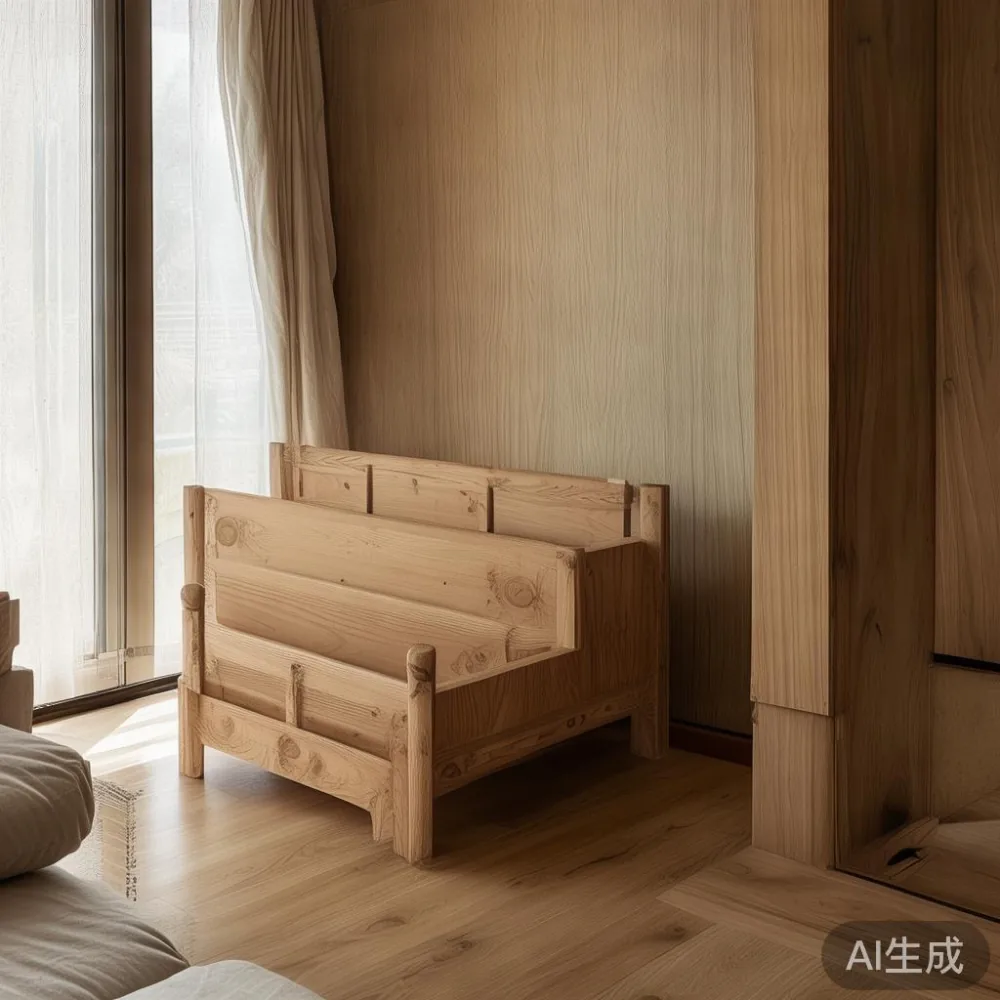
Solid wood is a hygroscopic material, which is a polite way of saying it drinks and breathes water from the air around it. A 150 kilogram oak bed frame can gain or lose roughly 3 to 5 kilograms of water weight through a single humid month in Punggol, and that is before you count the wardrobe and the bedside cabinets. The cells inside the timber swell as humidity rises, then shrink as the air-con drops the room to 22 or 23 degrees overnight. Every cycle opens micro gaps in joints, lifts veneer patches on lower-end pieces, and stresses the dowels that hold a headboard together. The real damage shows up around the 18 to 24 month mark, when you start to notice hairline cracks along the rails of a solid wood bed frame, sticky drawers on a nightstand, or a slight bow across the top of a dresser. None of this is a defect in the wood. It is physics, repeated nightly, for two years.
What humidity range should I aim for in my bedroom?
For a bedroom in a Singapore condo or HDB flat, the sweet spot sits between 45 and 55 percent relative humidity. That range keeps solid wood furniture stable, discourages mould on fabric headboards, and still feels comfortable under a quilt. A small digital hygrometer costs around SGD 18 at a Tampines Mall electronics shop and reads in seconds. If your morning reading is above 60 percent, run the air-con on auto, or you have a 30 to 40 watt dehumidifier running for four to six hours overnight. One owner I spoke with in Bedok placed a SGD 159 dehumidifier on the wardrobe shelf, dropped his bedroom humidity from 72 to 50 percent, and reported that the sticky nightstand drawer he had been fighting for six months started sliding properly within a week. Numbers like that are not a coincidence.
How does humidity damage specific pieces in a bedroom design?
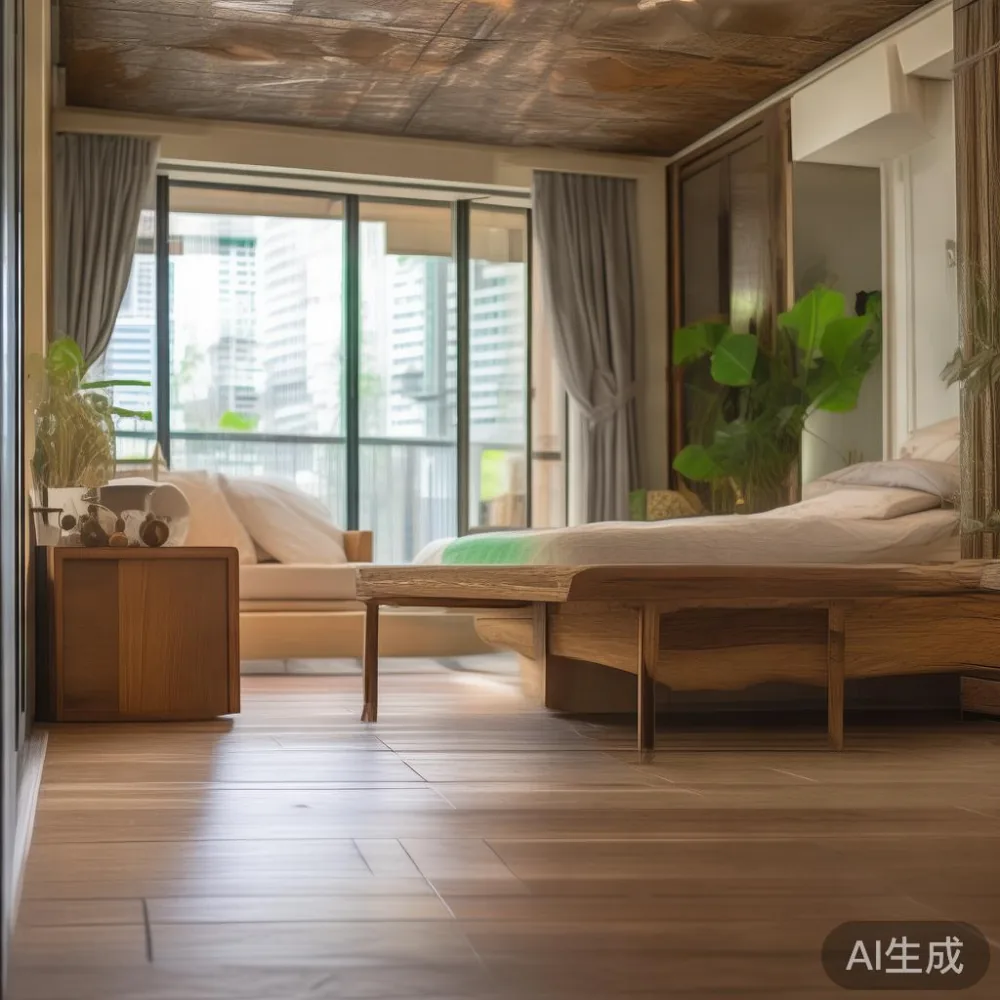
Each piece reacts differently, and that is worth knowing before you spend SGD 2,800 to SGD 6,500 on a set. A solid wood bed frame, particularly one built from ash, oak, or walnut, will creak at the side rails first because that is where the seasonal movement concentrates. A tall wardrobe up to 210 centimetres high is the next casualty, because the sheer surface area is absorbing moisture on all six sides at once. Nightstands with single drawers tend to swell at the front face, which is why the drawer appears proud of the carcass by 2 to 4 millimetres in August. A marble table top, often paired with a wooden base in post-modern light luxury bedroom styling, is unaffected by humidity directly, but the wooden substructure holding the marble will move, and a loose-fitting marble slab can crack if the base twists. Wardrobes with mirrored doors are the worst case, because the mirror backing holds moisture against the wood and can leave a brown tide line within 18 months.
How do I care for a work from home in humid weather?
Keep the room between 45 and 55 percent relative humidity with a SGD 159 to SGD 249 dehumidifier running six to eight hours a day, and lift any solid wood desk or dresser 5 centimetres off the wall so air can circulate behind it. In Singapore, where most of us work from home at least three days a week, the home office is usually inside or next to the bedroom, which doubles the humidity load on your solid wood furniture. The single most useful habit is to leave a 5 centimetre gap behind any wardrobe or tall bookcase. Air has to move, or moisture will pool and feed mould. The second habit is to wipe every surface once a week using a barely damp microfibre cloth, never a wet one, and follow with a dry cloth within 60 seconds. The third habit is to check the hygrometer every Monday morning. If the reading climbs past 60 percent for two weeks straight, the wood is working harder than you are, and that is when joints start to creep.
Is air-conditioning enough to protect a solid wood bed frame?
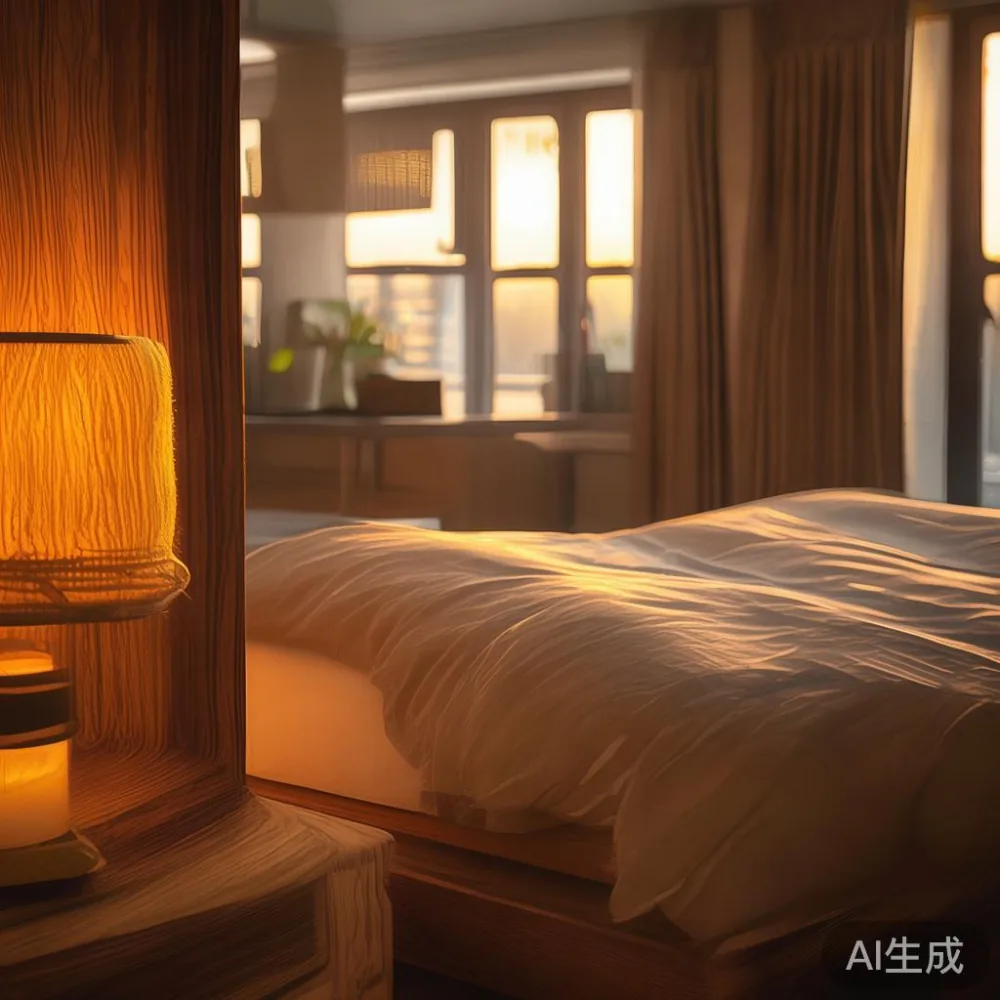
Air-conditioning helps, but it is not a complete answer. Running a 1.5 horsepower inverter unit for eight hours overnight in a 12 square metre bedroom can drop the temperature by 7 to 9 degrees, which translates to a relative humidity drop of roughly 15 to 20 percent, taking the room from 75 down to 55 percent. That is genuinely useful. The catch is what happens during the day when the unit is off and the door is closed. Over 10 to 12 hours, the humidity climbs back above 70 percent, and the wood starts absorbing moisture again. Every day you have a small humidity cycle, every week you have a medium cycle, and every month you have a long cycle. The fix is to either leave the air-con on dry mode at 26 degrees during the day, which adds roughly SGD 25 to SGD 40 to the monthly utility bill, or run a small dehumidifier for four hours. For a bed frame costing SGD 1,800 to SGD 3,500, either option is cheap insurance.
What about new bedroom design pieces from MIDHILL arriving in original packaging?
This is the stage most people underestimate. A solid wood wardrobe can take 48 to 72 hours to acclimatise inside the flat before it is unwrapped, and a bed frame should rest in the room for at least 24 hours. The crate acts as a buffer, and the wood inside is usually drier than your room, so as soon as you open it, the timber begins to absorb moisture. MIDHILL, a Foshan solid wood furniture maker that has been exporting to more than 15 countries since 2008, ships its bedroom pieces with moisture readings taken at the factory, generally between 8 and 10 percent internal moisture for oak and ash. If your Singapore bedroom is reading 70 percent, the gap is large, so acclimatisation matters. Leave the wrapping open at the top for 24 hours, build the bed frame, and wait another 12 hours before sliding the wardrobe into its final position. The pieces I have seen arrive in Tampines and Punggol show no stress at the joints after this routine.
Which wood species survive Singapore humidity the best?
If you are choosing between ash, oak, walnut, rubberwood, and teak, the ranking from best to worst in a Singapore bedroom design context is teak first, white oak second, ash third, walnut fourth, and standard rubberwood last. Teak carries natural oils that slow water movement, which is why old colonial teak wardrobes in Bukit Timah still look sharp after 40 years. White oak has closed grain that resists humidity cycling better than ash. Rubberwood, the budget option, is technically a hardwood but absorbs moisture almost as fast as poplar, which is why cheaper bedroom sets feel sticky by year two. A solid wood dining table for the adjacent dining room follows the same logic, and if you are spending SGD 1,200 on a six seater, oak or teak will outlast rubberwood by roughly a decade in local conditions.
Can I use the same humidity plan for a dining table and a marble table in the living room?
Yes, with a small twist. A solid wood dining table lives in a room that is usually a couple of degrees warmer than the bedroom, so target 50 to 58 percent rather than 45 to 55 percent. A marble table paired with a wooden base, common in French light luxury styling, behaves differently. The marble is dimensionally stable, but the wooden cross-stretchers underneath expand and contract, and the fix is to keep the table away from the air-con vent by at least 1.5 metres. Direct cold air on one side of a marble table will crack the stone within 12 to 18 months, regardless of the base material. A sideboard or buffet cabinet in the same room should sit 5 centimetres off the wall for the same reason as the wardrobe. The rules transfer cleanly across the apartment, because humidity does not respect room boundaries.
How long does a quality solid wood bedroom set last in a HDB flat?
A well-made solid wood bedroom set in a HDB flat should give 15 to 25 years of daily use, and the longer end of that range belongs to owners who control humidity. I have walked through resale flats in Bedok where the original 2008 bedroom wardrobe was still square, still closed properly, and still had tight joints, and the owners had one habit in common: a dehumidifier running four to six hours a day. Compare that to a flat in Punggol where the same brand of wardrobe was swollen shut after eight years because the bedroom had no ventilation and no humidity control. The wood was identical, the budget was identical, and the difference was a SGD 159 appliance plus 5 kilowatt hours of electricity per day. Lifetime refinishing services, offered by makers such as MIDHILL, can extend that 25 year window further by sanding back the top surface and re-oiling every 8 to 10 years, which resets the wood to a stable moisture baseline.
What small daily habits save the biggest headaches?
Three habits cover 80 percent of the risk. First, wipe condensation off any window near the wardrobe every morning, because that water will migrate into the timber over the next 12 hours. Second, never push a solid wood nightstand flush against an exterior wall, even if it saves 8 centimetres of floor space; the wall is colder and wetter than the interior wall, and the back panel will absorb moisture asymmetrically. Third, open wardrobe doors for 20 minutes on a sunny afternoon twice a week, which lets the inside dry to within 5 percent of the room reading. Owners who follow these three habits report drawer action that feels new at year five, while owners who ignore them usually need a carpenter by year three.
Do I need to worry about mould on fabric headboards or upholstered benches?
Yes, and mould is the one issue wood itself does not cause directly. A linen or velvet headboard in a bedroom that reads 70 percent humidity for six weeks will develop a faint grey bloom at the back, where the fabric touches the wall. The fix is to keep the bedroom below 60 percent, ideally at 55, and to vacuum the back of the headboard once a month with a brush attachment. A bedroom bench at the foot of the bed, often upholstered in the same fabric, needs the same 5 centimetre wall clearance as a wardrobe. None of this is expensive, and the only tool that matters is a SGD 25 hygrometer placed on the nightstand, checked every Monday morning.
Is there a checklist I can use before I buy my next bedroom set?
Run through these eight points before you sign the delivery order. Check that the bed frame is built from solid hardwood, not rubberwood with a fancy sticker, and ask for the factory moisture reading. Confirm the wardrobe panels are at least 18 millimetres thick, because anything thinner will bow in a humid room by month 12. Check that the drawers on the nightstand use metal side runners rather than wooden pegs, because wooden runners swell. Confirm the finish is an open-pore oil or a breathable matte lacquer, not a thick glossy film that traps moisture. Ask about the warranty in writing, and aim for at least a 10 year structural warranty on the joinery. Check that delivery includes placement inside the room rather than a kerbside drop, because a 180 kilogram wardrobe cannot be staged in the corridor of a HDB block with 1.2 metre wide lifts. Confirm free shipping over a sensible threshold, and a 14 day return window in case the piece arrives damaged or the wrong size. Finally, ask whether the maker offers lifetime refinishing, which is the closest thing to a furniture health plan on the market. If the answer is yes to most of these, you can plan your bedroom design around the piece, not the other way around.
Where does MIDHILL fit into this picture for Singapore buyers?
MIDHILL has been exporting solid wood bedroom furniture to Singapore for more than a decade, and the pieces that turn up in Tampines, Bedok, and Punggol HDB flats and condos tend to be the heavier American light luxury and French light luxury ranges, with a post-modern light luxury line layered on top for owners who want cleaner geometry. The brand has built a quiet reputation around the way its wardrobes and bed frames hold their joints after the first two humid years, which is the period when cheaper sets usually fail. If you are planning a full bedroom design with a bed frame, a pair of nightstands, a tall wardrobe, and possibly a dressing table, the brand is worth shortlisting alongside any local custom carpenter. The pieces arrive in condition that survives the 12 to 18 day shipping window from Foshan, the moisture readings match what the catalogue claims, and the 10 year structural warranty gives you a paper trail if anything goes wrong.
Final thoughts on living beautifully with wood in a humid city
Singapore is one of the most demanding climates in the world for solid wood furniture, and yet thousands of HDB and condo bedrooms look elegant because the owners learned the basics. A SGD 25 hygrometer, a SGD 159 dehumidifier, 5 centimetres of wall clearance, and one weekly wipe-down with a microfibre cloth is the entire toolkit. The reward is a bedroom design that looks calm at year one, looks sharp at year five, and still looks correct at year fifteen. Solid wood, treated with a little respect for the local climate, ages into something warmer and more characterful than any laminate panel ever will.