Caring for a Lacquered Bedroom Set in a Tropical Climate
I live in a five-room HDB in Punggol, and twelve months ago I bought a high-gloss lacquered wardrobe and a matching Modern light luxury bed from a Foshan maker called MIDHILL. Singapore’s humidity hit that furniture hard within weeks — the wardrobe doors started sticking on humid mornings, and a faint blush appeared on the bedside panel. I spent the next six months testing cloths, oils, dehumidifier settings and four different cleaning products before I settled on a routine that actually works. This article is everything I learned, plus what the workshop in Foshan told me when I emailed them at 2 a.m. Singapore time (they replied at 11 p.m. their time, which meant I was waiting only three hours). If your bedroom is in Tampines, Bedok, Bukit Batok or anywhere the afternoon thunderstorms leave the windows weeping, this should save you the six months I lost.
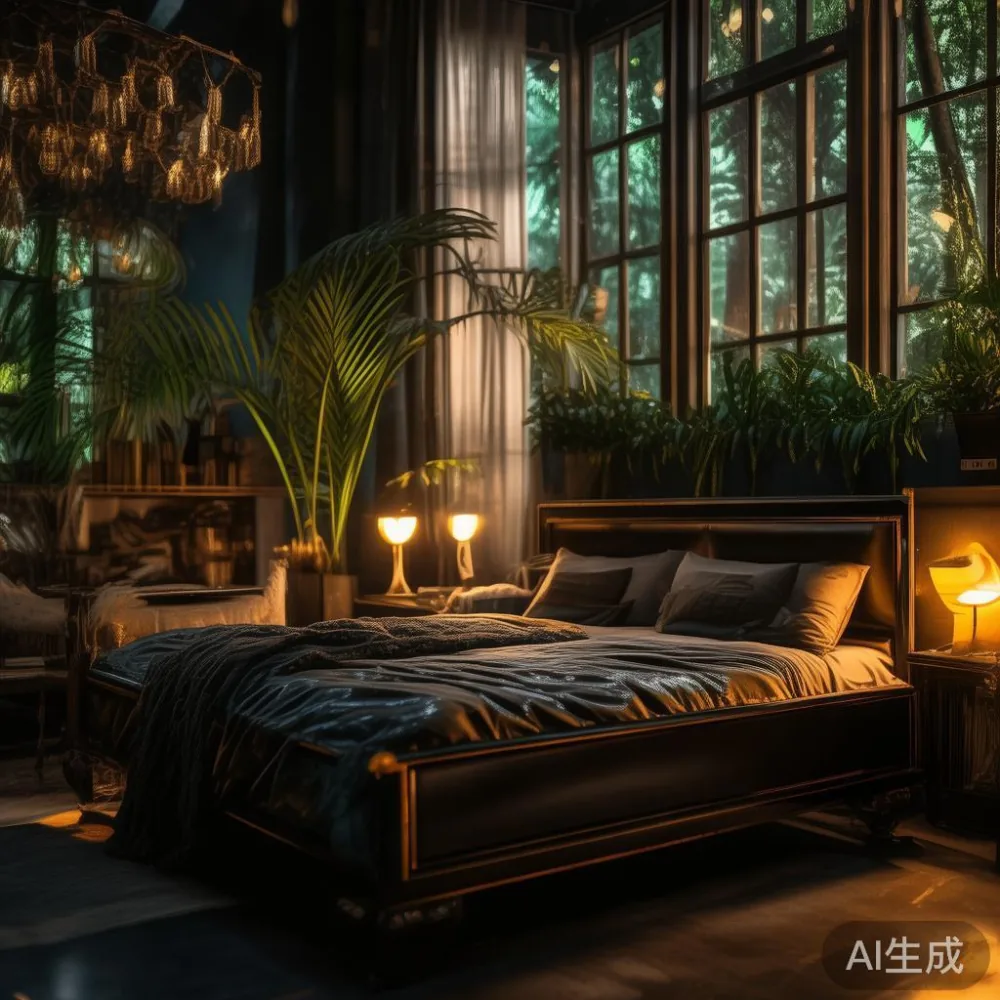
Why Singapore’s Climate Punishes Lacquered Furniture
Lacquer is a cured film, roughly 0.04–0.08 mm thick, bonded to a sealed solid-wood substrate. In a temperate country the film swells and shrinks gently with the seasons. In Singapore the relative humidity sits between 78 % and 92 % for most of the year, and indoor temperatures hover around 27 °C–31 °C. That combination keeps the lacquer film permanently soft at the molecular level. Moisture migrates through hairline micro-pores, swells the underlying wood, and produces three predictable problems: stickiness between adjacent panels, a whitish blush in high-gloss finishes, and hairline cracking along the edges of drawer fronts.
Corridor geometry matters more than people realise. A standard HDB corridor at 1.5 m wide cannot accept a fully assembled king-size bed frame (roughly 192 cm × 213 cm). Most HDB lifts are 1.1 m wide by 1.4 m deep with a 2.1 m internal height. Any lacquered panel taller than 2.05 m will not enter the lift standing upright. The practical consequence is that your bed frame, wardrobe and tallboy are usually delivered flat-pack and assembled on site. During that assembly the lacquer gets handled — fingerprints, scuffs, dust — before you ever sleep a night on it. The first week of ownership sets the pattern for the next ten years.
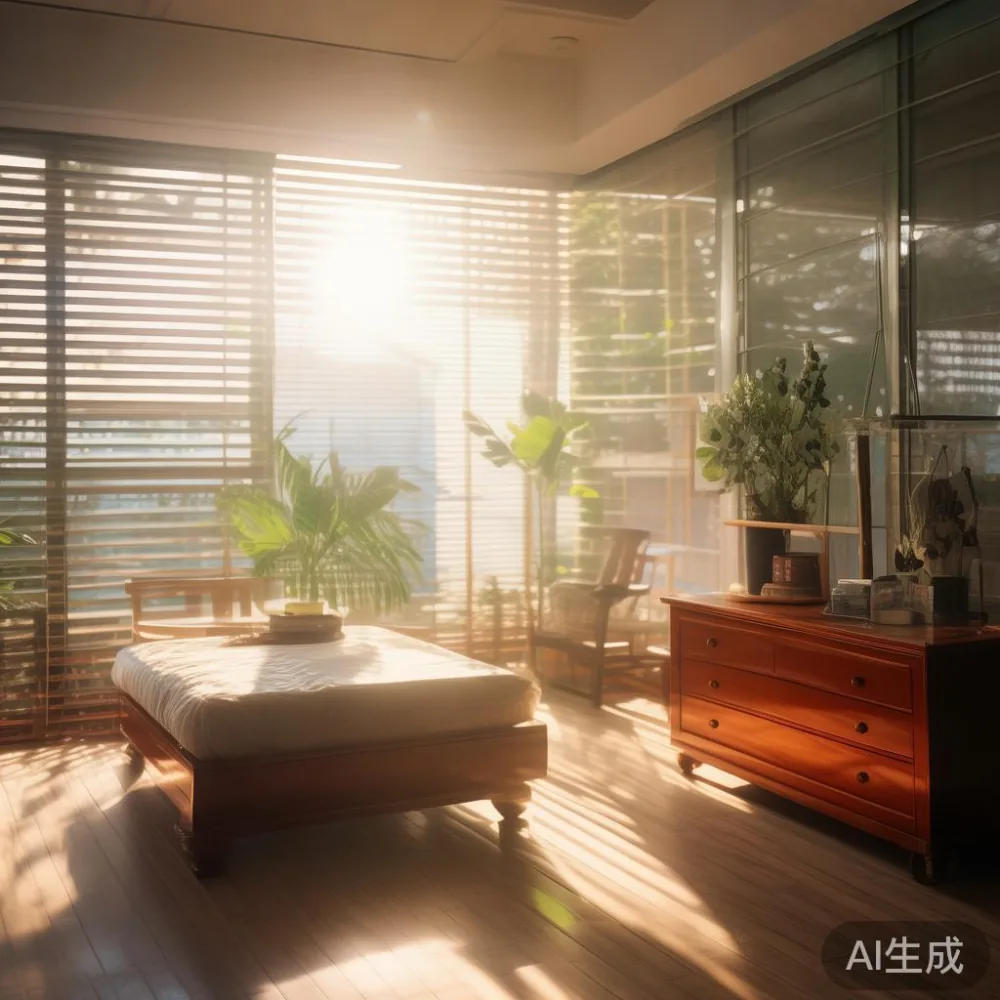
The First 30 Days: Building the Right Indoor Climate
Before buying a dehumidifier, measure your room. A typical HDB master bedroom is about 14 m² with a 2.6 m ceiling. Add a small Mitsubishi electric dehumidifier rated at 12 L/day, set the target to 55 % RH, and run it on a hygrometer-stat for SGD 4–6 per month in electricity. I tried 45 % RH for a fortnight and the wardrobe joints developed hairline cracks — too dry is just as bad as too wet. Keep the RH band between 50 % and 60 %. Above 65 %, the lacquer film reabsorbs enough water to soften; below 45 %, the wood substrate shrinks faster than the lacquer and the film splits.
Position the wardrobe and the bed at least 15 cm from the exterior wall. The wet wall behind a Bedok condominium I visited last month was sweating at 78 % RH while the interior wall sat at 61 %. The owner had pushed the lacquered wardrobe flush against the wet wall and the back panel had warped 4 mm. If your unit is on a high floor with direct afternoon sun on the western wall, install blackout curtains with a white thermal backing; UV is the second enemy of cured lacquer. A 200 cm × 220 cm blackout curtain from a Tampines fabric shop costs around SGD 65 per panel and will outlast two lacquer refurbishment cycles.
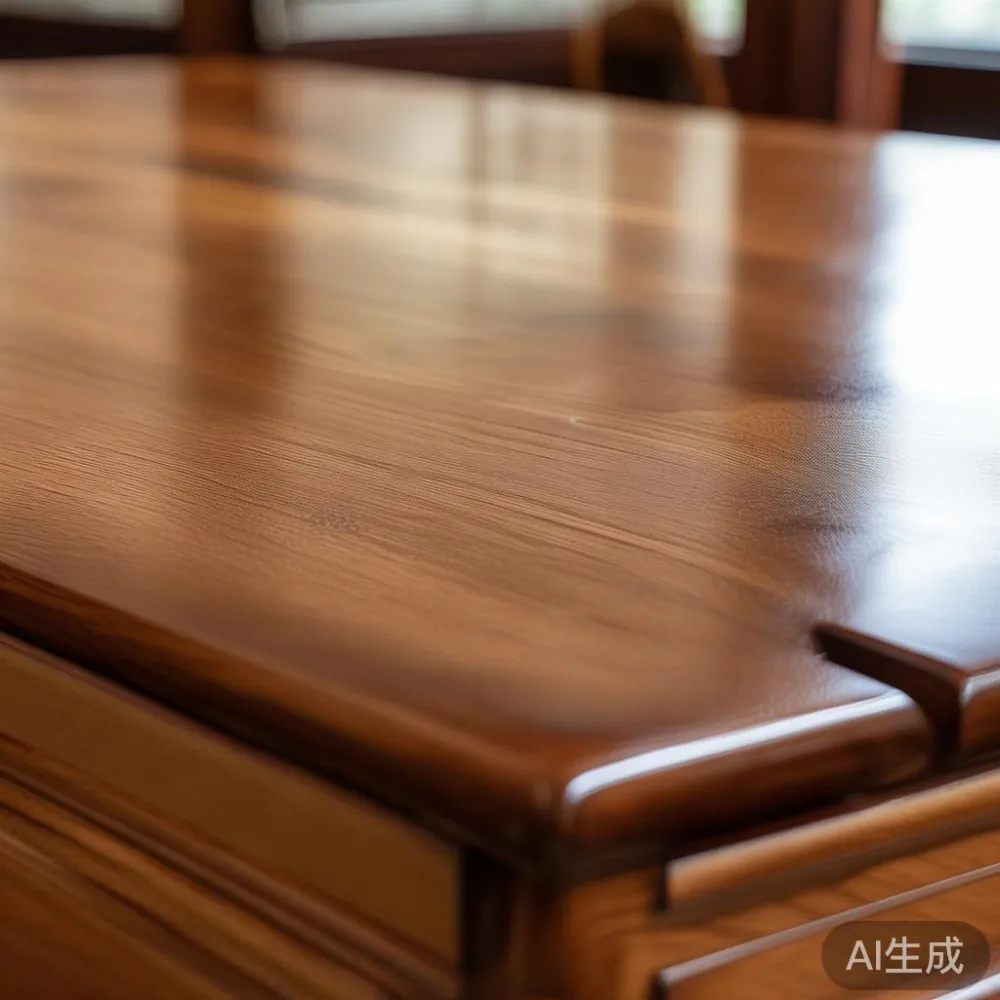
Weekly Care Routine That Actually Works
Two microfibres, two cloths, seven minutes. That is the routine.
1. Dry micro-fibre (16 × 16 cm, 220 gsm) — wipe in straight lines along the wood grain to lift dust before it can be moistened into a paste.
2. Slightly damp micro-fibre — wring until no water drips (the cloth should feel cool, not wet). Wipe once, then immediately follow with a dry cloth. Never let water stand on a lacquered surface for more than 15 seconds.
3. Every six weeks, apply three to four drops of Mohawk Ultra® Gloss Restorer (about SGD 24 for 240 ml in Singapore) on a clean cloth, spread thinly, let sit 90 seconds, buff. This replenishes the plasticisers that tropical humidity leaches out.
What you must never use: ammonia-based glass cleaners, silicone polishes (Pledge, Mr Sheen), vinegar solutions, lemon oil, furniture wax containing carnauba. Each of these either etches the cured film or leaves a residue that traps the next batch of humidity. A colleague in Punggol sprayed her nightstand with Windex because a child had drawn on it with a ballpoint pen — the pen came off, but the lacquer dulled permanently and she replaced the SGD 480 nightstand 14 months later.
What Should I Do When the Lacquer Starts to Blush or Peel?
A whitish bloom on a high-gloss panel is moisture trapped inside the lacquer film, not on top of it. Wiping harder will not fix it. You need a controlled re-flow of the surface, which in the trade is called “burnishing.”
For a small blush patch (under 5 cm²), buff with a clean cotton cloth wrapped around a flat hardwood block, no compound, pressure about 2 kg of finger force, 30 seconds of circular motion. The friction warms the film just enough to drive the moisture back out. I fixed a 3 cm² blush on my own wardrobe this way in February.
For a larger blush area (10–50 cm²), do not try to burnish the whole panel — the heat you generate is uneven and you can create a visible hot spot. Instead, place a microfibre over the patch, set a clothes iron to the “silk” position (around 140 °C), iron for 4 seconds maximum, lift, check, repeat. Keep the iron moving; 6 seconds in one spot will delaminate the film from the substrate.
For peeling or flaking over 50 cm², stop and call the workshop. MIDHILL offers lifetime refinishing on lacquered bedroom pieces they sold direct; turnaround is quoted at 35 working days plus 12–18 days sea freight from Foshan to Singapore (about SGD 85 for a two-piece shipment under 80 kg). For locally sourced lacquered pieces without that warranty, a Singapore refinisher will charge SGD 180–280 per square metre of surface.
Matching Lacquer Care to the Bedroom Design Style You Already Own
This matters because the lacquer you have was specified for a particular interior vocabulary, and the wrong polish can push a piece out of its intended style.
A Scandinavian piece (think a clean solid wood bed frame in white-oiled ash or a Nordic-inspired dresser) is almost always finished in a low-sheen 5 %-gloss matte. The care products above apply, but you can be slightly more aggressive with buffing because the film is thick — typically 0.10–0.12 mm. A French provincial piece uses warm shellac with an open pore on mahogany or oak; cleaning is gentler, never use water, only a dry soft cloth followed by a beeswax paste twice a year. A post-modern light luxury piece — high-gloss piano-black wardrobe, champagne-foil drawer fronts, marble-effect ceramic tops — is the most fragile. Use only the microfibre routine above, and avoid anything labelled “polish.”
Designers in Singapore increasingly blend two of these vocabularies in the same bedroom design, which complicates care. A Japandi arrangement pairing a low oak platform bed with a single high-gloss lacquered floating nightstand is common in Punggol new launches. The care routine for both pieces must be kept distinct: dry-mop the platform, damp-mop the nightstand. If you have ever wondered how to style Japandi bed in bedroom without creating a maintenance problem, the simple rule is to keep the gloss component under 10 % of the visible wood surface area.
Couples often ask whether a European bed vs Nordic bed choice affects lacquer care more than cost. In practice the European bed (deeper button-tufted headboard, often in gloss lacquer) demands the most humidity control; the Nordic bed (lighter frame, oiled or matte lacquer) tolerates a wider humidity band. If your HDB is on a lower floor with poor cross-ventilation, the Nordic construction will forgive more mistakes.
Choosing New Pieces That Survive the Climate: A Pre-Purchase Checklist
If you are buying a new lacquered bed frame, wardrobe or nightstand, run through this 12-point checklist before you hand over your NETS or PayNow. I used it last month when I helped a friend replace a four-year-old wardrobe in a Tampines flat, and it cut her shortlist from eleven options to three.
1. Confirm the lacquer type — acid-catalysed (AC) conversion lacquer, polyurethane (PU), or nitrocellulose (NC). AC is best for Singapore humidity; it cross-links under acid and resists moisture ingress better than NC.
2. Ask for the film thickness spec in writing. Anything below 0.05 mm will not last five years.
3. Check the edges. Spray-finished edges are 20–30 % thinner than flat surfaces — ask for a radius edge with a hand-rubbed seal.
4. Inspect the back of panels. A sealed back is critical in a tropical climate; an unsealed MDF back will wick moisture from a wet HDB wall.
5. Verify the warranty covers finish delamination, not just structural failure. MIDHILL’s 10-year structural warranty is meaningful, but the lifetime refinishing offer is what you will actually use in Singapore.
6. Ask for a free touch-up kit on delivery. Two colour-matched pots of filler and a small spray can of NC lacquer should cost the maker under SGD 8 — most reputable Foshan factories include it.
7. Confirm packaging. Double-walled corrugated, vacuum-formed corners, silica gel packets. A single dent on arrival in a Punggol carpark is much harder to claim against if packaging is thin.
8. Match delivery to lift access. A fully assembled queen bed frame at 168 cm × 215 cm fits a standard HDB lift diagonally but not flat.
9. Lift access aside, confirm doorstep delivery vs room-of-choice delivery. Heavy items over 80 kg require two movers in most HDB corridors.
10. Verify the GST treatment. Bedroom furniture imported under a CIF value exceeding SGD 400 attracts 9 % GST; check whether the price shown is GST-inclusive. Free shipping over US$350 from most direct-from-Foshan suppliers works out to roughly SGD 480 before GST — well over the threshold.
11. Measure the corridor turn radius. At Punggol’s 14-storey blocks the L-bend at the lift lobby is about 1.8 m × 1.8 m — fine for a flat-pack but impossible for a fully built wardrobe.
12. Plan for the return. The 14-day window starts the day the second mover leaves. Photograph every panel at unpack.
Frequently Asked Questions From Singapore Owners
“Can I put a lacquered wardrobe next to my bathroom?” No. Maintain at least 80 cm between any lacquered panel and the bathroom door if the bathroom has no extract fan running, and at least 40 cm even with an extract fan. Steam pulses during showers push RH past 90 % in the adjacent bedroom.
“Is a rubberwood or engineered wood substrate safe in Singapore?” Both survive, but engineered panels must be sealed on all six sides, including the unseen back and the bottom edge that sits on the floor. Unsealed engineered panels will delaminate within 18 months.
“Do I need a humidifier in air-conditioned bedrooms?” Rarely. Air-con at 23 °C–25 °C pulls RH down to 40–50 % in most HDB flats, which is fine for lacquer. Watch out for the morning unit-off period, though — humidity spikes back to 65–70 % during the hour the compressor cycles off.
“What about kids and lacquered furniture?” A washable matte lacquer with a 12 sheen is the practical compromise. Gloss lacquer and children under eight are not compatible.
“Should I buy lacquered or veneered?” For a tropical climate, a properly sealed veneer on solid hardwood tolerates humidity swings better than a thin lacquer over engineered wood. The trade-off is that veneer cannot be refinished many times. A 0.6 mm oak veneer over a rubberwood core will accept three to four refinishes; a 0.04 mm nitrocellulose lacquer over MDF may only accept two.
Pulling It All Together: A 12-Month Care Calendar
January–February: dry-wipe weekly, polish once, check hygrometer calibration.
March–May: switch to daily damp-wipe (humidity peaks), inspect wardrobe edges for stickiness.
June–August: heaviest humidity; run dehumidifier 10–12 hours daily, expect surface blush on north-facing pieces if RH climbs above 70 %.
September–November: post-monsoon dry-down, ideal refinishing window if restoration is needed.
December: deep clean, buff, photograph each panel for next year’s comparison.
One final note on the larger furniture ecosystem. Buyers comparing a light luxury sofa vs French provincial sofa for the living room will often run the same seller search when they later shop for the bedroom. The same questions apply: check the substrate, the film thickness, the back-panel sealing. A MIDHILL sofa in the living room and a MIDHILL lacquered bed in the same bedroom mean one consistent warranty line, one contact point, and one set of after-sales instructions to remember. If you are a retailer browsing wholesale light luxury furniture catalogues, Singapore remains a strong reference market for climate testing — anything that survives a Punggol HDB for five years will sell well in Bangkok, Manila and Kuala Lumpur.
Designers often brief clients on how to style Japandi bed in bedroom with a gloss lacquer accent, but they rarely include a care sheet. Treat the lacquered component as a managed surface, not a piece of furniture; give it 10 minutes a week, a SGD 5 bottle of restorer every six weeks, and a properly set dehumidifier, and it will outlast the warranty by a comfortable margin. My own wardrobe and Modern light luxury bed now sit at a stable 56 % RH year-round. Twelve months on, the doors no longer stick and the blush is gone. That is a result worth sharing.