Humidity and Solid Wood Furniture in Singapore Homes
Singapore’s tropical climate can change the moisture inside a solid wood furniture piece more than many homeowners expect. Air humidity rises during wet periods, falls when hot air moves in from the windows, and changes again whenever an HDB flat is aired overnight. For a bed frame, wardrobe, nightstand or dining table, those cycles affect timber movement, joint stability and surface finish.
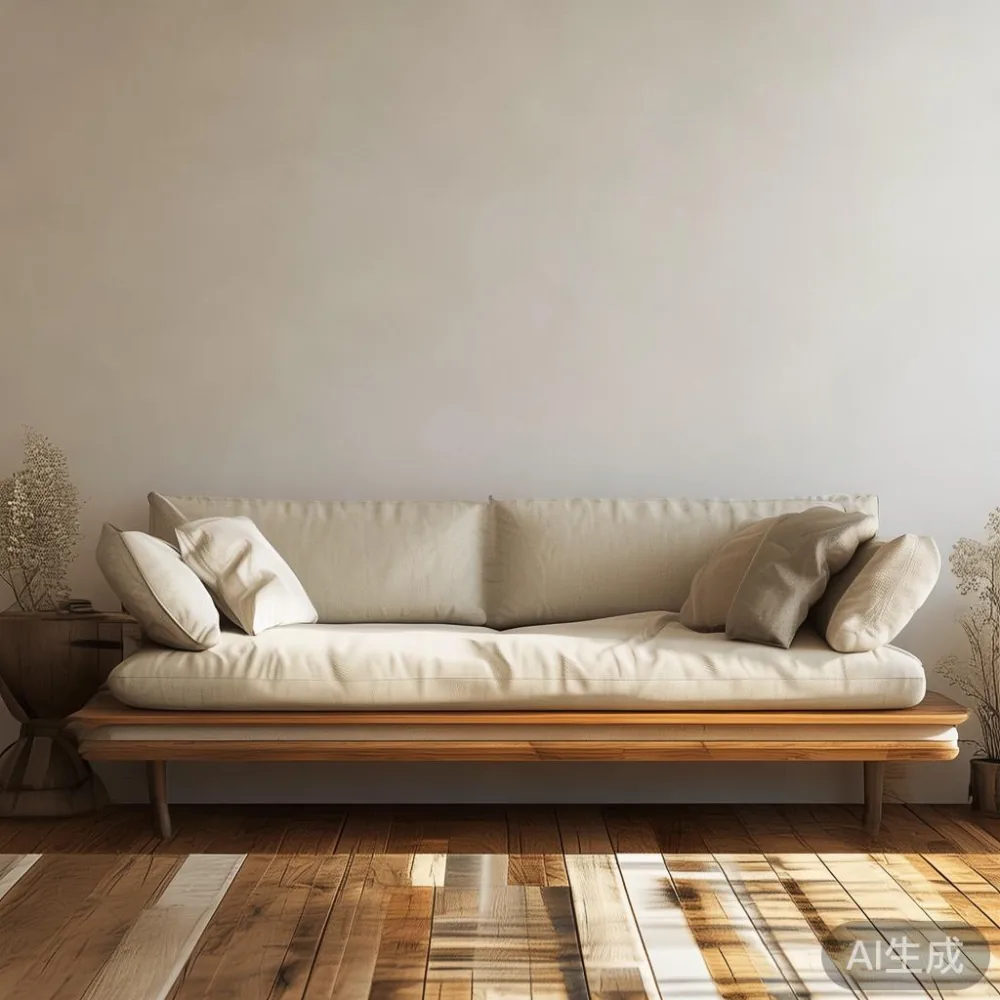
At MIDHILL, we build solid wood furniture for real rooms rather than treating humidity as a problem found only in kitchens or bathrooms. Our bedroom designs must also work with the dimensions of Singapore homes: compact HDB bedrooms, narrow condo corridors, lift doors and practical storage zones.
Why does humidity affect solid wood furniture?
Wood is hygroscopic, which means it takes in moisture when surrounding air is humid and releases moisture when air becomes drier. This exchange continues through the life of the furniture. A dining table with a 120 cm by 70 cm top has several exposed surfaces, while a wardrobe has broad panels, enclosed corners and long vertical sections. Even pieces made from the same wood species can move differently because of grain direction, thickness and joinery.
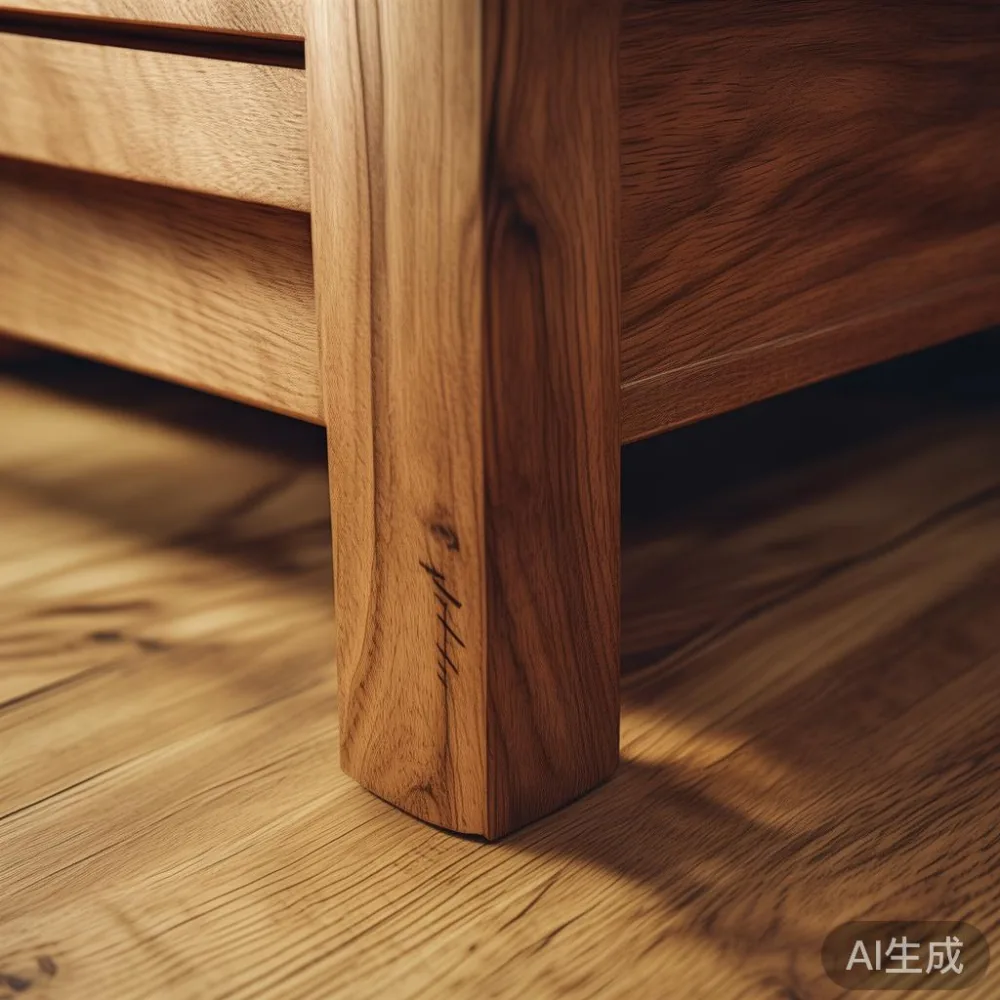
Singapore’s relative humidity commonly varies across a 24-hour period. During monsoon periods, indoor readings may sit around 70–80%, while air-conditioned rooms can fall below 50%. A 20-percentage-point change within one day is therefore plausible. The air is not “eating” the wood; the wood is responding to its environment by expanding, contracting or changing dimension by a small but visible amount.
Solid wood can handle these cycles better than many composite panels, provided the furniture was made with restraint and allowed to acclimatise. Thicker boards move more slowly than thin veneer. A drawer front with a 2 cm thickness behaves differently from a 0.6 mm membrane. Good bedroom design accounts for the space between a wardrobe side and wall, and for the movement of a bed frame’s centre rail instead of forcing every component into perfect immobility.
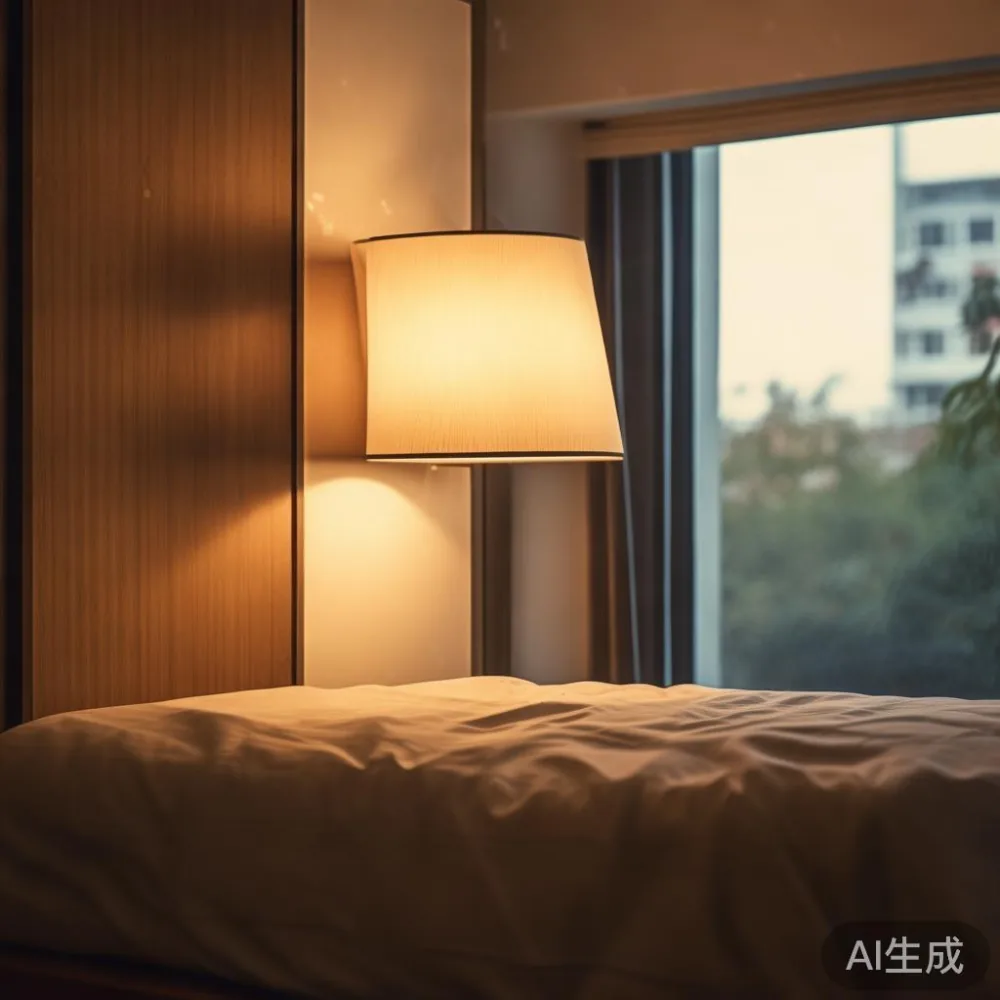
Humidity also affects finishes. Water-based lacquer generally remains flexible, but repeated wetting, scrubbing and drying can cause a thin coating to lose gloss or develop a faint haze. Oil finishes may need occasional care. Marble table surfaces do not swell like timber, although their stone, support frame and surrounding furniture should still be handled according to the maker’s instructions.
How humid is a typical Singapore bedroom?
Many HDB flats and condos in Tampines, Bedok and Punggol have rooms that feel comfortable because of air-conditioning, dehumidifiers or both. Still, a bedroom door opened to a corridor can admit humid air. Windows left open during a shower, wet towels hanging nearby and laundry drying indoors all contribute to moisture. A compact room with 2.4 m of wall length can reach a different humidity level from the living room 5 m away.
A useful measurement is a small digital hygrometer placed near the wardrobe or bed frame, not directly against an exterior wall. Record the reading in the morning and evening for 7 days. Values around 45–60% are comfortable for people and generally considerate to indoor wood furniture. Readings above 65% deserve attention, especially if condensation appears on a window or a solid wood surface feels noticeably cool and damp.
The 14–24°C air-conditioned range is common, but temperature and humidity work together. Warm, humid air entering a cooler bedroom can condense on a window frame, metal hinge or polished wood edge. Running air-conditioning for 2–4 hours before opening a window, and keeping furniture 5–10 cm from a wall where practical, helps air move around the piece. Do not place a wardrobe against a pipe that sweats or directly beneath a bathroom-adjacent wall.
In lift lobbies and condo corridors, temperature changes can be sharper than inside the unit. A delivery arriving from a warm loading area may enter a cool lift and then a conditioned bedroom. Let a bed frame, nightstand or wardrobe acclimatise for 24–48 hours before tightening fittings or applying care products. This is particularly sensible for a wide solid wood dining table whose top may travel from a warehouse to a home over several delivery days.
What should I look for in solid wood bedroom furniture?
Ask the seller for the species, board thickness, finish type and expected movement range. Kiln-dried oak, ash or similar hardwoods can be used in bedroom design, but the specification matters more than a broad label. A wardrobe with 18–22 cm carcass panels and a bed frame with rails at least 5 cm thick is more capable of tolerating seasonal variation than thin, lightly assembled furniture.
Look for joinery that permits modest movement. A mortise-and-tenon joint, a properly fitted drawer and a solid wood slat system generally offer useful stability. Avoid asking for furniture with absolutely rigid, over-tightened corners. A small gap of 3–5 mm around a moving panel can be intentional, not sloppy. The design should allow wood to expand without forcing the frame to bow.
For a Singapore bedroom, measure before ordering. A queen bed frame may require a 160 cm by 200 cm mattress, plus 5–10 cm of clearance at each side where space permits. A lift opening of 80 cm and a corridor width of 120 cm can restrict how a 180 cm wardrobe is carried into the room. Ask for a knock-down or modular option, then confirm that the assembled dimensions still suit the intended bedroom design.
MIDHILL offers a 10-year structural warranty and lifetime refinishing, which gives buyers a clear route for long-term care. Those commitments matter because a solid wood piece should be maintained, not discarded after a humid season. Confirm the finish-care instructions, keep care records, and avoid covering a wardrobe with a fitted sheet while it is still damp.
How do I style Japanese, French and Modern light luxury bedrooms?
For a calm, uncluttered bedroom design, start with vertical storage, a quiet wall colour and one warm timber tone. If you are wondering how to style Japanese wardrobe in bedroom, use pale oak, ash or another light wood with simple doors, concealed pulls and limited visual seams. Keep the wardrobe 8–12 cm from a window where possible, and avoid a dense arrangement that blocks ventilation.
A guide to how to style Japanese wardrobe in bedroom can be as practical as it is visual: align the door edges with the bed frame, keep floor space open and add one woven texture rather than several competing patterns. Japanese-inspired rooms work well in a Punggol HDB bedroom because low visual noise makes a 3.0 m by 3.5 m room feel more generous. Select a nightstand no deeper than 40 cm if circulation is tight.
For French light luxury, consider a upholstered or timber bed frame with curved edges, cream textiles and warm brass details. A French light luxury bed in an apartment should be scaled to the room, not treated as a decorative object placed in an oversized footprint. A 150 cm bed frame in a 300 cm wide room leaves 75 cm on either side, while a 180 cm frame leaves 60 cm. Measure the lift and door opening before choosing.
If you are searching for a French bed, compare the headboard height, mattress support and floor clearance. A 105–115 cm headboard can create a focal point without overwhelming a ceiling at 2.6–2.7 m. Keep humidity care in mind: clean fabric panels with a lightly damp cloth, then dry them fully, and do not spray cleaner directly onto timber.
American light luxury is equally compatible with Singapore bedrooms when the design uses solid wood, restrained contrast and comfortable proportions. A walnut-toned bed frame, oak nightstand and cream rug can make an HDB room feel composed without making it difficult to clean. Post-modern light luxury may use a gently shaped bed frame or a stone-look marble table, but retain storage and clear circulation in the plan.
For a guest room, the phrase Minimalist for guest room can guide the layout: a 90 cm or 100 cm daybed, one slim nightstand and a closed storage box may be more useful than a large suite of furniture. A separate wardrobe with adjustable shelves can handle seasonal bedding. Keep at least 60 cm of clear walking space and place the bed away from the wall receiving the greatest moisture.
Modern light luxury for guest room styling can be achieved with warm lighting, one textured wall, a 200–300 K colour temperature and a small marble table only if its footprint remains practical. Avoid using too many materials in a 9–12 square metre room. Humidity control should be visible and easy: a hygrometer, a small tray for damp items and a routine for airing the room.
How should I protect a wardrobe, nightstand and marble table?
Keep solid wood surfaces away from running water. Wipe spills within 5 minutes, dry with a soft cloth and do not leave a damp ring overnight. For a nightstand, use a coaster under a cup and a felt pad under a lamp. If a bedroom is humid for more than 6–8 hours, run the air-conditioner or dehumidifier before moving a wardrobe’s contents.
For solid wood furniture, a dust cloth and mild soap are enough for routine cleaning. Test any oil or conditioner on a hidden 2 cm area first. Apply care every 6–12 months, or after a visibly dry period, following the finish manufacturer’s instructions. Do not sand aggressively; excessive removal can alter the colour and make a later refinishing job less uniform.
Marble needs different care. Wirt down the surface, use a pH-neutral cleaner when required and dry it immediately. A marble table should not be treated as a humidity indicator, but its wooden or metal base can be affected by moisture. Check the base every 3 months for movement, stains or loose fasteners. In a compact condo, keep the table at least 15 cm from a shower entrance and 10 cm from an exterior wall where possible.
Delivery planning is part of furniture care. Measure the lift door, lift car, turning corridor and bedroom doorway; write down each narrowest point. Allow 2–5 delivery days within Singapore after stock confirmation, and ask the supplier whether the item arrives assembled or in sections. A knock-down wardrobe may arrive flat and reduce the risk of a large solid wood sofa or bed frame striking a corridor corner.
Can a Singapore bedroom stay stylish while humidity is controlled?
Yes. The most reliable bedroom design uses compatible furniture sizes, ventilation and a consistent care routine. Set the air-conditioner to around 24–26°C during humid weather, avoid blocking air vents, and use a dehumidifier when readings remain above 65% for several hours. Keep doors and windows closed while cooling, then air the room briefly when outdoor humidity is lower.
Give a new piece 48 hours to settle. Check its level after the first 24 hours, tighten hardware only according to the maker’s instructions, and inspect drawer gaps every 2–3 months. A 3 mm change in a wide panel may be visible without indicating failure. Persistent twisting, splitting or a joint opening by more than 5 mm should be documented and referred to the supplier.
For buyers comparing options, a solid wood sofa or dining table may need a different room humidity profile from a bedroom piece, so do not use showroom conditions as the only reference. Ask about the finish, climate assumptions and after-sales service. MIDHILL’s 14-day returns policy allows time to assess a piece in the actual home, while free shipping over US$350 makes international planning easier for customers outside Singapore.
Good bedroom design is not about ignoring the weather. It is about giving solid wood enough room to respond to Southeast Asia’s humidity, protecting finishes with simple habits and choosing furniture whose proportions suit lifts, corridors and HDB rooms. With ventilation, measured conditions and a clear care plan, a bed frame, wardrobe, nightstand or marble table can remain useful and attractive for many years.