How Southeast Asian Humidity Affects Solid Wood Furniture
Singapore’s climate can change by 8–12°C across a rainy afternoon, while indoor relative humidity may move between roughly 55% and 80%. Air-conditioning often brings the level down to 50–65%, but condensation can still form on a window frame, wardrobe side, or marble table near an unglazed wall. Those repeated changes matter because solid wood furniture reacts to moisture, even when the timber begins in a well-controlled factory.
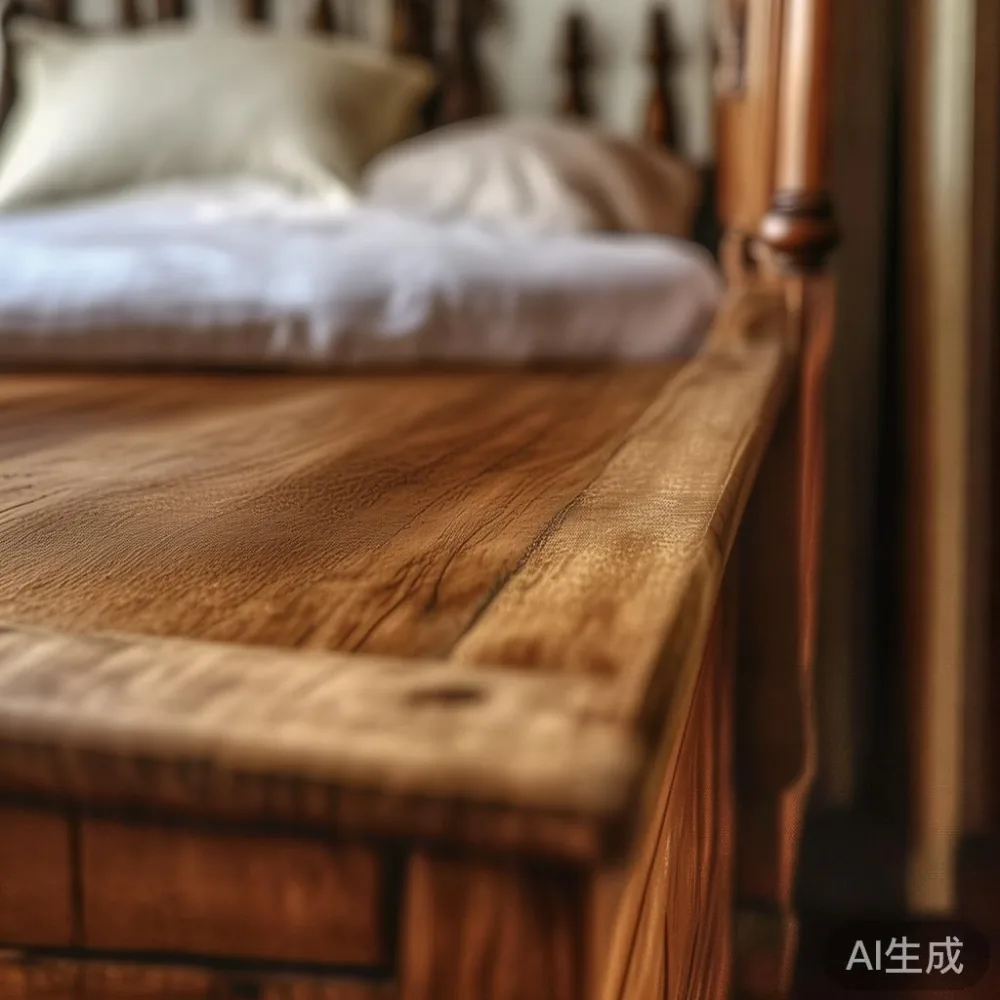
For households in HDB flats and condos across Tampines, Bedok, and Punggol, humidity is not an abstract design issue. A 180 cm bed frame may be perfectly proportioned for a bedroom yet move or develop surface marks if its panels are placed against a cold exterior wall. A dining table beside an open kitchen can absorb cooking moisture, while lift and corridor dimensions affect whether furniture can be carried in and protected during delivery. Thoughtful bedroom design therefore includes material conditioning, ventilation, measurement, and realistic maintenance—not only colour and style.
What relative humidity does to solid wood?
Wood exchanges moisture with the surrounding air through the grain. As relative humidity rises, fibres swell slightly; as it falls, they contract. Across an annual cycle of several changes, even movement of 1–3 mm across a 100 cm solid wood panel can be visible at a joint. The movement is usually not structural failure, but repeated stress can contribute to checking, joint movement, or a dull finish.
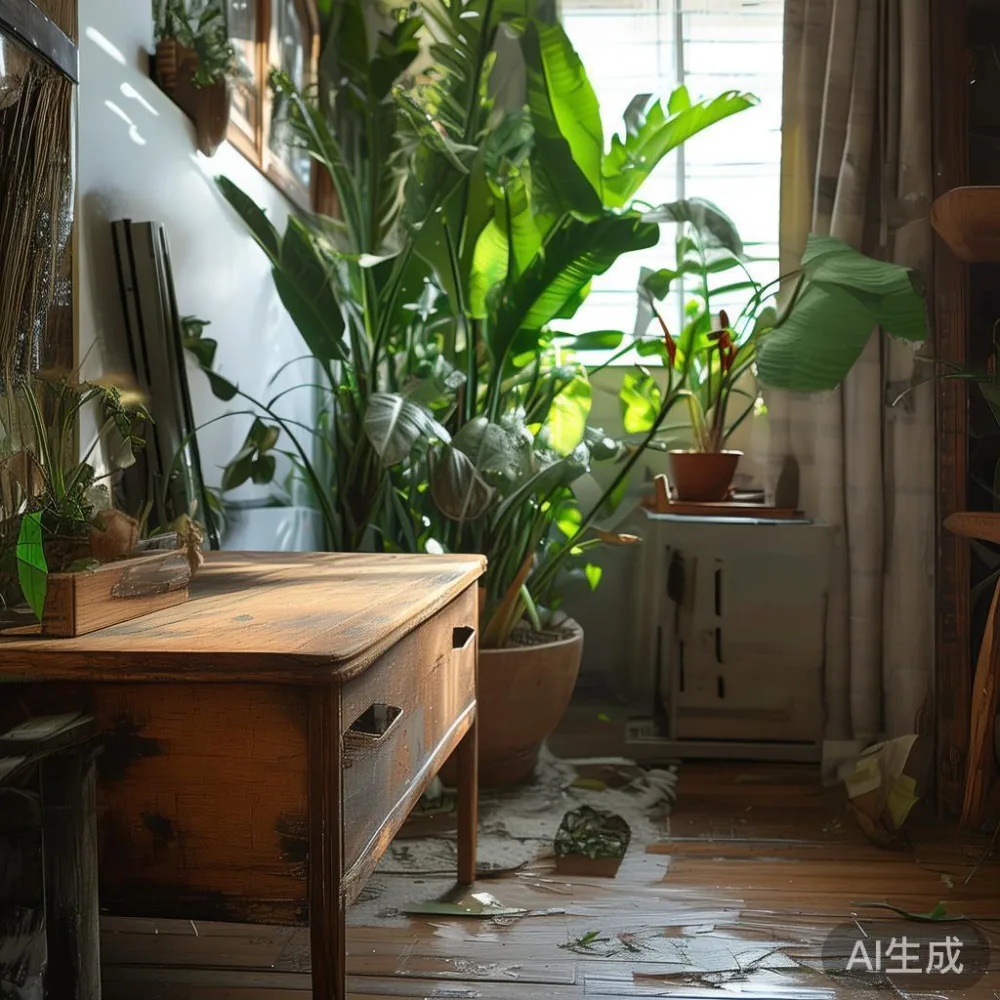
The risk depends on timber species, panel construction, thickness, finish, and how close the furniture is to a moisture source. A 20 mm oak or ash board generally needs more breathing room around its edges than a 10 mm engineered component. A lacquered wardrobe interior can be more stable than an unsealed drawer bottom, while a solid wood dining table should not be pressed tightly against a tiled wall.
For Singapore homes, maintaining about 45–65% relative humidity is a practical target. During the wetter periods, run the air-conditioner for 1–2 hours after showering, use exhaust fans in bathrooms, and keep furniture at least 10–20 cm from windows that may mist. Use a digital hygrometer priced around SGD 15–35 rather than guessing from the weather app. Read it in the bedroom at bedtime and again in the morning because occupied rooms can differ substantially from unoccupied corridors.
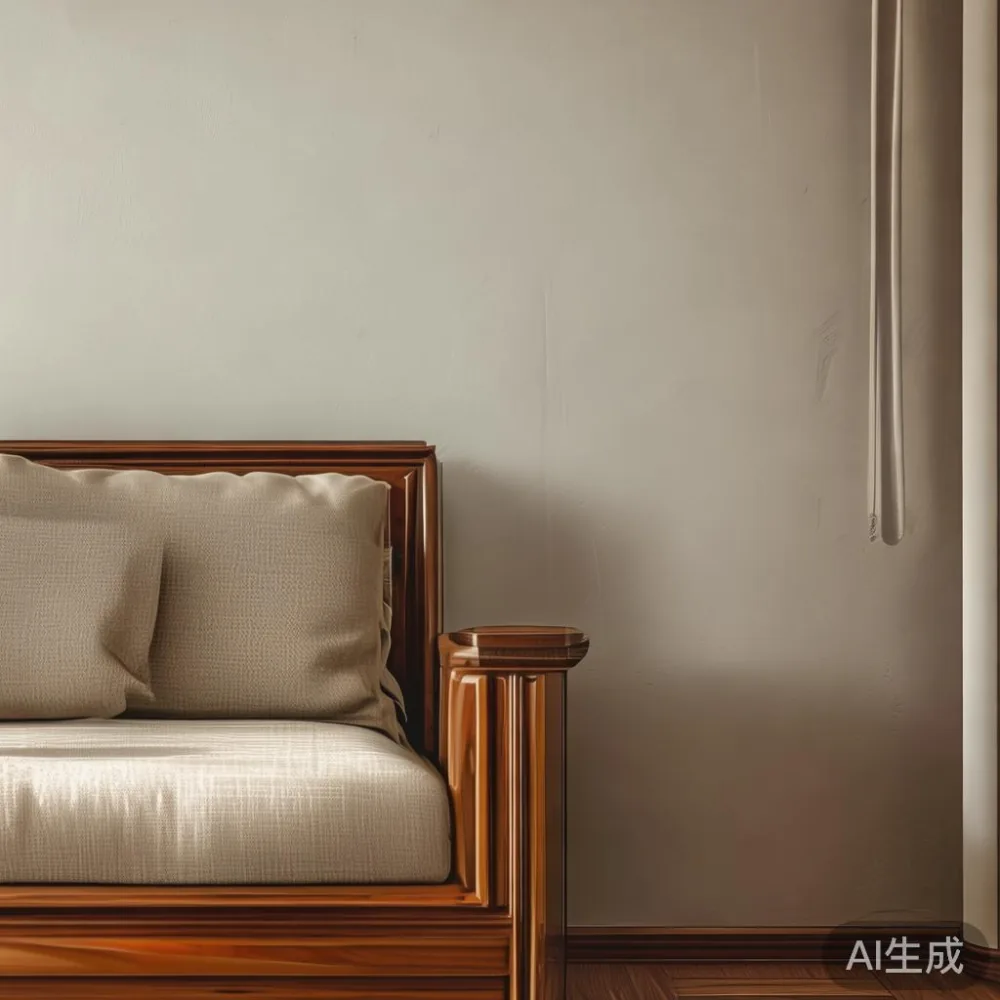
Direct water remains the greater danger. Wipe spills promptly and dry furniture within 10–15 minutes. Do not leave damp towels on a nightstand, damp washing inside a wardrobe, or a potted plant in a closed cabinet. Small protective items can create a local microclimate even when the rest of the room is comfortable.
Why HDB flats and condos need careful planning
Older HDB flats may have tighter bedrooms, common lift lobbies, and less cross-ventilation than newer residences. Before ordering a bed frame, record the clear opening of the lift door, the cabin depth, and the width of corridor turns. A mattress and platform may fit a 90 cm doorway, but a solid wood headboard, wardrobe, or drawer bank may not follow the same straight route. Give each turning point 5–10 cm of handling clearance.
In a Tampines HDB flat, for example, a 200 cm bed frame may need to be assembled partly inside the bedroom if the common lift has a 210 cm internal diagonal. In a Punggol condo, wider corridors may simplify movement, yet the bedroom entrance can still be only 85–95 cm wide. Measure the narrowest point rather than relying on room dimensions. Lift booking, corridor protection, and the installer’s access time should be confirmed before delivery.
Humidity also depends on location within the unit. A bedroom beside a wet bathroom experiences short, sharp moisture spikes; one at the end of an air-conditioned corridor may be drier and experience larger overnight swings. Air-conditioning can lower humidity quickly, but aggressive cycling and near-wall placement can encourage warping in poorly conditioned timber. Keep large pieces away from external walls where possible, or use a breathable moisture barrier approved for the floor system.
GST matters when comparing quotations. A furniture order priced at SGD 1,500 before GST becomes SGD 1,645 with 9% GST. Ask whether assembly, lift booking, delivery, and stair carrying are included. For a single bed frame, a quote around SGD 900–1,800 can reflect size and finish; a marble table may sit around SGD 1,200–2,600. Confirm the total in SGD so humidity protection decisions are not distorted by an incomplete comparison.
Which furniture finishes and construction details help?
Factory acclimatisation is one of the most useful safeguards. Solid wood should be stored at approximately 18–24°C and 45–60% relative humidity before finishing, then allowed to settle for the destination climate. A 10-year structural warranty addresses long-term integrity, while a lifetime refinishing service addresses surface restoration over the furniture’s working life. Neither replaces sensible indoor care.
Look for solid wood dining table and bed frame constructions with panels arranged to limit uncontrolled movement. Dowelled or mortise-and-tenon joints, properly glued edges, and rear ventilation gaps can improve stability. Drawer bottoms should move with the cabinet rather than being trapped in a rigid frame. Wardrobes benefit from back panels that are not sealed directly against walls, especially in humid rooms.
Finish choice also matters. A hardwax oil or matte water-based coating can show moisture marks more readily than a dense lacquer, but good maintenance makes it easier to repair. Gloss finishes reflect light and conceal some tonal variation, not physical movement. Test every finish on an offcut before committing to a high-visibility nightstand or wardrobe front.
For American light luxury, pale oak, walnut tones, clean profiles, and restrained hardware work well in a Singapore bedroom. French light luxury may use cream upholstery, carved details, and warm woods; choose moisture-resistant foam and sealed fabrics for upholstered pieces. A solid wood sofa should have removable covers where possible. French sofa vs Japandi sofa comparisons often focus on silhouette, yet a humid climate also calls for breathable fillings, refined legs, and surfaces that can be dried quickly.
How should I protect a solid wood bed frame and wardrobe?
Place a 180–200 cm solid wood bed frame away from an exterior wall if the layout allows. Leave 10–15 cm behind the headboard, keep bedding from touching the back panel, and allow air to circulate beneath the slats. If the frame must sit near a wall, inspect it every 2–3 months for dampness, swelling, or movement at the headboard joint. A nightstand should hold a water glass on a coaster and sit at least 20 cm from a frequently opened window.
A 150–220 cm wardrobe needs floor clearance, level support, and a stable interior. Leave 5–10 cm at the rear when practical, avoid stacking wet towels inside, and use cedar blocks or moisture absorbers if the room repeatedly exceeds 65% humidity. Do not seal a wardrobe that is already damp. Dry and ventilate the interior first, then adjust the door gap or use a small fan rated for indoor use.
MIDHILL can supply bedroom furniture with moisture-aware construction and a 10-year structural warranty. Its lifetime refinishing policy is useful for a family that expects to keep a bed frame or wardrobe through several homes. Ask for the actual timber species, panel thickness, finish type, and care instructions in writing; these details should accompany any SGD 1,000–3,000 bedroom set.
How do you style European light luxury without trapping moisture?
European light luxury usually succeeds through proportion and texture. A low-profile solid wood bed frame with pale linen, a ceramic lamp, and one marble table can feel luxurious without overloading a 3 by 4 m HDB bedroom. Leave a 60–75 cm circulation route beside the bed, 70–90 cm in front of wardrobe doors, and 30–45 cm between a nightstand and the wall when possible.
For those working out how to style European light luxury sofa in bedroom layouts, place the sofa opposite the bed rather than against the exterior wall, keep it 15 cm off the floor where the design allows, and use washable covers. Upholstery should not be treated as a moisture barrier. Vacuum it weekly, remove spills immediately, and avoid placing it beside an open bathroom door.
Material choices also need regional interpretation. Luxury French provincial furniture can include curved cabinetry and carved bed details, but avoid placing those forms where condensation repeatedly reaches them. If comparing styles, searching for top 10 Minimalist furniture may return useful shape references; choose solid wood only where the construction and finish are clearly specified. For a primary bedroom, the best Modern light luxury wardrobe for 2026 should be judged by ventilation, hinge clearance, and moisture control as well as appearance.
Before buying, ask how to choose French provincial bed by checking the frame’s centre support, slat spacing, floor contact points, and maximum mattress load. A queen mattress around 50–70 kg is common, but the complete occupant load should remain within the manufacturer’s stated limit. Confirm that the headboard, side rails, and footboard can be serviced separately if a finish needs repair.
What should I do during wet weather?
Use a simple weekly routine. Check the hygrometer, inspect the lowest and highest humidity points, and wipe any condensation from windows or cabinet panels. Run the air-conditioner or dehumidifier for 2–3 hours when readings remain above 65%. Keep doors open between adjacent rooms for 15–30 minutes after hot showers, provided this does not introduce dust or security concerns.
Do not drag furniture across a tiled floor. Lift it with two people if it weighs more than 25–30 kg, or use furniture sliders rated above the actual load. Protect the base of a wardrobe with felt or PTFE strips, leaving enough room to inspect the floor beneath it. For a solid wood dining table used in a kitchen, wipe it after meals and coast hot cookware; moisture and heat together can darken or haze some finishes.
Arrange delivery dates when the unit is dry and the route is prepared. Confirm the lift reservation 3–5 days ahead, photograph the corridor, and allow 30–60 minutes for an installer to check assembly and levelling. MIDHILL offers free shipping over US$350 for qualifying orders, but confirm the Singapore delivery quote, GST, and access terms before purchase.
Singapore’s humidity does not make solid wood furniture impractical. It does make controlled storage and attentive care part of good bedroom design. With stable indoor conditions, sensible placement, and a finish that suits tropical living, a solid wood bed frame, dining table, wardrobe, nightstand, or marble table can retain its warmth and structure for many years.