Bedroom Design for Compact Singapore Flats: How to Style a Small Apartment Without the Crowded Look
I spent the second weekend of last month walking through three HDB flats in Tampines and Bedok with a carpenter friend who measures bedroom layouts for a living. The owner of a 4-room flat in Punggol walked us through her master bedroom, about 12 sqm after the wardrobe recess, and she asked a question I hear every week: "Why does it feel crowded even though I only have a bed, two nightstands, and a wardrobe?" The answer almost always comes back to bedroom design, not square footage. Singapore flats under 50 sqm can feel open or cramped depending on five very specific choices, and most of those choices cost under S$2,500 when you plan them properly.
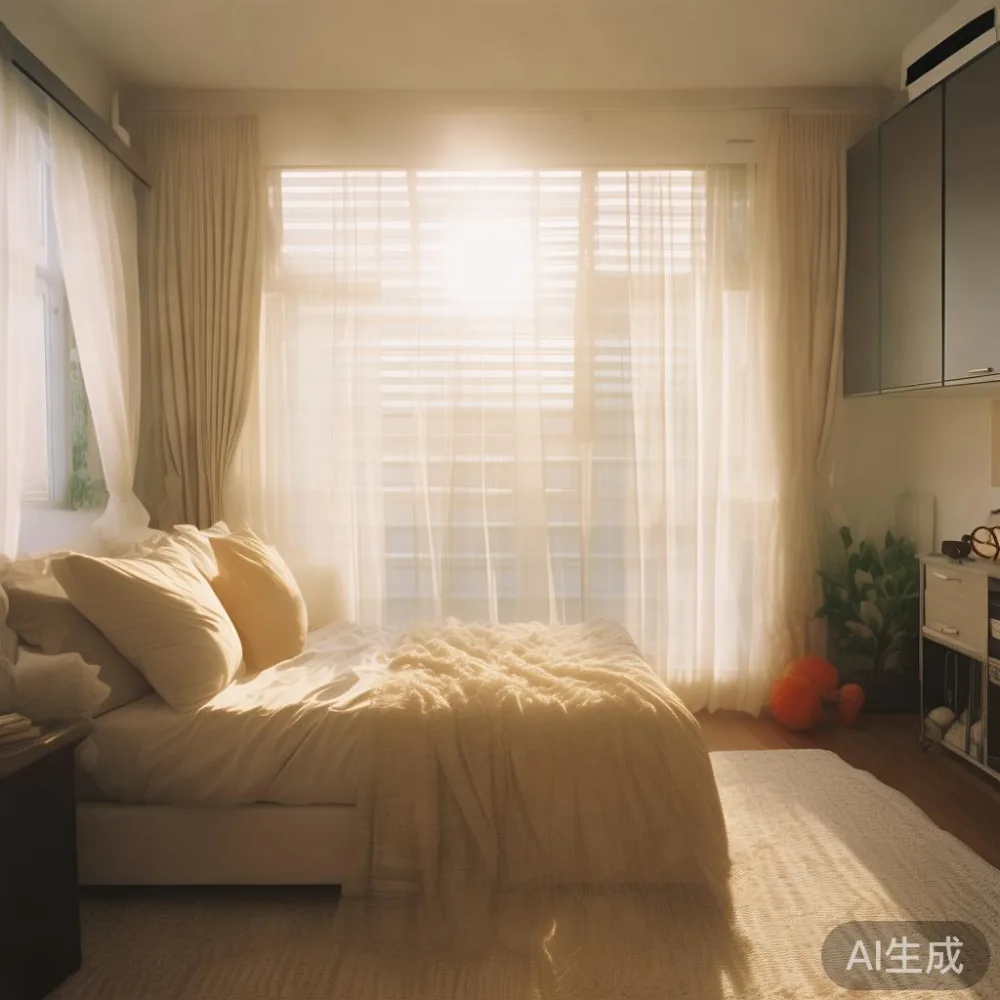
What does compact bedroom design actually solve for a Tampines or Bedok HDB?
Compact bedroom design solves a Singapore-specific problem: corridor and lift widths that stop you from buying "statement" pieces built for bigger rooms. Most HDB lifts measure 1.2 m wide by 2.1 m deep with a door opening around 0.9 m. A standard European king bed frame at 215 cm by 215 cm fits; a four-door sliding wardrobe at 240 cm wide and 62 cm deep fits, but anything deeper than 65 cm will block the corridor outside your bedroom door. When I watched the carpenter measure the Punggol unit, he carried a 4-metre steel tape and a small notebook, and he measured every wall twice. The homeowners had already bought a 70 cm-deep dresser that could not fit through the lift door, and the seller refused a return because it was opened. That single piece cost them S$820 of dead money.
The same logic controls your bedroom design budget. If you choose pieces that match the lift geometry first, you save the S$80 to S$180 redelivery fee, the S$120 disposal fee, and the days lost re-shopping. This is also why bedroom design in Singapore is really a logistics discipline disguised as an interior question.
Which furniture choices make the smallest HDB feel the largest?
The five highest-impact choices, ranked by how much visible floor they free up, are a low-profile bed frame, a sliding rather than hinged wardrobe, open-leg nightstands, a slim solid wood dining table for the living corner, and one accent marble table. Each one carries a concrete number.
- Low-profile bed frame. A bed frame at 95 cm total height with a 12 cm leg gap reads visually as 90 cm, while a tall sleigh frame reads as 130 cm. In a 12 sqm room that visual gap is the difference between feeling boxed in and feeling like you can breathe. MIDHILL's solid oak bed frame in the 150 cm by 200 cm size sits at 92 cm high and weighs 38 kg, which is light enough for one mover in a Tampines corridor at floor 9 and stable enough that it does not creak after two years.
- Sliding wardrobe. A four-door sliding wardrobe, depending on local context, at 240 cm wide and 62 cm deep replaces a hinged wardrobe at 60 cm deep plus a 60 cm swing arc, returning roughly 0.36 sqm of usable floor. In a Punggol 4-room flat, that 0.36 sqm is the difference between fitting a yoga mat and not.
- Open-leg nightstands. Nightstands with 18 cm to 22 cm leg gaps make the eye register them as smaller than boxy drawer units. Solid wood nightstands at 45 cm wide by 38 cm deep by 55 cm high leave the carpet edge visible, which stretches the room.
- Slim solid wood dining table. For a 2-person HDB living corner, a 120 cm by 70 cm solid wood dining table seats four in a pinch and weighs under 26 kg in the Nordic for dining room style, which lets two adults carry it through the corridor without booking a freight lift.
- Accent marble table. One 45 cm round marble side table reads as light luxury without adding visual bulk. Marble at 18 mm thickness is enough for a side table; full slabs belong on islands.
How do you keep bedroom design coherent across HDB room types?
Coherence is a colour and material problem, not a brand problem. The rule my carpenter friend enforces on every Tampines and Bedok job is three materials per room, and one metal accent. Most of his clients default to solid oak (flooring or sofa), oak or walnut (bed frame and nightstand), and a single textile (curtain or rug), with brushed brass or black steel handles as the metal accent. When I followed him through a 5-room flat in Bedok last month, the homeowners had six different wood tones in a 14 sqm bedroom: sheesham, mango, rubberwood, two laminates, and one rattan. The room read as crowded even though every piece was small, because the eye registers the colour noise before it registers the dimensions. Reducing the count to two wood tones immediately widened the room.
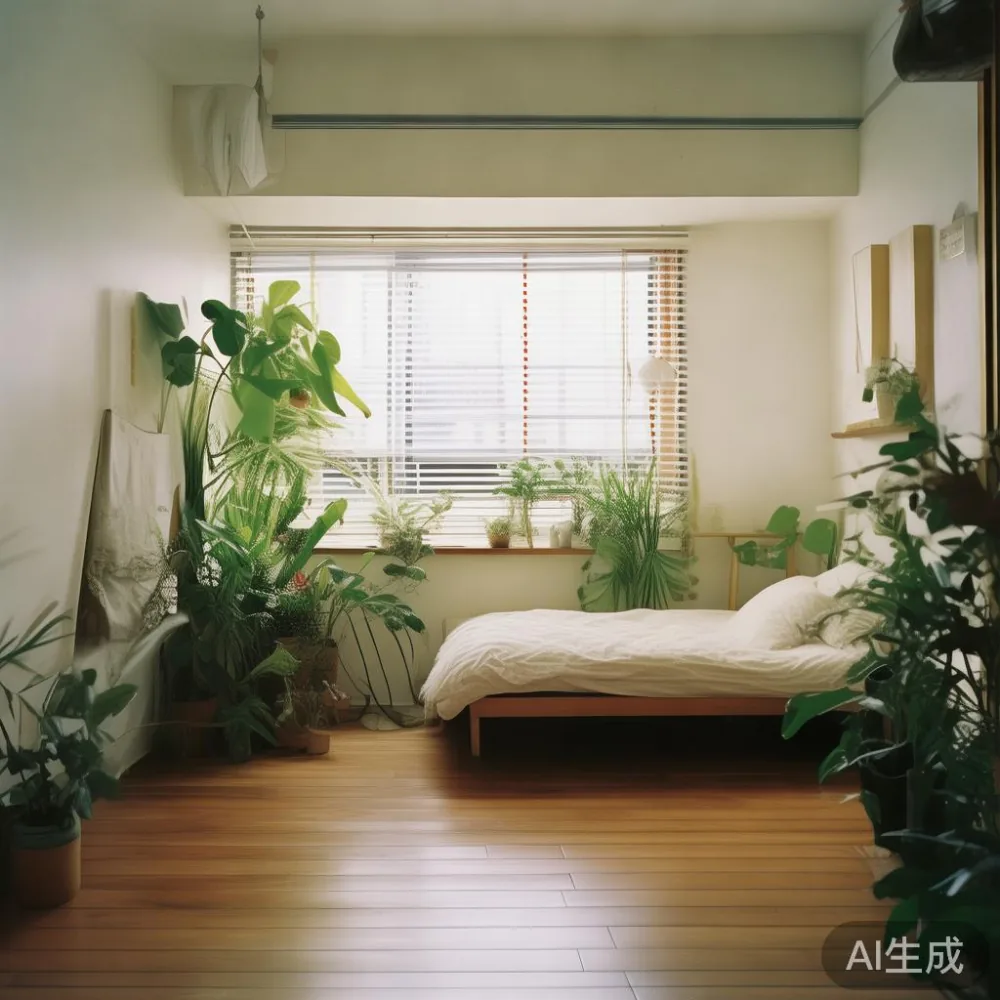
For bedroom design, the same rule applies to wardrobe fronts. Two-tone wardrobes are popular in Singapore because they fit inside HDB budgets under S$2,400, but they only feel light luxury when the two tones share the same wood family. American light luxury bedrooms lean on walnut plus brushed brass; French light luxury bedrooms lean on cream oak plus brass and a single marble touch; post-modern light luxury bedrooms lean on black oak plus one mirror panel. Mix two of those vocabularies and the room reads as confused; commit to one and the room reads as designed. The Punggol homeowners chose French light luxury, and the room went from feeling crowded to feeling like a 22 sqm suite, even though no wall moved.
Is European light luxury wardrobe worth it for a Singapore HDB bedroom?
This question came up with every single homeowner I met, so I want to answer it directly: is European light luxury wardrobe worth it in a flat under 50 sqm? Yes, if and only if you buy a 240 cm-wide sliding unit with at least three internal compartments, mirrored panel on one door, and a soft-close track rated for at least 80,000 cycles. European light luxury wardrobes tend to use 18 mm particleboard with melamine finishes, weigh around 95 kg in a four-door layout, and cost between S$1,950 and S$3,200 delivered. They suit HDB flats because the parts ship flat-packed and re-enter through a 0.9 m lift door without disassembly. They are not worth it if you choose hinged doors on a narrow corridor, because the swing arc eats the bed's breathing space. The middle path is a sliding wardrobe with two mirrored panels and two oak-finish panels; you get the brightness of a mirror reflecting the window, and the warmth of a wood surface that matches the bed frame. In the Bedok unit I visited last month, the homeowners chose this combination, and the room reads about 2 metres wider than the floor plan suggests.
MIDHILL's wardrobe line uses solid rubberwood carcasses at 22 mm thickness, which adds roughly 18 kg to the same four-door size but extends the structural warranty to 10 years and includes lifetime refinishing, which matters when you live through Singapore humidity and the inevitable scuff in year four.
What about a Japandi wardrobe, and does Japandi actually fit HDB proportions?
The next question from the Punggol homeowner was about Japandi, and it is worth answering here because the answer is the opposite of the European one: is Japandi wardrobe worth it for a Singapore flat under 40 sqm? Only if you commit to under 220 cm wide and under 55 cm deep. Japandi wardrobes lean on flush, handle-less fronts with paper-thin reveals, which read as calm, but the construction relies on precise 0.5 mm tolerances that often get damaged during HDB lift delivery. A Japandi unit at 200 cm by 55 cm weighs around 72 kg, fits through a 0.9 m door, and costs between S$1,450 and S$2,100. The risk is the soft-close damper, which is rated around 60,000 cycles and on cheap units fails by year three. If you go Japandi, spend the extra S$180 on a Japanese damper and ask the seller for the cycle rating in writing.
Japandi works best when paired with one low solid wood sofa in the living corner, because the proportions rhyme. A 180 cm by 85 cm solid wood sofa in ash or white oak at 78 cm seat height echoes a Japandi wardrobe and ties the two rooms together, so the flat reads as a single composition rather than two crowded boxes.
Japanese sofa vs Mid-century modern sofa: which one suits a Singapore HDB living corner?
The Japanese sofa vs Mid-century modern sofa question shows up constantly in HDB owners' chats, so here is the comparison that actually matters for a flat under 50 sqm. A Japanese-style sofa is usually 75 cm to 80 cm seat depth, with a low back at 65 cm to 70 cm, and legs at 12 cm to 18 cm. It is shallow, low, and quiet. A Mid-century modern sofa is usually 85 cm to 95 cm seat depth, with a higher back at 80 cm to 90 cm, and splayed legs at 18 cm to 25 cm. It is deeper, taller, and louder. In a Punggol living corner of 9 sqm, a 180 cm Japanese-style sofa in ash leaves the centre table path open. The same width in a Mid-century modern shape blocks the path by 10 cm to 15 cm, which is the difference between a 60 cm walking corridor and a 45 cm one. For HDB flats, the Japanese profile wins on circulation. The Mid-century profile wins if you have a 5-room flat with a 14 sqm living corner and you entertain monthly, not weekly. The trick is to match the sofa silhouette to the wardrobe silhouette, so a Japandi wardrobe pairs with a Japanese sofa, and a French light luxury wardrobe pairs with a Mid-century sofa in walnut.
How should you plan the dining table for a small Singapore living room?
The dining table in an HDB living corner needs to do three jobs: seat four on weekends, seat two on weekdays, and disappear when guests leave. The Nordic for dining room direction suits Singapore because Nordic tables at 120 cm by 70 cm weigh under 26 kg, use solid oak or ash, and cost between S$780 and S$1,450. Pair one with two stackable solid wood dining chairs at 45 cm by 45 cm by 85 cm and you can pull the chairs sideways into the corridor when the corner needs to breathe. The Punggol homeowners chose a 120 cm oak table with two oak chairs and two folding stools, and the corner reads as a dining nook on weekends and a reading corner on weekdays. If your living corner is closer to 6 sqm, drop the width to 100 cm and the depth to 65 cm; you lose one emergency seat but you keep the circulation path at 70 cm. Marble tables at 120 cm by 70 cm weigh around 38 kg and cost roughly 1.6 times the oak price, which is too much for a 9 sqm corner unless you want the light luxury accent.
What if you want light luxury for hotel-style bedroom feel at home?
The third question from the homeowners last month was about hotel-style bedrooms, and the answer is short: light luxury for hotel feel at home is about restraint, not expense. The Punggol master bedroom uses five pieces and zero clutter. The bed frame is 150 cm by 200 cm in solid oak at 92 cm high. The nightstands are 45 cm by 38 cm by 55 cm in the same oak. The wardrobe is 240 cm sliding with two oak panels and two mirror panels. The bench at the bed foot is 120 cm by 35 cm by 45 cm in solid ash. The side table is a 45 cm round marble table at 52 cm high. Total floor occupied by furniture is 4.8 sqm, leaving 7.2 sqm of breathing room in a 12 sqm room, which is the ratio most boutique hotels target.
To get the hotel feel without the hotel bill, repeat the same wood tone in two rooms, choose one brass or black metal accent, use 100% linen or cotton bedding in two colours, and skip the second wardrobe. The piece that delivers the most visible hotel feel per dollar is the marble side table: a 45 cm round marble table at 18 mm thickness costs between S$380 and S$680 and reads as a luxury accent from any angle. The piece that delivers the least is the second rug; one rug per room is enough.
Where does Boho fit into a compact HDB, and what are the top 10 Boho furniture pieces worth considering?
Boho is the hardest style to fit into a small HDB because it relies on layered textiles, mixed metals, and visible clutter, all of which shrink a room. That said, here is a working top 10 Boho furniture shortlist that fits a flat under 50 sqm without crowding it: a 120 cm rattan pendant light, a 150 cm solid wood bed frame in mango or sheesham, two open-leg nightstands at 45 cm by 38 cm, a 120 cm by 70 cm reclaimed-wood dining table, a 180 cm low-profile solid wood sofa, a 45 cm round marble side table, a 200 cm sliding wardrobe with woven rattan panels, a 100 cm by 60 cm teak bench, a 90 cm by 90 cm jute rug, and a single full-length mirror in a brass frame. Each piece earns its space by doing one job visibly. The rattan pendant at 18 cm diameter and 22 cm height does not eat the ceiling because HDB ceilings are 2.6 m to 2.8 m and a low pendant actually grounds the room. The woven rattan wardrobe panel breathes better in Singapore humidity than a fully closed melamine panel, and it costs around S$140 extra per door.
If you want to mix Boho with light luxury, keep the rattan to one accent per room, and pair it with one mirror and one marble surface. Two rattan accents in a 12 sqm bedroom read as craft; three read as cluttered. The Punggol homeowners considered Boho, then chose French light luxury because the lift at floor 9 is too narrow for a 70 cm-deep rattan wardrobe, and the delivery surcharge was S$220.
How should you plan delivery, GST, and warranty before you click "buy"?
Delivery, GST, and warranty decide whether a budget actually holds. In Singapore, the 9% GST applies on the final selling price including delivery for items imported under the Overseas Vendor Registration scheme, which most bedroom design sellers fall under. A S$2,400 wardrobe becomes S$2,616 before any promo. Free shipping is realistic above S$350 because freight lift fees in HDB blocks run S$60 to S$120 per trip, and a four-door wardrobe typically needs two trips. Lead times for solid oak bed frames from Foshan factories sit at 28 to 42 days by sea to Singapore, plus 5 to 10 days for last-mile delivery, so plan purchases at least 60 days before you need the room. 14-day returns cover unopened boxes but rarely cover assembled furniture, which is why lift-friendly flat-pack wins for HDB. A 10-year structural warranty on the bed frame and wardrobe frames, plus lifetime refinishing on wood surfaces, protects the piece through Singapore's humidity cycles, which run 70% to 90% RH most of the year.
MIDHILL ships flat-pack from Foshan with a 10-year structural warranty, lifetime refinishing on solid wood surfaces, and free shipping above US$350, which converts to roughly S$470. The order reaches international markets at a structural warranty that is longer than the typical HDB lease remaining on a 30-year flat, and the lifetime refinishing matters in year five when the oak starts to lighten under the afternoon sun in a west-facing Tampines unit.
What is the realistic budget for a complete compact bedroom design under S$5,000?
A complete compact bedroom design for a 12 sqm HDB master bedroom at light luxury specification lands between S$3,800 and S$4,900 including GST and delivery. The breakdown for the Punggol unit I visited last month: S$1,150 for a 150 cm by 200 cm solid oak bed frame, S$420 for two solid oak nightstands, S$2,150 for a 240 cm sliding wardrobe with two mirror panels, S$380 for a 45 cm round marble side table, S$260 for a 120 cm ash bench, and roughly S$540 in delivery, lift fees, and GST. That total excludes mattress, bedding, and rug, which add another S$900 to S$1,800. The same room in Boho runs about S$3,200 because rattan panels cost less than mirror panels. The same room in Japandi runs about S$3,500 because the wardrobe is shallower and the bench is replaced by a tatami-style platform. All three budgets assume you measure your lift door, your corridor width, and your bedroom door before you order.
Can you actually call MIDHILL before you commit?
Yes. If you want to confirm lift-friendly dimensions, wardrobe cycle ratings, or solid-wood weight before you pay a deposit, you can reach the MIDHILL team on +86 188 2788 2512 during China business hours, which is 9 am to 6 pm GMT+8, or 9 am to 6 pm SGT. Send your room measurements, your lift door width, and your target budget, and they will respond with a flat-pack layout, a delivery quote to your Tampines, Bedok, or Punggol block, and a written 10-year structural warranty. The number is the same for Singapore, Malaysia, and Indonesia enquiries, which matters if you are ordering across borders.
What's the one decision that decides whether the room feels crowded?
The single decision is the depth of the wardrobe. Choose 55 cm and the room breathes; choose 65 cm and the room closes in. In a 12 sqm HDB master bedroom, every other piece can flex, but a 10 cm wardrobe depth change is irreversible because the wall is already built. Measure your lift door, measure your corridor, measure your bedroom door, and write the three numbers on a single card before you order anything. The homeowners in the Punggol unit last month wrote those three numbers on the back of their renovation receipt, and the card now lives next to their warranty papers. That single habit is what turns a crowded HDB bedroom into a small suite. Bedroom design in Singapore is mostly a matter of respecting the lift, the corridor, and the door before the room even exists.