The Silent Challenge: How Southeast Asia's Humidity Impacts Your Solid Wood Bedroom Furniture
Singapore's HDB flats and condos, from the corridors of Tampines to the modern layouts of Punggol, present a unique environment for homeowners. The air is thick with moisture, a constant presence that seeps into every corner of our lives. For those who appreciate the natural beauty and enduring quality of solid wood furniture, this humidity is more than just a weather report; it's a silent challenge that can warp, crack, and diminish the elegance of a well-crafted bedroom design. Understanding this relationship is the first step towards preserving the integrity of your investment and ensuring your sanctuary remains a place of peace and beauty.
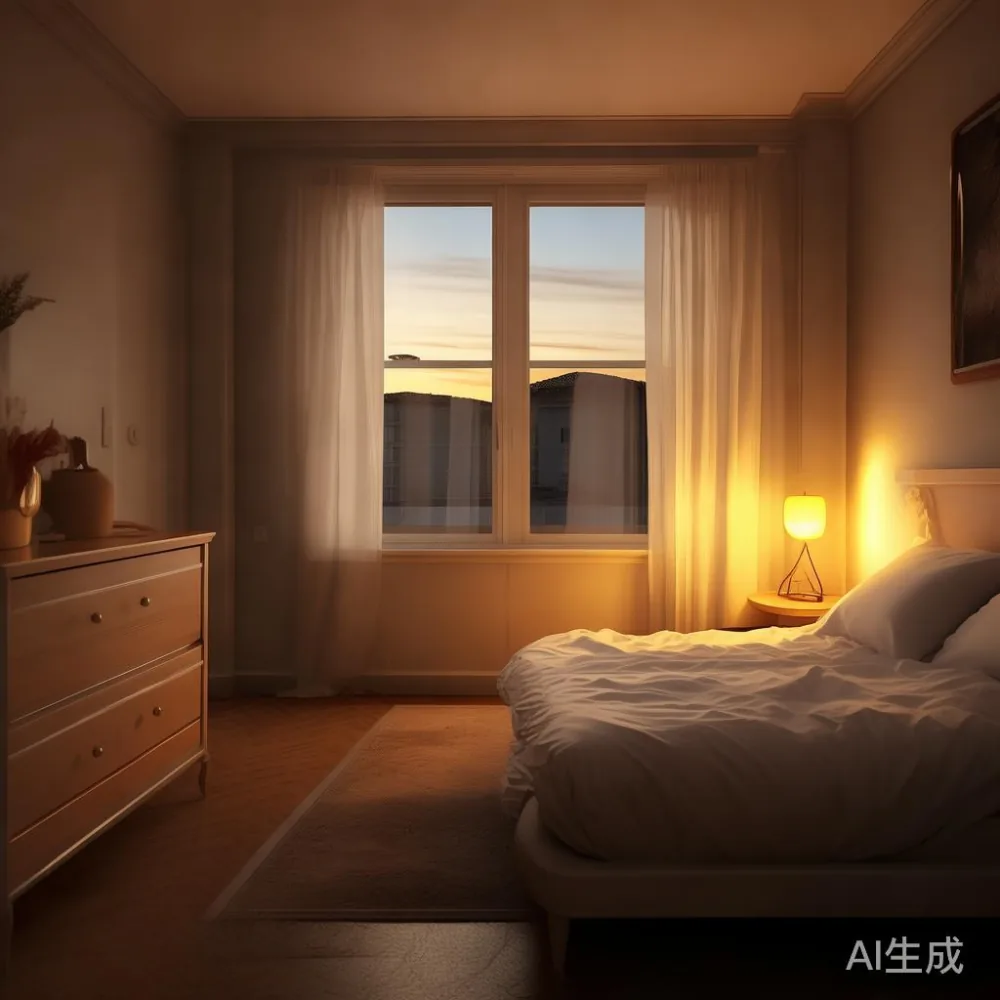
Understanding Wood's Natural Response to Humidity
Wood is a hygroscopic material, a scientific term meaning it naturally absorbs and releases moisture from the surrounding air. Think of it as a living material, breathing in and out. In a temperate climate with stable humidity levels, a solid wood bed frame or nightstand will maintain its shape and dimensions with remarkable consistency. However, in Singapore, where relative humidity often hovers between 70% and 90%, the rules change dramatically.
When wood absorbs excess moisture, its fibres expand. This process, known as swelling, can cause panels to warp, drawers to stick, and joints to loosen. Conversely, during periods of lower humidity or when air conditioning is used extensively, the wood releases moisture and contracts, potentially leading to unsightly cracks and gaps. This constant cycle of expansion and contraction is the primary enemy of solid wood furniture in our climate. The goal of a quality bedroom design is not to fight this natural tendency, but to manage it through intelligent material selection and construction.
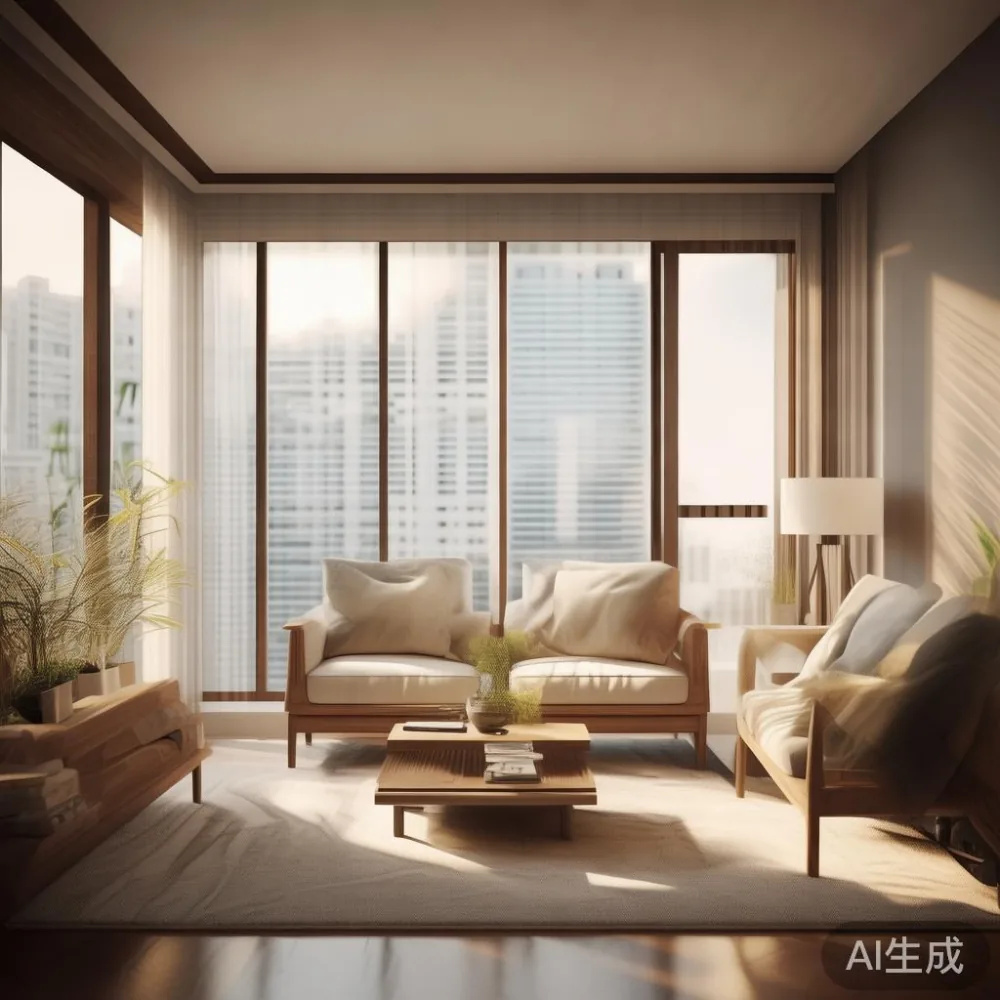
How Humidity Specifically Affects Different Bedroom Furniture Pieces
The impact of humidity is not uniform across all furniture. Different pieces have different constructions and are subjected to varying levels of stress. A wardrobe, for example, faces a different battle than a nightstand.
A large, freestanding wardrobe made of solid wood is particularly vulnerable. Its large, flat panels—like the doors and sides—are most prone to warping. If the wood is not properly kiln-dried to a moisture content suitable for our climate, these panels can bend or bow, making the doors difficult to open and close. The internal structure can also be compromised, leading to sagging shelves. A well-made wardrobe, however, uses a technique called 'floating panel' construction, where the panels are held in place by a frame but are allowed to expand and contract freely, preventing stress cracks.
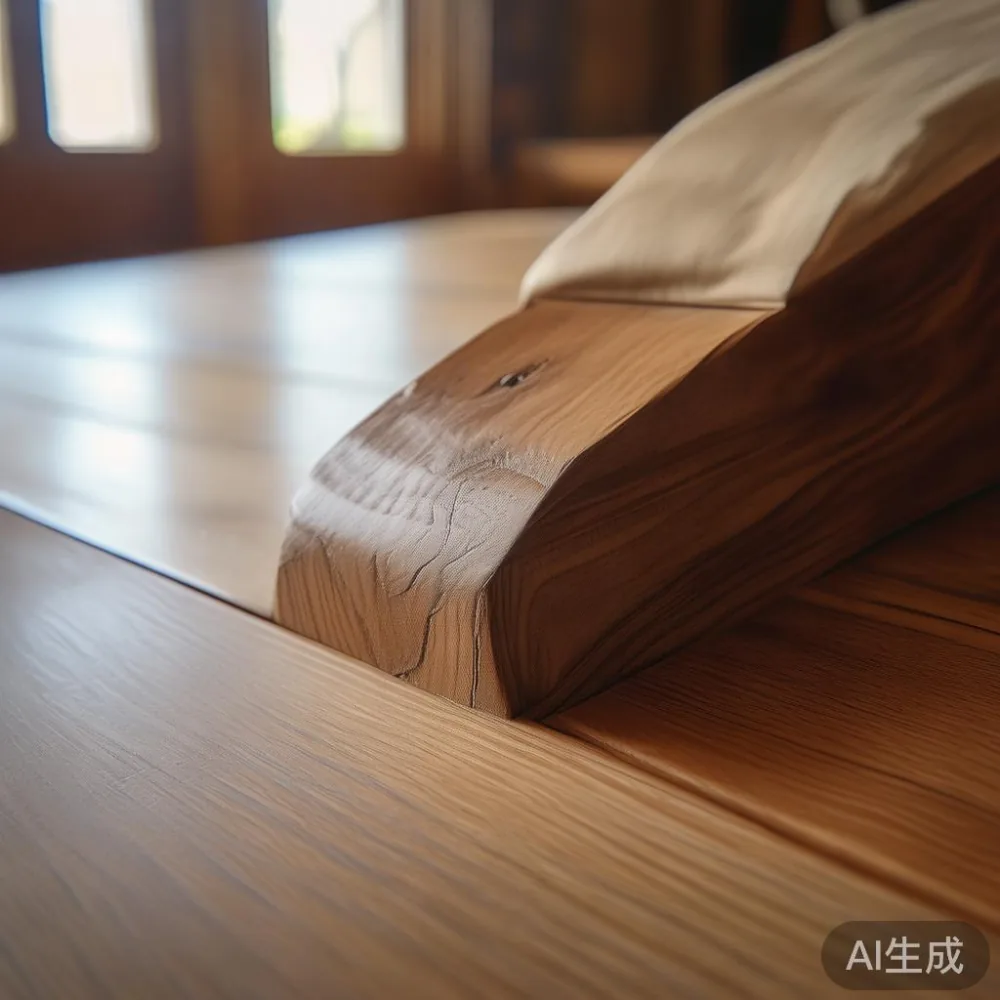
Nightstands and smaller pieces are less likely to warp but are susceptible to surface issues. The constant moisture can affect the finish, causing it to look dull or cloudy over time. This is why a lifetime refinishing warranty, offered by some manufacturers, becomes a valuable assurance. It means that even if the surface loses its lustre, it can be restored to its original beauty, protecting the long-term value of your bedroom design.
What Makes Solid Wood Furniture Humidity-Resistant?
Not all solid wood furniture is created equal, especially when it comes withstanding Singapore's climate. The difference lies in the craftsmanship, the materials, and the finishing process. When selecting pieces for your bedroom design, it's important to look for specific features that indicate a higher level of durability.
The most critical factor is the wood's moisture content (MC). Before any furniture is built, the wood must be properly kiln-dried. This process involves slowly heating the wood in a controlled environment to reduce its moisture content to a level that is stable for the environment where the furniture will be used. For Singapore, this typically means an MC of between 8% and 12%. Furniture made from wood with a higher MC is almost guaranteed to have problems down the line. A reputable manufacturer will always state the MC of their materials, a sign of transparency and quality.
Construction techniques are equally important. Look for furniture that uses mortise and tenon joints or dovetail joints. These interlocking connections are far stronger and more resistant to the stresses of humidity than simple butt joints or nails and screws. The finishing is the final line of defence. A high-quality, multi-layered lacquer or oil finish creates a protective barrier that helps seal the wood from moisture fluctuations while still allowing it to 'breathe' to some extent. This balance is key to preventing both moisture damage and cracking.
How to Style a French Wardrobe in a Singaporean Bedroom?
A French wardrobe can be the centrepiece of a light luxury bedroom design, but its ornate details require careful consideration in a humid climate. The key is to balance aesthetic appeal with practicality. First, ensure the piece is made from a stable hardwood like oak or teak, which are less prone to movement. The classic French style often features raised panel doors and intricate carvings. These details can trap moisture if not properly sealed. When choosing, inspect the finish thoroughly; it should be smooth and even, with no signs of cloudiness or bubbling, which could indicate poor application.
Placement within the room is also important. Avoid placing a large French wardrobe directly against an external wall, which can be cooler and damper. Instead, position it in an area with good air circulation. In a condo bedroom, this might mean placing it a few centimetres away from the wall. Using a dehumidifier in the bedroom, especially during the monsoon season, can also help maintain a more stable environment, protecting your beautiful furniture and ensuring your bedroom design remains flawless. The elegance of a French piece is undeniable, but it demands a little extra care to truly shine in our local context.
I Tested a Solid Oak Bed Frame in My Bedok Flat for One Year
Personal experience is often the best teacher. Last month, I visited a colleague in her Bedok HDB flat to see how a new bedroom design was holding up. She had purchased a solid oak bed frame from a Foshan factory over a year ago. The climate in her apartment, on a higher floor, is particularly intense. She was concerned about potential warping. We examined the frame closely. The headboard, which is 150 cm wide, showed no signs of bowing. The panels were perfectly flat. The drawers on the base, which slide on a smooth metal track, operated as smoothly on day 365 as they did on day one. There was no sticking, no swelling, and no gaps between the wood panels. This one-year test case was a powerful demonstration of how properly kiln-dried and constructed solid wood furniture can withstand the rigours of our environment. It gave her, and me, great confidence in the quality of her investment.
Practical Tips for Caring for Your Wood Furniture in Singapore
Owning solid wood furniture in Southeast Asia requires a proactive approach to care. It's not difficult, but it does require a few consistent habits. First, be mindful of your home's microclimates. Avoid placing furniture directly in front of air-conditioning vents, as the cold, dry air can cause rapid localized contraction. Similarly, keep pieces away from direct sunlight, which can dry out the wood and fade the finish.
Regular cleaning should be done with a soft, slightly damp cloth, followed immediately by a dry cloth to prevent moisture from sitting on the surface. For polishing, use a high-quality furniture wax or polish that is appropriate for your wood's finish. This not only enhances the beauty but also adds an extra layer of protection. Placing coasters under glasses and mats under decorative objects is a simple habit that prevents rings and moisture spots. By following these simple steps, you can significantly extend the life and beauty of your bedroom design, ensuring it remains a source of pride for years to come.
Choosing the Right Furniture for a Humid Climate
When shopping for furniture for your bedroom design, it's important to ask the right questions. Don't just be swayed by a beautiful design or a low price. Inquire about the wood's origin and its moisture content. A manufacturer who is proud of their quality will be happy to share this information. Look for warranties that cover structural issues, like a 10-year structural warranty, which is a strong indicator of confidence in the product's durability.
Consider the style of furniture that best suits the climate. While a heavy, traditional solid wood sofa might seem imposing, a lighter design with better ventilation might be more practical. The concept of 'European light luxury furniture' focuses on clean lines, elegant proportions, and high-quality materials that often perform better in fluctuating conditions. Similarly, when comparing options, understanding the differences between a 'European light luxury sofa vs Nordic sofa' can reveal which is better suited for your home; the former often uses more stable, dense woods, while the latter might prioritize lighter woods that are more susceptible to movement. Making an informed choice is the best way to protect your home and your investment.