Styling a Small Apartment Bedroom Without Making It Feel Crowded
Living in Singapore, especially in popular HDB towns like Tampines or Bedok, or a modern condo in Punggol, means appreciating space. The reality of our living quarters, from standard 4-room HDB flats to compact studio apartments, is that bedrooms often have to be both a sanctuary and a multifunctional space. The challenge is immense: how do you create a bedroom design that feels open, airy, and sophisticated without sacrificing functionality? A crowded bedroom can quickly become a source of stress, a place that feels more like a storage unit than a retreat. The solution lies not in buying less, but in buying smarter—focusing on quality, scale, and intelligent design principles that make every square centimetre work for you.
Why Scale is Everything in a Small Bedroom
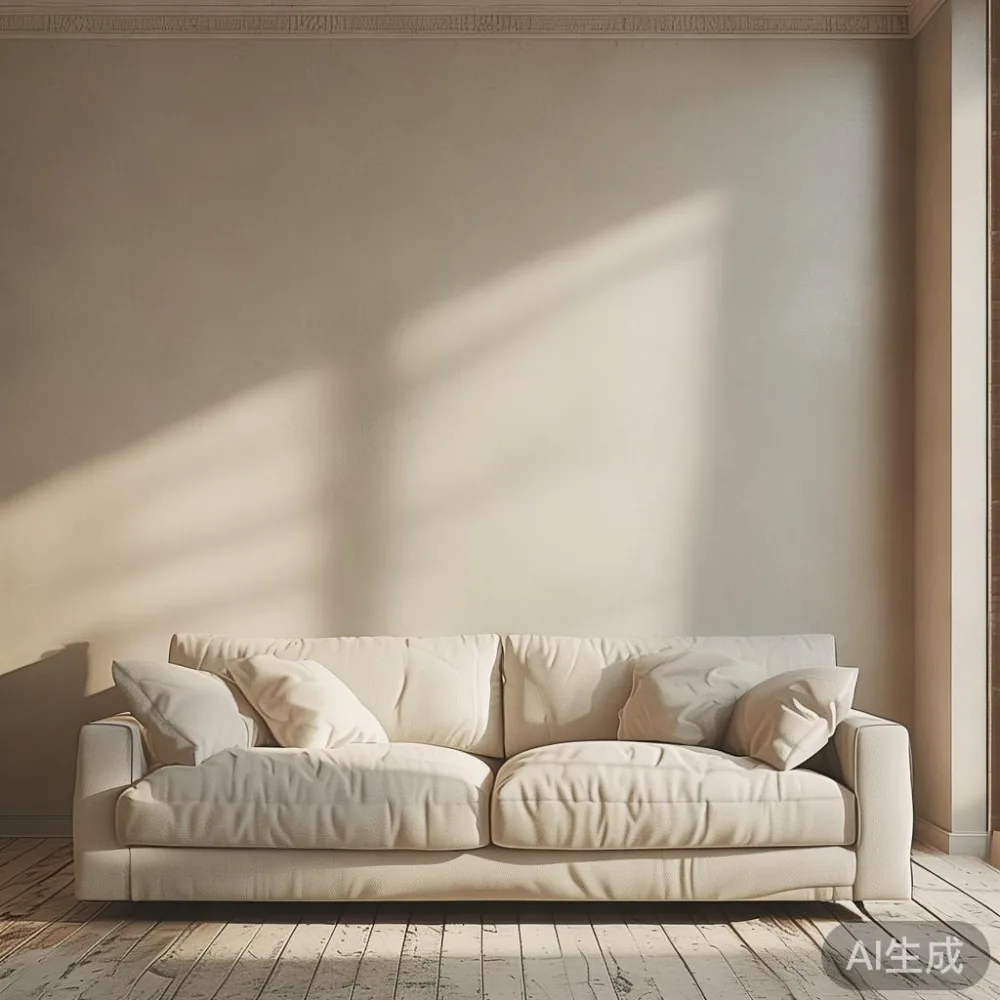
The single most common mistake in small bedroom design is choosing furniture that is simply too large. A bulky, imposing bed frame can dominate a room, making the remaining floor space feel like an afterthought. Consider the typical dimensions: a queen-size bed is approximately 153cm wide by 203cm long. In a standard HDB master bedroom, which might be around 3.6m x 4m, that bed consumes a significant portion of the room. The goal is to create negative space—the area around the furniture that allows the eye to move freely and makes the room feel larger. This is where the concept of light luxury comes into play. A French light luxury bed, for instance, often features a lower profile and more slender legs than a traditional, heavy bed frame. This visual lightness prevents the bed from anchoring the room to the floor, creating an illusion of height and openness. Last month, I visited a client in a Bedok condo who had a beautiful but overwhelming solid wood bed. We swapped it for a lower-profile American light luxury model, and the difference was staggering. The room instantly felt 20% larger, and the natural light from the window now reached the other side of the room.
How to Choose Mid-century Modern Sofa for Your Bedroom's Vibe
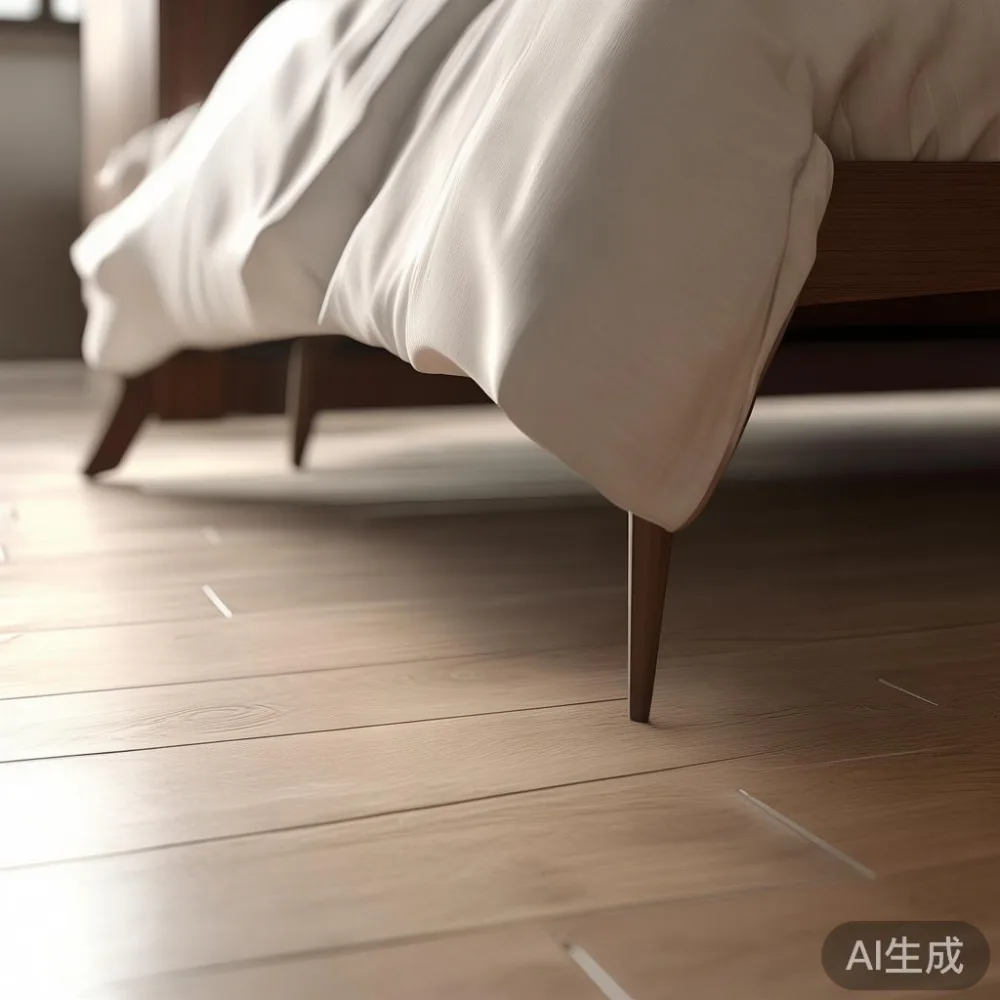
While the bed is the centrepiece, the aesthetic of your bedroom design is curated by the combination of all elements. Many modern Singaporeans are embracing a post-modern light luxury style, which blends clean lines with organic shapes and rich, natural textures. When selecting pieces, think about their visual weight. A large, dark, solid wood dining table would be a disaster in a small bedroom, but a sleek, minimalist nightstand or a compact marble table can add a touch of luxury without clutter. The key is consistency. If your bed has slender, tapered legs, choose a nightstand with a similar profile. If you favour the warm tones of oak, select a wardrobe in a complementary finish. This cohesion creates a harmonious and intentional look. For instance, you might ask yourself, 'is Japandi wardrobe worth it for my space?' The answer often lies in its design. A Japandi wardrobe is typically characterised by its simple, functional form and natural wood finish, which aligns perfectly with the principles of creating a calm, uncluttered environment. It avoids ornate details that add visual bulk, making it an excellent choice for smaller rooms.
Smart Storage Solutions That Don't Overwhelm
In a small apartment, storage is non-negotiable. However, the wrong storage solutions can make a bedroom feel cramped and cluttered. The ideal approach is to integrate storage smoothly into the architecture of the room. Floor-to-ceiling wardrobes are a staple in Singaporean homes for a reason. They utilise vertical space efficiently, keeping all your belongings hidden from view. When choosing a wardrobe, consider the internal layout. A well-designed wardrobe will have a mix of hanging rails, shelves, and drawers tailored to your specific needs. For example, a wardrobe with a pull-out trouser rack can save you from folding and stacking, keeping items neat and accessible. Another strategy is to use multi-functional furniture. A bed with built-in drawers underneath can store seasonal bedding or spare clothes, eliminating the need for a bulky chest of drawers. Similarly, a bedside table with a drawer provides a place to keep necessities out of sight. My colleague, who lives in a Tampines HDB flat, recently installed a custom wardrobe with a mirrored front. This single addition not only provided ample storage but also reflected light, making her already small bedroom feel significantly brighter and more spacious.
French Bed vs French Provincial Bed: Which is Right for You?
For selecting the bed itself, the choice can define the entire bedroom design. You might find yourself wondering, 'is French bed worth it?' or perhaps, more specifically, 'French bed vs French provincial bed—what's the difference?' Understanding this distinction is key to making an informed decision. A classic French bed, often associated with the Louis XV or Louis XVI styles, is characterised by ornate carvings, curved headboards, and dark, rich woods like mahogany. While beautiful, these features can make a bed feel very heavy and traditional, which may not suit a modern, small apartment. On the other hand, a French provincial bed takes its inspiration from the countryside. It's typically more rustic, with simpler lines, lighter woods like oak or painted finishes, and less elaborate ornamentation. This lighter, more relaxed aesthetic is often a much better fit for a contemporary Singaporean home. It offers the elegance and charm of French design without the overwhelming visual weight. A post-modern light luxury interpretation might take this a step further, using clean lines and premium materials to create a bed that feels both sophisticated and airy.
Lighting and Colour: The Subtle Tools of Space
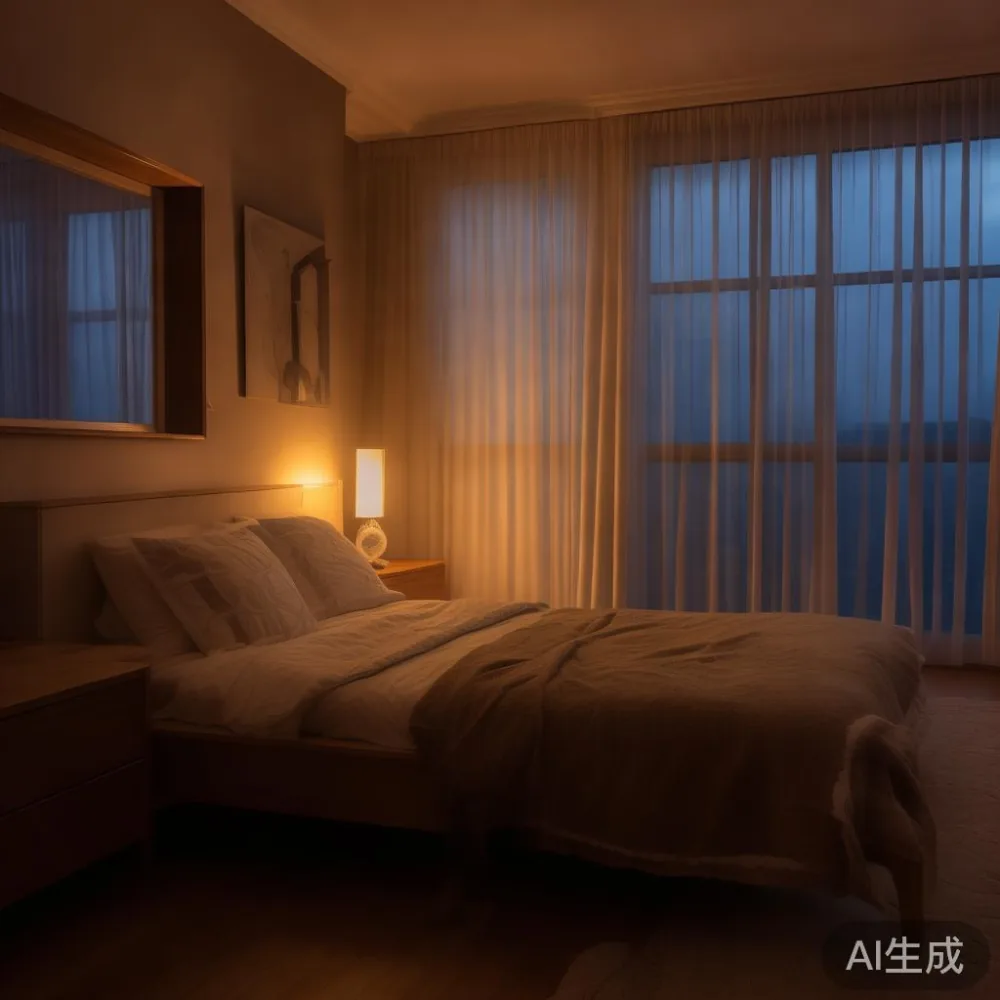
Once the larger furniture pieces are in place, you can fine-tune the space with lighting and colour to enhance the sense of openness. The colour palette of a small bedroom should be thoughtful. Light, neutral colours like soft greys, warm beiges, and creamy whites are excellent choices. They reflect light, making the walls feel receding and the room larger. You can then introduce deeper, richer colours as accents—perhaps on a single wall behind the bed, on the bed linens, or through art. This creates depth without overwhelming the space. Lighting is equally important. A single, harsh overhead light can create unflattering shadows and make a room feel clinical. Instead, aim for layered lighting. Start with a central ceiling fixture for general illumination. Then, add task lighting, such as bedside lamps or wall-mounted sconces, for reading and ambient activities. Finally, incorporate a statement piece like a floor lamp to add a soft, warm glow. This multi-layered approach creates a more inviting and dynamic atmosphere. For example, a marble table used as a side table can be lit with a small, elegant lamp, highlighting its beautiful veining and adding a touch of luxury to the corner of the room.
What About Larger Furniture Like Sofas and Dining Tables?
A question we often get from our customers is, 'My living room is tiny too, can a sofa fit?' The answer is yes, but with the same principles of scale and proportion in mind. A large sectional sofa is likely too much for a compact living space. Instead, consider a smaller, two-seater sofa or even a stylish loveseat. The best Italian light luxury sofa for 2026, for example, often features a low-slung profile and slim arms, which are perfect for creating a modern, uncluttered look. The same logic applies to a dining table. In a small apartment, the dining area might be part of the living space or a small nook. A large, solid wood dining table can make the area feel cramped. A better option is a marble table with slender legs or a extendable table that can be made smaller when not in use. The key is to choose furniture that is proportional to the room. A good rule of thumb is to leave at least 70-80cm of clear space around the dining table to allow for comfortable movement. This ensures the space remains functional and doesn't feel overcrowded.
Investing in Quality: A Midhill Coffee Table Review
When space is at a premium, every piece of furniture must earn its place. This is where investing in high-quality, well-made pieces becomes incredibly important. Cheap, flat-pack furniture often looks out of place and can deteriorate quickly, leaving you with a cluttered and unsatisfactory living environment. A well-crafted piece of furniture not only looks better but also performs its function more effectively. For instance, a solid wood sofa from a reputable brand will have a sturdy frame that won't sag, high-density foam that provides lasting comfort, and upholstery that is durable and easy to clean. This longevity means you won't have to replace it in a few years, saving you money and hassle in the long run. A midhill coffee table review often highlights the brand's commitment to solid wood construction and minimalist design, which aligns perfectly with the needs of a small apartment. Their marble table options, for example, are praised for their elegant simplicity and the way they can serve as a sophisticated focal point without dominating a room. By choosing pieces that are built to last, you are making a smart investment in the comfort and style of your home for years to come.
Final Thoughts on Creating Your Sanctuary
Styling a small apartment bedroom is a balancing act between functionality and aesthetics. It requires careful consideration of scale, smart storage solutions, and a thoughtful approach to colour and lighting. By choosing furniture that is proportionate to your space—like a low-profile French provincial bed or a streamlined nightstand—you can create an environment that feels open and luxurious rather than cramped. The goal is to curate a bedroom design that serves as a true sanctuary, a place where you can relax and recharge at the end of the day. It’s not about having more space; it’s about using the space you have with intelligence and intention.