Small-Apartment Bedroom Design: Light-Luxury Furniture That Works Hard
A compact bedroom does not need to feel visually compressed. In many Singapore HDB flats and condos, the challenge is not a lack of furniture but poor spatial planning: an oversized bed frame meets a deep wardrobe, the bedside table blocks the door, and the remaining gaps disappear beneath clothes and storage boxes. A disciplined bedroom design can make a 35 sqm room feel calm, useful and more spacious than its floor plan suggests.
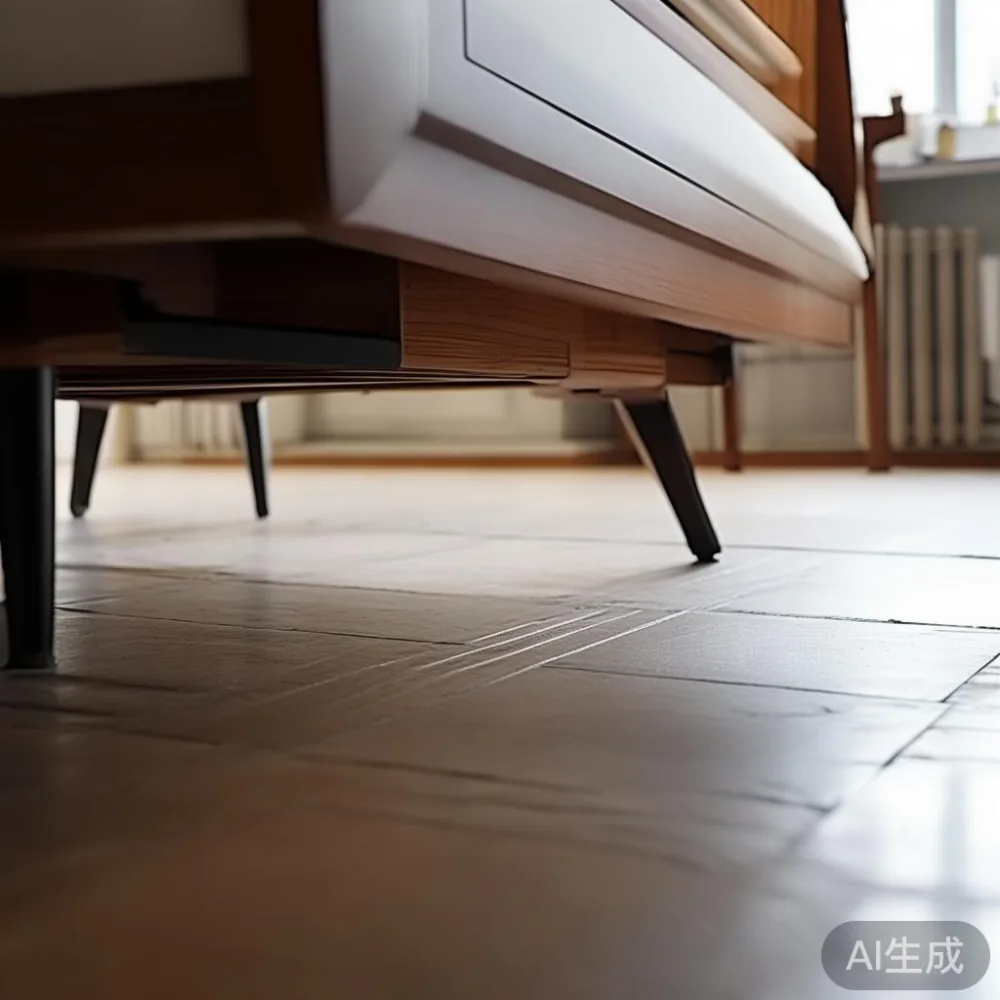
That principle applies throughout the house, but it is especially noticeable in Tampines, Bedok and Punggol homes where bedrooms often share corridors with a bathroom, study desk or open wardrobe. The aim is not to strip the room of personality. It is to create clear movement, controlled storage and one focal point, then place solid wood furniture around those needs rather than filling every wall.
Light-luxury styling suits this brief well. French light luxury introduces pale woods, linen textures and curved silhouettes; American light luxury favours generous upholstery with clean architecture; post-modern light luxury can add graphic forms or restrained colour. None requires a large room, provided scale is checked before delivery. With delivery times of 7–14 days, measurements in centimetres and a 10-year structural warranty considered, MIDHILL pieces can be specified for compact layouts without treating the apartment as showroom space.
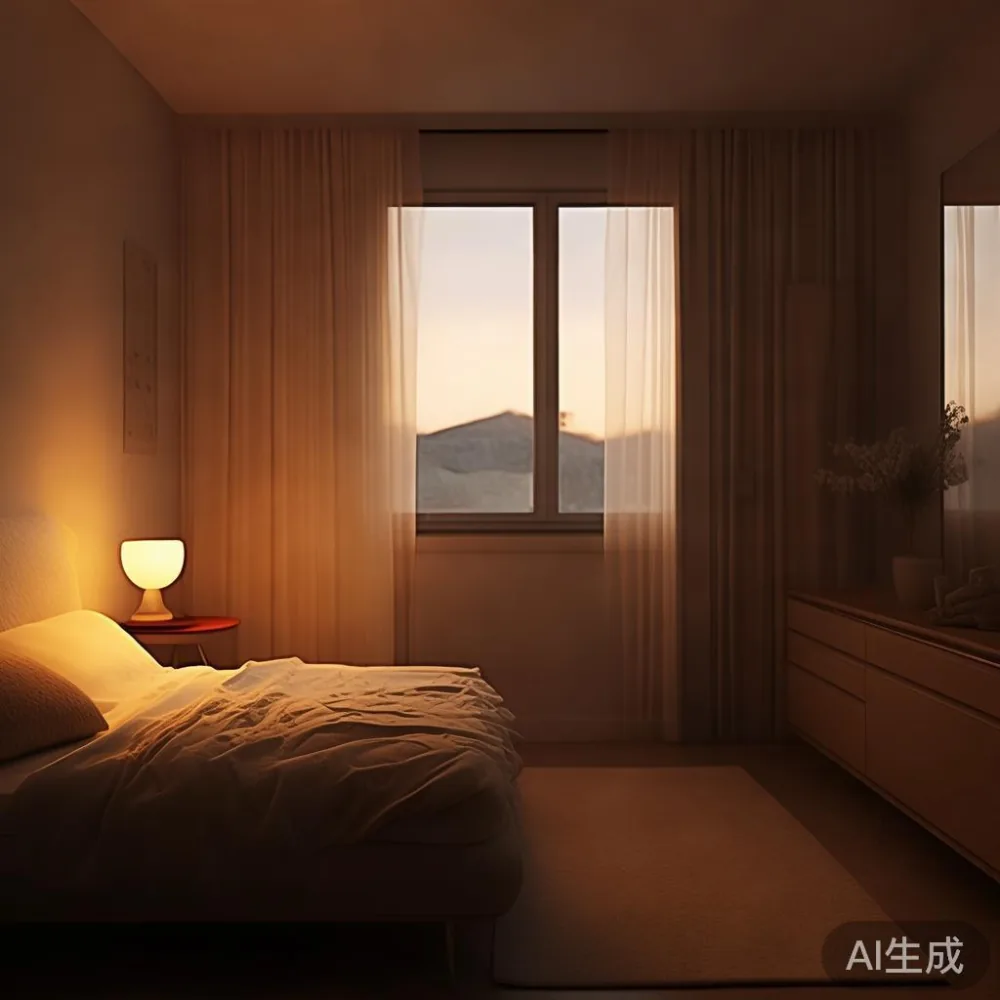
How wide should the main circulation route be?
Begin with the space you must keep open, not the furniture you want to buy. A practical route from the bedroom door to the bed and window should remain at least 60 cm wide. If a wardrobe has an open door, maintain roughly 90 cm in front of it so a person can stand, dress and carry bedding without turning sideways. Around a bed with drawers on both sides, allow 60–70 cm; with drawers on one side, 45–60 cm may work in a carefully planned HDB room.
Do not rely only on a floor-plan sketch. Measure the finished wall, skirting, door frame and window ledge. Older blocks may have uneven walls, and a room advertised as 3.6 m wide may provide only 3.48 m after finishes. Note lift dimensions and corridor turns before ordering a long wardrobe or table. If a flat is on an upper floor with a narrow common corridor, confirm that the carton can turn at each landing; the seller should be asked for the largest packed dimensions, not merely the assembled weight.
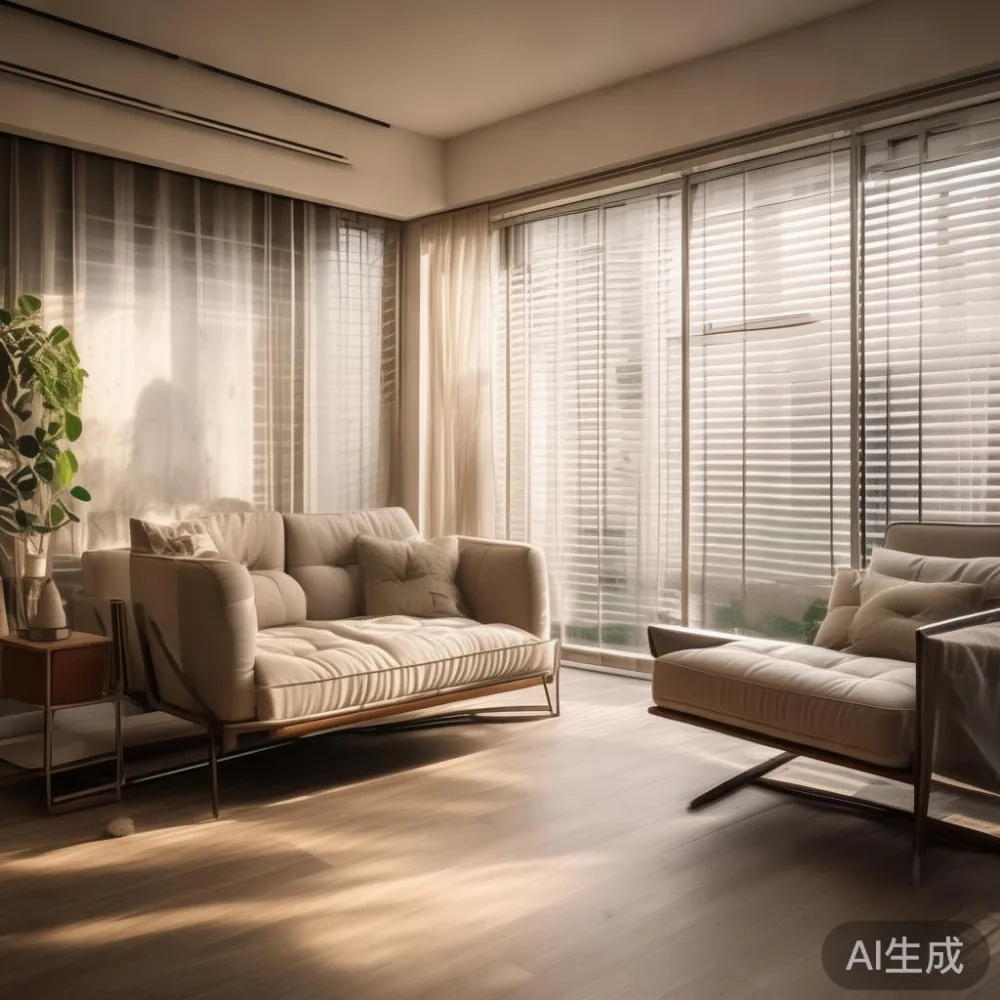
My own check was more instructive than a catalogue measurement. Last month I visited my colleague’s two-bedroom Punggol HDB flat and tested the route with a 180 cm tape. The bed was attractive, but a 55 cm bedside table sat directly beside the open door, reducing a usable 74 cm passage to 49 cm when the door was partly open. Moving the table into a 22 cm-wide recess and using a wall-mounted drawer for the remaining items restored a clear 70 cm route.
What bed frame fits a small Singapore bedroom?
A queen bed is the usual starting point, but the outer dimensions matter more than the mattress label. A queen mattress commonly measures 152 cm by 191 cm, while a timber bed frame can be 160–170 cm wide and 205–215 cm long. In a compact room, the difference can consume half a wardrobe bay. Compare the frame’s external width with the wall-to-wall opening, then allow 5 cm on each side if drawers or side rails need clearance.
A low-profile solid wood bed frame creates a lighter visual effect than a tall, heavily carved headboard. Wall panelling behind the bed adds detail without projecting into the room. For a 310 cm wall, a 165 cm frame leaves about 72 cm per side, enough for a narrow nightstand but not for deep conventional drawers. A 180 cm frame leaves 65 cm per side, which can work with slim 35–40 cm units.
For anyone comparing light luxury bed vs Italian light luxury bed, focus on usable depth, installation method and storage rather than geographic labels. An Italian-inspired design may have a padded, enveloping headboard; a simpler solid wood model can feel more appropriate where the wall is narrow. Before buying, check that the headboard rises no more than 100–110 cm above the mattress if a ceiling fan is present, and that the slats are included rather than requiring an extra frame.
Storage can be built into the bed, but every drawer needs room to open. A frame with a hydraulic lift may suit a 35 sqm bedroom with no suitable wardrobe corner, yet its closed height can reach 90–100 cm and it still requires a clear approach of at least 90 cm. A lift-up storage bed is often more practical in an HDB flat than a wardrobe with deep hinged doors because it uses the bed footprint rather than another aisle.
Can a small bedroom still feel light and luxurious?
Yes, if visual weight is distributed across the room. A large dark bed surrounded by heavy furniture can make 40 sqm feel crowded, while one substantial focal piece with pale supporting furniture creates balance. Begin with a large mirror on a wardrobe door or full-height panel, but keep it secured and avoid placing reflective glass directly opposite a bright window if glare becomes an issue.
Curtains should hang close to the ceiling line, even if the window itself is modest. A curtain track installed 5–10 cm below the ceiling and extending 15–20 cm beyond each side can make the window appear taller. Light filtering curtains with a 60–80% blackout capability help with HDB corridor lights, while still allowing daytime privacy. For a room with only one small window, mirrors opposite or perpendicular to it can distribute daylight without blocking the opening.
French light luxury works through proportion and texture: an upholstered headboard in oatmeal, a pale timber nightstand and one ceramic lamp can create warmth in 25–40 sqm. The solid wood sofa need not enter the bedroom; if the living area shares visibility, its colour should echo the bedroom rather than compete with it. Likewise, a marble table is better kept to the dining or living zone unless the bedroom has a genuinely generous 300 cm width and clear circulation.
Lighting should be layered with at least two sources. A 2700–3000 K wall reading light can be mounted 90–110 cm above floor level beside the bed, and a 400–500 K task lamp can sit on a desk. Keep cords out of the aisle with clips or a slim raceway. A 15 W bedside lamp is sufficient for reading; higher output is unnecessary and can make a low ceiling feel visually busier.
How do you choose storage that does not block the room?
Measure storage by volume and access. Clothes hanging at floor level need roughly 135–150 cm of height; a 190 cm tall wardrobe may therefore include only 135 cm of hanging space unless it is lofted. Sliding doors can save approximately 60–80 cm of swing clearance compared with hinged doors, although overlapping panels need careful tracking. A wardrobe 180 cm wide and 60 cm deep may suit a compact bedroom better than a 150 cm wide, 70 cm deep unit if the sliding system is well engineered.
This is where light luxury with storage becomes useful, provided the storage remains accessible. A solid wood bed with two side drawers, a nightstand with one deep drawer and a wall cabinet above a desk can handle clothing, books and bedside items without adding a full-height unit. Keep the most frequently used objects between waist and shoulder height, approximately 75–160 cm above the floor. Reserve high shelves for seasonal bedding and low drawers for heavier pieces.
A common mistake is buying a “large-capacity” wardrobe whose internal divisions do not match the owner’s clothes. A narrow unit may hold 35 hanging pieces if the rail is only 90–100 cm long, while a deeper unit may include useful shelves but swallow the wall. Bring a short inventory: 20 shirts, 8 dresses, 12 folded garments and 2 suitcases. Check the actual internal dimensions, drawer travel and whether handles project beyond the door leaf.
Where the bedroom borders a common corridor, acoustic comfort also matters. A fitted wardrobe with a 20–25 mm closing panel, felt-lined drawers and a soft-close hinge can reduce visible gaps without making the room look institutional. Confirm ventilation gaps required by the manufacturer, normally 20–30 mm at the back or top, so humidity does not affect timber movement.
Should the nightstand be beside the bed or replaced by a shelf?
Place the nightstand where it can be reached without crossing the bed or blocking the door. In a room with a 160 cm bed and 100 cm of clear space on one side, a 35–45 cm wide nightstand leaves a 55–65 cm walking route. In a narrower room, a 20–30 cm wall shelf or 15–25 cm floating drawer can be more effective. A shelf projecting 18–22 cm is comfortable for a phone and glass, but it should not interfere with the wardrobe door.
Choose a solid wood nightstand with one drawer rather than three shallow drawers if access from bed is awkward. The top should be 45–60 cm above the mattress for convenient use, although personal preference matters. A 40 cm wide unit can hold a lamp, book and phone, but a marble top adds weight: a 40 by 40 cm slab may weigh 12–18 kg, compared with about 4–7 kg for solid timber. That difference affects safe handling during delivery, especially for a resident above the fourth floor.
For a compact study arrangement, combine a 100–120 cm desk with a 40 cm deep chair clearance. A 140 cm desk against the longest wall may be preferable to a corner desk because drawers and a keyboard tray can still open. Where space is extremely limited, a 90 cm wall-mounted desk can work, but its fixing should be checked for masonry and the seat should tuck fully beneath it.
How do I compare sofas and consoles for an open-plan apartment?
An HDB flat with a living-dining area often makes the bedroom appear smaller when furniture sightlines run from the entrance. Coordinate the scale of the solid wood sofa, dining table and bedroom pieces rather than matching them exactly. A sofa with a 210–230 cm width, a dining table under 150 cm long and a compact bed can form a coherent sequence in a 70–90 sqm flat.
For design research, the phrase European sofa vs Mid-century modern sofa appears constantly, but the comparison should be practical. European forms often use rounded arms and softer visual edges; Mid-century modern pieces rely on tapered legs, slimmer profiles and visible frame lines. Both can suit a compact apartment when the total width is controlled. A MIDHILL sofa should be checked for seat depth around 55–60 cm, arm width, leg projection and the clearance needed beside a dining chair.
Cheap Mid-century modern furniture may attract attention, yet low purchase cost can be offset by poor joinery, veneer movement or unstable proportions. Compare timber species, corner joints, drawer boxes and warranty terms rather than judging only from a photograph. For example, a dining table may be offered around SGD 1,280–1,980 depending on size and finish; a solid wood nightstand may fall between SGD 280 and SGD 520. The relevant measure is value over years of use.
When furnishing a nearby living zone, a Modern light luxury TV console can echo the bedroom’s pale wood finish while remaining visually shallow. A unit 180–200 cm wide and 35–40 cm deep often fits a 65–75 inch television without dominating the wall. Keep the ventilation zone specified for the television and allow 10–15 cm above the console for cable management or a soundbar.
What should I check before delivery and installation?
Create a written dimension sheet before placing an order. Record the room as 315 cm by 285 cm, not “about 3 by 3 metres”. Include the bed frame’s maximum dimensions, wardrobe door swing, skirting, sockets, window sills and lift route. Photograph each difficult turn and keep a clear 90 cm zone near the lift for unpacking. Ask whether the delivery team carries the item into the bedroom or leaves it at the door; the distinction can affect the installation plan.
Check stairs and corridor widths for the largest carton rather than the assembled piece. A flat-pack carton may measure 180 by 45 by 20 cm, while a fully assembled wardrobe carton can be 205 by 85 by 65 cm. In older HDB blocks, a carton exceeding 90 cm in its shortest rigid dimension may not negotiate a tight landing comfortably. MIDHILL can advise on packed dimensions for specific Singapore delivery routes, and a 7–14 day lead time allows the access check to happen before the furniture arrives.
Confirm GST treatment on the quotation. Singapore’s prevailing GST is 9%, and registered business buyers may be able to claim eligible input GST with documentation. For household purchases, the displayed price should state whether GST is included so there is no surprise at payment. The 14-day return period is another reason to review colour, finish and dimensions carefully rather than relying on visual imagination.
On delivery day, inspect corners, drawer movement, hardware and finish before accepting. Keep packaging for several days in case a protected component needs attention. A 10-year structural warranty addresses long-term frame integrity, while lifetime refinishing can extend the appearance of suitable solid wood pieces; confirm what each service covers, including exclusions and shipping terms.
What is the simplest bedroom layout for a compact flat?
The simplest layout uses the bed as the anchor, a slim solid wood bed frame that does not overpower the wall, and storage concentrated in one or two high-efficiency zones. A nightstand or floating drawer handles the bedside surface. Curtains add height visually, lighting stays warm, and the wardrobe uses sliding panels where necessary. The result is not an empty room; it is a room where every item has a defined place.
For Singapore homes, practical restraint is more valuable than matching a popular visual style exactly. French, American and post-modern light luxury can all work at 35–45 sqm, provided furniture widths, circulation gaps and storage access are tested in centimetres. In Tampines, Bedok and Punggol, measure the lift and corridor before selecting oversized pieces, factor the 9% GST into the budget, and preserve the doorway route at 60 cm or more where possible.
A compact bedroom succeeds when it looks composed after the door closes and remains usable after the wardrobe opens. That balance comes from disciplined bedroom design, measured furniture and honest scale—not from buying fewer objects at random. Choose the focal solid wood piece, solve storage with light luxury with storage, and let the room’s colour and daylight provide the atmosphere.