Styling a Small Apartment Without Making It Feel Crowded: A Bedroom-First Plan for Singapore HDB and Condo Living
I spent last month in a 65 sqm two-bedder in Punggol with my colleague Priya, who had just taken the keys to her first HDB flat. She had three flat-pack wardrobes, two mirrors, and a bed frame still sitting in the corridor because the lift opening at her block measured only 900 mm wide and the headboard was 1,050 mm. We spent a Saturday measuring doorways, sketching on the floor, and testing which pieces actually fit through a typical 1.1 m to 1.2 m HDB corridor turn. The lesson was simple: small-space styling in Singapore is a logistics problem before it is a design problem, and a bedroom-first plan beats a living-room-first plan every time.
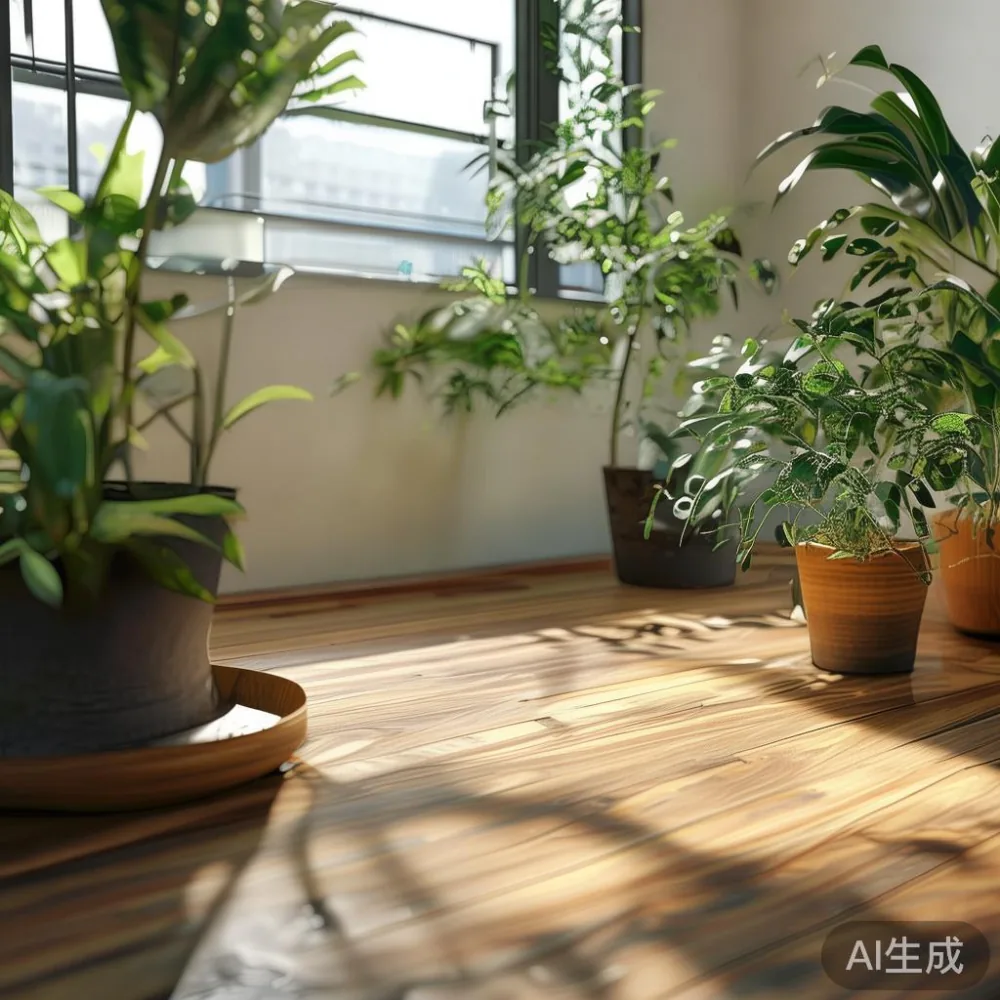
Why the bedroom should lead your small-apartment layout
Most Singaporeans under 35 spend 7 to 9 hours a day in the bedroom. A Tampines four-room flat gives you about 90 sqm total, and the master bedroom usually eats 12 to 15 sqm of that. If the bed frame, nightstand, and wardrobe are scaled wrong, the rest of the flat feels squeezed even when the living room is technically larger. Treat the bedroom as the anchor of your bedroom design, then let the rest of the home orbit around it.
Three measurements matter before you buy anything:
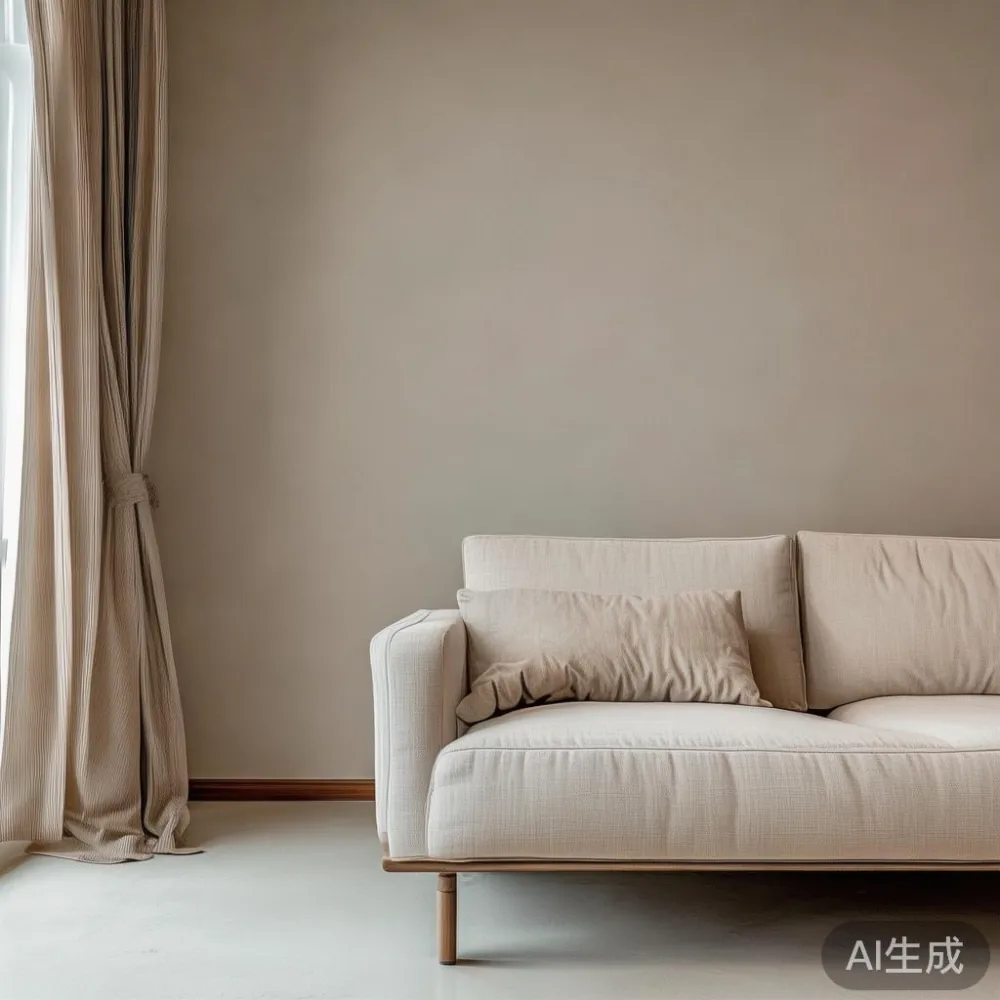
1. Door and lift clearance. Most HDB lift openings fall between 800 mm and 1,100 mm. A solid wood bed frame with an upholstered headboard wider than 1,400 mm will not fit vertically through a tight corner. Choose slatted frames that ship in two cartons, each under 40 kg, so a single mover can carry them upstairs without booking a crane lift, which in Singapore costs roughly SGD 280 to SGD 450 per trip.
2. Ceiling height. HDB standard ceiling is 2.6 m, condos 2.8 m to 3.0 m. Anything taller than 2.1 m, like a floor-to-ceiling wardrobe, will dominate the room visually and make a 3.2 m x 3.6 m bedroom feel like a closet.
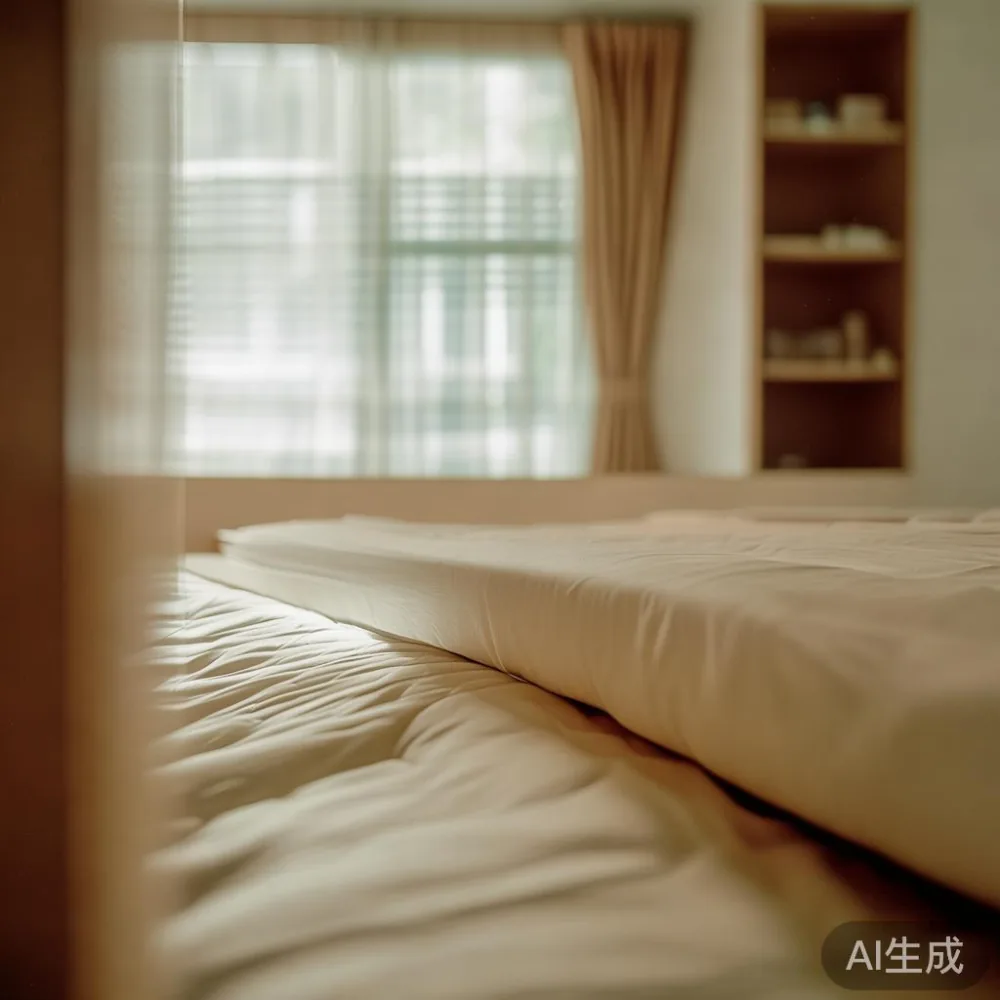
3. Air and light paths. Singapore's afternoon sun is brutal. Keep 40 to 60 cm of clearance between a wardrobe and the window so the breeze from your casement can actually move across the bed.
How do I choose a coastal style for a condo?
Choose a coastal style for a condo by anchoring the room on a light oak or whitewashed solid wood bed frame, limiting the palette to three tones (sand, sea-foam, driftwood), and keeping every soft furnishing washable at Singapore's 85% average humidity. Coastal works in a condo because it borrows light rather than blocking it, which is the opposite of what most small-space palettes do. The trick is to avoid the literal navy-and-anchor look and instead use texture: a linen headboard, a rattan nightstand, and a slim marble table at the foot of the bed as a landing strip for keys, a glass of water, and your work pass.
In Priya's Punggol flat, we swapped her planned dark walnut bedroom set for a French light luxury coastal scheme: a 1.8 m solid oak bed frame in a whitewash finish at SGD 1,890, two narrow nightstands 40 cm wide at SGD 320 each, and a 90 cm round marble side table at SGD 540. The total was SGD 3,070, less than the SGD 3,450 she was about to spend on a single bulky wardrobe from a local chain.
The five-piece checklist that prevents the crowded feeling
When I plan a bedroom for a small Singapore flat, I write the same five lines on a piece of paper and refuse to add a sixth. This is the discipline that stops the room from tipping into clutter.
1. One bed, scaled to the room. A 1.5 m bed frame fits two adults in a 3.0 m x 3.2 m bedroom with room for a 45 cm nightstand on each side. A 1.8 m bed frame needs at least 3.2 m of width and looks better in a 3.6 m-wide room. Anything smaller and you will keep bumping your elbow on the nightstand; anything bigger and the room shrinks around the mattress.
2. One wardrobe, built up not out. A 1.8 m tall wardrobe with two doors and an internal drawer stack stores the same volume as a 2.4 m wide sliding-door unit. The footprint difference is 0.6 sqm, which in a 12 sqm bedroom is exactly the 5% of floor space you need to keep clear for walking.
3. One nightstand per sleeper. Two nightstands, both 40 cm deep and 45 cm wide, give 0.18 sqm each of usable surface. A single 60 cm-wide nightstand looks generous but becomes a junk drawer by week three.
4. One accent table, not three. A round marble table at the foot of the bed, 80 cm to 90 cm in diameter, holds laundry, a tray, or a plant. It also breaks the rectangle-on-rectangle monotony that flat-pack furniture creates.
5. One piece of lighting beyond the ceiling. A single 1.5 m floor lamp in a corner, or two slim wall-mounted reading sconces at 1.2 m height, removes the need for a heavy bedside lamp and frees 25 cm of nightstand space.
Light luxury without the heavy price tag
Post-modern light luxury is the styling shorthand Singaporean homeowners reach for when they want the feel of a CB2 or Muji catalogue without the SGD 6,000 price of a full designer bedroom. It is built on three habits: thin profiles, mixed materials, and one focal material per room.
For Priya's bedroom, the focal material was whitewashed solid wood on the bed frame, echoed by a slim oak console that doubles as a vanity. The nightstands were a soft sage green laminate with brushed brass handles, picked up again in the floor lamp stem. A small marble table, 60 cm in diameter, anchored the reading corner. None of the pieces was over 45 kg, which meant the same mover who carried them up could carry them down if Priya moves for the BTO in five years.
American light luxury, by contrast, leans into deeper walnut tones and thicker cushioning on the headboard. Both approaches work in a condo; the American palette suits north-facing units in Bukit Batok where afternoon sun is weaker, while the French coastal version suits east-facing Punggol units that get strong morning light. Bedok owners tend to split the difference, because their flat orientation varies block by block.
What actually fits through a Singapore corridor?
This is the question I get every week, so I tested it. A typical HDB corridor is 1.2 m wide with a 90-degree turn at the lift lobby. The diagonal clearance at the turn is roughly 1.05 m. Any flat-pack carton taller than 1.0 m or wider than 0.95 m will not make that turn without tilting, and tilting a 35 kg wardrobe carton is a two-person job with a real risk of scratching the corridor wall, which can cost you SGD 80 to SGD 200 in repainting fees charged by the town council.
The pieces that pass cleanly through Singapore corridors and lifts:
Solid wood bed frames in two cartons, each 1.4 m x 0.7 m x 0.25 m, total weight 55 to 70 kg. MIDHILL ships its standard 1.8 m oak frames in this exact split for Singapore orders, which is why the brand has become common in Tampines and Punggol BTOs.
Two-door wardrobes under 1.8 m tall, packed flat in one carton 1.85 m x 0.65 m x 0.18 m, weight 48 to 60 kg. Anything taller ships in two cartons and starts failing the corridor test.
Dining tables with detachable legs, leg box under 0.4 m x 0.4 m x 0.5 m, top in one piece under 1.6 m long. Marble table tops are an exception; the 90 cm round version weighs 28 kg and fits, but a 1.4 m rectangular marble table weighs 62 kg and the carton will not corner at the lift lobby.
Nightstands under 50 cm wide and 40 cm deep, packed in single cartons under 18 kg. These pass every corridor in Singapore.
Delivery days for these items, shipping from a Foshan factory to a Singapore warehouse, then to door, run 28 to 42 days. For MIDHILL orders above US$350, shipping to Singapore is free, which works out to about SGD 470 saved on a typical bedroom set. GST at 9% is collected on the landed value, and the brand's lifetime refinishing service covers scuffs, joint loosening, and water rings for the first owner, which matters in a humid climate where solid wood can dry out within 18 months if the room runs below 50% humidity.
Where to spend and where to save in a small bedroom
I keep a mental spreadsheet for clients, and the split is consistent across Tampines four-roomers and Bedok five-roomers. Spend on the bed frame, the mattress, and the wardrobe carcass. Save on the nightstands, the accent tables, and the lighting.
Spend category (60 to 70% of the bedroom budget): A solid wood bed frame with a kiln-dried oak or ash body, mortise-and-tenon joints, and a slatted base. Expect SGD 1,600 to SGD 2,400 for a 1.8 m queen. A wardrobe with a solid wood carcass, plywood backing, and soft-close hinges runs SGD 1,800 to SGD 3,200. A pocket-spring mattress, which is the second most expensive item after the frame, runs SGD 900 to SGD 1,800 for a queen.
Save category (30 to 40% of the bedroom budget): Nightstands in laminate or veneered MDF at SGD 180 to SGD 380 each. A marble table accent piece under 90 cm at SGD 400 to SGD 700. Floor lamp at SGD 120 to SGD 280 from local lighting stores. Bedding and curtains, which can be replaced every two years, at SGD 250 to SGD 600 total.
A realistic Priya-style budget for a complete primary bedroom in a Singapore HDB, including the bed frame, wardrobe, two nightstands, a marble accent table, a floor lamp, a mattress, and basic bedding, lands between SGD 5,200 and SGD 7,800 before GST. Adding the 9% GST brings it to SGD 5,670 to SGD 8,500.
How to keep the room calm after move-in
The first 30 days in a new flat are when clutter multiplies. Three habits stop the slide.
One-in, one-out rule. Every time a new piece comes in, one old piece leaves. This sounds harsh, but a 12 sqm bedroom has room for 14 to 18 objects before it tips into visual noise. Count them: bed, two pillows, two nightstands, two lamps, wardrobe, mirror, laundry basket, plant, accent table, tray, three books. That is the inventory.
Soft furnishings in two textures only. Linen and cotton. Velvet and silk read as luxurious but they trap heat, and a Singapore bedroom that hits 28 degrees at midnight will undo the whole calm-room illusion by 2 a.m.
One piece of nature, one piece of craft. A single plant (a 60 cm fiddle-leaf fig or a trailing pothos on the wardrobe top) and one craft object (a ceramic vase, a framed textile, a small sculpture). Two sources of visual interest are enough in a room this small. Three sources compete, and the room starts to feel like a shop display.
Common mistakes I see in Punggol and Bedok small bedrooms
After a dozen home visits this year, the same five errors keep appearing. Avoid them and your bedroom will look 20% larger without changing a single dimension.
1. The too-tall wardrobe. A 2.4 m wardrobe in a 2.6 m HDB ceiling leaves a 20 cm gap that becomes a dust shelf. Either go full-height (240 cm) or stop at 200 cm and leave the top open as a display ledge.
2. The dark headboard. A dark upholstered headboard against a light wall pulls the eye to the heaviest object in the room. Pick a headboard in the same value range as the wall, two to three shades lighter or darker, not seven.
3. The wrong rug size. A 120 cm x 180 cm rug under a 1.8 m bed frame looks like a bath mat. Go 200 cm x 280 cm minimum, so 60 cm of rug sits exposed on each side of the bed.
4. Mirror placement opposite the bed. A full-length mirror opposite the bed doubles the visual weight of the bed at night, which some clients find unsettling. Place it on the wardrobe door instead, where it catches the window light during the day and stays out of the sightline at night.
5. Buying the bedroom set first. Bedrooms designed around a catalogue set almost always end up with one piece that does not fit. Buy the bed frame, measure the clearances, then buy everything else.
Putting it all together for a Singapore home
A small-apartment bedroom design in Singapore has to solve three problems at once: heat, humidity, and the geometry of HDB corridors and lifts. The pieces that solve all three are solid wood frames with thin profiles, wardrobes under 1.8 m, single accent tables, and washable textiles. Brands that ship from Foshan in two-carton splits, like MIDHILL, which has been exporting since 2008 and offers a 10-year structural warranty plus lifetime refinishing, tend to fit Singaporean logistics without the buyer having to think about it. If you are browsing a Modern light luxury bed malaysia collection while shopping for the same spec for a Singapore flat, the dimensions, finishes, and shipping splits will translate almost one-to-one.
Stick to the five-piece checklist, measure the corridor before you pay the deposit, and keep the palette to three tones. The room will feel 15 to 20% larger than the floor plan suggests, and you will not have to fight the furniture for the next five to ten years. That is the entire brief.