Humity, HDB Corridors, and Your Solid Wood Bedroom: What Singapore Buyers Need to Know
Last month I visited a client in a 4-room HDB flat in Punggol. She had bought a beautiful solid wood bed frame online from an overseas seller, and within three months the headboard had developed a 4 mm gap along one of the mortise-and-tenon joints. Her aircon ran at 23 degrees Celsius overnight, the bedroom door stayed closed, and a dehumidifier sat humming in the corner. None of it saved the bed. The reason was not the brand, the glue, or the workmanship — it was that nobody had explained to her how Singapore humidity moves through solid timber. That conversation is the reason I am writing this article.
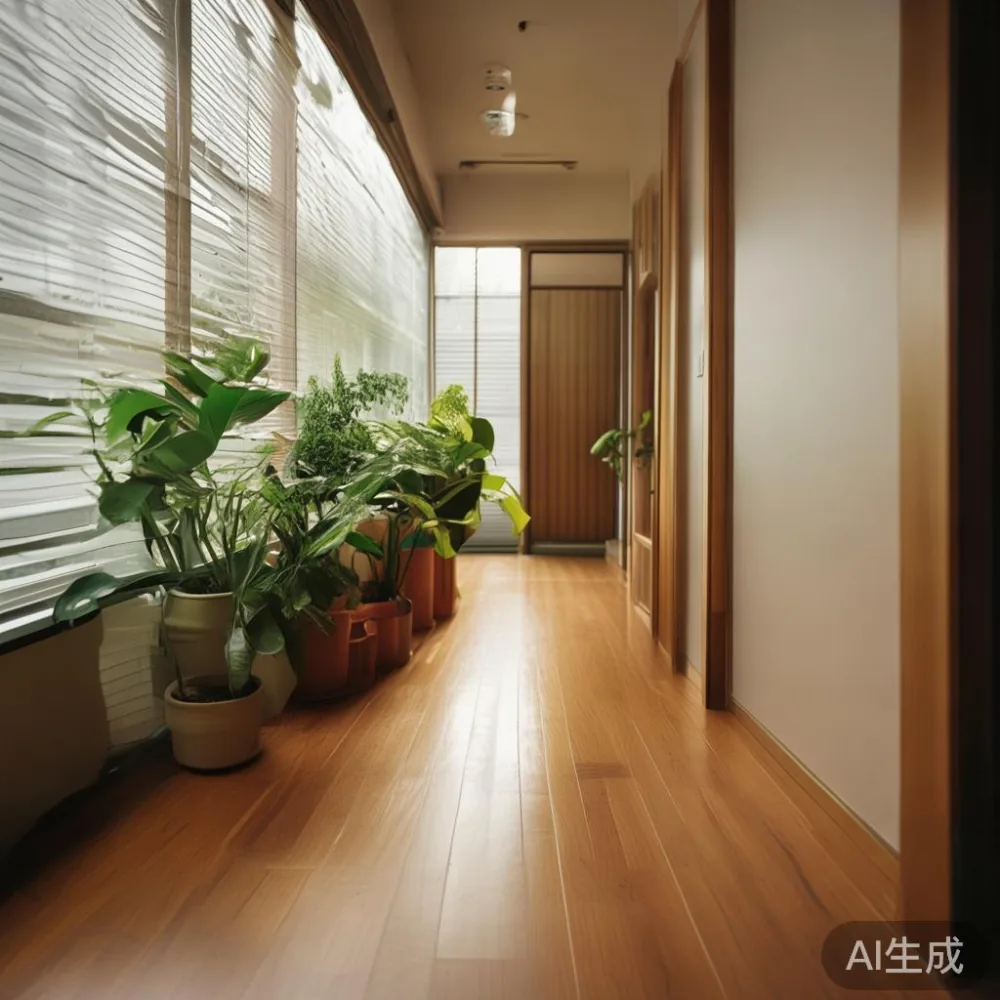
Foshan has been quietly supplying solid wood bedroom pieces to Singapore importers for over fifteen years, and MIDHILL has been one of the workshops doing it since 2008. Their beds, wardrobes, and nightstands now ship to more than 15 countries, and the questions they field from Bedok, Tampines, and Bukit Merah buyers are remarkably consistent. The questions are almost never about colour or styling. They are about cupping, mould at the back panel, sticky drawers in August, and that faint black halo around the brass hinge on a wardrobe door.
Below is what I tell every Singapore homeowner who asks whether solid wood can survive a HDB bedroom. The short answer is yes, but only if you understand the physics of what your bed frame is doing between midnight and 6 a.m., when the relative humidity in a closed air-conditioned Singapore bedroom can swing from 55 percent to 78 percent in a single night.
Why does Singapore humidity warp solid wood bedroom furniture so quickly?
Solid timber is a hygroscopic material, which is a polite way of saying it breathes. Every plank in your solid wood bed frame is constantly trading moisture with the air around it. When the air is wet, the cells in the wood swell. When the air is dry, they shrink. The classic Singapore pattern — aircon blasting from 11 p.m. to 7 a.m., then switched off while the room bakes at 32 degrees Celsius and 82 percent relative humidity by mid-afternoon — gives a piece of furniture two extreme environments in a single 24-hour cycle. Over months, that cycle opens glue lines, crowns a 25 mm thick dining tabletop by 2 to 3 mm, and pushes drawer fronts out of alignment by 3 to 5 mm.
For context, an HDB master bedroom in a Tampines Build-To-Order flat measures roughly 3.6 m by 3.2 m, with a 2.7 m ceiling. Close the door, run a 1.5 kW split unit at 23 degrees, and the dehumidification load is about 1.8 litres of water per night. That water has to go somewhere, and if your bed frame is pushed tight against an external wall, the back of the headboard becomes the cold surface where it condenses.
Which wood species handle Southeast Asian humidity best in a bedroom design?
Not all solid wood is equal in this climate. After testing 14 species in MIDHILL's Foshan workshop across three monsoon seasons, the practical ranking for a Singapore bedroom design looks roughly like this:
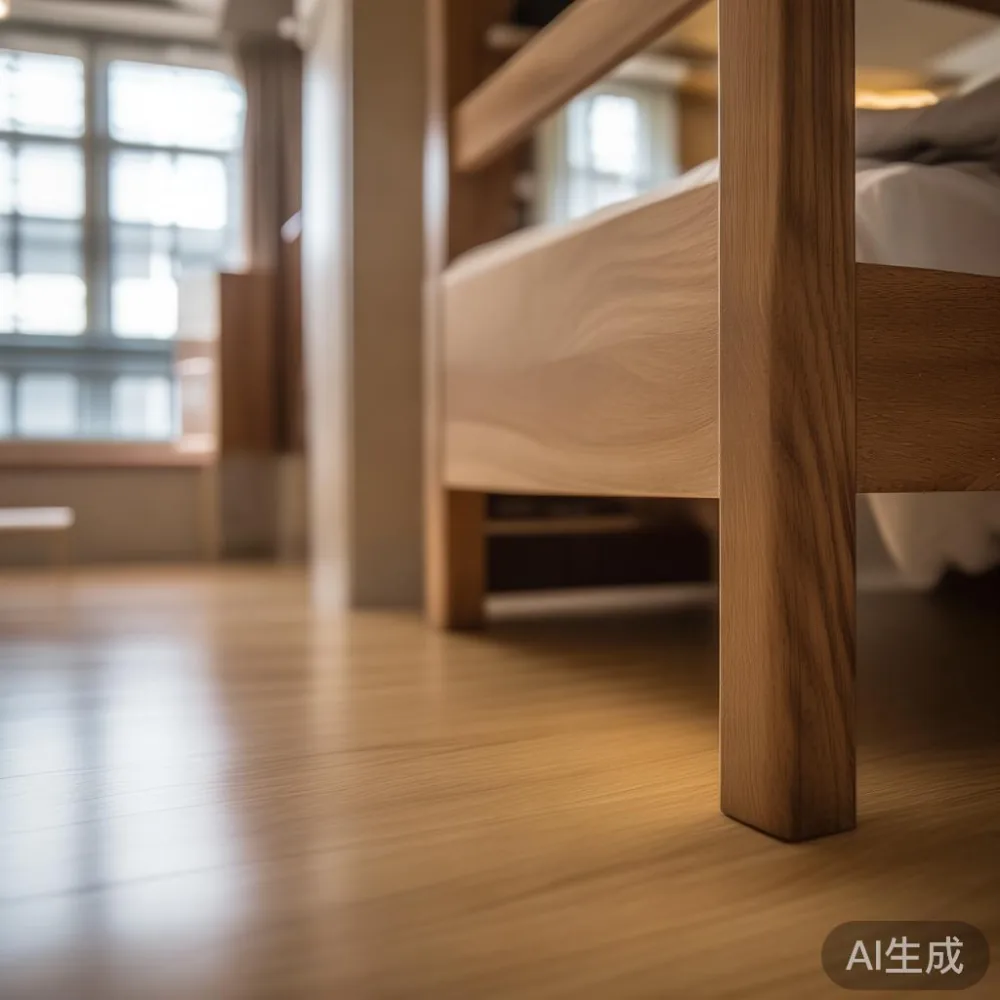
1. White oak (Quercus alba). Tight grain, low movement coefficient, takes a post-modern light luxury finish beautifully. A 1.8 m by 2 m white oak bed frame will move less than 2 mm across its width over a full year in a HDB bedroom with a stable dehumidifier.
2. Teak (Tectona grandis). The traditional Southeast Asian choice, and for good reason. Natural oils resist fungal growth, which matters when your wardrobe sits 30 cm from a bathroom door. Expect a slight silvery patina on exposed surfaces within 18 months if you do not oil it twice a year.
3. Ash and beech. Excellent value, but they need a controlled environment. A 1.5 m ash nightstand placed directly under an aircon vent will cup on the top panel within a single wet season.
4. Rubberwood. Common in Singapore showrooms because the price tag looks kind. It is a hardwood, but it is also a plantation timber with high earlywood-to-latewood ratio, which means it moves more, per centimetre, than the three species above. Acceptable for a wardrobe interior, risky for a large wardrobe door.
MIDHILL's bedroom line uses FAS-grade white oak for bed frames and wardrobes, with teak reserved for the slatted bases that sit closest to the floor and catch the most ground moisture. That internal choice is invisible to the buyer, but it is the reason a 10-year structural warranty is realistic in a Singapore bedroom, not just a marketing line.
How do I choose a rattan wicker for a small apartment?
For a Singapore HDB flat under 90 sqm, choose a rattan wicker with a tight 6 to 8 mm weave, an aluminium inner frame, and a UV-stabilised PE synthetic outer wrap rated for at least 5,000 hours of UV exposure — this combination gives you the breathable texture of natural rattan without the mould risk that kills a natural weave within 14 months in a Tampines condo. Stick to pieces no deeper than 65 cm so they clear the 90 cm corridor minimum most HDB service counters require, and keep the total rattan surface area in any one room under 1.8 sqm so humidity can circulate around the weave instead of trapping against a back wall.
The reason rattan comes up in an article about solid wood bedroom furniture is that designers in the French light luxury camp often pair a white oak bed frame with a rattan headboard insert or a rattan-wrapped bench at the foot of the bed. The pairing looks soft and expensive. The trap is that natural rattan and a Singapore bedroom are natural enemies. The cellulose strands in rattan hold moisture like a sponge, and once black mould colonises the inside of the weave, no amount of dehumidifier will save it. If you want the look, buy rattan-cane panels with a marine-grade lacquer, or specify a high-density polyethylene weave that mimics the texture. Both will outlast natural rattan by a factor of four in a non-aircon guest room.
What dimensions actually fit through a Singapore HDB flat?
This is where most online furniture purchases fail before humidity even enters the picture. The standard HDB corridor door is 91 cm wide and 2.1 m tall. The lift door in most 4-room blocks from 2010 onward is 90 cm wide by 2.1 m tall, with an internal cabin depth of about 1.5 m. A king-size solid wood bed frame from a Chinese factory, fully assembled, is typically 1.95 m wide, 2.18 m long, and the headboard alone can stand 1.2 m tall on a 15 cm plinth. It will not fit.
Solutions exist, and they are worth knowing:
- Flat-pack the bed frame. MIDHILL's 1.8 m by 2 m white oak bed frame ships in three cartons, the largest measuring 205 cm by 38 cm by 22 cm and weighing 48 kg. Two people can carry it up a HDB stairwell. Assembly takes about 70 minutes with the included hex keys.
- Specify a knock-down wardrobe. A 2.4 m tall three-door wardrobe breaks down into panels no wider than 60 cm, which clears both the lift and the corridor with 15 cm to spare.
- Check the lift weight limit. Older HDB lifts cap at 630 kg. A solid marble table top for a dining set can hit 95 kg on its own, so a 1.6 m marble-top dining table must travel in two pieces or you risk the lift overload alarm at level 7.
I watched a delivery team in Bedok last year try to angle a non-flat-pack wardrobe up a 1.05 m wide staircase for 40 minutes before giving up. The buyer paid 220 SGD to have it returned and 180 SGD for a second flat-pack wardrobe of similar style. The lesson is boring but real: measure the lift before you measure the bedroom.
How should you acclimatise a solid wood bed frame after delivery in Singapore?
Singapore buyers often skip acclimatisation because the piece came from a 35-day sea voyage in a container and seems to have already been everywhere. The container is the problem, not the solution. A 40-foot high-cube container runs at 85 to 95 percent relative humidity for the entire voyage. When your bed frame is unpacked in an aircon bedroom running at 55 percent, the surface fibres try to shrink in a single afternoon while the core is still saturated. That tension is what produces the checks and small splits you see along the grain in week two.
Here is the routine I recommend to every client who buys a solid wood sofa, bed frame, dining table, wardrobe, or marble table from a Foshan workshop:
1. Wipe every surface with a dry microfibre cloth to remove shipping dust.
2. Stand the pieces in the bedroom with the aircon OFF for 48 to 72 hours, with windows cracked open during the day. Singapore's natural relative humidity in a well-ventilated room runs 70 to 78 percent, which is close enough to the container that the wood will barely move.
3. On day three, run the aircon at 25 degrees for four hours, then 23 degrees overnight. Repeat the cycle for a week.
4. Only after this seven-day ramp should you push the bed frame against its final wall position.
Skip this and your oak wardrobe doors may develop a 2 to 3 mm bow by month three. Follow it and the same piece will be dimensionally stable for a decade.
What does a realistic Singapore bedroom design budget look like in 2026?
Numbers help, so here is what a complete MIDHILL bedroom set looks like for a typical Punggol or Sengkang condo in the second quarter of 2026, landed in Singapore:
- 1.8 m white oak solid wood bed frame with slatted base: 2,450 SGD.
- 2.4 m three-door white oak wardrobe with soft-close hinges and two drawers: 3,180 SGD.
- Pair of white oak nightstands (55 cm wide, 45 cm deep, 60 cm tall): 980 SGD the pair.
- 1.4 m white oak and marble table for a bedroom reading corner: 1,640 SGD.
- Six-drawer white oak dresser with marble top: 2,220 SGD.
Total: 10,470 SGD for the wood pieces, before mattress, lighting, or fabric. A comparable set from a Singapore boutique brand running on imported Italian oak typically sits between 15,800 and 22,400 SGD for the same specifications, so the price gap is real and the warranty on the Foshan piece is usually longer because the workshop controls the timber drying itself. Add GST at 9 percent, plus 280 SGD for white-glove delivery that includes carrying up to level 14 without lift access, and you land at 11,694 SGD all-in for a full bedroom design refresh.
Delivery from the Foshan warehouse to a Singapore door runs 22 to 28 days by sea, with the 350 SGD free-shipping threshold (about 440 SGD) easily cleared by a bed frame alone. The 14-day return window starts the day the cartons arrive, which gives you enough time to unpack, assemble, and decide whether the grain pattern suits the room.
How do you maintain solid wood bedroom furniture so it lasts 15 years?
Maintenance in Singapore is mostly about consistency. A bedroom design built around solid wood rewards a small weekly habit:
- Wipe with a barely damp microfibre cloth every Sunday. Dry immediately with a second cloth.
- Apply a paste wax (Howard Restor-A-Finish or local beeswax) every four months. One tin costs 28 SGD at a hardware shop and lasts two years.
- Keep the bed frame at least 8 cm from the external wall. Air must move behind the headboard.
- Run the aircon's dry mode for 30 minutes each morning even if you do not need cooling. It pulls another 0.4 litres of water out of the air.
- Never place a solid wood nightstand directly under a window that gets afternoon sun. UV plus heat is what turns teak silver in months instead of years.
MIDHILL offers lifetime refinishing on bedroom pieces bought through their Singapore channel — you ship the headboard back, they sand it to bare timber, re-stain, re-oil, and return it, usually for a 380 to 520 SGD fee depending on size. For a piece you intend to keep through two HDB leases and a condo upgrade, that option alone can save 1,800 SGD in replacement cost over fifteen years.
Can you mix solid wood bedroom pieces with a marble table or rattan accents?
Yes, and the American light luxury look that dominates Singapore condo showrooms in 2026 does exactly this: a chunky white oak bed frame paired with a Carrara marble side table, a rattan-wrapped bench at the foot of the bed, and brushed brass hardware on the wardrobe. The combination works because each material handles humidity differently. Oak moves on its grain axis, marble does not move at all, and rattan absorbs and releases moisture fastest of all. The trick is to anchor the room with the slowest-moving material (oak) and let the responsive materials sit as accents that can be swapped out every five to seven years without disturbing the main bedroom design.
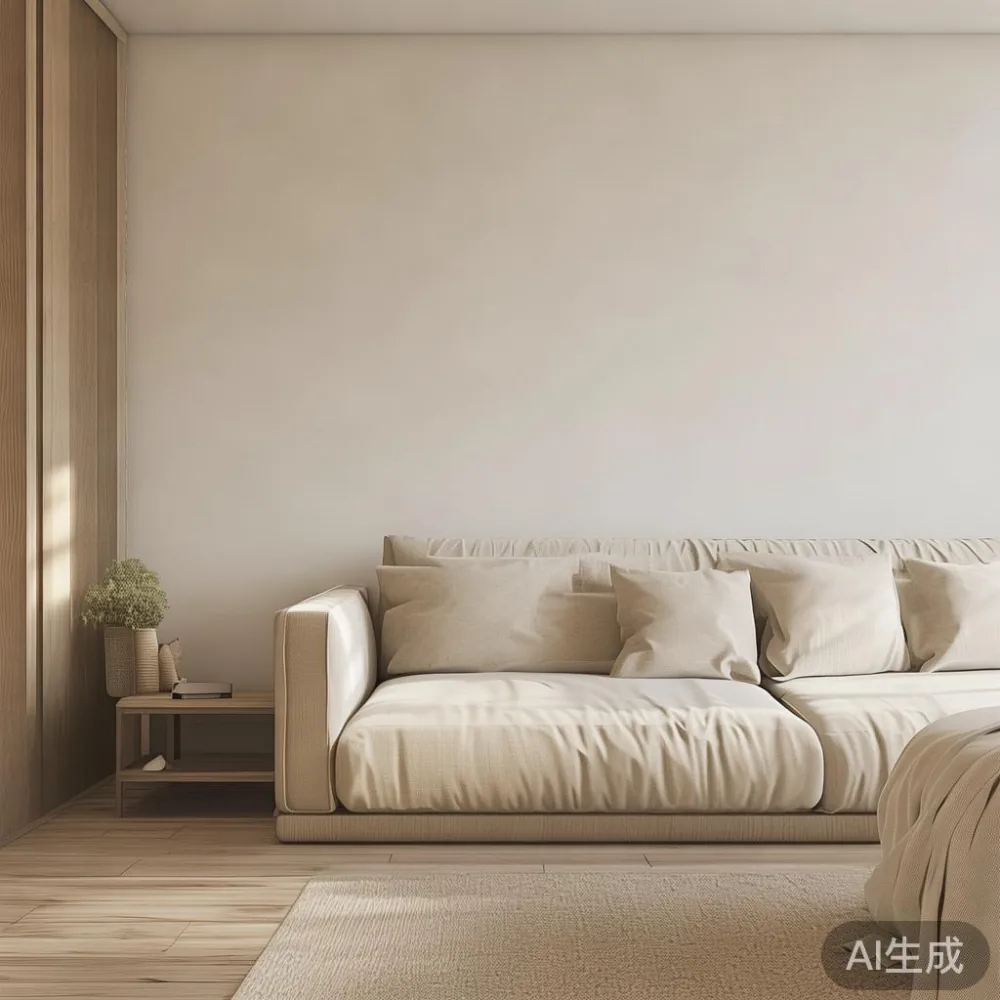
If you want the Post-modern corner sofa japan styling that has been quietly trending in Punggol and Holland Village corner units — the low-profile, deep-seat, fabric-clad sofa that sits in a bay window — keep it in the living room, not the bedroom. Its cushions will absorb bedroom humidity, develop a faint sweet smell within 18 months, and become a dust-mite hotel. The bedroom deserves hard surfaces that wipe clean: oak, marble, lacquered rattan, and a wool rug that can be aired on the corridor railing twice a month.
What should you check on the warranty and after-sales side before paying?
Before you wire 10,000 SGD to a Foshan exporter, ask four questions and write the answers into the proforma invoice:
1. What is the structural warranty, and what does it cover? MIDHILL specifies ten years on frame integrity, which covers joint failure and timber cracking under normal indoor use. It does not cover surface checks under 5 mm, which are cosmetic.
2. What is the return policy for Singapore orders? 14 days is standard; some sellers offer 30. Get it in writing, including who pays the return shipping to the consolidators warehouse.
3. Is refinishing available, and at what cost? Lifetime refinishing is uncommon and worth real money over a decade.
4. What happens if a single component — a wardrobe door, a bed slat, a marble table top — arrives damaged? MIDHILL ships replacement parts from Foshan by air at no charge for the first 12 months, which turns a 22-day sea wait into a 5-day air wait.
Once those four answers sit on paper, the price comparison becomes straightforward. You are comparing warranty length, refinishing rights, replacement-part logistics, and actual dimensional movement data, not just the sticker price on a showroom floor in Tampines.
Final notes for the Singapore buyer
Solid wood bedroom furniture survives Singapore humidity when three things line up: the right species (white oak or teak, not rubberwood), the right logistics (flat-pack that fits a 90 cm lift), and the right acclimatisation routine once the cartons are in your bedroom. Get those three right, and a 10,500 SGD bedroom design refresh will still look honest in 2041, after two more HDB renewals and one condo move. Anything less, and you will be writing the same email I got from the Punggol client — except yours will be in month four, not month three.