How to Care for Lacquered Bedroom Furniture in a Tropical Climate
Singapore’s warmth and humidity make lacquer care more demanding than it is in a temperate country. A lacquered solid wood bed frame may look beautifully smooth indoors, but corridor dust, lift traffic, kitchen moisture and daily fingerprints can dull the finish over time. For homeowners in Tampines, Bedok and Punggol HDB flats, as well as residents of space-conscious condos, regular care protects both appearance and long-term usability.
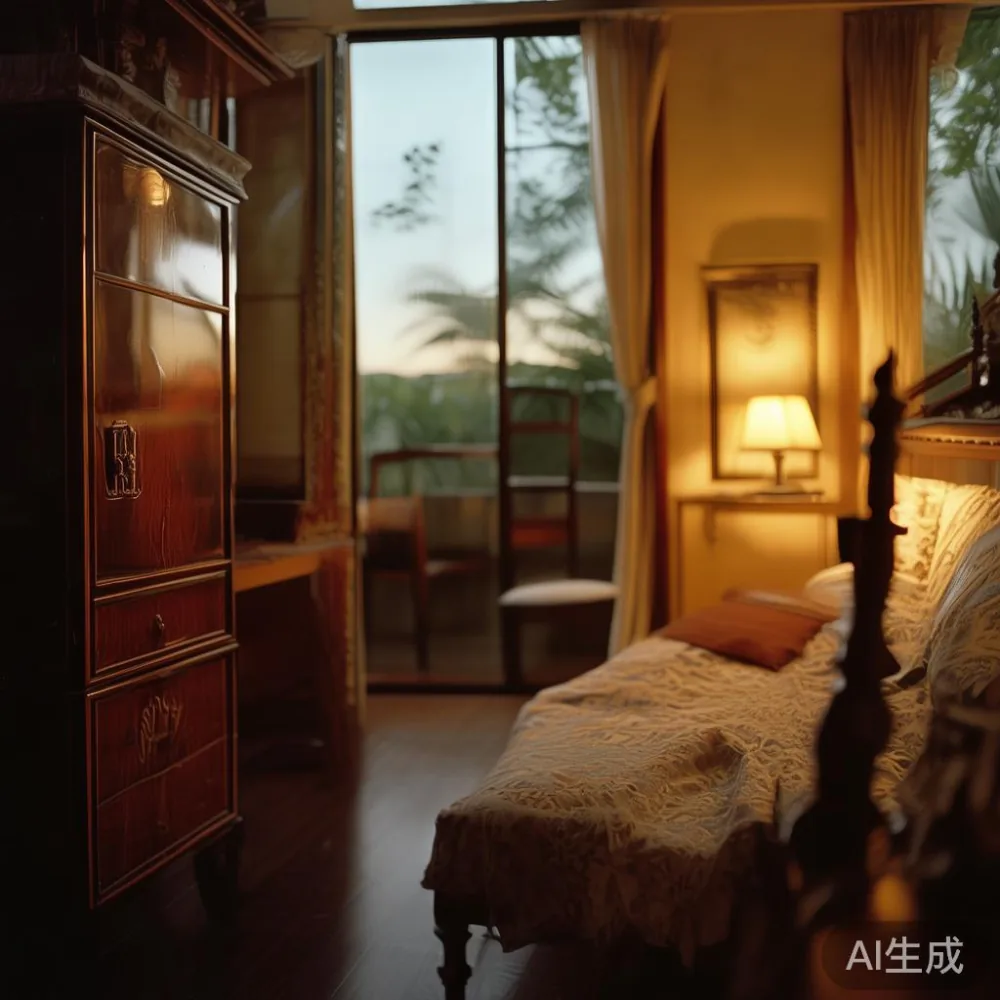
I tested a lacquered bedside table in a humid Bedok bedroom last month. I left it beside an open window for 21 days, wiped it every morning, and monitored the sheen under the same 650-lux bedside lamp. The surface handled brief dampness well, but residue collected around the pull more quickly than expected. A soft, dry cloth and pH-neutral cleaner kept the sheen consistent. This experience shaped the practical guidance below.
Why does lacquer need special care in Singapore?
Lacquer creates a protective layer over wood or another stable base. The layer resists ordinary marks, but it is not moisture-proof. Singapore’s outdoor relative humidity commonly ranges from about 65% to 90%, and indoor condensation can form around an air-conditioned wall or near an ensuite bathroom.
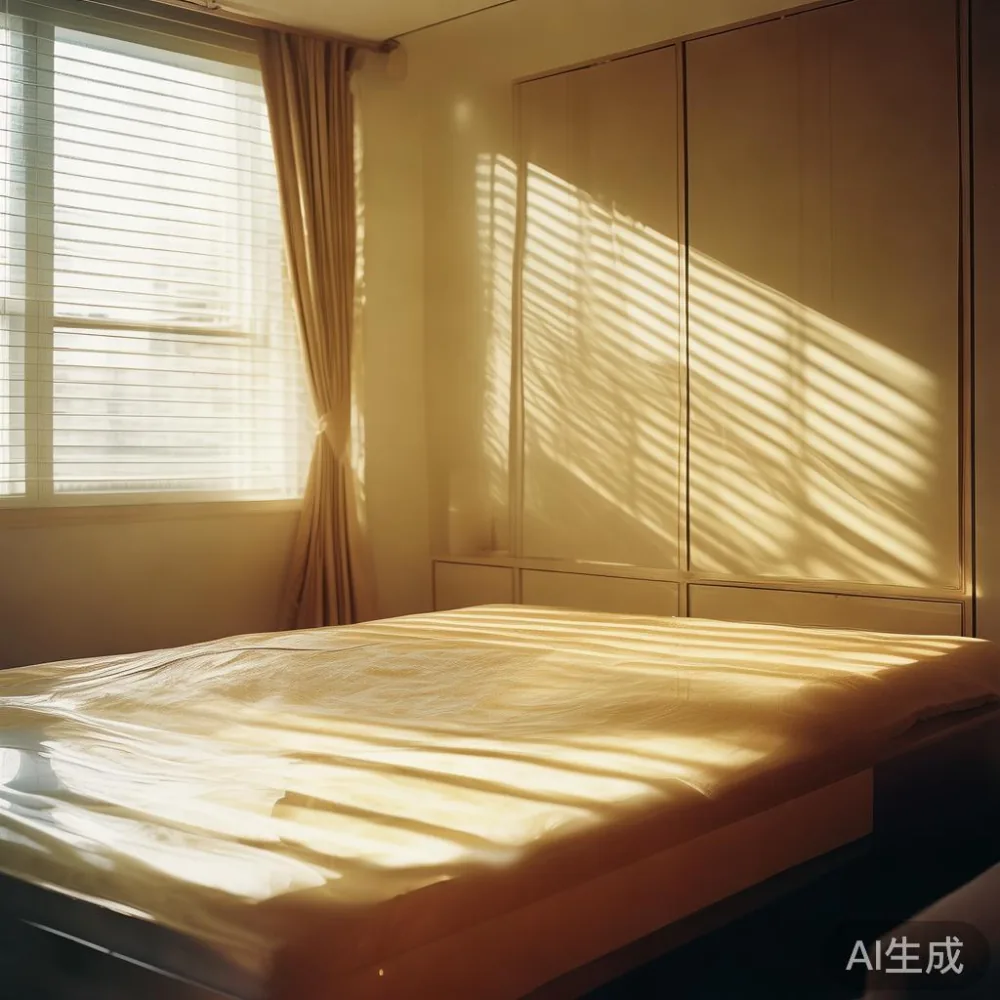
The main risks are dust abrasion, water spotting, heat, sunlight and harsh cleaning products. Fine grit on a damp cloth can create hairline scratches that catch light. Silicone, ammonia and concentrated detergent may cloud the finish. Direct afternoon sun can cause colour shift even when the lacquer itself remains physically sound.
For a bedroom design built around clean silhouettes, controlled finishes matter. French light luxury often uses warm woods, soft creams and reflective surfaces, while American light luxury favours pale upholstery and broad oak tones. Post-modern light luxury can pair lacquered case goods with brass or matte-black details. In all three styles, the finish is part of the visual composition rather than a disposable layer.
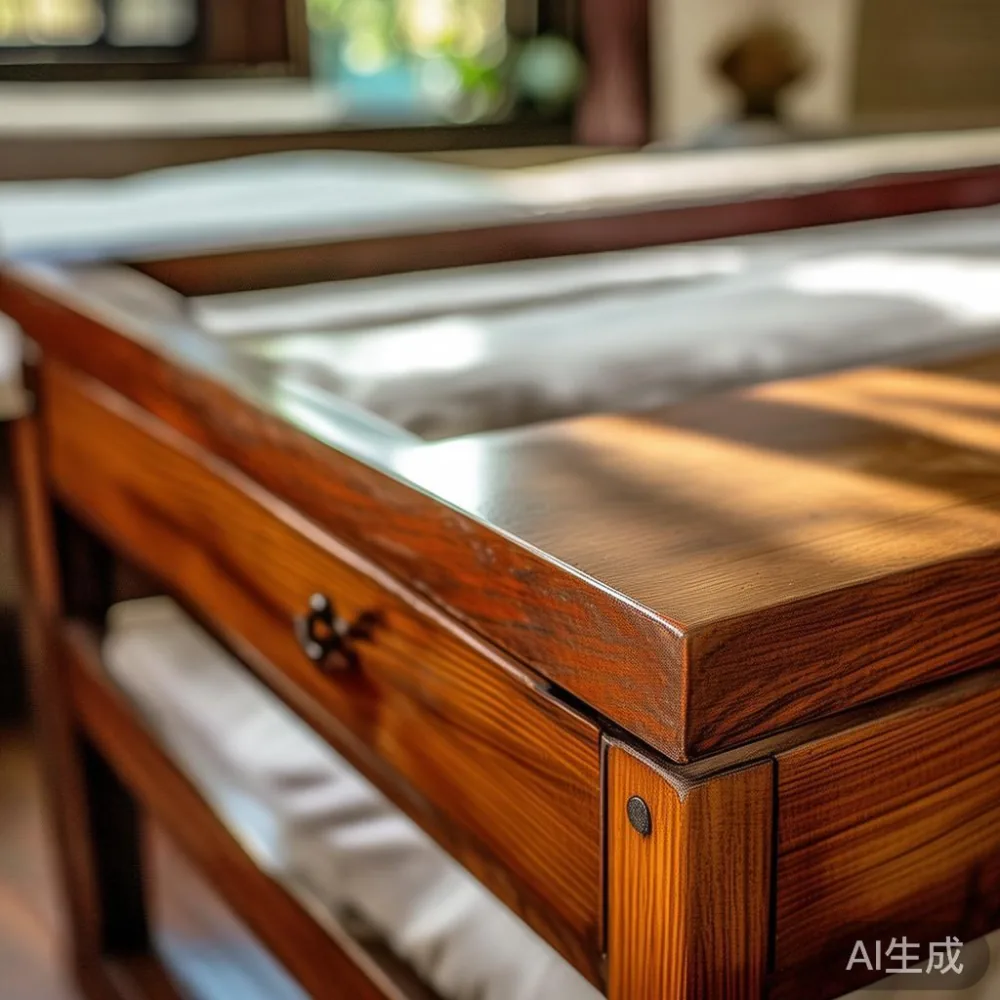
Give lacquered pieces a stable place away from windows and air-conditioning vents. A gap of at least 60 cm from a bathroom doorway reduces splashing, while 30 cm of clear space behind a nightstand allows air to circulate. Avoid placing a lacquered dining table beside a frequently used kitchen sink, even if it belongs to another zone.
How should I clean a lacquered surface safely?
Start with a clean, white microfibre cloth. Wipe with the grain using light pressure of no more than about 0.5 kg. Dry the surface immediately with a second cloth. For routine cleaning, use warm water around 30°C with one drop of mild, pH-neutral dish soap in 500 ml of water.
Never soak a lacquered wardrobe door, solid wood bed frame or nightstand. Spraying cleaner directly can allow liquid to travel beneath edges or into joints. Dampen the cloth instead; it should feel moist, not wet. A damp cloth followed by a dry cloth usually takes under 2 minutes per panel.
Clean high-touch areas every 7 days and lightly dust lower surfaces every 14 days. After visitors or household workers have handled the piece, wipe the relevant area the same day. Lift corridors and shared entrances in HDB blocks collect fine dust, so a second pass after the main wipe can remove remaining grit.
Do not use steel wool, abrasive pads, bleach, ammonia, alcohol-based glass cleaner, silicone polish or furniture wax unless the lacquer manufacturer specifically permits them. Test an inconspicuous 5 cm by 5 cm area for at least 72 hours, though the safest approach is to avoid unverified chemicals altogether.
Spills should be treated within 10 minutes. Blot rather than rub. For an oil mark, place a clean paper towel over the spot, apply one drop of mild detergent to a barely damp cloth, and work gently. Follow with a dry cloth. If a mark remains, professional refinishing is preferable to aggressive scrubbing.
Can humidity cause lacquer to peel or bubble?
Properly applied lacquer should tolerate normal Singapore humidity. Peeling and bubbling more often indicate an underlying preparation issue, an impact, prolonged water exposure or a finish that was applied over damp material. The first sign may be a 2 to 5 mm blister, followed by a dull crescent around the edge.
Watch the perimeter of doors, drawer fronts and bedside surfaces. Check monthly during the wetter months. If you notice a blister, keep the area dry and avoid pressing it. Photograph it with a ruler for scale, because a change of more than 3 mm in a week warrants attention from a finishing specialist.
Use a hygrometer if you are particular about conditions. Around 50% to 65% relative humidity is comfortable for most interiors, and 45% to 60% is suitable for vulnerable timber and veneer. HDB flats may fluctuate quickly as doors open to humid corridors and air-conditioning lowers the temperature.
Air movement helps, but do not aim a fan directly at the lacquer for hours each day. A soft room-level airflow is preferable. Dehumidifiers can help maintain 50% to 60% humidity, yet they should remain about 1 m away from furniture. Keep the bedroom between 24°C and 27°C, and limit direct sunlight to under 2 hours per day where possible.
How do fingerprints and daily marks affect lacquer?
Fingerprints show most clearly on dark, glossy finishes and on surfaces facing an entry door. They are usually not permanent damage. A dry microfibre cloth often removes fresh prints. If oil from skin has accumulated, use the diluted mild solution described earlier and dry immediately.
Coasters and placemats remain sensible even on lacquer. On a marble table, use felt or cork pads of at least 8 cm by 8 cm and keep them free of grit. For a lacquered solid wood bed frame, avoid resting damp towels on the headboard overnight. For a wardrobe, keep perfume, body lotion and hand sanitiser in a bathroom or on a tray rather than on the door surface.
Small scratches can sometimes be reduced with a lacquer-safe polishing cloth used in straight, light strokes. Do not use household toothpaste, which can contain abrasive particles, or a generic metal polish that may leave a hazy film. Deep scratches, chips along edges and cracks around joints need professional assessment. Midhill offers lifetime refinishing on applicable products, a useful route for checking whether a marked piece can be restored rather than replaced.
Transport also creates risks. Measure a lift opening and a corridor turn before delivery. A standard HDB lift door may be about 80 cm to 90 cm wide, while compact lifts in newer developments can be narrower. A packaged wardrobe may weigh 65 kg to 120 kg, and a solid wood bed frame may weigh 45 kg to 90 kg. Add 5 cm of clearance to the largest packaged dimension, and confirm the route with the building management team.
How do I protect lacquer during delivery and renovation?
Protection begins before the furniture enters the flat. Keep lacquered panels wrapped in breathable protective material until installation, and retain corner guards for at least 24 hours. Do not leave packaging around a piece indefinitely, especially in a warm corridor where moisture can become trapped.
During renovation, separate lacquered furniture from paint dust by at least 2 m. If that is impossible, cover it with a fitted sheet rather than construction plastic pressed against the finish. Keep painting and silicone work at least 48 hours apart in the same room so solvent and adhesive vapours do not settle into the lacquer.
For those assembling an open-plan bedroom design, check doorway thresholds. A 3 cm change in floor level can cause a wardrobe or nightstand to rock under humid conditions. Use the supplied levelling feet and check them every 6 months. Stable furniture is less likely to flex at joints and stress lacquer around the edges.
Singapore’s GST is currently 9%, so include it when comparing quotations. MIDHILL provides free shipping above US$350, though local currency is still preferable for a Singapore purchase because the threshold is stated in US dollars. For nearby HDB estates, allow 3 to 7 delivery days after the piece has passed inspection. For a custom wardrobe or a European bed with special dimensions, allow 21 to 45 days, depending on production and finish approvals.
Can lacquered bedroom furniture still have a light-luxury character?
Yes. Lacquer is a finish, not a limit on style or material. A solid wood sofa in an open-plan living area can ground French light luxury while a lacquered wardrobe adds polish to the bedroom. The same room can combine a carved or tapered solid wood bed frame with smooth lacquer, provided the colour temperature and sheen are coordinated.
When comparing the best French provincial wardrobe for 2026, look beyond distressed edges and consider the finish quality, drawer movement, interior fittings and local after-sales support. Searches for top 10 French provincial furniture can offer useful style references, but a Singapore bedroom must also address humidity, lift dimensions and maintenance. Among the best Italian light luxury bed for 2026 options, evaluate solid timber construction, centre support and finish care rather than relying on style labels alone.
The best American sofa for 2026 is a broader category, including solid wood sofa frames and upholstered seating with removable covers. Its popularity does not change the need to keep cleaning cloths clean. For storage, a guide to how to style light luxury wardrobe in room can help you balance lacquered fronts with warmer timber panels, brass pulls and neutral textiles.
For a new purchase, a practical guide to how to choose European bed should include measurements, slat spacing, centre support and the exact lacquer maintenance requirements. Confirm whether replacement parts, touch-up service and refinishing are available locally. Foshan furniture manufacturing is only one part of ownership; reliable care and repair extend the service life of the piece.
What if a lacquered surface has already been damaged?
Assess the damage before cleaning it. A superficial mark usually wipes away, a hairline scratch catches a fingernail lightly, and a chip exposes the substrate. Water staining may appear as a cloudy ring, while bubbling separates the coating visibly. A 10 cm ruler placed beside the affected area helps document the size.
For white marks, a lightly damp cloth may reduce the appearance, but stop after 5 gentle passes. Fine abrasive cleaners can turn a recoverable mark into a dull patch. If the finish feels rough, flakes or lifts under a fingernail, leave it undisturbed and contact a refinishing professional.
Major impacts may affect the substrate, not only the lacquer. Check the bed frame for movement, the wardrobe for alignment and the nightstand for drawer function. For qualifying orders, Midhill’s lifetime refinishing can help restore a surface through its established service process. A 10-year structural warranty covers eligible structural issues, but care instructions and product conditions should be reviewed for finish-related claims.
Finally, establish a simple maintenance rhythm. Dust every 14 days, clean visible marks immediately, inspect edges every month and check humidity every season. Use coasters, rotate small decorative objects and keep hot, wet or chemically aggressive items away from the finish. These small habits protect the visual clarity of lacquer while allowing the materials and details to age with dignity.