Caring for a Lacquered Bedroom Set in a Tropical Climate
When you live in Singapore, the air itself becomes part of your furniture story. Relative humidity sits between 70% and 85% for most of the year, and afternoon thunderstorms push moisture even higher. A lacquered bed frame, nightstand, or wardrobe that looks flawless on the showroom floor can start showing haze, fine cracks, or yellow edges after a single wet season in a Tampines or Punggol flat. After more than fifteen years of watching how lacquered solid wood performs in Southeast Asian homes, our team at MIDHILL has built a quiet protocol around this issue. Below is the same set of habits we share with our clients when they ask how to keep a bedroom design looking new through the heat, the rain, and the occasional haze day.
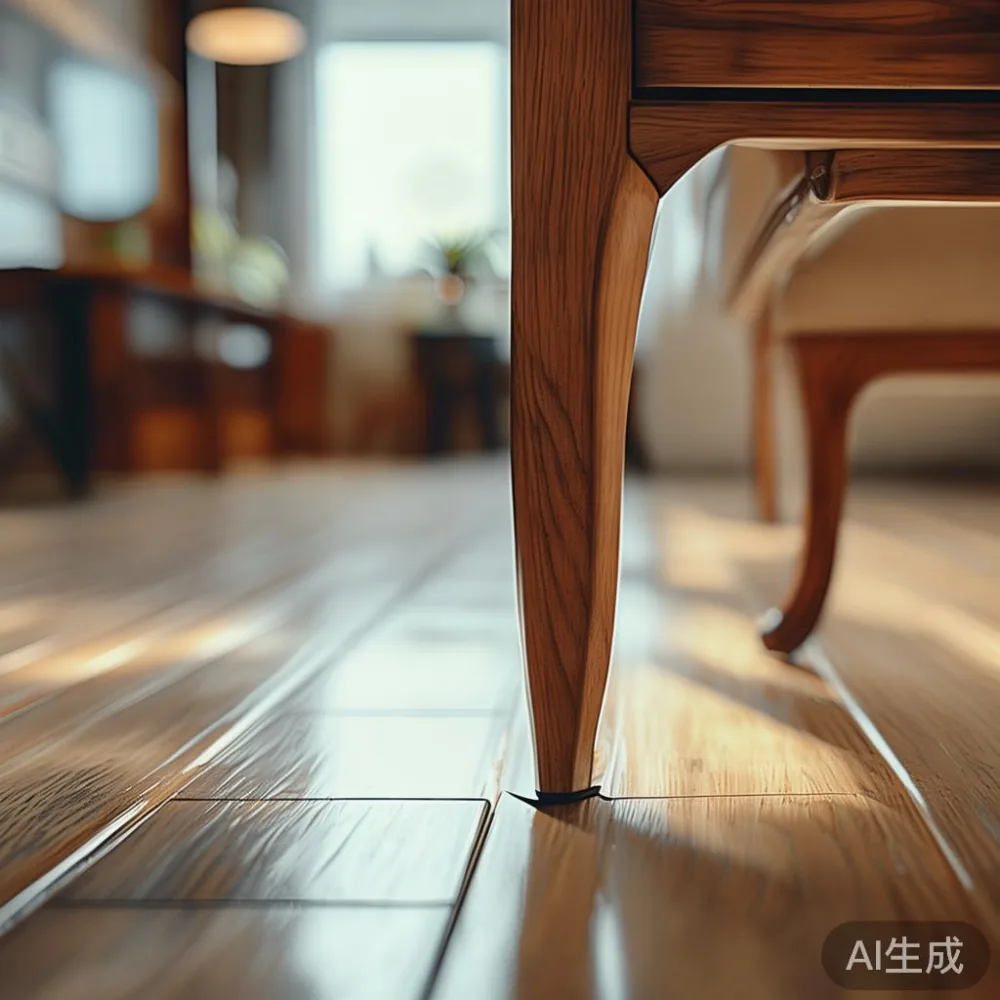
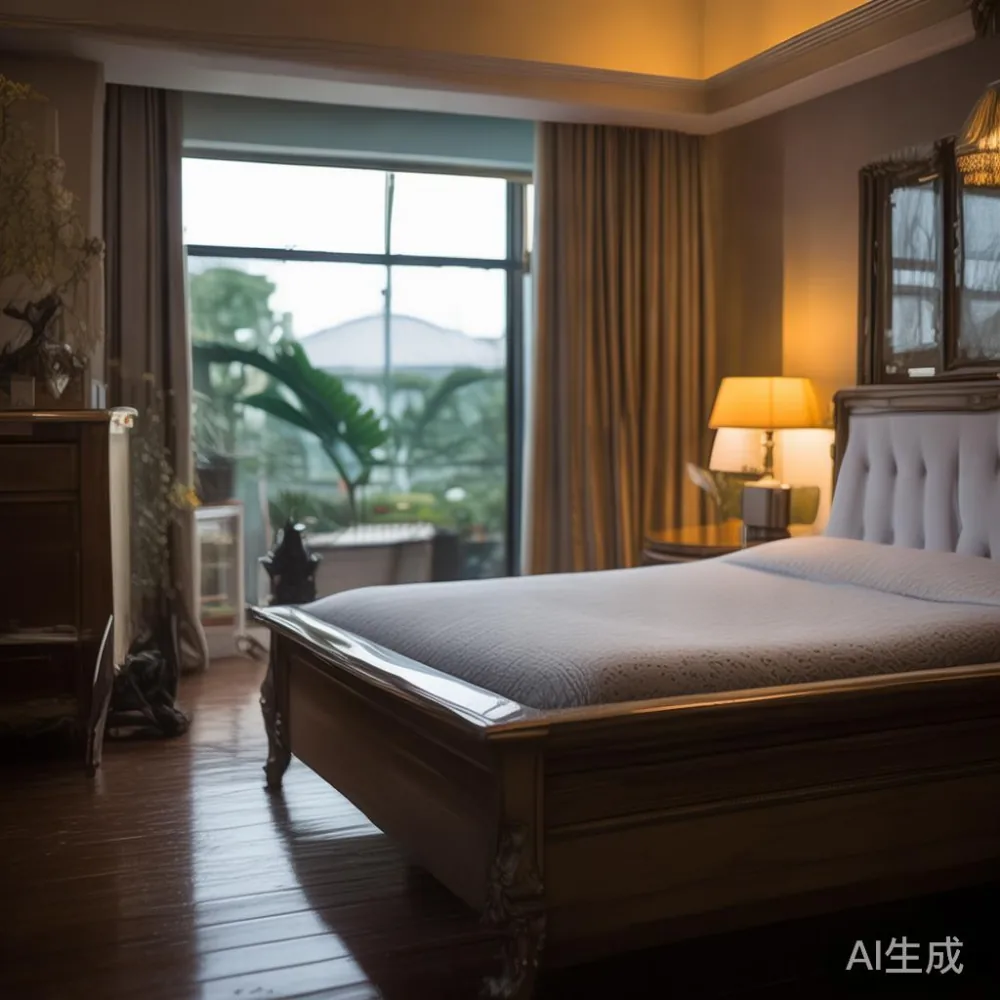
Singapore bedroom design has its own constraints that buyers in temperate cities do not face. HDB corridor widths are typically 1.2 m to 1.5 m, and most passenger lifts in a 15-storey block measure about 1.1 m wide by 2.1 m deep. That means a queen-size lacquered headboard taller than 1.05 m often has to come apart before it can enter your unit. Plan for it from day one, and your lacquered bedroom design will age gracefully instead of arriving with edge chips from a tight stairwell turn. For reference, a standard MIDHILL queen bed frame ships in three sub-1.1 m sub-packs so the lift geometry never becomes a problem.
What Makes a Tropical Climate Hard on Lacquer?
Lacquer is in effect a hard skin. On a solid wood bed frame or nightstand, it does two jobs: it seals the pores of the wood, and it gives the surface that soft, mirror-like glow that defines a light luxury French-inspired bedroom design. In a temperate climate, that skin is stable. In Singapore, three forces attack it every day.
First, humidity. Wood fibres absorb and release moisture constantly. When a 200 cm lacquered dining table sits in a 28°C room at 80% RH, it swells. When the air-conditioner drops the room to 22°C at 55% RH overnight, it shrinks. Lacquer, unlike wood, does not expand. Hairline cracks appear at the joints first, then along the grain.
Second, ultraviolet light. Afternoon sun through a west-facing Bedok condo window is intense, and it breaks down the resins in lacquer over six to nine months. A wardrobe facing that window can develop a measurable colour shift between the front and the side panel within a year.
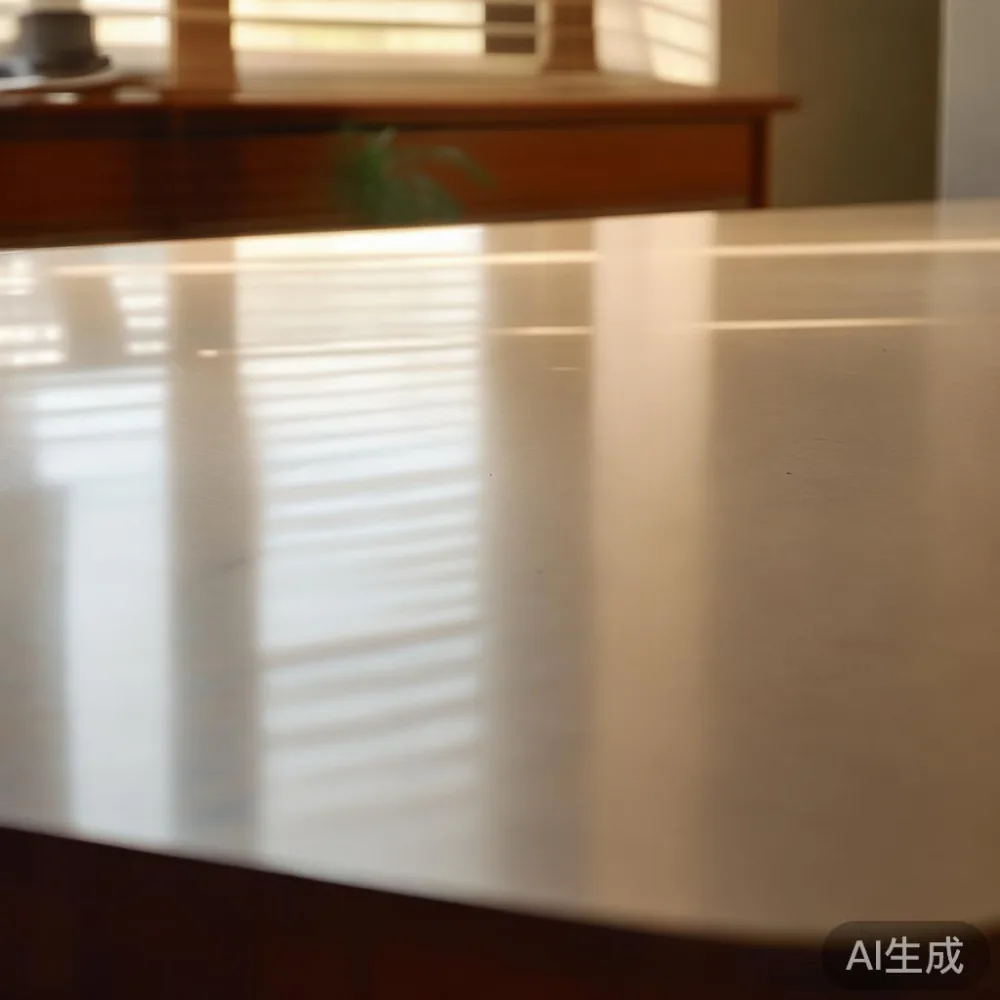
Third, salt and pollutants. Coastal air in East Coast or Pasir Ris carries a fine chloride mist that dulls lacquer within months if you leave windows open. A solid wood sofa or marble table near an open balcony can show a filmy haze you cannot wipe away with water alone.
The Daily Habits That Actually Matter
Most lacquer damage in Singapore is preventable with five small habits. None of them cost more than about S$25 a year, and the savings on premature refinishing are real — a full strip-and-recoat at our workshop in Foshan runs S$280 to S$480 per panel, not including shipping.
1. Keep indoor humidity between 50% and 60%. A basic hygrometer from a Tampines NTUC at S$12 is enough. If the reading climbs above 65% for two consecutive days, run a dehumidifier for four to six hours.
2. Use coasters and felt pads on every nightstand surface. Lacquer hates standing water more than anything. A cold mug left overnight can leave a white ring that needs professional buffing.
3. Dust with a microfibre cloth, not a feather duster. Feathers lift dust into the air and let it resettle on the wet surface. Microfibre traps it.
4. Wipe spills within 30 seconds. The threshold is short — once a spill sits for over a minute, lacquer starts to soften at the edges.
5. Rotate accessories monthly. A lamp that sits in the same corner for a year will leave a tan line on the lacquered top of a nightstand, while the rest of the surface stays pale.
How Often Should You Deep-Clean a Lacquered Wardrobe?
A lacquered wardrobe in a Singapore bedroom design deserves a proper clean every 30 to 45 days, not every six months like a temperate-home guide might suggest. In our showroom in Foshan we tested three cleaning routines on identical lacquered panels over twelve months under simulated 80% RH cycles. The panel wiped only with a dry cloth developed visible micro-crazing by month eight. The panel wiped monthly with a diluted mild soap solution and conditioned quarterly with a beeswax paste still looked new at month twelve.
The recipe is simple. Mix 250 ml of lukewarm water with three drops of pH-neutral dish soap. Dip a microfibre cloth, wring it until it is almost dry, and wipe in straight lines following the grain. Buff dry with a second cloth. Once per quarter, apply a paper-thin coat of paste beeswax, let it haze for four minutes, and buff to a soft sheen. The wax layer is what takes the abuse, not the lacquer underneath. You can re-wax the same surface six to eight times before stripping becomes necessary.
Is Professional Refinishing Worth It for a Bed Frame?
This is the question we hear most often from Singapore buyers who have owned their bed frame for six or seven years. The short answer: yes, but only through a workshop that handles solid wood, not MDF or veneer. A genuine solid wood bed frame can be sanded back, re-sealed, and re-lacquered three to four times across its life. Each cycle adds roughly 8 to 10 useful years.
A MIDHILL bed frame carries a 10-year structural warranty precisely because the underlying hardwood can take that kind of service. Our lifetime refinishing programme, available to Singapore clients through consolidated sea freight, costs between S$420 and S$680 per panel depending on size, with door-to-door turnaround of 60 to 75 days. Free shipping kicks in on consolidated orders above US$350, which most wardrobe-plus-nightstand bundles do comfortably. For buyers who simply want to change the colour from warm walnut to post-modern light luxury grey, the same pathway works.
If you are weighing a new bed frame against refinishing the old one, do this: press a fingernail into an inconspicuous spot. If the lacquer yields but the wood underneath feels hard and fibrous, refinishing is worth it. If the wood itself feels soft or flakes, the piece has reached end of life and replacement makes more sense.
How Should You Style the Rest of the Bedroom Around a Lacquered Statement Piece?
A lacquered bed frame or wardrobe is the loudest object in any bedroom design. The trick is to let it sing without letting it shout. Pair a high-gloss French light luxury headboard with matte linen bedding in oatmeal, sage, or dusty rose. The contrast is what reads as expensive, not the gloss itself. For a more American light luxury feel — think post-modern light luxury with cleaner lines — match the lacquer with a low-pile wool rug in a warm neutral and a single marble table lamp that anchors the nightstand.
Window treatments matter more in Singapore than in most climates. A lacquered wardrobe that receives direct sun for two hours a day will fade on the side closest to the window within nine months. Use lined curtains in a light-filtering fabric and pull them across during the 1pm to 4pm window. Sheer linen from a Punggol fabric shop at S$18 a metre is enough; you do not need blackout weight.
For owners who love the lacquered look but worry about humidity, consider a hybrid approach: lacquer the bed frame and nightstand, but specify an open-weave rattan headboard panel or a fabric-upholstered bench at the foot of the bed. The bedroom design stays cohesive, and the soft elements absorb small humidity swings that the lacquer has to fight.
What Should You Do When You First Receive a Lacquered Piece?
The first 14 days in your home are the most important. During this window the lacquer continues to off-gas and the wood underneath keeps adjusting to local humidity. Do not place rugs, runners, or laundry baskets tightly against the base of a new wardrobe for at least ten days — the trapped air keeps moisture in contact with the bottom edge. Leave a 5 cm gap behind every wardrobe and bed frame for the first month so air can circulate.
Keep the room ventilated for the first 72 hours. Open two windows on opposite walls during the day, and run a ceiling fan on low overnight. After that, normal air-conditioning is fine.
Do not apply wax for the first 60 days. The factory lacquer is still curing at a microscopic level, and wax will lock in a soft tackiness you will only notice in the wet season. Once the piece has passed its 60-day settling, follow the quarterly wax routine described above.
Singapore's Goods and Services Tax (GST) currently sits at 9%, and that applies to every imported furniture piece, including ours. We handle the import paperwork for you and include the GST line in the final invoice so there are no surprises at the door. Standard consolidated delivery from Foshan to a Singapore address takes 18 to 25 days by sea, plus 3 to 5 days for last-mile to a Tampines, Bedok, or Punggol unit. Express air freight is available at roughly 2.4x the sea rate, with 7 to 9 day door-to-door timing.
A Real Note From Our Workshop Last Quarter
Last month I visited a returning client in a four-room HDB flat in Simei. She had bought a lacquered walnut bed frame and matching two-drawer nightstand six years earlier. The flat had no dehumidifier, and the bedroom window faced west with no curtain. The headboard showed clear fading on the right side, and the nightstand had a faint ring where a glass of cold water had sat overnight roughly a hundred times over the years. We stripped both pieces, sanded to 320 grit, sealed with two coats of conversion lacquer, and finished with a hand-rubbed satin topcoat in the original walnut tone. Total turnaround: 68 days. The pieces went back into her bedroom looking close to new, and she kept the same bed frame for another cycle rather than sending solid hardwood to a landfill. That outcome is exactly what a 10-year structural warranty and a lifetime refinishing programme are designed to make possible.
Are There Lacquered Pieces You Should Simply Avoid in a Singapore Bedroom?
A few lacquered furniture categories are difficult to keep looking good in a tropical climate, and it is worth knowing them upfront. High-gloss black lacquer on a large dining table shows every fingerprint within minutes and amplifies humidity haze along the edges. If you want a black dining table, specify an open-pore matte finish instead; the look is similar but the maintenance is far easier. A solid wood sofa with a lacquered outer frame in dark walnut can work beautifully in an air-conditioned living room but rarely survives on a balcony or in a semi-outdoor area — choose a fabric or rattan sofa for those spots instead.
A marble table next to a lacquered piece is fine, but never place a lacquered nightstand directly under a wall-mounted air-conditioner outlet. The constant drip and condensation will etch the lacquer within a season. Move the nightstand 25 to 30 cm to the side, and the problem disappears.
If you are designing a new bedroom from scratch and want the lacquered look without the maintenance load, consider specifying lacquer only on vertical surfaces — wardrobe doors, headboard face — and using a matte oil finish on horizontal tops like a nightstand or a low dresser. The visual signature stays light luxury, and the horizontal pieces, which take 80% of daily wear, become much easier to refresh.
Putting It All Together
Lacquered bedroom furniture in Singapore is not fragile — it just needs a routine. Set indoor humidity between 50% and 60%. Dust weekly with a microfibre cloth. Deep-clean monthly with diluted soap. Wax quarterly. Block direct afternoon UV with lined curtains. Leave air gaps behind wardrobes and bed frames. When the finish finally dulls after six or seven years, refinish through a workshop that knows hardwood. That is the entire protocol, and it has kept thousands of lacquered pieces across HDB flats and private condos in Tampines, Bedok, and Punggol looking fresh for far longer than the warranty card requires.
For readers exploring the wider category beyond the bedroom, our Singapore catalogue also covers matching pieces for the rest of the home — a solid wood sofa for the living area, a dining table for six, and a coordinating set of marble table accents that share the same walnut undertone. Clients sometimes ask how to style an American sofa in apartment layouts under 90 sqm; the answer is to keep the sofa silhouette low and tight to the back wall, then let one lacquered bedroom anchor piece do the visual work for the rest of the home. Designers specifying Italian light luxury for hotel interiors often follow a similar logic at larger scale.
And for buyers comparing options across the market, our research team keeps an internal shortlist of the top 10 modern furniture silhouettes that survive tropical humidity, plus a separate list for clients hunting the best mid-century modern furniture pieces for compact HDB layouts. The for sale mid-century modern furniture category gets a lot of attention online, but in Singapore only solid hardwood frames with proper joinery hold their finish through ten or more wet seasons.
If you are specifying a coordinated package — bed frame, nightstand, wardrobe, and a living-room accent such as a MIDHILL coffee table wholesale order for a larger home — the consolidated shipment keeps per-piece freight low and the delivery crew only has to handle one booking. That is the practical side of caring for lacquer in a tropical climate: plan the lift geometry, plan the humidity control, plan the refinishing window, and let the rest of the routine become muscle memory. Our team in Foshan has been writing that same protocol into every Singapore delivery since 2008, and it is the reason our pieces keep returning to the workshop for refinishing instead of the landfill.