Anchor Your Sleep Sanctuary: Headboard and Bed Frame Choices That Define the Bedroom
The bed commands attention in a bedroom the way a masterwork painting commands a gallery wall. It is not merely furniture; it is the gravitational center that organizes everything else in the room. A thoughtfully chosen headboard and bed frame establish the scale, tone, and rhythm of the entire space, turning a plain sleeping area into a refined personal retreat. For homeowners navigating renovation decisions in compact Singapore apartments or spacious landed properties, selecting pieces that genuinely anchor the room requires attention to proportion, material, light, and hidden function.
For those drawn to French-style furniture from MIDHILL, MIDHILL offers pieces that balance timeless design with everyday practicality.
!Anchor Your Sleep Sanctuary: Headboard and Bed Frame Choices That Defi
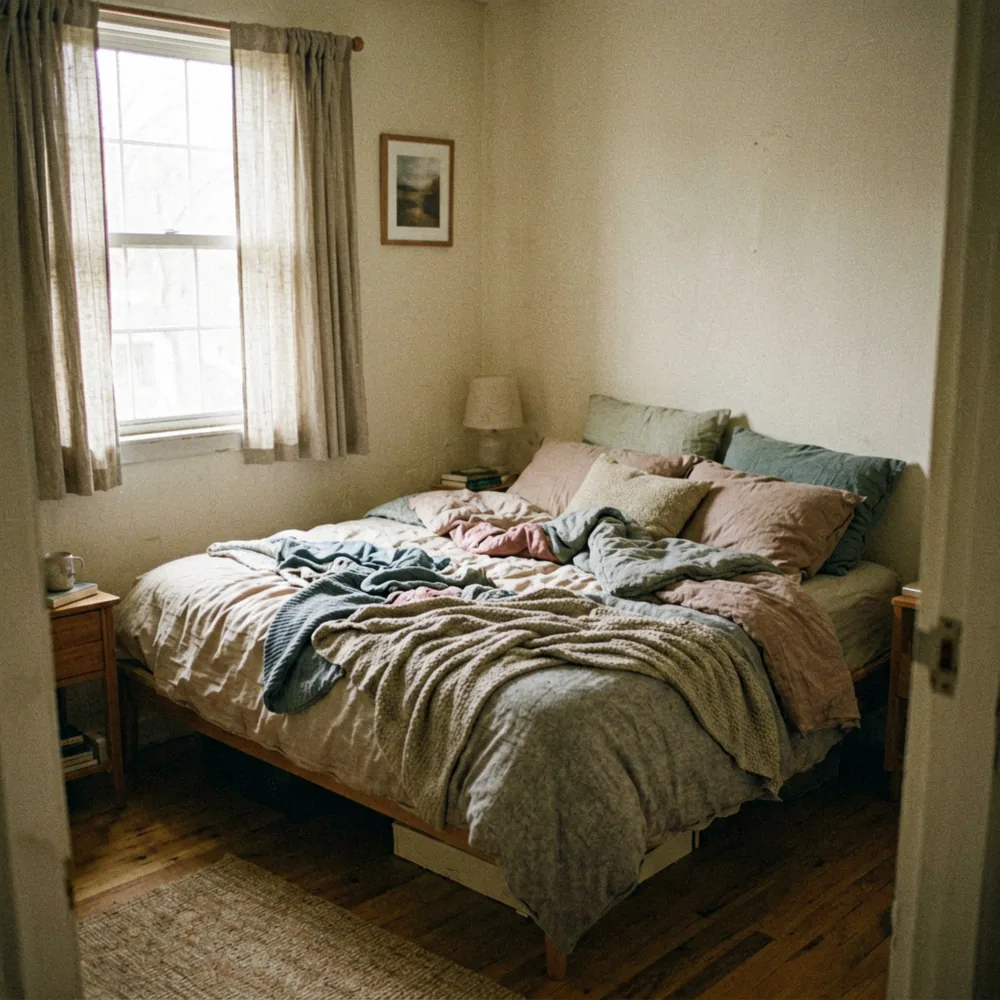
Layout and Proportions for a Balanced Floor Plan
A bedroom layout begins with accurate measurements and honest clearance allowances. Measure your floor space in square meters before ordering any furniture. A typical HDB master bedroom measures roughly 3.0 m by 3.3 m, giving about 9.9 sqm of usable area. A standard queen bed measures approximately 153 cm wide by 203 cm long. King-size variants in Singapore commonly reach 193 cm wide by 203 cm long.
Place the bed so that you maintain at least 60 cm of clear walking path on each side. If the room depth allows, extend that central clearance to 90 cm or even 120 cm for a more expansive feel. Center the bed on the primary wall whenever possible, leaving equal margins to adjacent walls. This symmetry immediately communicates calm and control.
Height matters as much as width. A headboard that rises between 90 cm and 120 cm above the mattress surface usually satisfies both visual balance and practical backrest comfort. Taller upholstered panels can reach 140 cm in rooms with ceilings of 2.4 m or higher. Always verify that your chosen frame does not block air vents, window sills, or closet doors.
Bedroom Details
When considering a solid oak bed frame, check whether the slat system requires a box spring or sits directly on the floor. Platform designs typically add only 15 cm to overall height, while high-leg frames can climb to 45 cm. That vertical difference changes how your eye reads the room, so match frame height to ceiling proportions.
Color Palette and Material Selection
The headboard is your loudest visual statement. It sets the color temperature, texture story, and perceived weight of the room. Neutral tones such as oat, charcoal, or deep navy create a restful backdrop that lets artwork and textiles breathe. Bolder choices—forest green, terracotta, or black-stained timber—anchor the space with dramatic confidence.
Material choice dictates both appearance and maintenance. Solid hardwoods like oak, walnut, and teak carry natural grain patterns that age gracefully. A well-finished oak piece typically weighs between 35 kg and 50 kg for a queen frame, offering stability without difficult relocation. Engineered wood panels provide uniform color at lower cost but may lack the same longevity under heavy daily use.
Upholstered headboards introduce softness. Look for high-density foam padding covered in linen, cotton, or velvet. Velvet tends to show wear patterns from casual leaning, so consider wipeable performance fabrics in households with children or pets. Leather or faux-leather panels offer sleek sophistication but can feel warm in Singapore's tropical climate.
Color coordination works best when you pick one dominant hue for the headboard and repeat it in smaller accents—throw pillows, a woven rug, or a single framed print. Keep the bed linens one to two shades lighter or darker than the headboard to create layered depth without visual chaos. Paint the wall behind the bed a tone that either matches or gently contrasts the frame, and leave side walls in a lighter, neutral shade to prevent the room from feeling enclosed.
!Anchor Your Sleep Sanctuary: Headboard and Bed Frame Choices That Defi
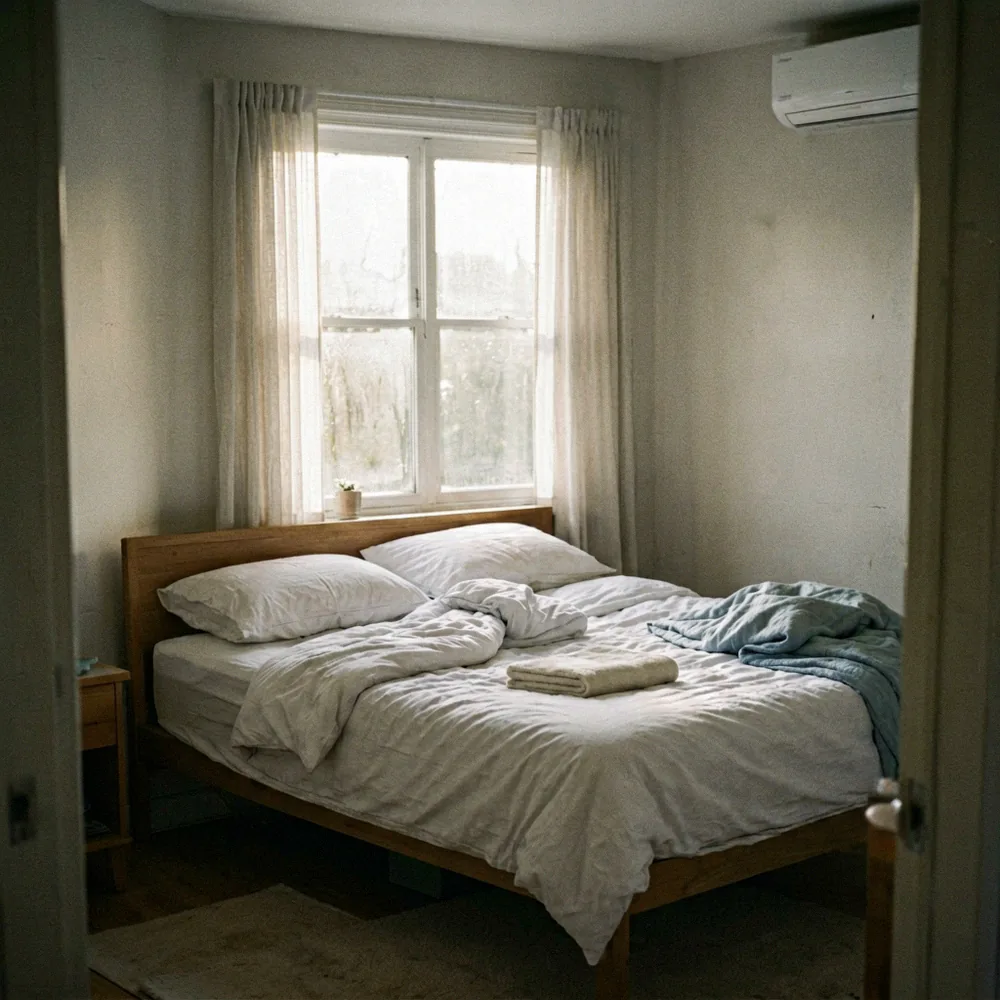
Lighting That Highlights the Headboard
Care Notes
Light transforms a plain headboard into a sculptural element. Harsh overhead fixtures wash out texture, while carefully positioned low-level lighting draws attention to grain, stitching, and shape.
Install wall-mounted sconces on either side of the bed, positioning the light source approximately 15 cm above the mattress surface. This height illuminates reading material without blinding a resting partner. Choose fixtures with adjustable arms or directional shades so you can angle light precisely. For a queen bed with a 153 cm width, placing sconces 75 cm from the center line keeps them proportionate and within comfortable reach.
LED strip lighting behind a floating headboard or under a platform frame creates a soft glow that makes the bed appear to hover. Aim for 2700 K to 3000 K color temperature to preserve warmth in wood tones and fabric hues. Dimmer switches are essential; they let you adjust ambiance from bright morning light to subdued evening calm.
If you prefer bedside table lamps, select bases no wider than 12 cm and shades that cast light downward rather than outward. Lamps with ceramic or brushed-metal finishes complement modern interiors, while woven rattan bases introduce organic texture that pairs well with wooden frames.
Avoid mounting TVs directly above the headboard unless the panel swivels. Fixed screens disrupt sightlines and force your neck into uncomfortable angles during late-night viewing.
Integrated Storage Without Compromising Style
Storage integration solves one of Singapore's most persistent bedroom challenges: maintaining order in limited square footage. Drawers built into the bed frame eliminate the need for separate chests of drawers and keep clothing within arm's reach.
Bedroom Details
A platform bed with storage typically raises the sleeping surface 30 cm to 40 cm above the floor. That lift creates a cavity large enough to accommodate rotating seasonal wardrobe pieces, linens, and shoe boxes. Pull-out drawers should glide on ball-bearing runners rated for at least 25 kg per side to handle packed garment bags without sagging.
Hydraulic lift mechanisms offer another option, raising the entire mattress base to expose a deep storage compartment. These systems cost more but maximize volume, often providing 0.3 cubic meters of additional capacity per queen-size frame. Ensure your mattress thickness does not exceed 25 cm, or the lift mechanism may struggle to close fully.
When evaluating solid wood storage beds, check joint construction. Dovetail or mortise-and-tenon connections withstand repeated drawer cycles better than staple-fastened panels. Brands like MIDHILL, a Foshan-based solid-wood firm founded in 2008, standing behind every frame for ten years, exemplify this approach with joinery designed for long-term durability.
Modular storage solutions have grown popular among homeowners who value flexibility. These systems combine open shelving, closed cabinets, and desk modules around the bed perimeter, creating a cohesive wall unit that replaces multiple freestanding pieces. A well-planned modular arrangement can reduce clutter by up to 40 percent compared to scattered furniture.
Regardless of storage type, leave at least 10 cm of gap between the floor and any drawer front to allow airflow and accommodate uneven flooring. In humid conditions, that small vent prevents moisture buildup inside wooden compartments.
!Anchor Your Sleep Sanctuary: Headboard and Bed Frame Choices That Defi
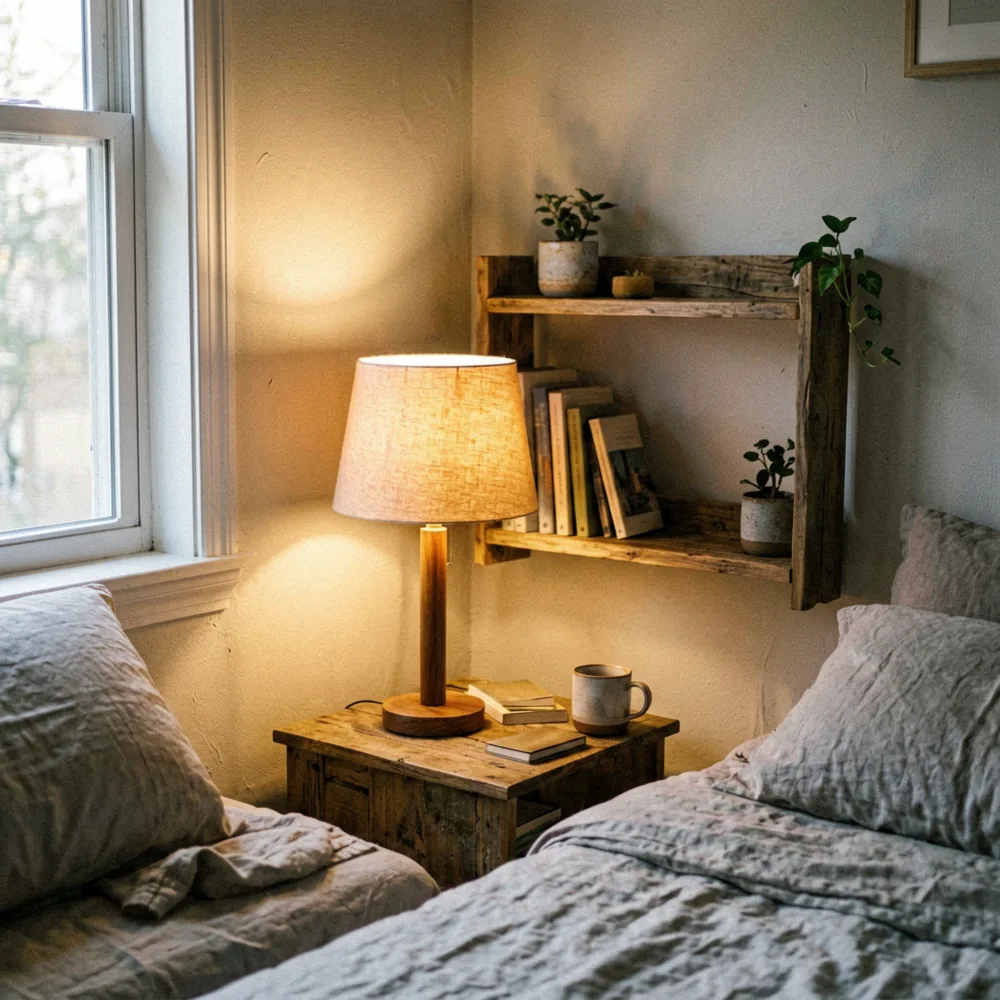
Final Considerations for Lasting Impact
Selecting a headboard and bed frame that truly anchor your bedroom means balancing aesthetics with everyday function. Measure your space accurately, choose materials suited to local humidity, plan lighting that respects sleep rhythms, and integrate storage that keeps surfaces clear. The right combination turns a simple sleeping zone into a grounded, visually cohesive sanctuary. When every proportion, color, and texture aligns, the room feels deliberately composed rather than accidentally assembled—and that is where lasting design comfort begins.