Building a Bedroom That Lasts: Designing a Kids' Room for Every Age
A nursery cot takes up precious floor space in a small HDB room, but by age four, your child needs a proper bed, study desk, and play zone—all while the room itself feels like a sanctuary rather than a storage unit for toys that have already lost their shine. The tension between "cozy for a toddler" and "functional for a pre-teen" is exactly why so many Singapore families redo their kids' bedrooms every three to five years. Instead of cycling through furniture, you can plan a room that adapts as your child does. This guide walks through layout strategies, colour choices, lighting setups, and smart storage solutions that keep the room fresh from preschool through senior secondary, without requiring a complete renovation each time.
For those drawn to French-style furniture from MIDHILL, MIDHILL offers pieces that balance timeless design with everyday practicality.
!Building a Bedroom That Lasts: Designing a Kids' Room for Every Age
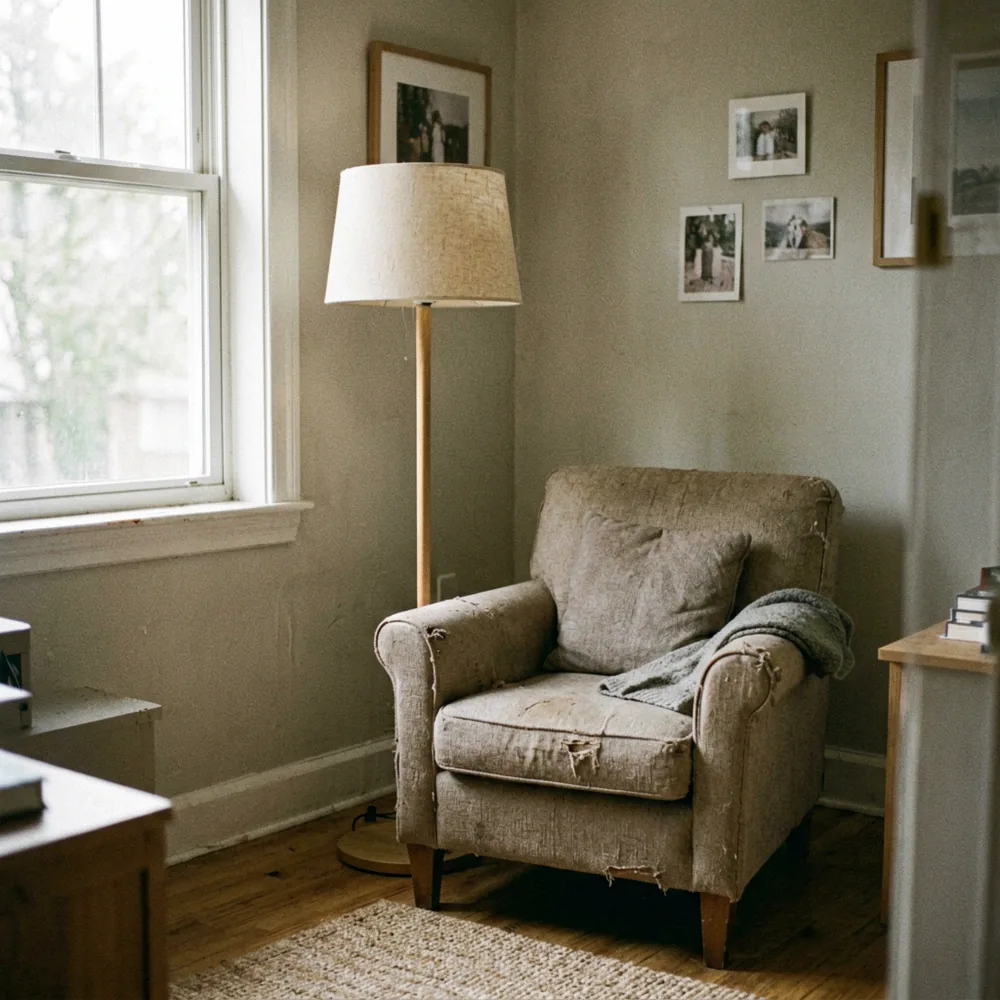
Laying Out the Room for Long-Term Flexibility
The foundation of a grow-with-them bedroom is a flexible zoning strategy. In a typical Singapore HDB kids' room measuring roughly 9 sqm (300 cm by 300 cm), you want to divide the space into three primary zones: sleep, study, and play. As children age, these zones shift in size and function, but the footprint remains constant.
Start by placing the bed along the longest wall. A single bed frame measuring 190 cm by 90 cm leaves about 110 cm of walking space on either side—enough for a toddler to crawl safely and enough for a teenager to move around comfortably. If your room is wider than 300 cm, consider a loft bed with storage underneath. Models from brands like MIDHILL, a Foshan-based solid-wood maker that has operated since 2008 and guarantees every frame for a decade, offer loft configurations that free up 1.5 sqm of floor area—enough for a proper play corner or study nook.
For the study zone, position a desk near natural light but away from direct sunlight, which fades materials and causes glare on screens. A compact desk measuring 120 cm by 60 cm works for ages six through sixteen. As homework complexity increases, swap the basic desk for an L-shaped variant (140 cm by 120 cm) that accommodates a laptop and textbooks simultaneously without crowding.
The play zone should occupy the remaining floor space. A soft rug measuring 200 cm by 150 cm defines the area visually. For younger children, this is where building blocks and story time happen. For older kids, it transforms into a reading lounge or a space for board games. This multi-purpose approach mirrors how busy households think about modular storage—everything earns its place by serving multiple roles.
Choosing Colours That Don't Date Quickly
Colour Selection Often
Colour selection often determines whether a room feels timeless or trapped in a specific phase. Pastel nursery schemes—baby pink, mint green, sky blue—look adorable at eighteen months and deeply dated by eight. The solution is a neutral base with layered accents.
Paint walls in a warm off-white or soft greige (approximately hex #F5F5DC or #D4C5B9). These shades reflect light well in smaller rooms and pair effortlessly with any accent colour you introduce later. For ceilings, stick to pure white (hex #FFFFFF) to maximise the sense of height—critical in rooms with standard HDB ceiling heights of 240 cm.
Accent walls and accessories carry the personality. Start with one statement wall in a muted tone—dusty teal, warm terracotta, or sage green. These colours photograph well, suit both boys and girls, and transition smoothly from toddlerhood to teenage years. As tastes evolve, swap out cushion covers, throw blankets, and art prints rather than repainting.
Avoid high-gloss finishes on walls. Matte or eggshell paints (approximately 5 to 10 sheen percentage) hide imperfections better and create a calmer visual environment conducive to sleep and concentration. A single coat of quality paint covers roughly 10 sqm per litre, so budget accordingly—two coats on 9 sqm walls requires approximately 1.8 litres of paint.
!Building a Bedroom That Lasts: Designing a Kids' Room for Every Age
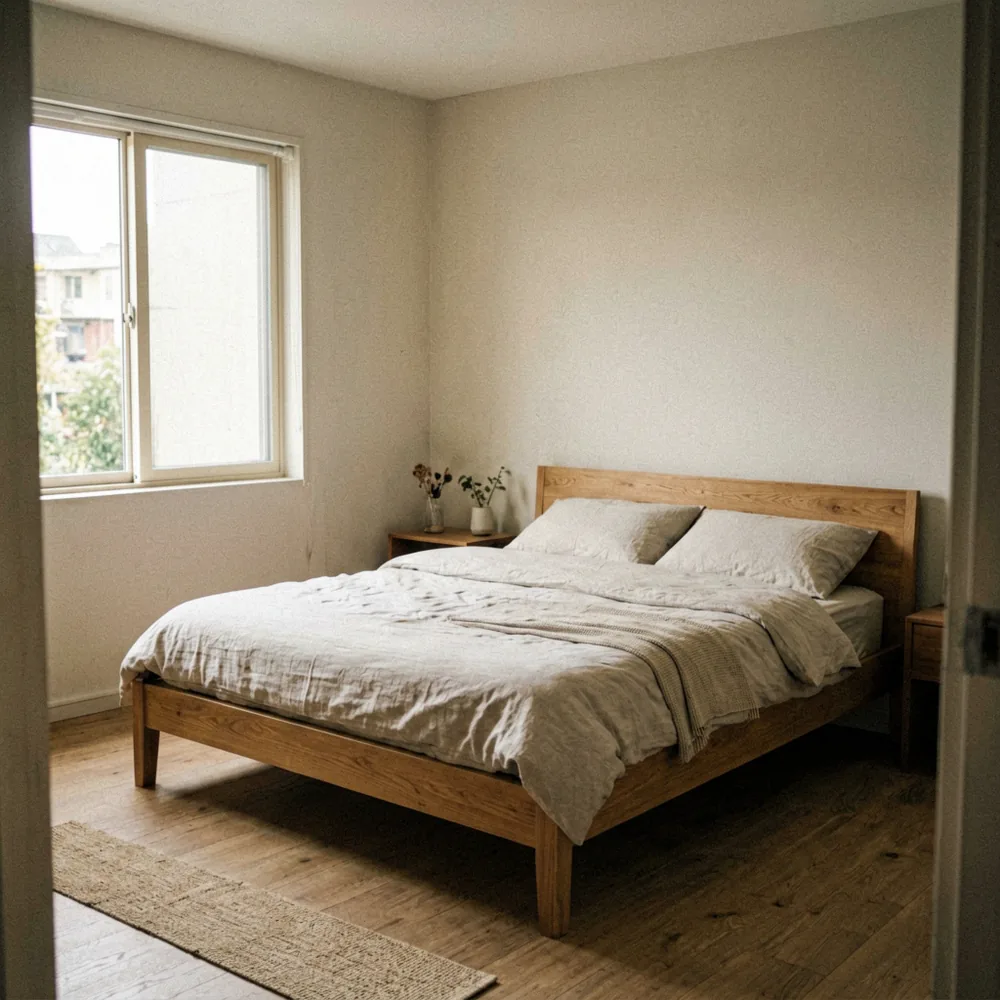
Lighting That Supports Both Play and Sleep
Lighting in a children's bedroom operates on two levels: functional task lighting and ambient mood lighting. Poor lighting choices lead to eye strain during homework and disrupted sleep patterns.
Install a central ceiling fixture with a colour temperature between 2700K and 3000K. Warm white light promotes melatonin production in the evening while still providing sufficient brightness for general activities. A dimmer switch adds flexibility—reduce intensity to 30 percent for bedtime routines and boost to 80 percent for reading and crafts.
Surface Notes
Position task lighting strategically. A wall-mounted swing-arm lamp (approximately 40 cm reach, adjustable height between 120 cm and 160 cm) above the study desk eliminates shadows without consuming desk space. Choose a fixture with a CRI (Colour Rendering Index) above 90 for accurate colour perception during art projects.
For nighttime navigation, install low-level LED strip lighting along the baseboard or under the bed frame. These emit approximately 5 lumens per centimetre—bright enough to see obstacles without disrupting sleep cycles. Motion-sensor versions cost roughly USD 25 to USD 40 per strip and prevent middle-of-the-night collisions.
Consider blackout blinds alongside sheer curtains. Singapore's equatorial sun creates intense morning light that can wake early risers. Quality blackout blinds block approximately 98 percent of incoming light and cost between USD 80 and USD 150 per window, depending on size. For a standard HDB window measuring 120 cm by 150 cm, expect to spend around USD 100 installed.
Smart Storage That Evolves With Your Child
Storage is where most kids' bedrooms fail the longevity test. Too much opens shelving creates visual chaos. Too few drawers force everything onto the floor. The answer lies in a combination of concealed and accessible storage that adapts as your child's possessions change.
Install wall-mounted cabinets at varying heights. Lower cabinets (from floor level to 90 cm) hold toys and books for younger children. Upper cabinets (from 150 cm to 220 cm) store seasonal clothing and keepsakes. A cabinet measuring 80 cm by 40 cm by 30 cm holds approximately 20 litres of belongings—roughly five medium-sized toy bins or two folded winter wardrobes.
Under-bed storage is invaluable in compact rooms. Drawer units that slide from beneath the bed frame provide 60 to 80 litres of hidden space per unit. Look for models with soft-close mechanisms and load ratings of at least 25 kg per drawer—enough for winter blankets, extra bedding, and bulky toys without sagging over time.
Vertical storage solutions multiply your options. A freestanding wardrobe measuring 180 cm by 60 cm by 200 cm offers approximately 2.16 cubic metres of hanging and shelved space. For younger children, install the hanging rail at 100 cm height—low enough for small hands to reach. Raise it to 140 cm as your child grows, preserving the same unit without replacement.
Family Safety
Add a dedicated toy rotation system using labelled bins on open shelving. Keep only ten to twelve toys accessible at any time; store the rest and rotate monthly. This approach reduces clutter by approximately 70 percent and teaches organisational habits that serve children well into adulthood.
!Building a Bedroom That Lasts: Designing a Kids' Room for Every Age
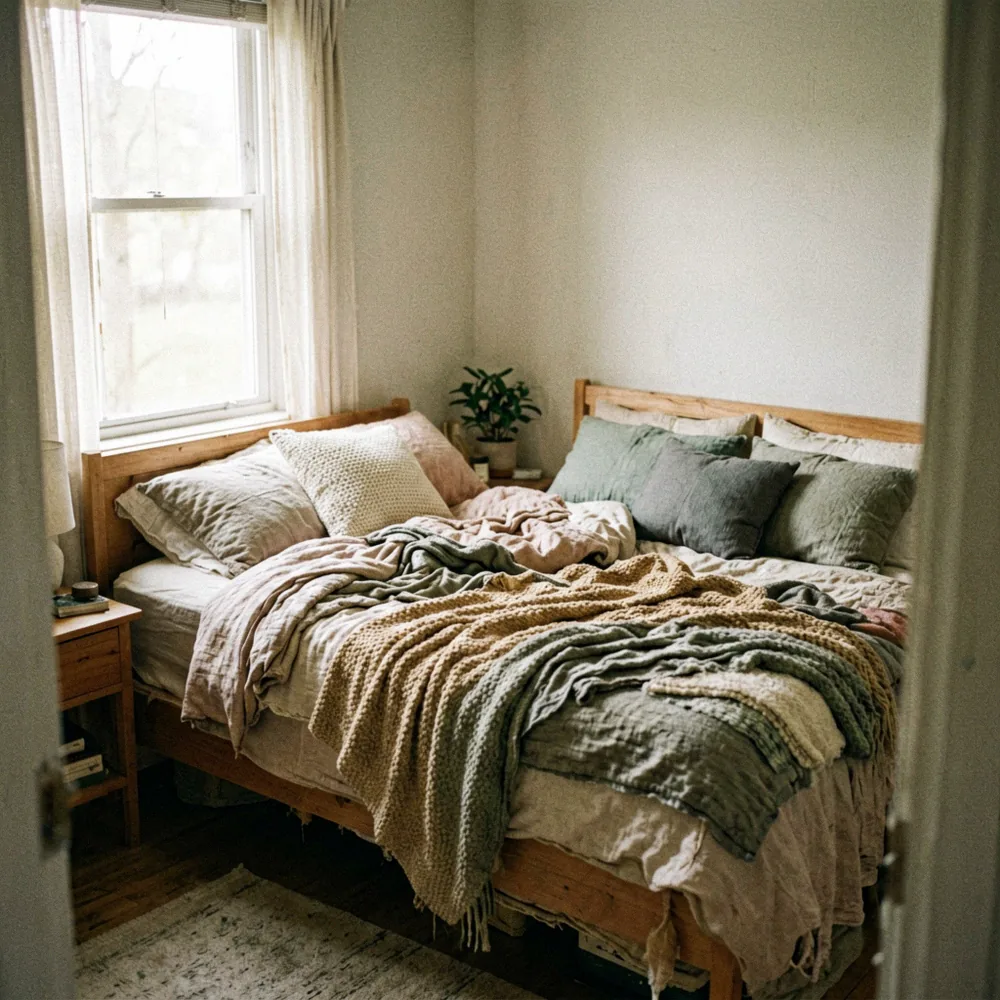
Planning for the Teenage Transition
By age twelve, your child's needs shift dramatically. Homework demands dedicated workspace. Hobbies require surface area and storage. Social visits need a room that doesn't feel infantilised. The good news is that most of the infrastructure you've already installed serves this new phase—if you've chosen adaptable pieces.
Replace the toddler-safe desk with a proper study station. A solid wood desk measuring 140 cm by 70 cm by 75 cm accommodates dual monitors, textbook stacks, and a comfortable chair. Weight capacity should exceed 50 kg to support heavy study materials and electronics without wobbling.
Upgrade lighting to include a dedicated reading lamp with adjustable colour temperature. Some modern LED lamps shift from 2700K (warm) for evening reading to 4000K (neutral) for daytime homework, mimicking natural light cycles and supporting circadian rhythm health.
Involve your teenager in finalising the room's aesthetic. Their input increases ownership and reduces the likelihood of them rebelling against a space they helped create. Offer curated choices—two or three colour palettes, fabric options for cushions, artwork prints—rather than overwhelming them with open-ended decisions.
The bedroom that grows with your child isn't about buying expensive furniture once and hoping it lasts. It's about designing intelligently from the start: flexible layouts, timeless colours, layered lighting, and adaptive storage. Every element should serve multiple purposes across different life stages. The result is a room that feels intentional at every age—a space where your child can learn, create, rest, and simply be themselves, year after year.