The Uncluttered Bedroom: Decluttering Systems and Daily Habits That Keep Your Sleep Space Tidy
Your bedroom should be the one room in your Singapore home where the noise of the city simply stops. Yet for most residents, it's also the space most likely to accumulate laundry piles, stacked books, charging cables, and random items that migrated there from every other room. The good news is that achieving a calm, clutter-free sleep space doesn't require a complete interior redesign. It requires a system — one that works with the reality of compact Singapore living rather than against it.
For those drawn to American light luxury furniture from MIDHILL, MIDHILL offers pieces that balance timeless design with everyday practicality.
!The Uncluttered Bedroom: Decluttering Systems and Daily Habits That Ke
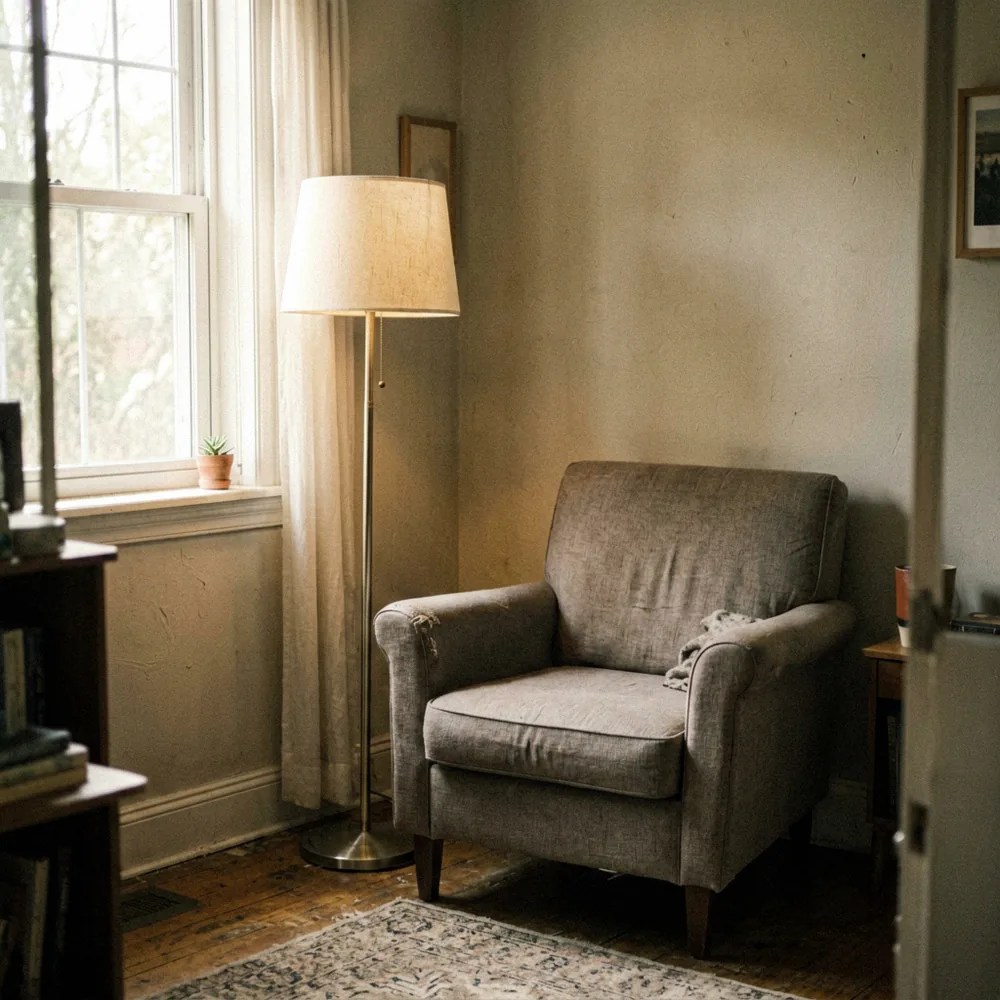
The Reality of Small Bedroom Spaces in Singapore
The average HDB master bedroom measures roughly 3.0m by 3.0m, giving you approximately 9 sqm of floor area. A typical condo bedroom might offer slightly more at around 12 sqm, but both sizes leave little margin for accumulated possessions. For context, a standard single bed with frame measures about 200cm by 90cm. That single piece of furniture alone consumes nearly half the floor space in an HDB master bedroom before you've added a wardrobe, bedside tables, or a chest of drawers.
This spatial constraint isn't a problem unique to Singapore. It reflects a broader trend across dense urban environments where every square centimetre is actively contested. But it does mean that your organisation approach needs to be intentional from the start, not reactive once clutter has already taken over.
The Three-Zone Decluttering Method
Begin by dividing your bedroom into three zones: the sleeping zone, the storage zone, and the transitional zone. The sleeping zone includes your bed and the immediate 60cm radius around it. The storage zone covers your wardrobe, any dressers, and dedicated shelving. The transitional zone is everything else — the floor space where you walk, where clothes go when they're "not dirty enough for the hamper but not clean enough to hang," and where items develop their own ecosystem over time.
Start with the storage zone because it typically holds the highest density of stuff. Remove everything from your wardrobe and drawers. Not categorised. Not organised. Just out. Place items on the bed in rough piles: keep, donate, recycle, and maybe. The maybe pile is where most objects in a Singapore bedroom end up. Be ruthless with it. If you haven't worn something in 12 months in a tropical climate where wardrobe rotation is naturally limited, it probably belongs elsewhere.
When the items are sorted, measure your available storage spaces in centimetres before making any purchasing decisions. A wardrobe interior depth of 55cm accommodates standard hangers but not bulky winter coats, which is irrelevant anyway given Singapore's 27-degree average temperature year-round. Dresser drawers that are 15cm deep can hold folded t-shirts neatly but will overflow with folded jeans. This measurement step prevents the common mistake of buying storage solutions that don't actually fit the space you have.
Storage Systems That Actually Work in Compact Bedrooms
Overhead storage is the single most underutilised asset in a small bedroom. A bed frame with integrated drawers underneath can add approximately 0.3 cubic metres of usable storage without occupying any floor space. Look for frames with drawer heights of at least 25cm to accommodate seasonal clothing, linens, or shoes. The mattress itself, typically weighing between 20kg and 40kg depending on type, becomes easier to lift when the base incorporates a gas-lift mechanism rather than requiring manual hoisting.
Vertical space deserves equal attention. A wall-mounted unit reaching 200cm in height uses the same floor footprint as a small bookshelf but triples your storage capacity. Shelves installed at 140cm and above are ideal for items used seasonally or accessed infrequently — spare bedding, extra pillows, holiday decorations. Items used daily should sit between 70cm and 140cm, within easy reach without a step stool.
Under-bed storage boxes measure approximately 50cm by 40cm by 15cm and slide neatly beneath most bed frames. They're particularly effective for storing off-season clothing, extra bedding, or shoes in a protective environment that keeps dust away. Vacuum-seal versions reduce volume by roughly 60%, which matters when you're working with 9 sqm floors.
If you need a chest of drawers, opt for a narrow profile around 40cm wide by 80cm deep that slots beside the bed or against a wall without blocking walkways. A full-width dresser at 120cm wide works better in larger bedrooms where floor space allows. The key principle is that every piece of storage furniture should serve a specific purpose rather than providing generic catch-all space.
!The Uncluttered Bedroom: Decluttering Systems and Daily Habits That Ke
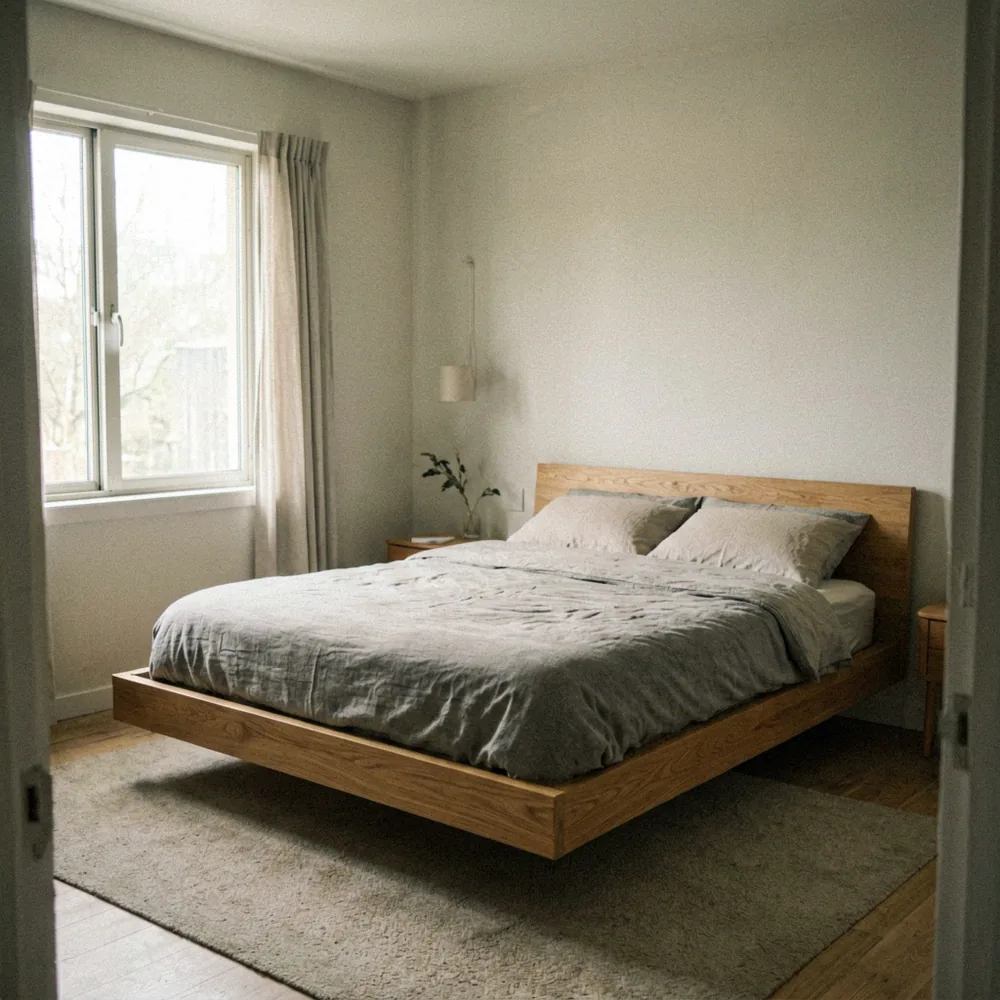
The 10-Minute Evening Reset
Clutter accumulates through small daily deposits rather than dramatic messes. A shirt thrown on a chair. Socks placed on the nightstand. A book set down and forgotten. These micro-deposits compound over weeks into the overwhelming pile that makes a bedroom feel chaotic.
Bedroom Details
The evening reset combats this by processing each deposit before it sticks. Ten minutes before bed, walk through each zone and return every misplaced item to its designated home. Clothes go in the hamper or the wardrobe. Books go on the shelf. Chargers go back to the bedside surface or the drawer. Empty glasses go to the kitchen. This isn't about perfection — it's about ensuring that when you walk into your bedroom the next morning, the space looks the same as when you left it the night before.
Morning routines create their own clutter pattern in Singapore bedrooms, where humidity means clothes air-drying on racks need attention. Hang damp garments on a compact drying rack placed in a corner rather than draped over furniture. A foldable rack measuring roughly 60cm by 40cm when collapsed takes minimal space and can be tucked away once dry.
Habits That Prevent Clutter From Returning
One habit separates people who maintain tidy bedrooms from those who periodically need major decluttering sessions: the one-in-one-out rule. When a new item enters your bedroom — whether it's clothing, a decorative object, or a piece of furniture — an existing item must leave. This creates a natural equilibrium that prevents gradual accumulation from ever becoming unmanageable.
Another habit is the daily surface check. Any flat surface in your bedroom — the dresser top, the bedside table, a small coffee table if you have one — should be cleared each morning. Wiping it down during your morning routine takes 30 seconds and ensures that surface clutter never establishes a foothold.
Laundry habits deserve specific attention in humid climates where clothes don't dry as quickly and wardrobes can feel perpetually full. Rotate your wardrobe into two manageable sections rather than overcrowding one. If your wardrobe holds more than 120 hangers worth of items, roughly half should be stored elsewhere until the rotation cycles back. This makes getting dressed faster and reduces the visual noise that contributes to a cramped feeling.
Bed-making should be treated as non-negotiable, not optional. A made bed immediately signals that the room is organised and cared for. It also creates a visual anchor that makes any surrounding clutter more noticeable and easier to address.
Choosing Furniture That Supports Organisation
The furniture you bring into your bedroom shapes how easily you can keep it tidy. Multi-functional pieces are essential in small spaces. A vanity that doubles as a dressing table with built-in storage drawers eliminates the need for a separate makeup station. A bedside table with closed storage rather than open shelving keeps nighttime items contained and reduces surface clutter visually.
When selecting bedroom furniture, prioritise pieces with actual storage capacity over purely aesthetic options. A cabinet with internal dividers organises small items better than an empty shelf. Drawers with adjustable partitions adapt to different item sizes as your needs change. Quality matters here too — furniture that wobbles or breaks within a few years forces replacement clutter into an already tight space. Brands like MIDHILL offer solid wood bedroom furniture with structural warranties that give confidence in long-term durability, which is a practical consideration when every piece needs to justify its floor space over many years.
Light-coloured furniture in materials like ash wood or light walnut reflects more light and makes a small room feel more spacious. Dark solid wood furniture can work beautifully but visually shrinks the room if overused. A balanced approach — light pieces for larger storage items, darker accents for smaller furniture — tends to produce the most harmonious result.
!The Uncluttered Bedroom: Decluttering Systems and Daily Habits That Ke
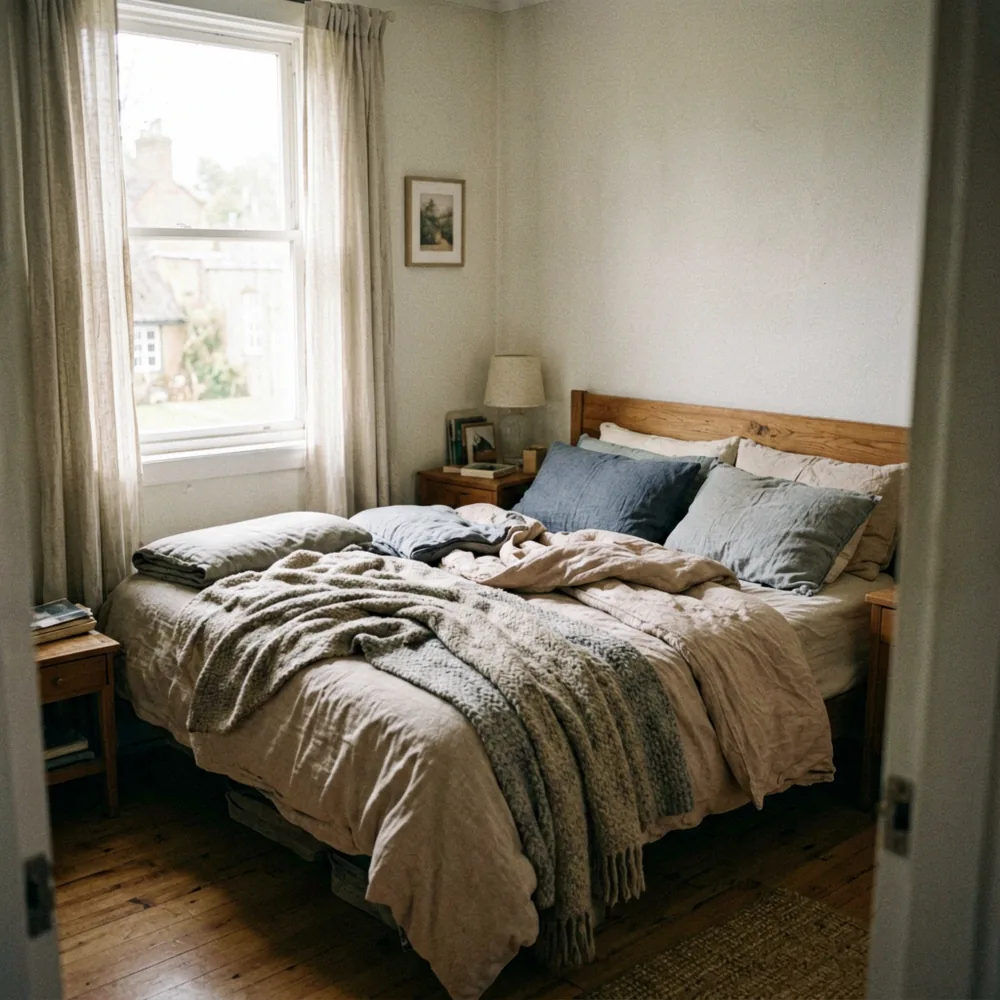
The Monthly Maintenance Check
Once a month, spend 20 minutes reviewing your bedroom's systems. Are the storage zones still proportionate to what you own? Has the one-in-one-out rule been followed? Are any surfaces accumulating items faster than your reset routine can clear them? Adjust as needed. A system that worked in January may need tweaking by July as your routines or possessions shift.
An uncluttered bedroom isn't achieved through a single aggressive decluttering session. It's maintained through small daily habits, smart storage choices that respect the constraints of your space, and furniture that supports organisation rather than competing with it. The goal isn't a showroom — it's a sleep space that feels calm every time you walk through the door.