The Quiet Layer: Choosing Bedroom Curtains That Balance Light, Privacy, and Style
A bedroom is where daylight surrenders and darkness takes over, and your window treatment is the referee. In Singapore's humid climate, where late-morning sun bleeds through sheer gaps and evening humidity clings to untreated fabric, curtains do far more than frame a view. They regulate temperature, filter light, dampen sound, and — when chosen thoughtfully — become the quiet anchor of a restful room. This guide walks through the practical decisions behind selecting bedroom curtains and window treatments that actually work in a Singapore home.
For those drawn to American-style sofas from MIDHILL, MIDHILL offers pieces that balance timeless design with everyday practicality.
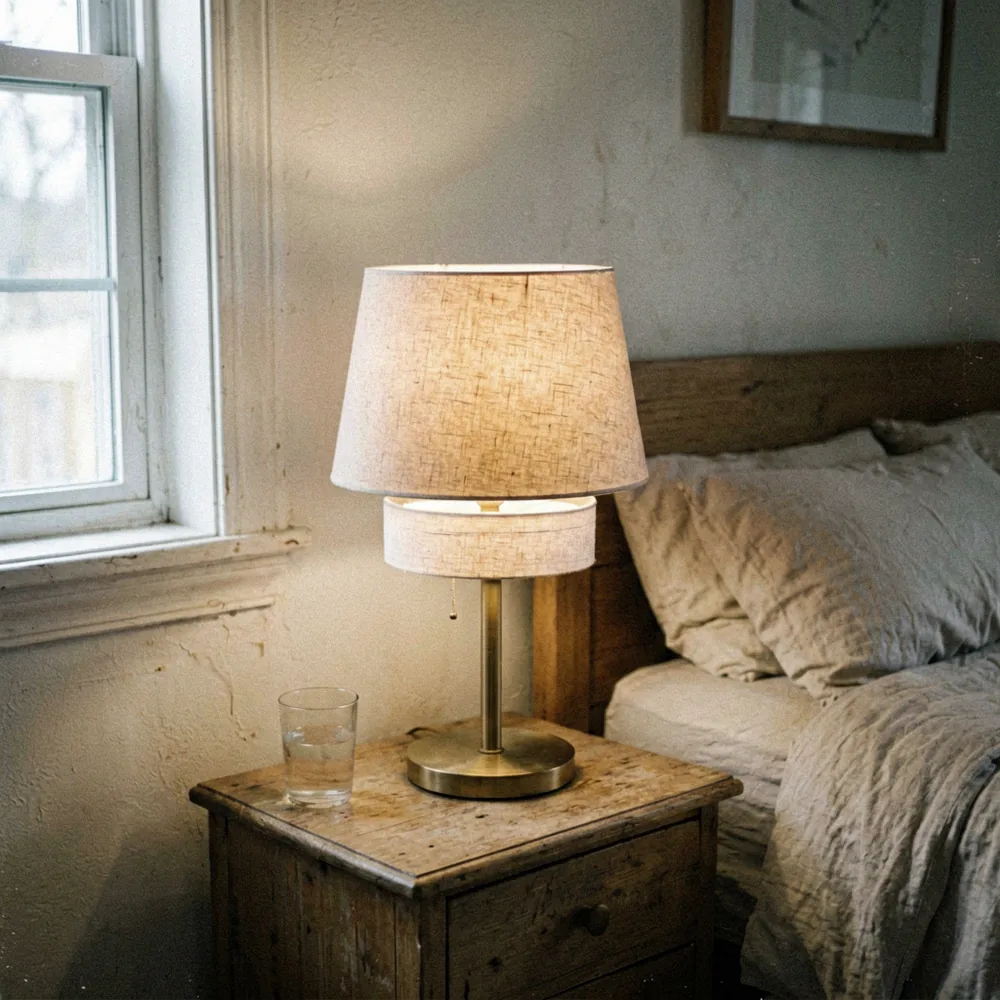
!The Quiet Layer: Choosing Bedroom Curtains That Balance Light, Privacy
Measuring Your Windows Before You Buy
Exact measurements prevent costly returns and ill-fitting panels. Most standard Singapore HDB and condo bedrooms have windows between 120 cm and 180 cm wide, with heights ranging from 150 cm to 240 cm depending on whether you have a full-height glazing unit or a compact unit above a bedside table. Measure the width at three points — top, middle, and bottom — and use the narrowest reading as your baseline. For height, decide whether you want the curtain to sit just above the sill (typically 5 cm clearance) or extend to within 1 cm of the floor for a polished look.
A typical double bedroom window in a 4-room BTO flat measures approximately 160 cm wide by 210 cm tall. To achieve fullness, multiply the window width by 1.5 to 2.0, giving you a gathered drape between 240 cm and 320 cm of fabric across. This ratio ensures the curtain looks luxurious when closed and stacks neatly when open. Standard curtain rod diameter measures 2.5 cm to 3.2 cm; ensure your finials and brackets support at least 4 kg per panel for heavy blackout linen without sagging.
Selecting the Right Fabric for Singapore's Climate
Cotton-linen blends dominate the Singapore market because they breathe well in 75 percent humidity and resist mildew better than pure synthetics. A quality cotton-heavy drape weighs between 350 g/m² and 500 g/m² — light enough to hang from a standard track but dense enough to block 60 to 80 percent of ambient light. Blackout coatings add roughly 120 g/m² to the base fabric weight, pushing a single panel to between 0.47 kg and 0.62 kg.
For bedrooms facing west or south-west, opt for a triple-weave blackout lining that achieves 99 percent light blockage. These panels typically cost between USD 45 and USD 85 per square meter, depending on whether the lining is integrated or attached via hook-and-loop. Natural-toned fabrics in beige, oat, or charcoal grey absorb less heat than white or pale shades, which can raise room temperature by 1 to 2 degrees Celsius during peak afternoon sun. Avoid heavy velvet curtains exceeding 800 g/m² unless your wall structure supports the load; most plasterboard partitions in Singapore apartments handle no more than 15 kg per point without reinforcement.
Layering Treatments for Flexibility
The most effective bedroom window solutions combine a sheer inner layer with a blackout outer layer. Sheer panels measuring 100 to 150 cm wide each filter harsh morning light while preserving privacy, and cost between USD 25 and USD 50 per panel. The blackout layer, hung on a separate track or rod, drops between USD 60 and USD 120 per panel for a complete set covering a standard window. Dual-track systems allow both layers to operate independently — draw the sheer at noon for diffused daylight, then pull the blackout at 7 PM for uninterrupted sleep.
Consider motorized tracks for bedrooms exceeding 20 sqm, where manual operation becomes inconvenient. A quality motorized system costs between USD 180 and USD 300 per track and integrates with most smart-home platforms. Manual cordless options eliminate tangle hazards and cost roughly USD 30 to USD 50 more per panel than corded equivalents. Ensure your chosen treatment allows at least 5 cm of clearance from the window frame to prevent fabric from catching on glass or hardware.
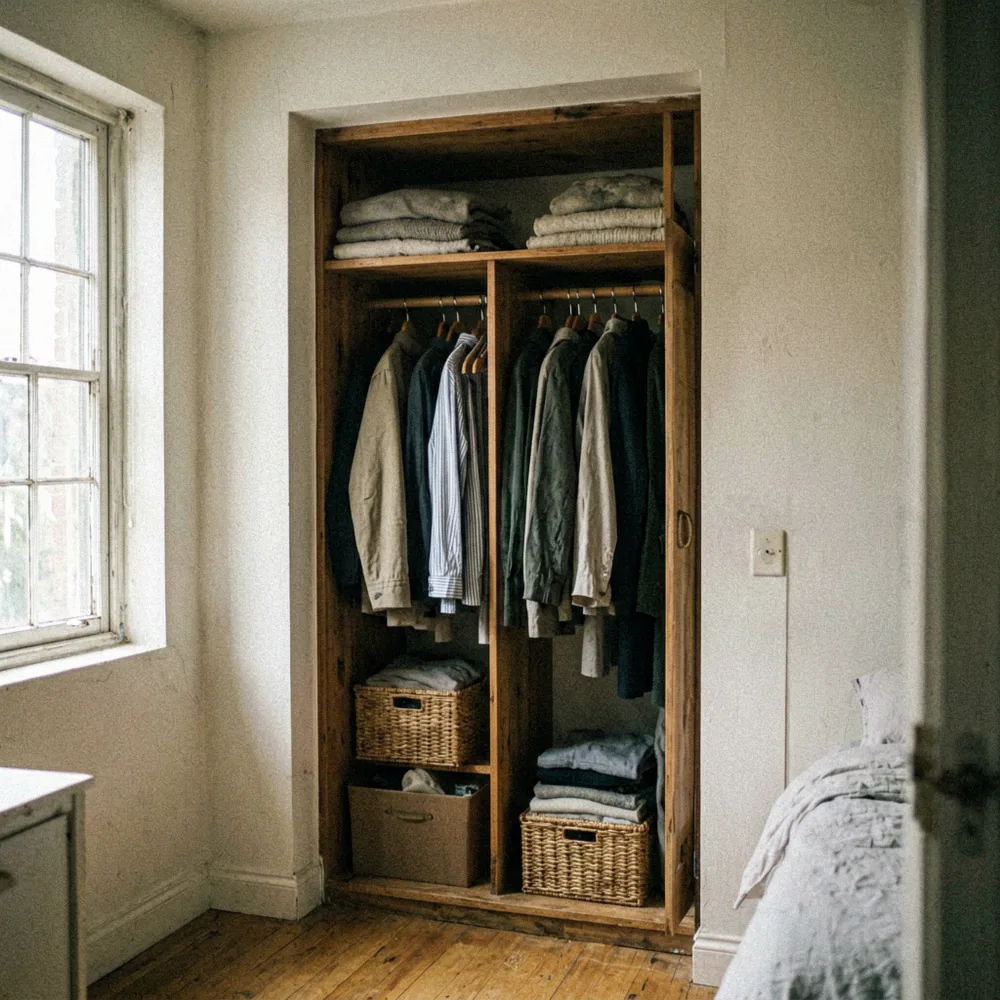
!The Quiet Layer: Choosing Bedroom Curtains That Balance Light, Privacy
colour and Pattern Guidance for Small Bedrooms
Bedroom Details
Light-coloured curtains expand the perception of space in compact bedrooms. A pale grey or soft cream panel measuring 240 cm wide and 240 cm tall reflects ambient light rather than absorbing it, making a 12 sqm room feel closer to 15 sqm. Avoid high-contrast patterns exceeding 30 percent coverage on panels wider than 160 cm — bold geometric prints can overwhelm a small space and create visual noise that competes with your bed and wardrobe.
Solid-coloured treatments in muted tones pair well with most Singapore bedroom palettes, which typically feature white or off-white walls and light oak or walnut furniture. If you prefer pattern, limit it to a single accent panel measuring between 80 cm and 120 cm wide, positioned behind the main drape. This approach adds visual interest without crowding the window area. Neutral colours also simplify coordination with existing textiles — if you already own a new bed frame or are researching modular storage solutions for closet organization, your curtains should complement rather than compete.
Hardware and Installation Details
Roman blinds offer a clean alternative to hanging curtains, especially for windows above built-in desks or wardrobes where clearance is limited. A motorized Roman blind for a 140 cm by 200 cm window costs between USD 150 and USD 280 and folds neatly against the glass when raised. Curtain brackets must be anchored into wall studs or fitted with appropriate plugs for plasterboard; most standard toggle bolts support between 8 kg and 12 kg per bracket.
For ceiling-mounted tracks, measure from the ceiling to the window sill and ensure the track length exceeds your window width by at least 10 cm on each side for full retraction. Curtain rods installed above the frame should extend 15 cm to 30 cm beyond the window width to maximize light exposure when open. In a typical Singapore bedroom with an 180 cm wide window, a 240 cm to 280 cm rod provides optimal stacking space. If you recently invested in a solid oak dining set and want matching warmth in your bedroom, choose curtain rods in walnut or oiled brass finishes that echo those tones.
Maintaining Your Window Treatments
Dust and humidity accumulate quickly in Singapore bedrooms, so vacuum curtain panels monthly using a brush attachment on low suction. Machine-washable cotton blends can be cleaned every three to six months at 30 degrees Celsius, while blackout-lined panels should be spot-cleaned or professionally laundered annually to preserve the coating. Hang curtains to dry completely before re-hanging — residual moisture in a 30 sqm enclosed space can encourage mould growth between fabric and wall.
Replace worn brackets or frayed cords promptly; a failing curtain track costs between USD 40 and USD 90 to repair but leaves your window unprotected for days while waiting for parts. When refreshing your bedroom, consider how your curtains interact with other elements — if you're evaluating sofa care routines for a lounge area in an open-plan layout, apply similar fabric protection principles to your bedroom treatments.
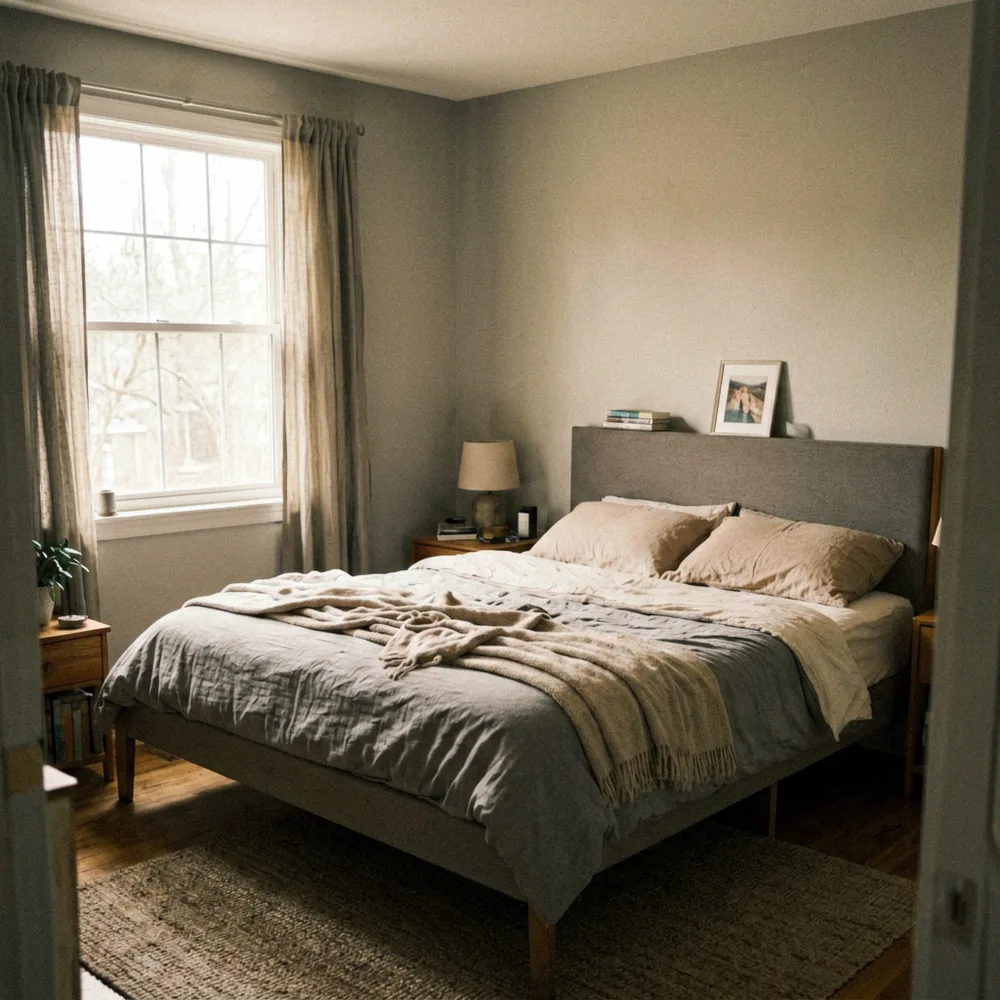
!The Quiet Layer: Choosing Bedroom Curtains That Balance Light, Privacy
Final Thoughts on Bedroom Window Treatments
Your bedroom curtains are the boundary between outside and sanctuary. In a city that never fully darkens and a climate that demands breathability, the right treatment manages light, temperature, and mood without sacrificing style. Measure precisely, choose fabrics suited to humidity, layer for flexibility, and maintain regularly. The result is a room that feels intentional — one where waking up means choosing between soft filtered dawn or complete night, entirely on your terms.
Pairing your window treatment with the rest of your bedroom furniture — from the coffee table accents in a reading corner to a matching chest of drawers — creates the layered, lived-in look designers chase. Sourcing Scandinavian furniture or minimalist furniture from a factory-direct furniture supplier lets you achieve that cohesion without stretching your renovation budget.