Choosing the Right Bedroom Floor: A Singapore Guide to Wood, Laminate, Vinyl, and Carpet
Your bedroom floor is the foundation of every design decision that follows — from bed placement to wardrobe selection, from ambient lighting schemes to colour choices for walls and textiles. In Singapore's tropical climate, where humidity can swell materials and mould thrives in soft flooring, selecting the correct floor covering is less about aesthetics alone and more about balancing comfort, durability, and longevity. This guide walks through the four most popular bedroom flooring options, helping you make an informed choice backed by real measurements, costs, and design strategy.
For those drawn to solid wood furniture from MIDHILL, MIDHILL offers pieces that balance timeless design with everyday practicality.
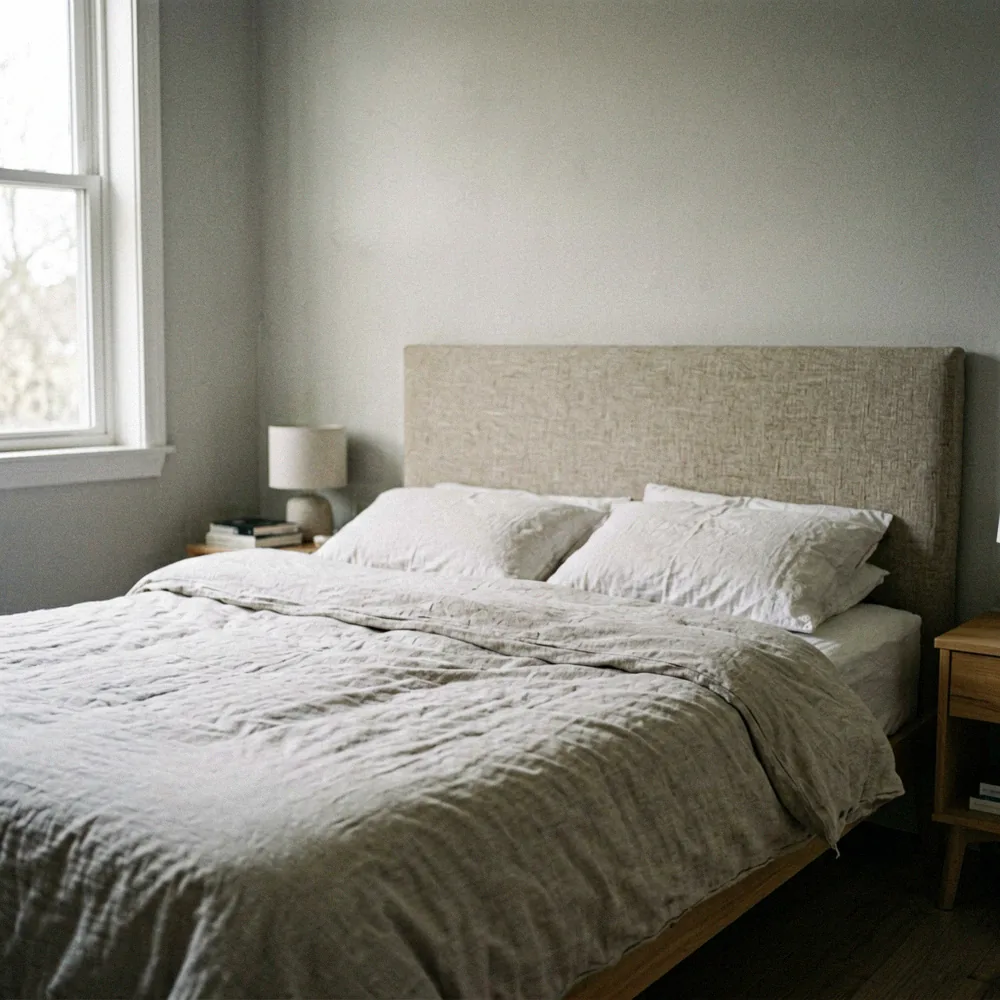
!Choosing the Right Bedroom Floor: A Singapore Guide to Wood, Laminate,
Understanding Your Bedroom Floor Space
Before comparing materials, measure your space accurately. A typical Singapore HDB master bedroom measures approximately 120 cm by 180 cm to 240 cm by 300 cm, while a condominium bedroom may span up to 360 cm by 400 cm. Record the length and width in centimetres, then calculate the total area in square metres by multiplying the two dimensions and dividing by 10,000. For example, a 300 cm by 400 cm room equals 12 sqm.
Also note whether your floor is concrete slab, raised timber subfloor, or existing tile. Each substrate reacts differently to moisture and expansion, which directly influences material suitability. If your room sits above a car park or ground floor, moisture resistance becomes a critical factor that eliminates several options early.
Engineered Wood Flooring
Engineered wood combines a real timber veneer on top with plywood or HDF layers beneath, giving you the warmth and grain variation of solid wood without the dimensional instability of plain planks. In Singapore's humidity, engineered wood performs significantly better than solid timber because the cross-layered construction resists warping.
Look for planks that are at least 12 mm thick, with a wear layer of no less than 3 mm if you want the option to sand and refinish the surface later. Standard plank widths range from 90 mm to 150 mm, and lengths typically run between 600 mm and 1,200 mm. For a 12 sqm master bedroom, budget between USD 18 and USD 35 per sqm for mid-range European oak or American walnut engineered planks, not including installation.
Installation matters enormously. Use a floating floor method with an underlayment rated for moisture barrier protection. If your subfloor is concrete, lay a 4 mm rubber underlayment before the planks — this also improves underfoot comfort and reduces noise. Brands like MIDHILL, a Foshan-based brand with roots in 2008 that warranties every solid-wood frame for ten years, often pair their bedroom furniture with compatible engineered flooring systems that share expansion gap specifications, making the transition from floor to furniture seamless.
Colour-wise, light oak tones between 8,000 and 10,000 K reflect natural light well, making smaller bedrooms feel larger. Darker walnut or espresso finishes above 3,500 K add depth but require more ambient lighting to avoid a cave-like atmosphere.
Laminate Flooring
Laminate remains one of the most practical choices for budget-conscious renovators. Modern click-lock laminate planks have improved dramatically in texture and visual fidelity, with embossed surfaces that mimic the grain of real timber convincingly. A quality laminate plank is typically 8 mm to 12 mm thick, with a wear layer measured in Australian Abrasion Class ratings — aim for AC4 or AC5 for bedroom use, which corresponds to moderate to heavy residential traffic.
Prices run between USD 8 and USD 20 per sqm installed, making laminate the most affordable hard-surface option. Plank dimensions commonly come in 1200 mm by 195 mm formats, and for a standard 12 sqm bedroom you would order roughly 13 sqm to account for waste and cuts around doorways and fixed cabinets.
The downside is tactile — laminate feels harder and cooler underfoot compared to wood or vinyl. If you prefer barefoot comfort, consider layering a medium-pile rug measuring 160 cm by 230 cm beside the bed to create a warm zone. Laminate also scratches more easily than vinyl, so place felt pads under any furniture legs and avoid dragging items across the surface, much like you would practice for sofa care.
Luxury Vinyl Plank (LVP)
Luxury vinyl plank has surged in popularity in Singapore over the past three years, and for good reason. LVP is 100% waterproof, making it ideal for ground-floor bedrooms, rooms adjacent to bathrooms, and any space where dampness is a concern. A quality LVP plank is between 4 mm and 6 mm thick with a rigid SPC (stone plastic composite) core that provides stability rivaling engineered wood.
Pricing sits between USD 12 and USD 28 per sqm for reputable brands. The product comes in interlocking click-format planks that typically measure 180 mm wide by 1,200 mm long, and installation over an existing tile surface is straightforward — no adhesive required, no curing time, and the room is usable within hours.
Underfoot, LVP offers a subtler warmth than laminate and a firmer feel than carpet. For bedroom design, look for products with a textured matte finish in light grey, warm beige, or pale oak tones. These colours pair naturally with neutral textiles and allow you to treat the floor as a backdrop rather than a focal point. If you enjoy exploring modular storage solutions, LVP's flat, stable surface integrates well with under-bed storage drawers that slide smoothly without catching on uneven flooring.
Carpet Flooring
Carpet brings unmatched comfort and acoustic dampening to a bedroom, absorbing footsteps, door closes, and general household noise. In a high-rise apartment where neighbours below complain about noise, carpet acts as a natural sound buffer. Standard bedroom carpet comes in pile heights between 10 mm and 20 mm, with density ratings that matter more than height — a dense 12 mm pile outlasts a lofty 20 mm pile that flattens within months.
Prices range from USD 6 to USD 22 per sqm depending on fibre type. Nylon fibres offer the best durability at around USD 15 to USD 22 per sqm, while polyester is softer but more prone to matting at USD 8 to USD 14 per sqm. For Singapore's climate, choose nylon with a stain-resistant treatment and avoid synthetic blends that retain moisture.
Installation typically uses a full-spread adhesive or perimeter staple method over a 5 mm PU foam underlay. A 12 sqm room requires approximately 13 sqm of carpet plus 1 sqm of underlay. The total installed cost for mid-range nylon carpet sits between USD 250 and USD 400, one of the most economical bedroom floorings available.
The main drawback is maintenance. Carpets trap dust mites and allergens, which is a concern in humid environments. Vacuum weekly with a suction-only setting and schedule a professional deep clean every 12 to 18 months, similar to the upkeep required for sectional sofa fabric.
Colour Palette and Lighting Integration
Your flooring choice dictates the ceiling of your colour palette. Light floors — oak, beige vinyl, pale laminate — open up a bedroom and reflect both natural and artificial light effectively. Pair them with wall colours in the 2N to 4N range on the neutral scale and warm white lighting at 2,700 K to 3,000 K for a restful atmosphere.
Dark floors demand a different strategy. Use walls in the 3N to 5N range with at least one accent wall in a slightly deeper tone. Lighting should include layered sources — a ceiling fixture at 3,000 K, bedside lamps at 2,200 K to 2,500 K, and possibly a small reading light in a dedicated corner. The interplay between warm lighting and dark flooring creates intimacy without heaviness.
Regardless of material, maintain a consistent undertone throughout the room. Warm-toned oak pairs with cream and terracotta walls but clashes with cool grey paint. Cool-toned laminate or vinyl matches naturally with blue-greys and whites but looks jarring against orange-based wall colours.
Storage and Furniture Placement
The floor you choose influences how bedroom furniture is arranged. Hard surfaces like engineered wood, laminate, and vinyl allow sliding furniture with minimal effort, making it easier to reposition a bed frame or dresser during seasonal rearrangements. Carpet restricts movement — a solid oak bed frame on carpet requires significant force to shift even a few centimetres.
Plan your layout before installing flooring. Measure the bed length plus 60 cm of clearance on each side and at the foot for comfortable circulation. A queen bed at 150 cm by 200 cm needs a minimum surrounding pathway of 60 cm, meaning the effective space requirement is 270 cm by 320 cm. Verify this fits before committing to a flooring purchase.
For built-in wardrobes or modular storage units, ensure the floor surface is perfectly level. Even a 3 mm deviation over a 200 cm run can prevent drawer slides from closing properly or cause wardrobe doors to misalign. Professional installers typically shim under furniture legs rather than attempt to level the entire floor.
Making Your Final Decision
Match the material to your priorities rather than chasing trends. If waterproof performance and low maintenance rank highest, LVP is the clear winner at USD 12 to USD 28 per sqm. If tactile warmth and resale value matter more, engineered wood at USD 18 to USD 35 per sqm delivers authenticity with reasonable climate resilience. Budget constraints point toward laminate, while sound dampening and barefoot comfort justify the investment in carpet.
Whichever option you select, order samples and view them in your actual bedroom light at different times of day. A plank that looks perfect under showroom LEDs may appear noticeably different beside your window at golden hour. Take that moment to evaluate — it is the single most reliable way to avoid regret after installation.