What Actually Drives the Price of Solid Wood Furniture
For many homeowners in Singapore, especially those working through the compact spaces of an HDB flat in Tampines or a condo in Punggol, the allure of solid wood furniture is undeniable. It promises longevity, a connection to nature, and a timeless aesthetic that can anchor a bedroom design. However, the price tags can be surprising. A simple nightstand might cost SGD 350, while a comprehensive wardrobe system could easily exceed SGD 5,000. What lies between these two price points? Is it merely the brand name, or is there a tangible, justifiable reason for the disparity?

As a specialist who has spent years observing the furniture industry, I've seen countless customers in Bedok showrooms, puzzled by the cost. Last month, I visited a client in her new Punggol apartment. She was eyeing a beautiful solid wood bed frame but hesitated, comparing it to a much cheaper veneer option. Her question was simple and direct: "Why is this one so much more expensive?" The answer isn't a single word but a combination of factors, from the tree's origin to the craftsman's hand. Understanding these elements is the key to making an informed decision that aligns with your budget and lifestyle.
Is a Solid Wood Bed Frame Worth the Investment Over a Veneer Alternative?
The fundamental difference between solid wood and veneer furniture is the core material. A solid wood bed frame is, quite literally, carved from a single piece or multiple solid pieces of wood. Think of a mango nightstand; its entire structure, from the legs to the drawer fronts, is one solid piece. This contrasts sharply with veneer furniture, which uses a thin layer of real wood (the veneer) glued over a base of engineered wood like MDF (Medium-Density Fiberboard) or particleboard.
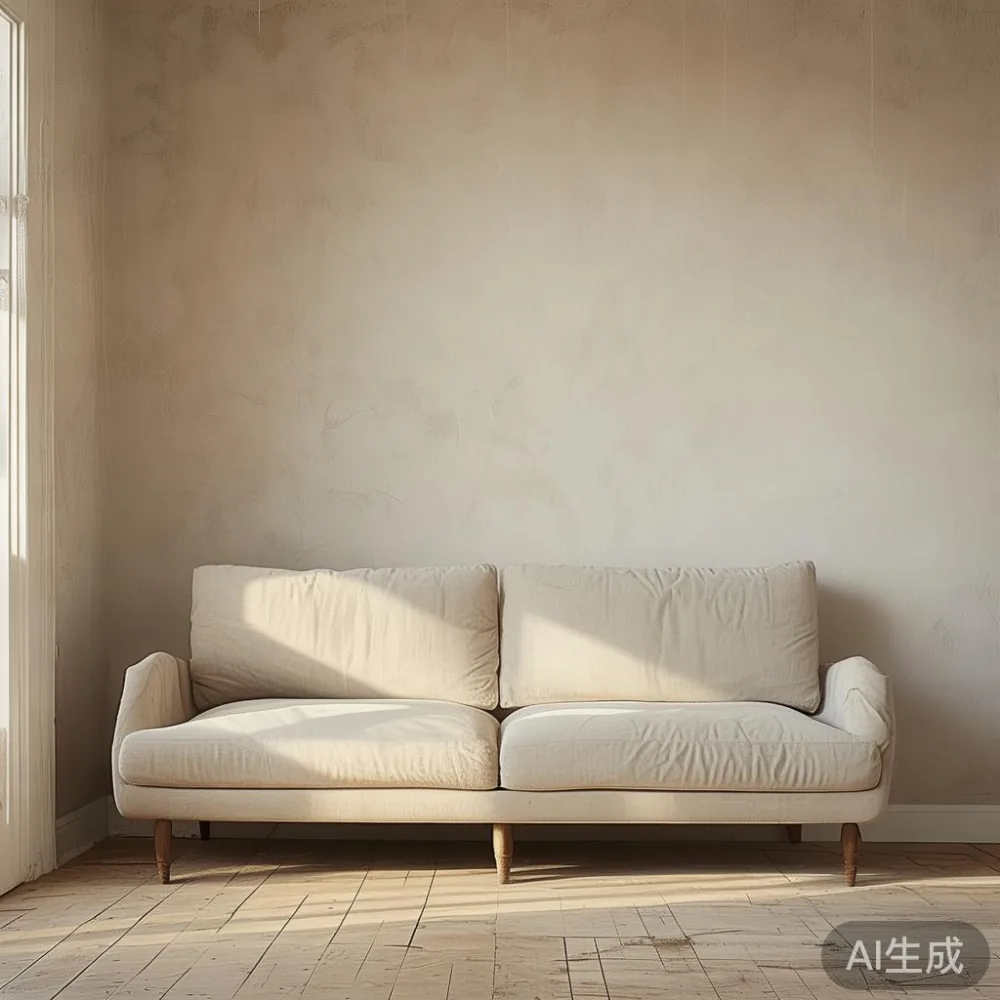
The price difference starts here. Solid wood is a natural, finite resource. A single tree, like a North American White Oak or a European Ash, can take 50 to 100 years to mature. The cost of sourcing this timber, even before it's processed, is significant. Veneer, on the other hand, uses the same high-quality wood but only the outer layer, making it far more resource-efficient. The engineered wood base is also considerably cheaper than solid timber. This material cost difference is the primary driver of the initial price gap.
But the value of solid wood extends beyond its initial cost. Consider Singapore's climate. High humidity can cause engineered wood to swell and warp over time. A solid wood bed frame, however, is more stable. It may expand and contract with the seasons, but it returns to its original shape, maintaining structural integrity. This resilience is why a solid wood piece often comes with a 10-year structural warranty, a promise that is difficult to make for a veneer product with an MDF core. For a bedroom design meant to last a decade or more, this durability is a critical factor.
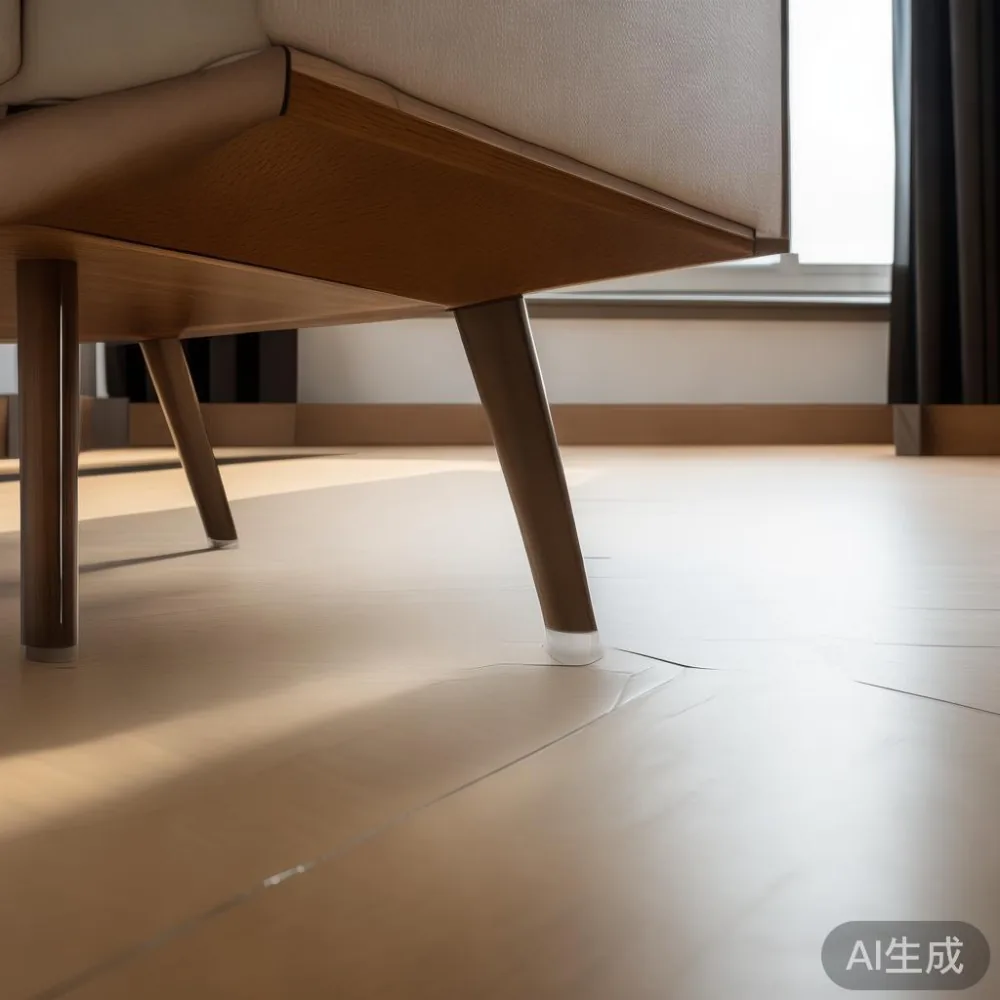
The Impact of Wood Species on Your Bedroom Furniture's Price and Feel
Not all solid wood is created equal. The species of wood used in your bedroom furniture is a major determinant of both price and character. The market generally divides wood into two categories: hardwoods and softwoods. Hardwoods, derived from deciduous trees, are denser and more durable, while softwoods, from coniferous trees, are typically lighter and less expensive.
Common hardwoods used in furniture include Oak, Walnut, Mahogany, and Teak. Oak is a classic choice, known for its prominent grain and extreme durability. A solid oak wardrobe might cost between SGD 2,500 and SGD 4,000. Walnut, prized for its rich, dark colour and straight grain, is often more expensive, with a similar-sized wardrobe potentially costing SGD 3,500 to SGD 5,500. Teak, highly valued for its natural resistance to moisture and pests, is another premium option, often used for outdoor furniture but also for high-end indoor pieces like a marble-topped dining table.
Softwoods like Pine and Rubberwood are more budget-friendly. A Pine bed frame can be found for as little as SGD 800 to SGD 1,500. They are lighter and easier to work with, which lowers production costs. However, they are more susceptible to dents and scratches. The choice between hardwood and softwood depends on your priorities. If you seek a piece that will develop a beautiful patina over decades and withstand daily use, a hardwood is the superior investment. If your primary concern is cost and the piece is for a guest room or a child's room, a quality softwood can be a practical and attractive solution.
French Light Luxury and the Art of Crafting a Solid Wood Wardrobe
Once the material is selected, the craftsmanship begins. This is where the price can escalate dramatically, especially for furniture with a specific design ethos like French light luxury. This style is characterised by elegant, understated lines, subtle curves, and a focus on fine details rather than ornate decoration. It's about creating a sense of refined tranquility in a bedroom design.
Consider the construction of a solid wood wardrobe. A mass-produced piece might use simple butt joints, where two pieces of wood are joined at a 90-degree angle. A French light luxury wardrobe, however, will feature more complex joints like mortise and tenon or dovetail joints. These interlocking mechanisms provide superior strength and ensure the frame remains rigid for years. The drawer boxes inside will be dovetailed as well, preventing them from pulling apart under the weight of clothes. This level of joinery requires skilled artisans and more time, directly adding to the cost.
Finishing is another critical aspect. A high-quality French light luxury piece will have a multi-step finishing process. The wood is sanded to an incredibly smooth surface, often by hand. Multiple coats of lacquer or oil are applied, with sanding between each coat. This creates a deep, lustrous finish that highlights the wood's natural grain while protecting it. The finish feels smooth to the touch and is resistant to everyday wear. This meticulous attention to detail is what separates a piece of furniture from a mere functional item to a work of art, and it is a significant portion of the labour cost.
Why Does an American Bed Cost More Than a Simple Nightstand?
The scale and complexity of a furniture piece are undeniable factors in its price. It's intuitive that a large American-style bed frame will cost more than a small nightstand, but the reasons are more nuanced than just the amount of wood used.
Take an American bed vs Italian light luxury bed. An American bed, often featuring a large headboard and footboard, requires extensive milling of large, stable wood panels to prevent warping. The joinery must be perfect across a wider surface area. The logistics are also more complex; a king-size American bed can weigh over 80 kg and requires specialised packaging to prevent damage during shipping. Delivery to a high-floor HDB apartment in Tampines with a narrow lift corridor adds another layer of complexity, requiring careful planning and potentially specialised equipment.
A nightstand, while smaller, presents its own set of challenges. It often has drawers, which require the intricate dovetail joinery mentioned earlier. It might also feature decorative elements like turned legs or intricate carvings that demand a high level of skill from the woodworker. The price reflects the sum of all these parts: the material, the complexity of the joinery, the hardware (like soft-close drawer slides), and the finishing. A simple, unadorned wooden stool would be the least expensive, while a complex, multi-drawer nightstand with a marble inlay would command a higher price due to the increased labour and design complexity.
Understanding the True Value of a Lifetime Refinishing Warranty
When you browse for sale Italian light luxury furniture, you will often encounter warranties that seem too good to be true, like a lifetime refinishing guarantee. This is not a marketing gimmick but a reflection of the manufacturer's confidence in their product's quality. For a solid wood piece, this warranty is particularly valuable.
Over time, any wood finish will show signs of wear. Sunlight can cause fading, and everyday use can lead to minor scratches. A veneer piece, once the thin surface layer is damaged, is often irreparable. The engineered wood base underneath is exposed and cannot be sanded and refinished. A solid wood piece, however, can be completely restored. The old finish can be stripped off, and the wood can be sanded down to a fresh surface, then refinished to look brand new.
This ability to be refinished extends the life of the furniture indefinitely. A wardrobe that you buy today for SGD 3,000 could potentially be refinished in 20 years for a fraction of the cost of a new one, allowing it to smoothly integrate with a future bedroom design. This long-term value proposition is a key reason why solid wood furniture, despite its higher initial cost, is often considered a smarter financial investment. It’s a piece you can pass down, not discard.
How Singapore's Specific Needs Influence Furniture Pricing and Design
A furniture maker cannot operate in a vacuum; it must adapt to the local market's unique demands. In Singapore, this means designing pieces that fit the specific dimensions and constraints of HDB flats and condominiums. A standard American bed frame might be too wide for a bedroom in an older Bedok HDB flat, where corridor and lift widths are tight.
Manufacturers like MIDHILL, which has been exporting to over 15 countries since 2008, must account for these spatial realities. This involves precise engineering. A wardrobe designed for a Singaporean bedroom might be 180 cm wide instead of the more common 200 cm, or feature sliding doors instead of hinged ones to save space. These design considerations require additional planning and prototyping, which adds to the development cost.
Also, the Singaporean market is sensitive to logistics and taxes. Free shipping over SGD 350 is a standard offer, but it represents a significant operational cost for a company managing international delivery. A 14-day return policy provides peace of mind to the consumer but requires a solid logistics system for handling returns efficiently. Then there's the 9% Goods and Services Tax (GST), which is applied to the final price. While this is a standard tax, it's a factor that consumers must consider when budgeting for their bedroom furniture. All these elements—local adaptation, logistics, and taxation—are factored into the final retail price you see.
What Does 'Best Japandi Wardrobe for 2026' Actually Mean for a Buyer?
Terms like "best" are often thrown around in marketing, but for a discerning buyer, they hold little weight. A more useful question is: "What wardrobe is the *right* wardrobe for my needs in 2026?" This is where understanding the price drivers becomes empowering. A 'best Japandi wardrobe for 2026' is less about a single product and more about a set of features and qualities that align with contemporary living.
Japandi design, a fusion of Japanese minimalism and Scandinavian functionality, favours clean lines, natural materials, and clever storage solutions. A wardrobe in this style might feature shoji-style sliding doors, handle-less drawer pulls, and an interior layout designed to maximise space efficiency. The price of such a piece reflects more than just the wood; it reflects the design innovation. The cost includes the research and development to create an ergonomic and aesthetically pleasing system, the quality of the hardware for smooth sliding action, and the precision required to execute the minimalist design flawlessly.
When evaluating a piece, look beyond the label. Ask about the wood species. Examine the joinery. Feel the finish. Consider the warranty. A higher price for a well-designed, solid wood wardrobe is an investment in a functional and beautiful part of your home. It's a purchase that supports skilled craftsmanship and sustainable practices, offering a tangible piece of quality for your bedroom design that will endure for years to come.
In the end, the price of solid wood furniture is a composite of material, labour, design, and logistics. It's a reflection of the journey from a forest to your bedroom floor. By understanding these components, you can move beyond the sticker shock and appreciate the true value of a piece that is built to last, designed for your life, and destined to become a cherished part of your home.