Preserving the Luster: Caring for Lacquered Wood Furniture in Singapore's Humid Climate
The air in a Singaporean apartment, whether in a compact HDB flat in Tampines or a spacious condo in Punggol, carries a constant, invisible weight. Humidity levels regularly hover between 70% and 90%, a fact that becomes immediately apparent the moment you step outside into the morning heat. For homeowners who have invested in a thoughtfully designed bedroom, featuring pieces like a solid wood bed frame or a marble-topped nightstand, this pervasive moisture can feel like a direct challenge to the home's aesthetic integrity. The beautiful, high-gloss finish on a lacquered wardrobe or the deep, rich tones of a designer French provincial furniture piece can dull, warp, or even peel if not properly cared for. Maintaining the pristine condition of your bedroom design in such an environment requires a specific, gentle, and consistent approach.
Why Does Singapore's Humidity Affect Lacquered Surfaces?
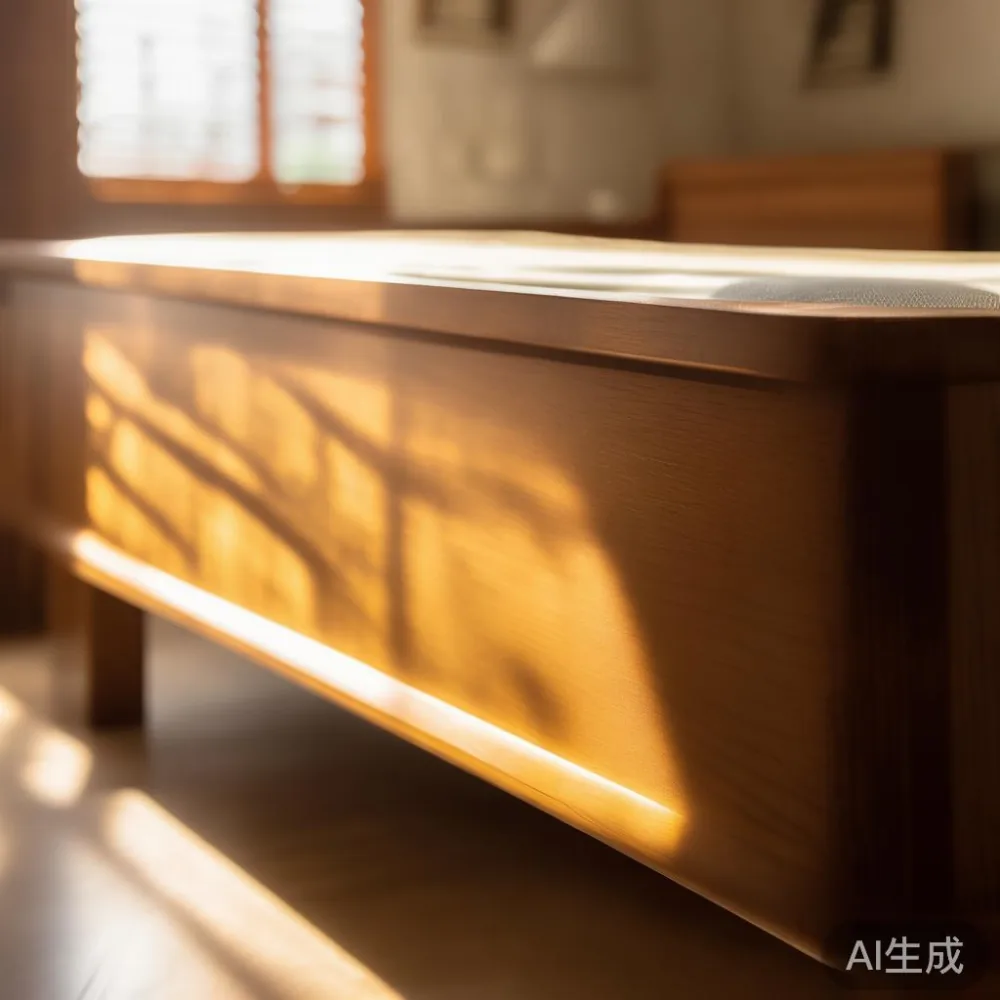
Lacquered wood furniture is not simply wood covered in a thick, plastic-like shell. It's a sophisticated finishing process where multiple ultra-thin layers of a clear, hard resin are applied to the wood's surface. Each layer is carefully sanded and polished before the next is applied, creating a deep, glass-like sheen that enhances the wood's natural grain. This finish is exceptionally durable against scratches and minor impacts. However, its primary weakness is moisture. Wood, even under a protective lacquer, is a hygroscopic material, meaning it naturally absorbs and releases moisture from the air. In Singapore's relentless humidity, wood constantly absorbs water. This process causes the wood fibers to swell. When the wood swells, it exerts pressure on the rigid lacquer layers bonded to its surface. Over time, this pressure can lead to several common problems: a cloudy or white appearance (known as blush or blooming), small cracks in the finish, or, in severe cases, the lacquer lifting or peeling away from the wood substrate.
What Kind of Lacquer Do High-End Furniture Brands Use?
The quality of the lacquer itself is a critical factor in how well your furniture will withstand the tropical climate. Not all lacquers are created equal. For pieces like the best Japandi wardrobe for 2026 or a light luxury Italian light luxury sofa, manufacturers invest in premium finishing systems. These typically involve a catalyzed lacquer, such as a polyurethane or a two-component acrylic lacquer. These chemically-cured finishes form an incredibly dense, non-porous film that is far more resistant to moisture penetration than traditional nitrocellulose lacquers. They offer superior hardness and clarity, preserving the furniture's appearance for years. When selecting furniture, note that a reputable brand will use this type of high-performance finish, ensuring their products are built to last in demanding environments. The difference is noticeable in the depth of the shine and the long-term stability of the surface.
Is It Safe to Use Water to Clean My Lacquered Nightstand?
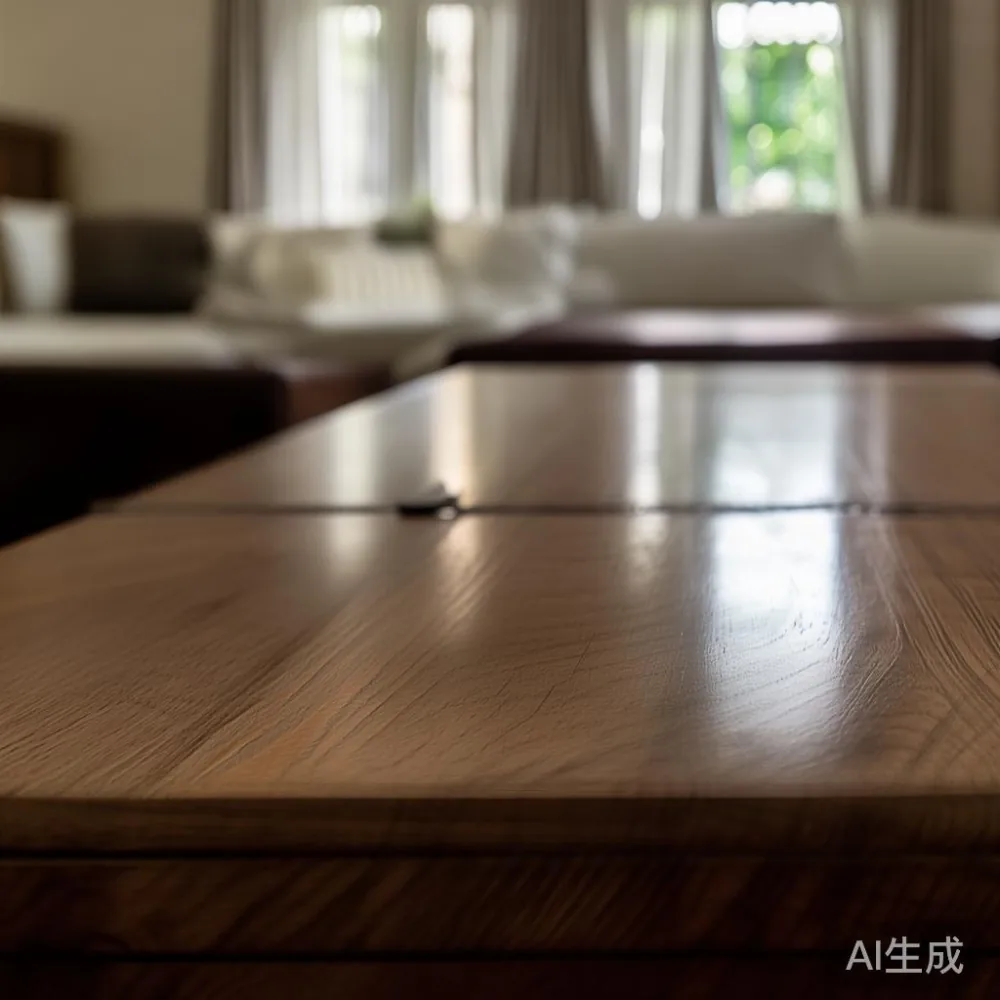
This is one of the most common questions we receive, and the answer requires a nuanced approach. While a damp cloth is sometimes necessary for a quick cleanup, water is the enemy of a lacquered surface if used improperly. The key is to control the amount of moisture. A dry, soft, lint-free microfiber cloth should be your primary cleaning tool. For routine dusting, a simple wipe-down is all that's needed. For smudges or sticky spots, you can lightly dampen a corner of the cloth with water. The cloth should be wrung out until it is almost dry, with no water dripping from it. Wipe the area gently in the direction of the wood grain. Immediately follow up with a dry section of the cloth to absorb any residual moisture. Never spray water or any cleaning solution directly onto the furniture surface, as it can easily seep into the seams or joints, causing damage beneath the lacquer. For a marble table top, always use a pH-neutral stone cleaner, as acidic substances can etch the surface.
The Daily and Weekly Care Routine for Your Bedroom Design
Incorporating a simple care routine into your weekly household chores can dramatically extend the life and beauty of your lacquered furniture. For your solid wood bed frame and nightstands, a weekly dusting with a microfiber cloth is important. This prevents abrasive dust particles from settling into the finish and causing fine scratches. Once a month, perform a more thorough cleaning. Use the slightly damp, well-wrung microfiber cloth to wipe down all surfaces. Follow immediately with a dry cloth. For polishing, avoid traditional furniture polishes that contain silicone or waxes. These can build up over time, creating a cloudy film that is difficult to remove. Instead, use a specialized high-quality furniture polish designed for lacquered or French provincial furniture. Apply a small amount to a clean, soft cloth and buff the surface gently to restore its shine. My colleague visited a client in Bedok last month who had a stunning dark wood wardrobe. She had been using a generic spray polish for years, and the finish had lost its depth. After one treatment with a proper polish, the difference was night and day—it looked like it had just been delivered.
Preventative Measures: Protecting Your Furniture from Humidity
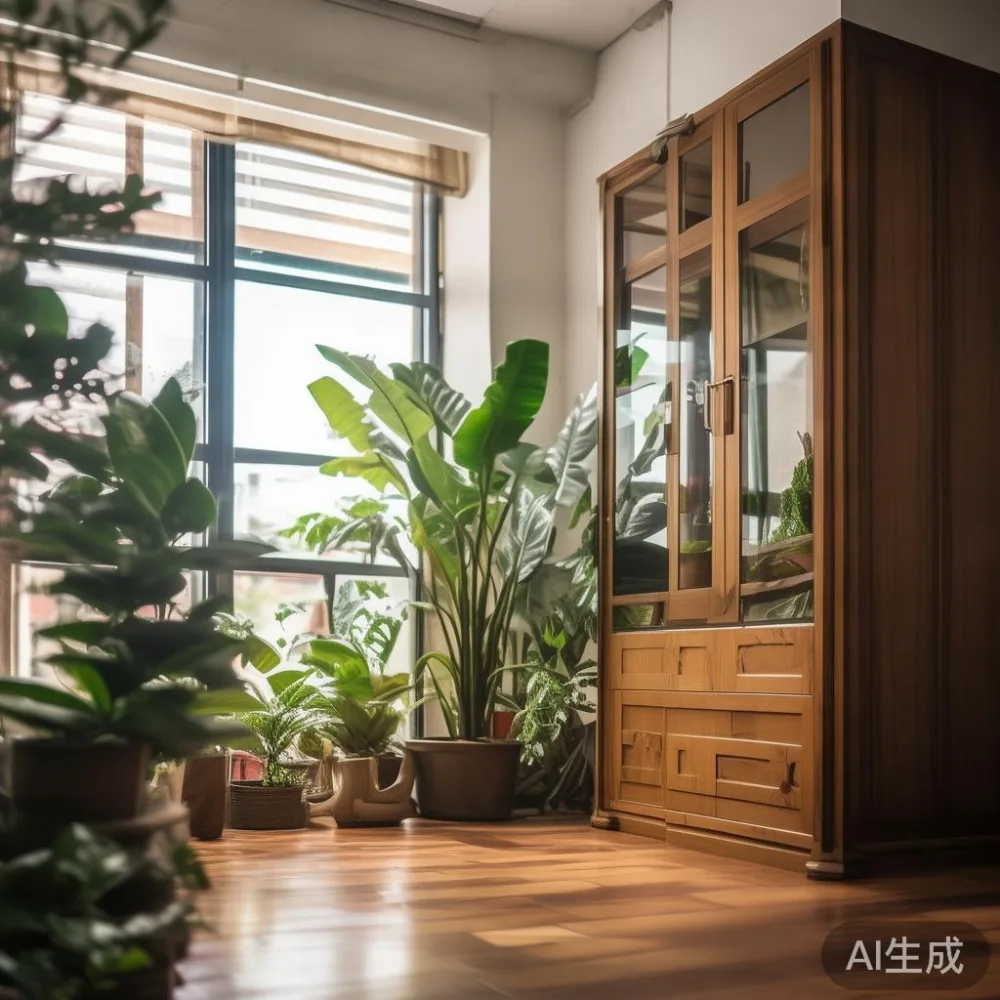
Cleaning is reactive; prevention is proactive. The most effective way to protect your bedroom furniture is to control the environment. Air conditioning is your best friend. In Singapore, it's not just about comfort; it's about preservation. Set your air conditioner to a reasonable temperature (around 24-26°C) and, more importantly, ensure it runs consistently. The dehumidifying effect of the AC will pull moisture from the air, creating a stable microclimate around your furniture. This is especially important for walk-in wardrobes or rooms with large pieces like a dining table. If you live in an older HDB flat with less effective air conditioning, consider using a small dehumidifier in the bedroom, particularly during the monsoon season. Place felt pads or coasters under items like a marble table or ceramic vases to prevent condensation from forming directly on the wood surface. Also, be mindful of placing furniture directly against external walls, as these walls tend to be cooler and can collect condensation.
How to Choose French Bed Finishes That Suit the Climate
When selecting new furniture, such as how to choose French bed, the finish is as important as the style itself. For a humid climate like Singapore's, you should prioritize furniture with sealed finishes. A French provincial bed with a high-gloss, catalyzed lacquer finish will generally perform better than one with a simple oil or wax finish. The glossy surface is less porous and easier to wipe clean. A post-modern light luxury bed frame with a matte finish can also be a good option, provided the matte is achieved through a high-quality, sealed lacquer rather than an open-pore texture. Open-pore finishes, common in rustic or Scandinavian styles, are more susceptible to absorbing moisture and oils from the air and skin, which can lead to permanent staining. The best Nordic bed for 2026, for instance, might feature a protective oil finish, but this requires more frequent maintenance with specific oils to maintain its water resistance. For a low-maintenance, high-performance piece, a sealed lacquer is the superior choice for a Singaporean home.
Addressing Common Problems: Blush, Cracks, and Stains
Despite your best efforts, you might encounter issues. A white, cloudy film, or blush, on a lacquered surface is caused by moisture getting trapped under the finish. To treat it, use a specialized furniture restorer or a very mild solution of 50/50 isopropyl alcohol and water on a soft cloth. Gently rub the affected area in a circular motion. The alcohol will help evaporate the trapped moisture. For minor scratches, a high-quality scratch cover marker or polish can help blend them in. Deeper cracks or peeling lacquer are more serious and indicate a failure of the finish. This is a repair best left to a professional furniture refinisher. Attempting to sand and refinish the piece yourself is a complex skill that can easily make the problem worse. For stains, act quickly. Blot the spill immediately with a dry cloth. For water rings, try buffing with a soft cloth. If that fails, a baking soda paste can sometimes draw out the stain, but test it on an inconspicuous area first.
Investing in Quality: The Long-Term Value of Proper Care
Ultimately, caring for your lacquered furniture is about protecting your investment. A well-maintained solid wood sofa or bed frame is not just a functional item; it's a piece of art that enhances your living space. The cost of a quality piece of furniture, whether it's a designer French provincial furniture item or a minimalist MIDHILL TV console, represents a significant financial outlay. Proper care ensures that this investment retains its value and beauty for decades. A 10-year structural warranty, for example, covers the integrity of the wood, but it does not cover damage from improper maintenance. By dedicating a small amount of time each week to gentle cleaning and preventative measures, you ensure that your bedroom design remains a source of pride and comfort. For a homeowner in a Punggol condo with a view of the reservoir, preserving the elegance of their furniture is part of preserving the entire home's serene and sophisticated atmosphere.